

Collared Forest Falcon
Micrastur semitorquatus
A large, owl-faced Neotropical forest raptor with short rounded wings and a long barred tail, known for a dark neck collar and loud calls echoing through the forest at dawn and dusk.
- Feather type
- Short broad flight feathers; long barred tail; dark upperparts and pale underparts with a dark collar
- Colours
- Blackish-brown upperparts; white underparts with a dark neck collar; multiple color morphs
- Bird size
- Large forest falcon, ~48-58 cm
Found a feather like this?
Identify any feather from a photo, free.
Overview
The Collared Forest Falcon is a large, distinctive raptor of dense Neotropical forest, built quite differently from open-country falcons, with short, rounded wings and a long tail adapted for maneuvering through cluttered understory rather than fast open-air pursuit.
Its feathers reflect this forest-adapted body plan: broad, rounded flight feathers and a long, boldly barred tail, combined with a dark facial collar across the neck that gives the species its name. The species also shows distinct color morphs, from pale birds with white faces to darker blackish morphs.
Because it is more often heard than seen, its loud, far-carrying calls at dawn and dusk often signal its presence in forest habitat well before a feather is discovered on the forest floor.
Identifying the Feather
Shape and size
- Flight feathers are short and notably broad and rounded, an adaptation for flying through dense understory rather than open sky; primaries can reach 22-28 cm.
- Tail feathers are unusually long relative to body size and boldly barred with alternating dark and pale bands.
Color and pattern
- Upperpart feathers are blackish-brown to slate.
- Underparts feathers are white to pale buff, with a dark blackish band or 'collar' across the upper neck/breast area.
- Some individuals (dark morph) show much darker, more uniformly blackish body feathers instead of the pale underparts.
- Shafts are dark on upperpart feathers, pale on white underparts feathers.
Similar species
- The unusually long, boldly barred tail combined with short, broad, rounded flight feathers separates it from true falcons (which have narrow pointed wings); the dark neck collar and large size help distinguish it from smaller forest falcon relatives.
Plumage & Molt
Adults typically show blackish-brown upperparts, white underparts, and a dark neck collar, though a notable dark morph exists with much darker overall plumage and less white. Sexes are similar in pattern with females larger. Juveniles are browner with more barring below, taking a couple of years to reach full adult appearance.
Habitat & Range
Found in dense lowland and montane tropical forest from Mexico through Central America and into much of South America. It is a non-migratory resident closely tied to forest interior and edge habitat.
Behavior & Field Notes
An ambush predator of birds, mammals, and reptiles within dense forest, hunting by stealth and short pursuit through cluttered vegetation rather than open-air chases. Nests in tree cavities. Known for extremely loud, repeated calls given especially at dawn and dusk, often the first clue to its presence.
Field note: a long, boldly barred tail feather combined with broad, rounded flight feathers found on the floor of tropical forest is a strong indicator of this or a related forest falcon species; the dark collar mark on body feathers helps confirm this particular species.
Frequently asked questions
How does this species' feather shape differ from a true falcon's?
Its flight feathers are short, broad, and rounded for maneuvering through dense forest, unlike the narrow, pointed wings of fast open-country falcons like kestrels or peregrines.
What is the significance of the dark morph?
Some individuals show a much darker, more uniformly blackish plumage instead of the typical pale underparts, so feather color alone can vary within the species.
Why might I hear this bird before finding its feather?
It has extremely loud, far-carrying calls given especially at dawn and dusk, which often reveal its presence in forest habitat before any feather is found.
What is the most useful tail feather clue?
An unusually long tail feather with bold, evenly spaced dark and pale barring is characteristic of this and other forest falcons in the genus Micrastur.
Collared Forest Falcon guides
In-depth guides for identifying and understanding Collared Forest Falcon.

Other feathers you may enjoy

Australian Hobby
Long, narrow pointed flight feathers; slender tail feathers

California Condor
Massive flight feathers; long broad primaries; large tail feathers

Brown Falcon
Broad, rounded flight feathers; variable-toned contour feathers
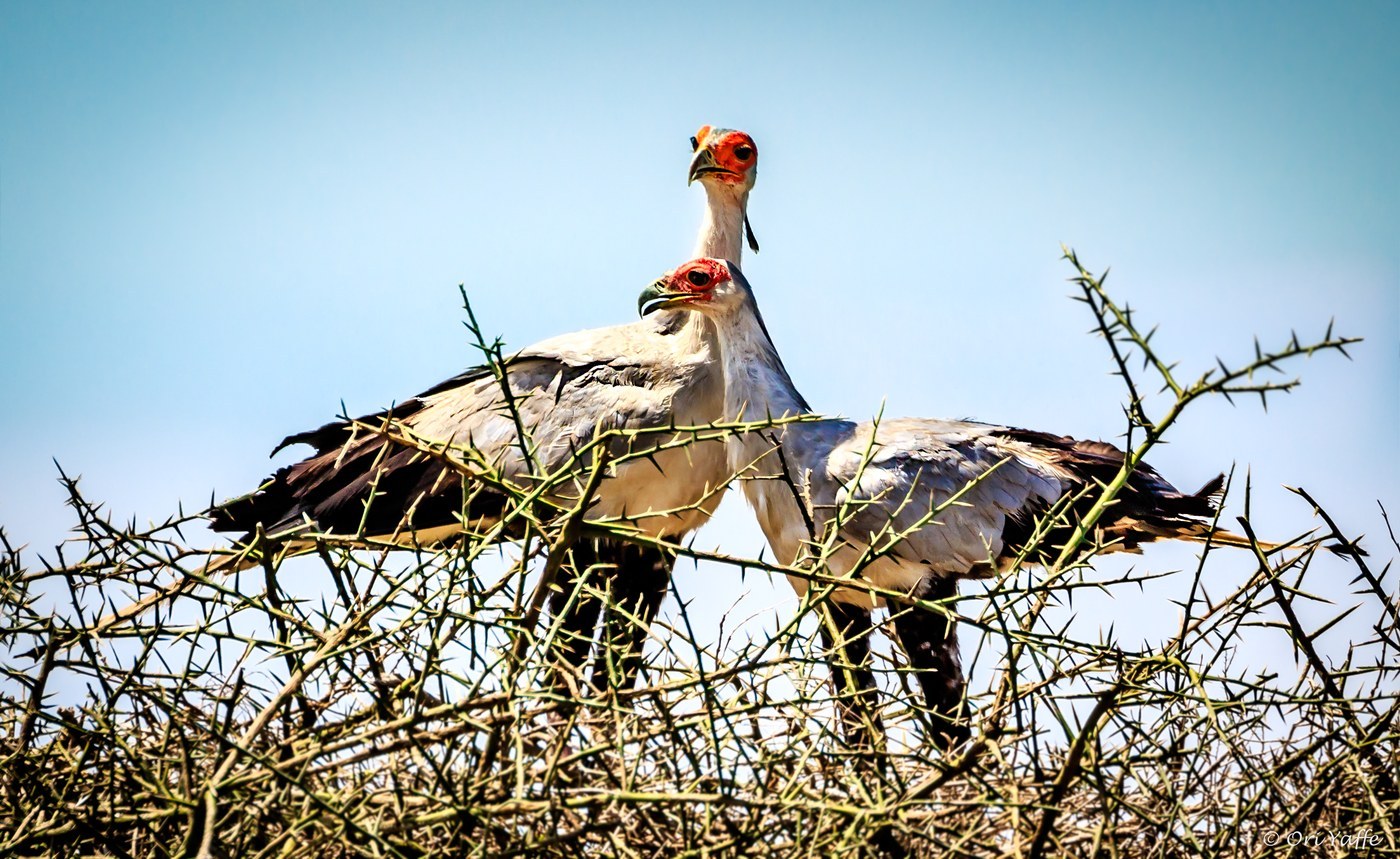
Secretarybird
Long crest feathers; broad flight feathers; elongated central tail feathers

Orange-breasted Falcon
Broad-based pointed flight feathers; bold breast and belly feathers
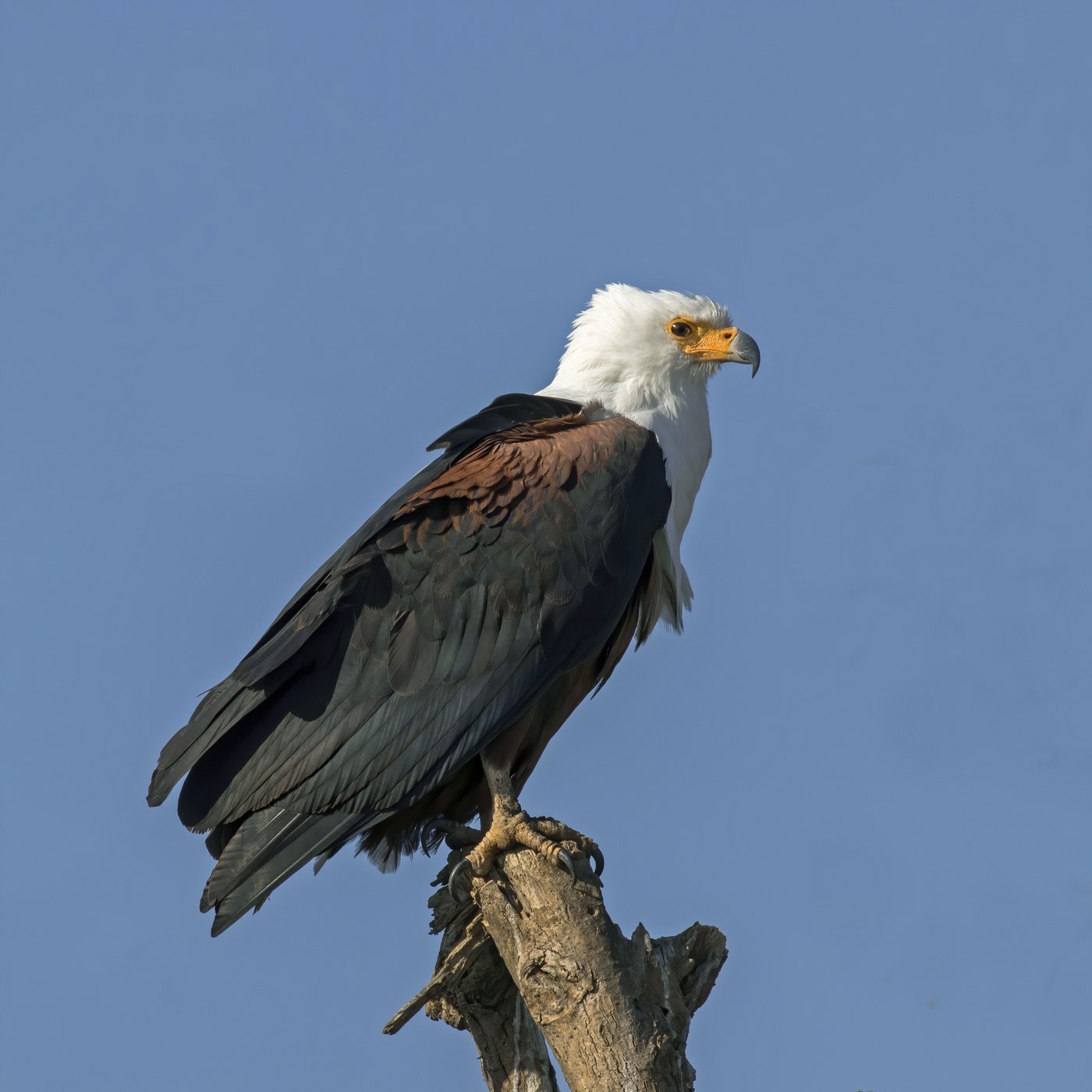
African Fish Eagle
Flight, tail, and body feathers

Amur Falcon
Slender pointed flight feathers; soft slate or orange-buff contour feathers
Red Kite
Flight (wing) and tail feathers
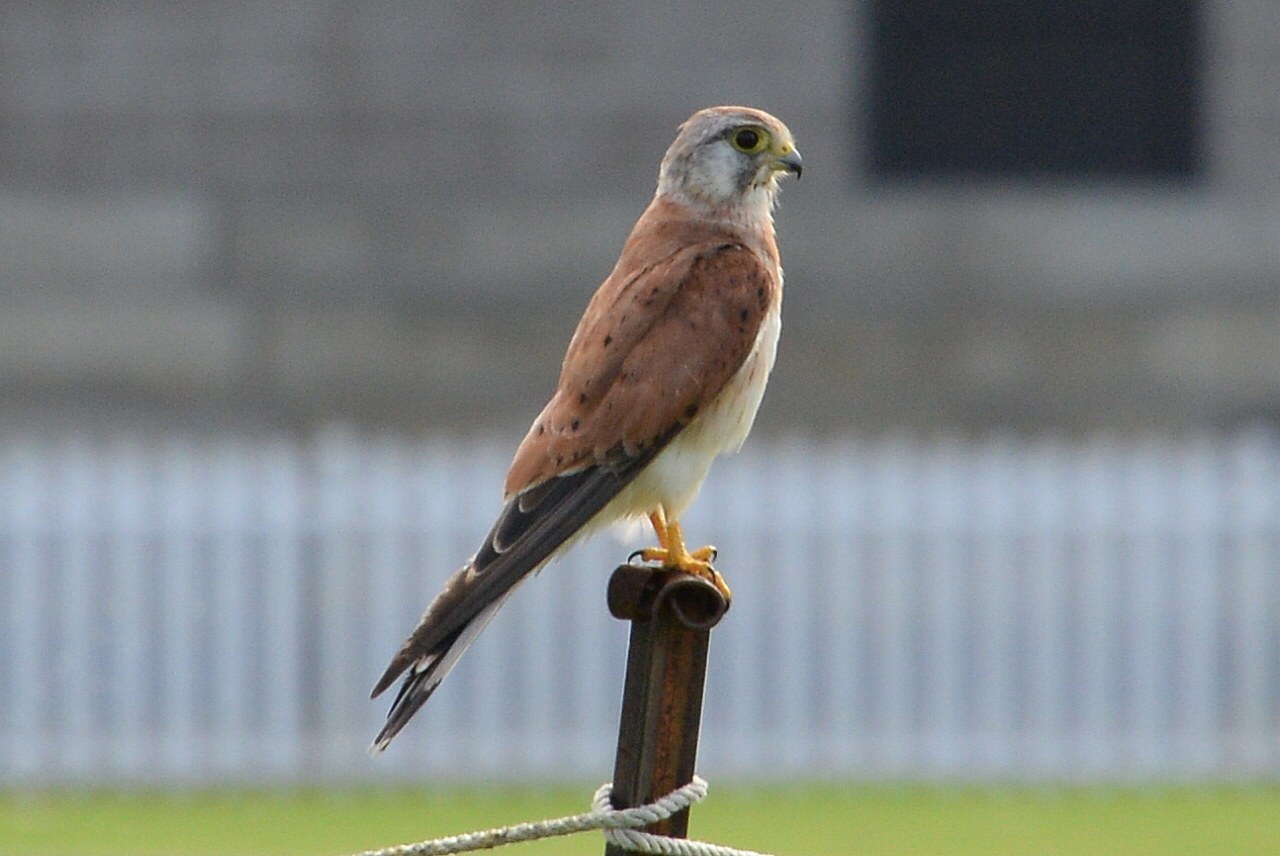
Nankeen Kestrel
Slim pointed flight feathers; lightly marked contour feathers

Andean Condor
Massive flight feathers; broad primaries and secondaries; sturdy tail feathers

Plumbeous Forest Falcon
Short rounded flight feathers; finely barred tail feathers

Sooty Falcon
Long pointed flight feathers; slim tail feathers