

Chimango Caracara
Milvago chimango
A common, uniformly brown caracara of southern South America's open country and cities, often seen scavenging in fields, parks, and roadsides.
- Feather type
- Broad rounded flight feathers; lightly barred tail; uniformly brown body feathers
- Colours
- Uniform brown plumage with a pale buffy wash
- Bird size
- Medium raptor, ~37-41 cm
Found a feather like this?
Identify any feather from a photo, free.
Overview
The Chimango Caracara is one of the most familiar and abundant raptors of southern South America, found throughout Argentina, Chile, Uruguay, and Paraguay in open grassland, farmland, and even city parks and garbage dumps.
Its feathers are a fairly uniform brown with a pale buffy wash, lacking the striking pale head of its close relative the Yellow-headed Caracara, making overall uniform coloration the best clue to its identity.
Because it thrives in human-modified and urban landscapes as a generalist scavenger, feathers are commonly found in city parks, farmland, and coastal areas across its southern South American range.
Identifying the Feather
Shape and size
- Flight feathers are broad and rounded, moderate in size, primaries around 22-26 cm.
- Tail feathers are brown with fine, faint barring.
Color and pattern
- Body and wing feathers are a fairly uniform brown, with a paler buffy wash on the head and underparts.
- Shafts are pale to light brown throughout, without strong contrast.
Similar species
- Distinguished from the Yellow-headed Caracara by its more uniform brown tone overall, lacking the strongly pale creamy-yellow head of that species; ranges overlap only marginally, with this species centered further south.
Plumage & Molt
Adults show a fairly uniform brown plumage with a paler buffy wash on the head and underparts, sexes similar. Juveniles are similar in tone, sometimes slightly more streaked, converging with adult appearance without a dramatic change.
Habitat & Range
Found in open grassland, farmland, coastal areas, and urban parks throughout Argentina, Chile, Uruguay, and Paraguay. It is largely resident and one of the most common raptors in its range.
Behavior & Field Notes
A highly opportunistic scavenger and generalist feeder, taking carrion, insects, small vertebrates, and refuse, often in and around cities and towns. Nests in trees or on structures. Calls are harsh, repeated notes, frequently heard in open country and urban parks alike.
Field note: a uniformly brown feather with only a pale buffy wash, found in open farmland or even city parks in southern South America, is a good match for this abundant species.
Frequently asked questions
How does this differ from the Yellow-headed Caracara?
This species lacks the strongly pale, creamy-yellow head of the Yellow-headed Caracara, showing a more uniform brown tone overall.
Is this a common species?
Yes, it is one of the most abundant and familiar raptors across its southern South American range.
Does it occur in cities?
Yes, it readily forages in urban parks, garbage dumps, and other human-modified landscapes.
What is its diet?
It is a generalist scavenger and opportunistic feeder, taking carrion, insects, small vertebrates, and refuse.
Chimango Caracara guides
In-depth guides for identifying and understanding Chimango Caracara.

Other feathers you may enjoy

Australian Hobby
Long, narrow pointed flight feathers; slender tail feathers

California Condor
Massive flight feathers; long broad primaries; large tail feathers

Brown Falcon
Broad, rounded flight feathers; variable-toned contour feathers
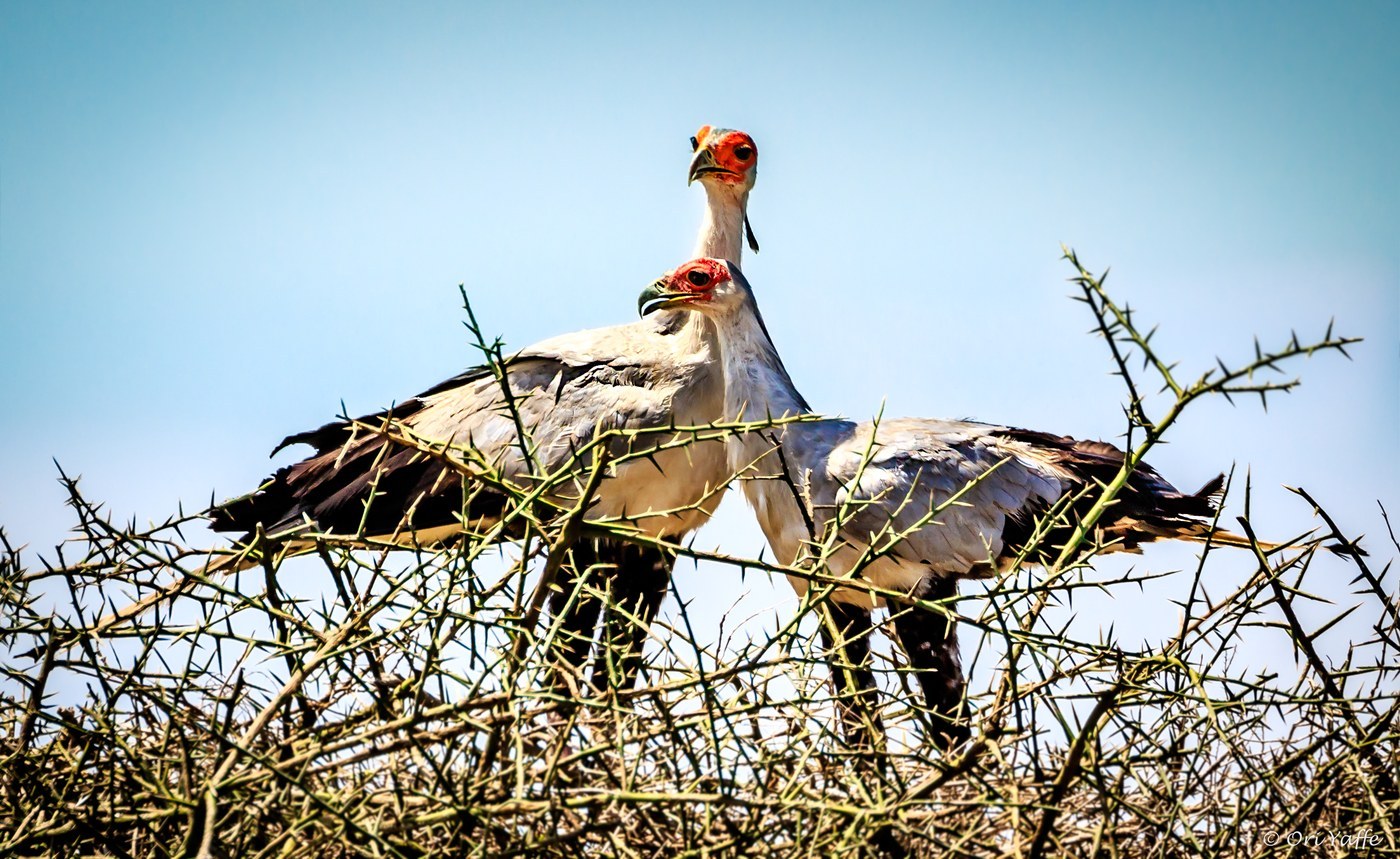
Secretarybird
Long crest feathers; broad flight feathers; elongated central tail feathers

Orange-breasted Falcon
Broad-based pointed flight feathers; bold breast and belly feathers
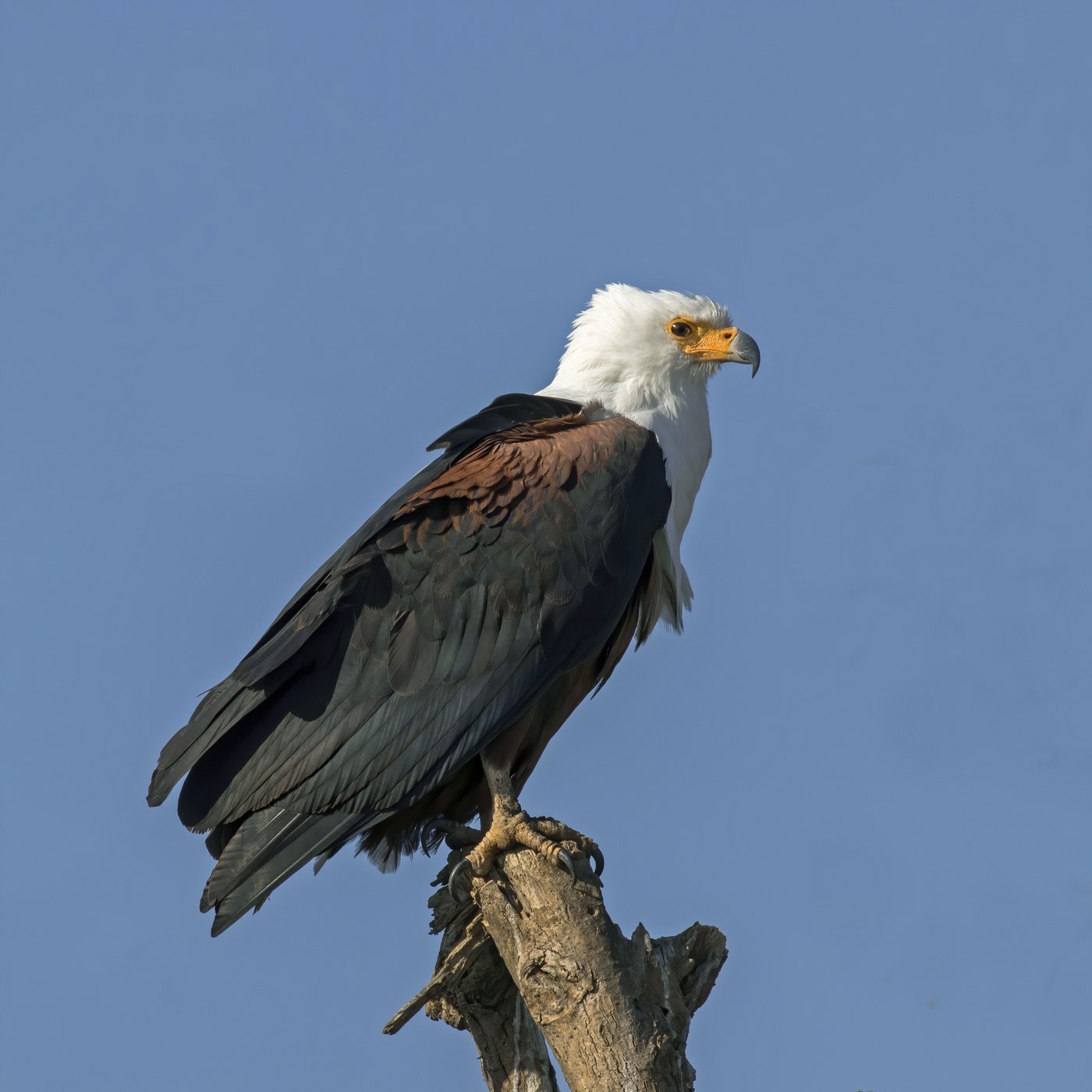
African Fish Eagle
Flight, tail, and body feathers

Amur Falcon
Slender pointed flight feathers; soft slate or orange-buff contour feathers
Red Kite
Flight (wing) and tail feathers
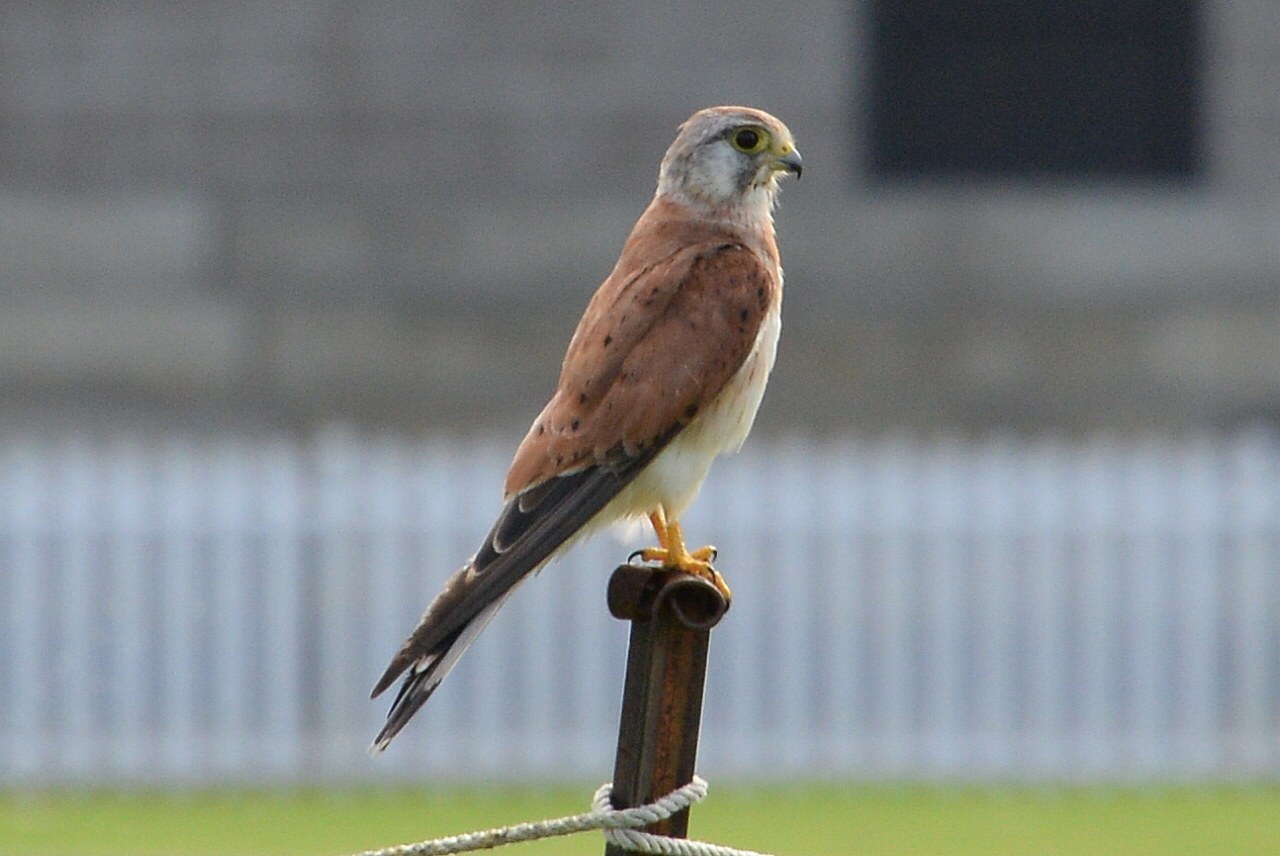
Nankeen Kestrel
Slim pointed flight feathers; lightly marked contour feathers

Andean Condor
Massive flight feathers; broad primaries and secondaries; sturdy tail feathers

Plumbeous Forest Falcon
Short rounded flight feathers; finely barred tail feathers

Sooty Falcon
Long pointed flight feathers; slim tail feathers