

Cassin's Auklet
Ptychoramphus aleuticus
A small, drab, sooty-gray auklet lacking the bold facial ornaments of its relatives, most easily told by its stubby bill with a small pale spot near the tip.
- Feather type
- Contour, flight, and short tail feathers
- Colours
- Sooty slate-gray upperparts, paler gray underparts
- Bird size
- Small, ~20-25 cm
Found a feather like this?
Identify any feather from a photo, free.
Overview
Cassin's Auklet is one of the plainest of the North Pacific auks, showing a uniform, unadorned sooty-gray plumage without the colorful bills or facial plumes seen in many relatives. Its subdued coloration reflects a life spent largely nocturnal at the breeding colony and inconspicuous at sea.
Identifying the Feather
- Body feathers are a fairly uniform sooty slate-gray above, becoming paler dusky gray on the belly and undertail
- Feathers lack bold patches, stripes, or plumes, distinguishing them from the more ornamented puffins and Rhinoceros Auklet
- A small pale spot near the base of the lower mandible is a bare-part feature rather than a plumage trait, but is a helpful field mark on the living bird
- Flight feathers are short and rounded, typical of small diving auks with whirring flight
- Tail feathers are short and squared, in keeping with the species' small, compact build
Plumage & Molt
- Adults show fairly uniform sooty-gray upperparts and paler gray underparts year-round, with little seasonal change
- Juveniles are similar but slightly duller and browner overall
- Sexes are alike in plumage
- A complete molt occurs after breeding, with flight feathers replaced on a schedule that renders birds flightless for a period
Habitat & Range
Cassin's Auklets breed in burrows on offshore islands along the Pacific coast of North America, from Baja California north to Alaska, often in large colonies. Outside the breeding season they remain largely within nearshore and offshore waters of the North Pacific along the same general coastline, rarely wandering far from their breeding range.
Behavior & Field Notes
This auklet feeds mainly on small planktonic crustaceans and other zooplankton, diving to pursue prey in productive coastal upwelling waters. It nests in burrows on offshore islands, typically visiting the colony only under cover of darkness to avoid predators. Its calls are harsh, creaking or chattering notes given at night around the breeding burrow.
Frequently asked questions
What makes a Cassin's Auklet feather hard to identify?
Its feathers are fairly plain sooty slate-gray without bold patches or stripes, so identification often relies on the small size and overall drab, uniform tone rather than a distinctive pattern.
Why does Cassin's Auklet visit its colony at night?
Nocturnal visits reduce the risk of predation by gulls and other daytime predators at the crowded breeding colonies.
What does Cassin's Auklet mainly eat?
It feeds mainly on small planktonic crustaceans and other zooplankton found in productive coastal waters.
Cassin's Auklet guides
In-depth guides for identifying and understanding Cassin's Auklet.

Other feathers you may enjoy

Western Gull
Body, flight, and tail feathers
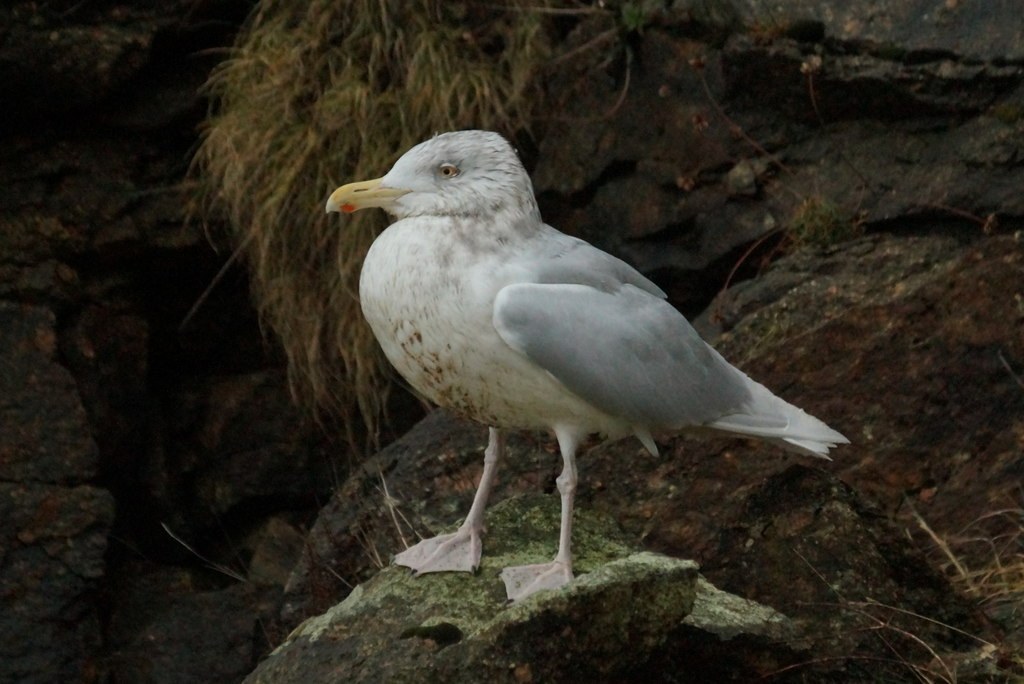
Glaucous Gull
Body, flight, and tail feathers

American Herring Gull
Body, flight, and tail feathers

Great Black-backed Gull
Body, flight, and tail feathers

Common Gull
Body, flight, and tail feathers
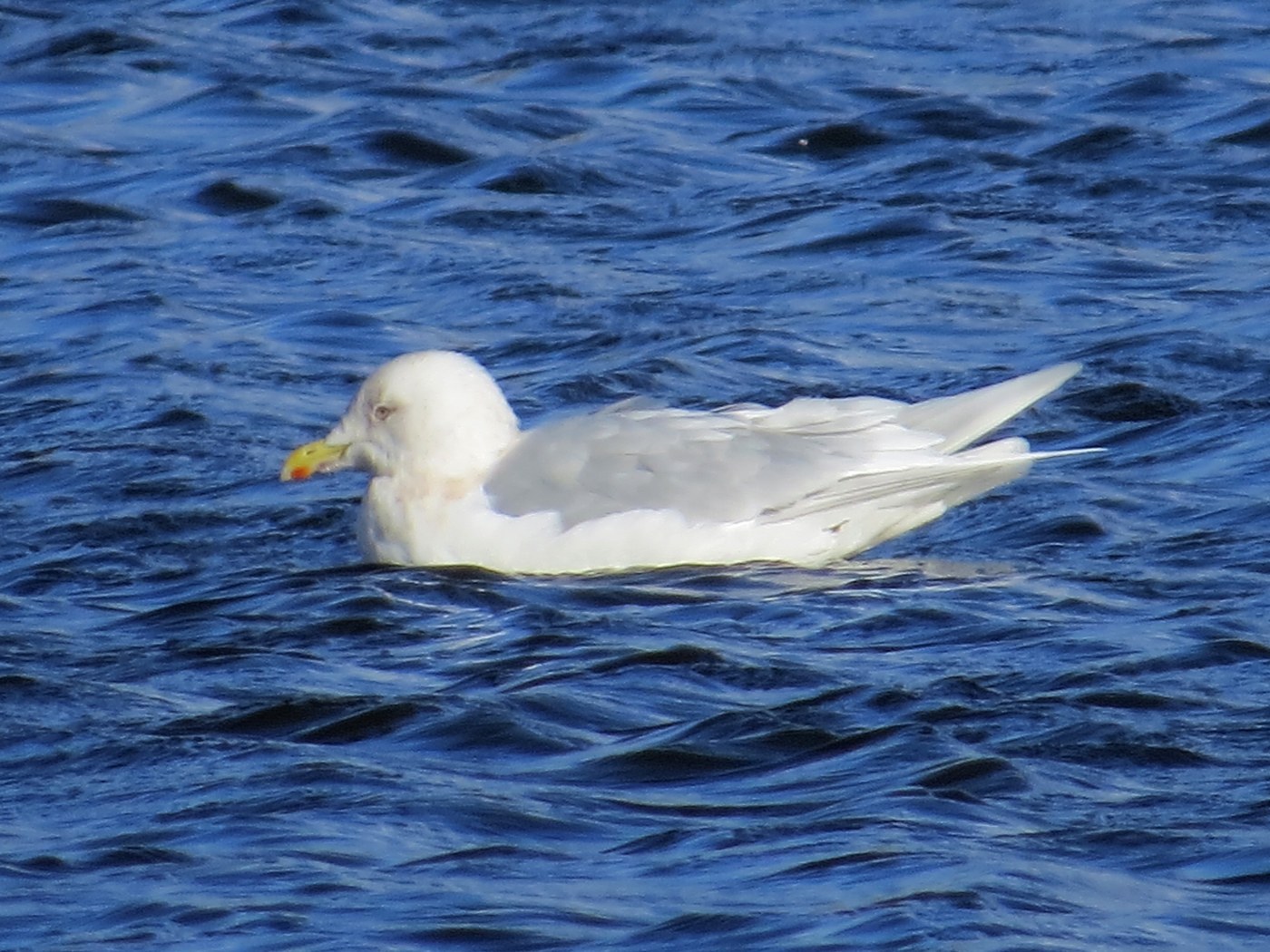
Iceland Gull
Body, flight, and tail feathers

Ring-billed Gull
Body, flight, and tail feathers

Glaucous-winged Gull
Body, flight, and tail feathers

Herring Gull
Body, flight, and tail feathers

Lesser Black-backed Gull
Body, flight, and tail feathers

California Gull
Body, flight, and tail feathers
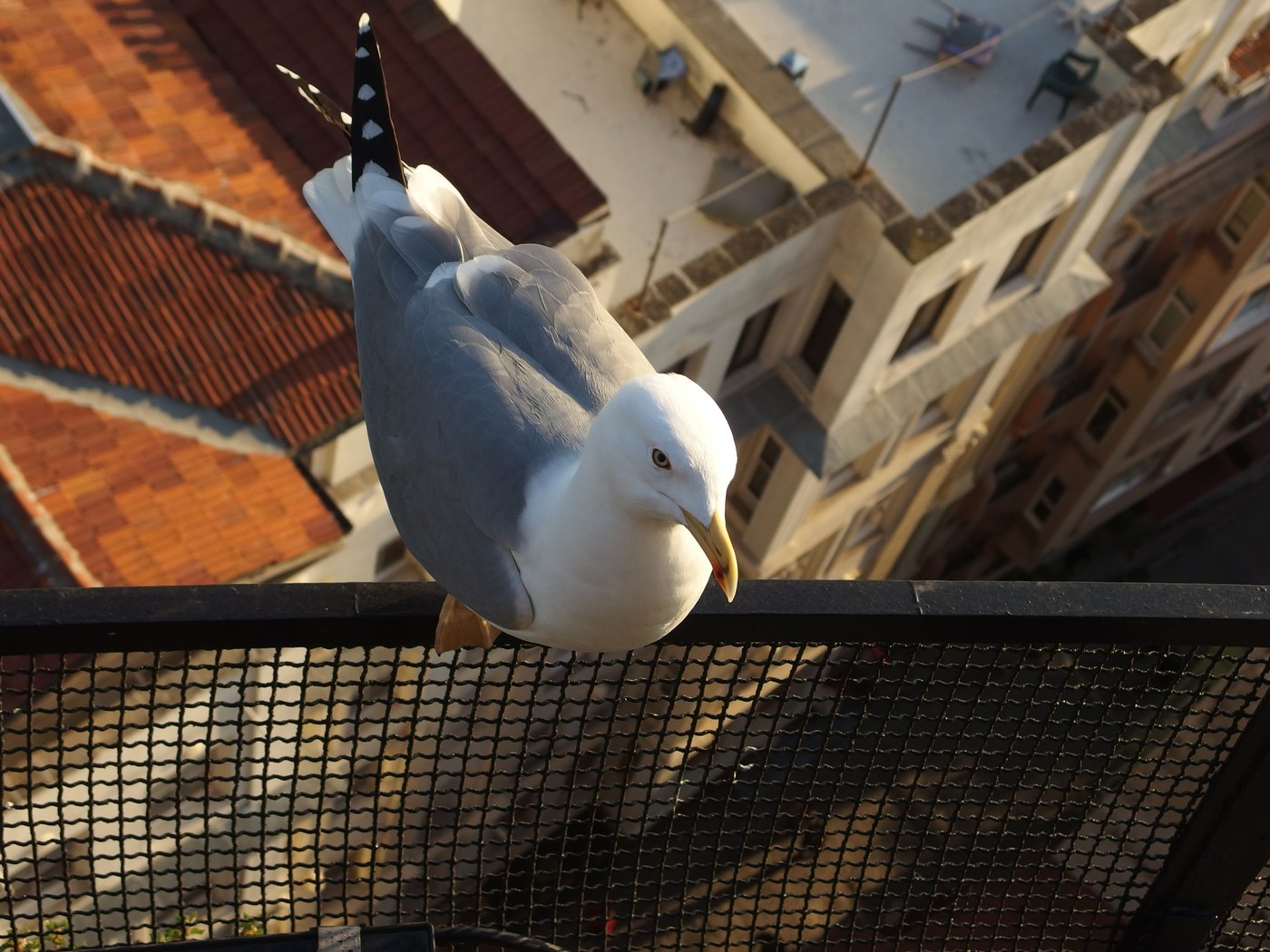
Yellow-legged Gull
Body, wing covert, and flight feathers