
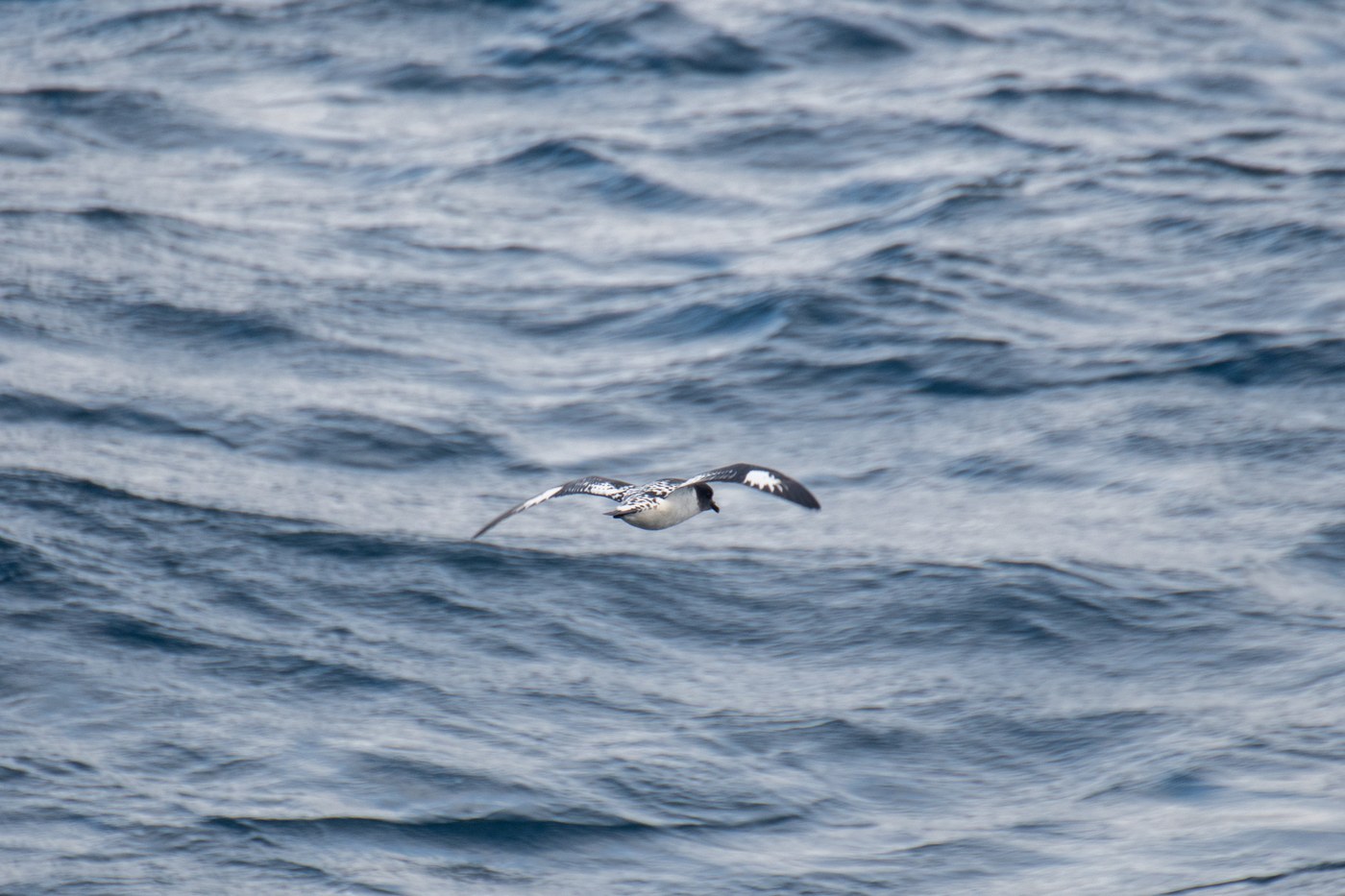
Cape Petrel
Daption capense
A striking black-and-white seabird whose checkered, piebald wing and back pattern make it one of the most easily recognized petrels of southern seas.
- Feather type
- Boldly patterned contour and flight feathers
- Colours
- Black and white checkered/piebald pattern
- Bird size
- Small-medium, ~38-40 cm
Found a feather like this?
Identify any feather from a photo, free.
Overview
Overview
The Cape Petrel, also widely known as the Pintado Petrel or Cape Pigeon, is a medium-small tubenose famous for its bold black-and-white checkerboard pattern across the upperwings and back. It is a common ship-following species in the Southern Ocean, often seen in flocks trailing vessels.
Unlike many petrels that rely on subtle brown or gray tones for camouflage, the Cape Petrel's pattern is high-contrast and distinctive at a distance, making it one of the easiest tubenoses to identify visually.
Identifying the Feather
Cape Petrel feathers are unmistakable once the checkered pattern is visible.
- Upperwing and back feathers: Individual feathers show black tips or bands against white bases, creating the mottled, piebald look when feathers overlap on the intact bird.
- Underparts: Breast and belly feathers are mostly clean white with a dark hood-like patch confined to the head and upper breast.
- Flight feathers: Primaries are mostly blackish with white patches at the base, visible as a bold white flash in flight and evident on a shed primary feather.
- No similar species: The black-and-white checkering is distinctive enough that Cape Petrel feathers are unlikely to be confused with any other tubenose in the region.
Plumage & Molt
Adults show a blackish-brown head, throat, and upper breast forming a dark hood, with the rest of the upperparts checkered black-and-white and the underparts white. Sexes are alike in plumage. Juveniles resemble adults closely, with perhaps slightly less crisp patterning that sharpens with the first full molt. The complete post-breeding molt occurs at sea over an extended period.
Habitat & Range
Cape Petrels breed colonially on cliffs, scree slopes, and islands around Antarctica and subantarctic islands, then disperse widely across the Southern Ocean and into parts of the southern Atlantic, Pacific, and Indian Oceans outside the breeding season. They are strongly pelagic and rarely come to shore except at nesting sites, but are a familiar sight to sailors as one of the most consistent ship-followers among southern seabirds.
Behavior & Field Notes
Cape Petrels feed at the sea surface on small fish, krill, and other marine invertebrates, often in noisy, active flocks, and are well known for following ships to feed on scraps and disturbed prey. Flight is fluttering and buoyant compared to larger tubenoses, with quick wingbeats interspersed with short glides. They nest in loose colonies on ledges and crevices, laying a single egg, and give a range of cackling and chattering calls at breeding sites and while feeding in groups.
Frequently asked questions
What makes a Cape Petrel feather easy to identify?
Its bold black-and-white checkered pattern is distinctive among tubenoses, with no similar southern-ocean species showing the same crisp, high-contrast piebald look.
Do male and female Cape Petrels have different feather patterns?
No, the sexes look alike in plumage, and the checkered pattern is shared by both.
Are juvenile Cape Petrel feathers different from adults?
Juveniles look very similar to adults from early on, though the checkered pattern may appear slightly less crisp until the first full molt.
Where would someone find a Cape Petrel feather?
Mostly around Southern Ocean breeding islands and cliffs, or occasionally on beaches and ships after the bird has been following a vessel.
Cape Petrel guides
In-depth guides for identifying and understanding Cape Petrel.
Other feathers you may enjoy

Western Gull
Body, flight, and tail feathers
Glaucous Gull
Body, flight, and tail feathers

American Herring Gull
Body, flight, and tail feathers

Great Black-backed Gull
Body, flight, and tail feathers

Common Gull
Body, flight, and tail feathers
Iceland Gull
Body, flight, and tail feathers

Ring-billed Gull
Body, flight, and tail feathers

Glaucous-winged Gull
Body, flight, and tail feathers

Herring Gull
Body, flight, and tail feathers

Lesser Black-backed Gull
Body, flight, and tail feathers

California Gull
Body, flight, and tail feathers
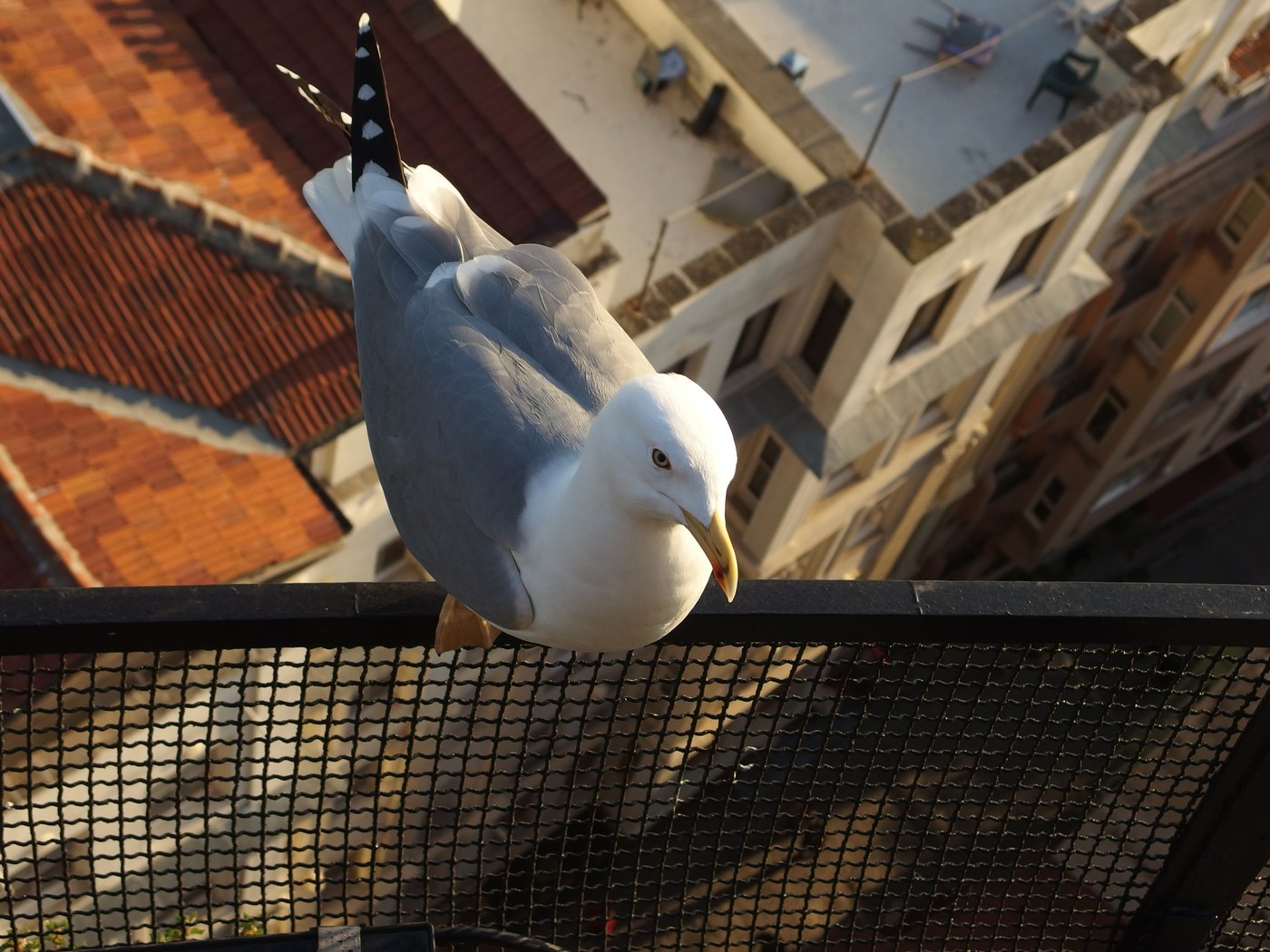
Yellow-legged Gull
Body, wing covert, and flight feathers