

Cape Crow
Corvus capensis
A slender, all-black crow of southern and eastern Africa's open grasslands, notable for its long, thin bill.
- Feather type
- Contour and flight feathers
- Colours
- Uniform glossy black
- Bird size
- Medium-large crow, ~48-50 cm
Found a feather like this?
Identify any feather from a photo, free.
Overview
Overview
The Cape Crow, also called the Cape Rook, is a glossy black corvid found across open grassland and farmland in southern and eastern Africa. It is more closely tied to open country than forest or dense woodland.
Its slender, elongated bill is a notable feature that helps separate it from other African crow species when observed closely.
Identifying the Feather
Feather Identification
Feathers are uniformly glossy black with a purplish or greenish sheen visible in strong light, without any white or grey patches.
- Flight feathers: Long, fairly narrow primaries suited to sustained flight over open country.
- Tail feathers: Squared, glossy black tail feathers.
- Overall build: Feathers tend to reflect a slimmer, more streamlined body shape than the bulkier Pied Crow.
- Similar species: Distinguished from Pied Crow by lacking any white patch, and from White-necked Raven by lacking a white nape patch; overall slimmer feather proportions compared to true ravens.
Plumage & Molt
Plumage Notes
Adults are entirely glossy black with no seasonal plumage changes. Juveniles appear duller and less glossy, gradually acquiring full adult sheen.
Males and females are alike in plumage. An annual complete molt follows breeding, refreshing feather condition and gloss.
Habitat & Range
Habitat & Range
Cape Crows favor open grassland, farmland, and semi-arid savanna across southern and eastern Africa, generally avoiding dense forest. They are often found in agricultural landscapes where food is more readily available.
The species is largely resident, though local movements can occur in response to food and rainfall patterns.
Behavior & Field Notes
Behavior & Field Notes
This crow is often seen foraging on open ground, sometimes in loose flocks, particularly around farmland and grazing areas. Its diet is broad and opportunistic, typical of open-country corvids.
Nests are stick platforms built in isolated trees, a notable feature in otherwise treeless grassland. The call is a harsh caw, generally described as somewhat higher-pitched than larger African corvids. Its slender bill and open-country habits are useful field cues.
Frequently asked questions
How do you tell Cape Crow feathers from Pied Crow feathers?
Cape Crow feathers are entirely glossy black with no white patch, while Pied Crow feathers show a bold white band across the breast and collar.
Does the Cape Crow have any white in its plumage?
No, this species is uniformly black at all ages, unlike some other African corvids that show white patches.
What habitat does the Cape Crow prefer?
It favors open grassland, farmland, and semi-arid savanna across southern and eastern Africa, generally avoiding dense forest.
Is the Cape Crow migratory?
It is mostly resident, though it may shift locally in response to food availability and rainfall.
Cape Crow guides
In-depth guides for identifying and understanding Cape Crow.

Other feathers you may enjoy

Yellow-billed Magpie
Contour, wing, and tail feathers

White-throated Magpie-Jay
Contour, wing, and tail feathers

White-necked Crow
Contour and flight feathers

Slender-billed Crow
Contour and flight feathers

Sinaloa Crow
Contour and flight feathers

Siberian Jay
Contour, wing, and tail feathers

Yellow-billed Blue Magpie
Contour, wing, and tail feathers
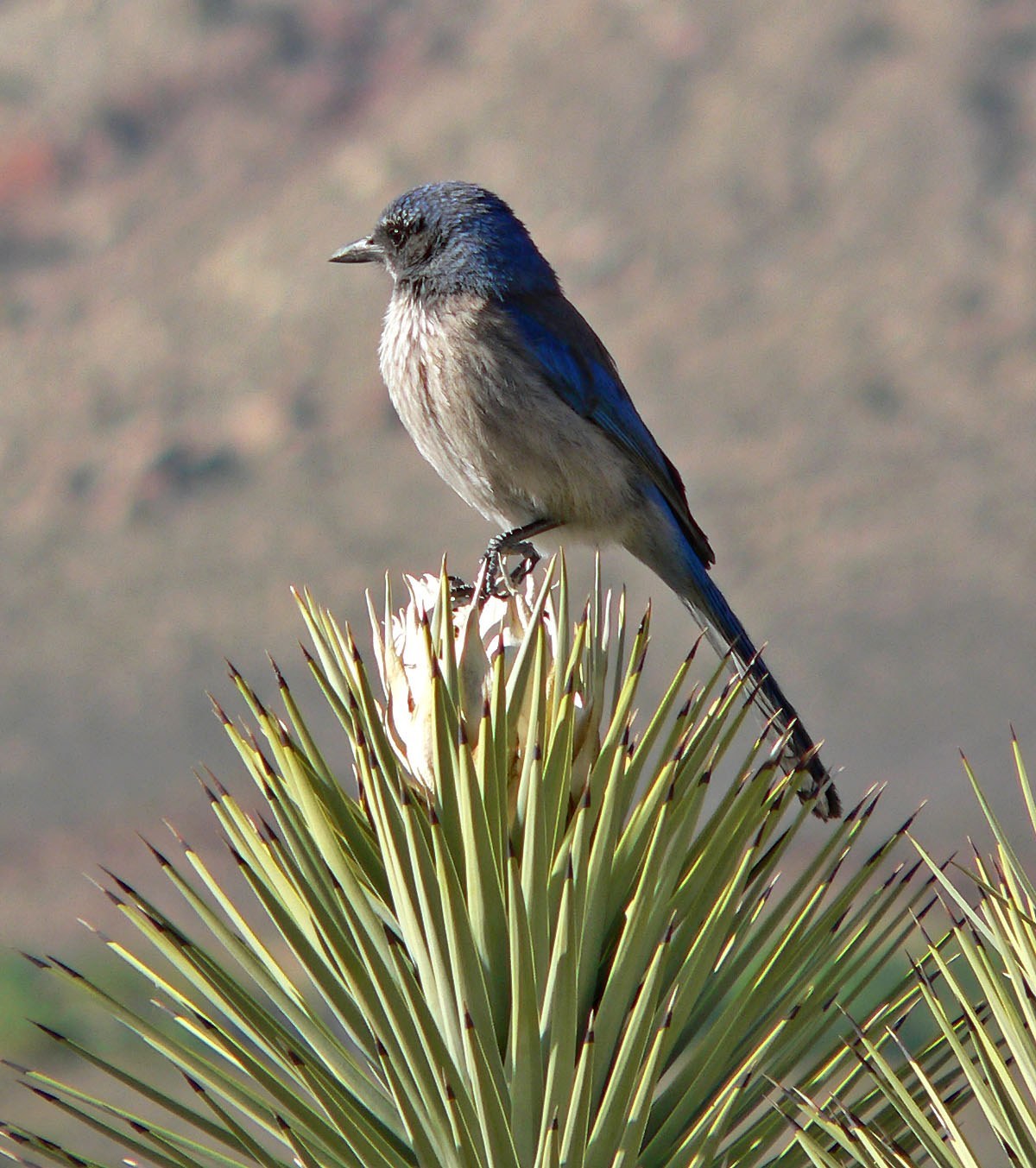
Woodhouse's Scrub-Jay
Contour and flight feathers
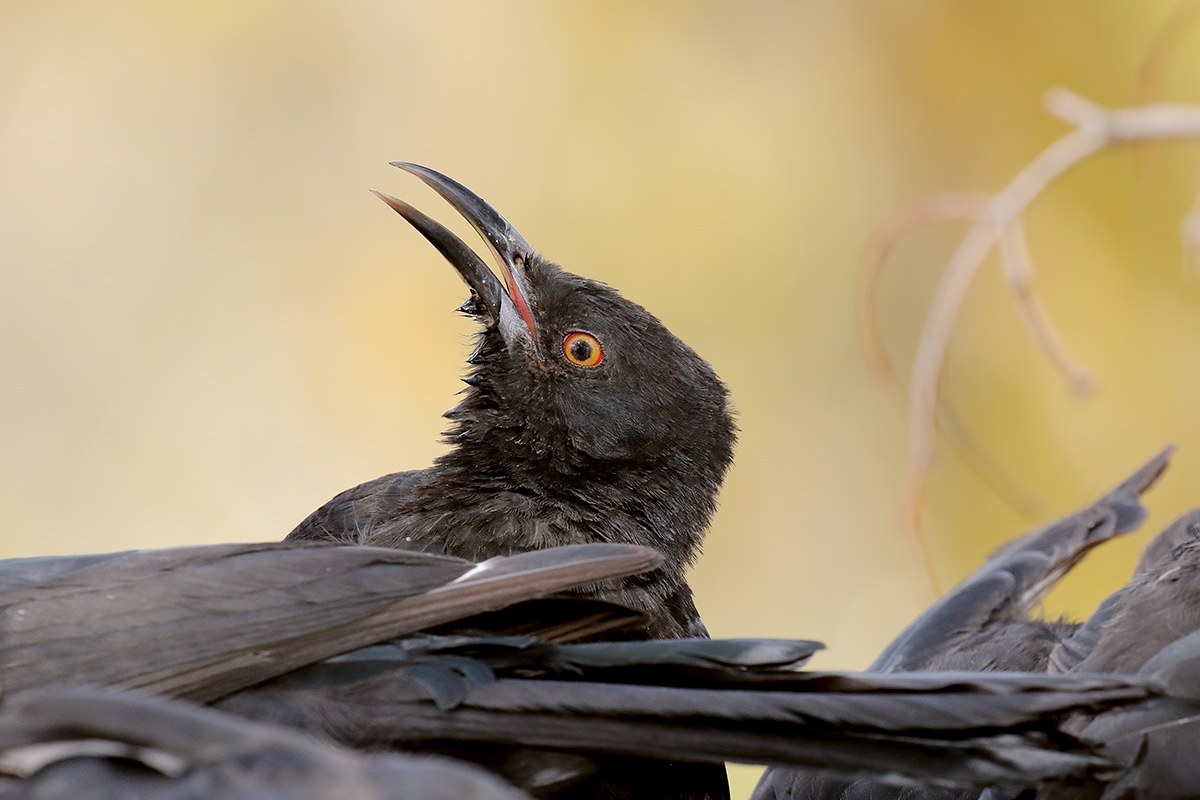
White-winged Chough
Contour and flight feathers

Rufous Treepie
Long, graduated tail feathers; loose body contour feathers

Thick-billed Raven
Contour and flight feathers
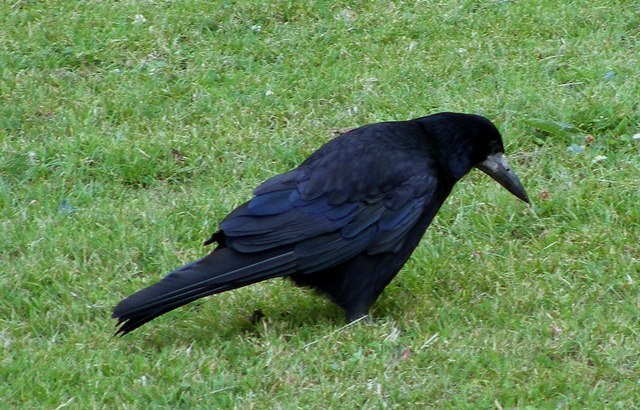
Rook
Glossy purple-black flight and body feathers; loose, shaggy thigh (leg) feathers