

Brown Pelican
Pelecanus occidentalis
A large, dark-bodied pelican of coastal waters, known for its spectacular plunge-diving and a head and neck that change color dramatically with the breeding season.
- Feather type
- Large body feathers and broad flight feathers
- Colours
- Dark brownish-gray body, silvery-gray wing coverts, variable head/neck color by season
- Bird size
- Very large, ~106-137 cm
Found a feather like this?
Identify any feather from a photo, free.
Overview
Overview
The Brown Pelican is a large, familiar coastal seabird, distinguished from the American White Pelican by its dark brownish-gray body plumage rather than white. It is well known for diving directly into the water from the air to catch fish, a technique unusual among pelicans.
Its head and neck coloring change strikingly with the breeding season, shifting between white, yellow, and rich chestnut tones, so feathers collected at different times of year can show quite different head plumage colors from the same individual.
Identifying the Feather
Brown Pelican feathers combine dark body tones with more silvery wing coverts.
- Body feathers: Dark grayish-brown across the back, breast, and belly.
- Wing coverts: Paler silvery-gray, providing some contrast against the darker body and flight feathers.
- Flight feathers: Dark blackish-brown, large and broad given the bird's size.
- Head and neck feathers: Highly variable by season; white or pale yellow during nonbreeding, becoming a rich chestnut-brown on the hindneck with a whitish crown during breeding condition.
- Compared to American White Pelican: Brown Pelican feathers are dark overall, unlike the predominantly white body feathers with only black flight feathers seen in the American White Pelican.
Plumage & Molt
Adults have a dark grayish-brown body with silvery-gray wing coverts, and a head and neck that shift seasonally: whitish or pale yellow with a dark hindneck in nonbreeding condition, developing a rich chestnut-brown hindneck and whitish-yellow crown in breeding condition. Sexes look alike. Juveniles are more uniformly grayish-brown overall with a dusky head and neck, gradually acquiring adult coloring over a few years.
Habitat & Range
Brown Pelicans inhabit coastal waters, estuaries, bays, and beaches along the Atlantic, Gulf, and Pacific coasts of the Americas, rarely venturing far from shore or into freshwater habitats. Populations are generally resident to short-distance migratory, with some northern populations shifting south in winter, while others remain in warmer coastal areas year-round.
Behavior & Field Notes
This pelican is well known for its spectacular plunge-diving, dropping from the air directly into the water to catch fish in its expandable throat pouch, a technique that distinguishes it from most other pelican species that feed while swimming. It nests colonially on coastal islands, in trees, shrubs, or on the ground, building a bulky stick nest, and typically raises two to three chicks. Calls are generally low and croaking, given mainly at breeding colonies, as adults are largely silent elsewhere.
Frequently asked questions
How can I tell a Brown Pelican feather from an American White Pelican feather?
Brown Pelican body feathers are dark grayish-brown throughout, while American White Pelican has predominantly white body feathers with black restricted to the flight feathers.
Why do Brown Pelican head feathers vary so much in color?
The head and neck plumage shifts seasonally between whitish/yellow nonbreeding tones and a rich chestnut-brown breeding coloration, so feathers can look quite different depending on when they were collected.
What feather feature is distinctive about Brown Pelican wings?
The wing coverts are notably paler silvery-gray compared to the darker body and blackish-brown flight feathers.
Where would a Brown Pelican feather likely be found?
Along coastal beaches, estuaries, and bays of the Atlantic, Gulf, and Pacific coasts of the Americas, especially near colonial nesting sites.
Brown Pelican guides
In-depth guides for identifying and understanding Brown Pelican.

Brown Pelican identified by the community
Real feathers identified with Feather Identifier.


Other feathers you may enjoy

Western Gull
Body, flight, and tail feathers
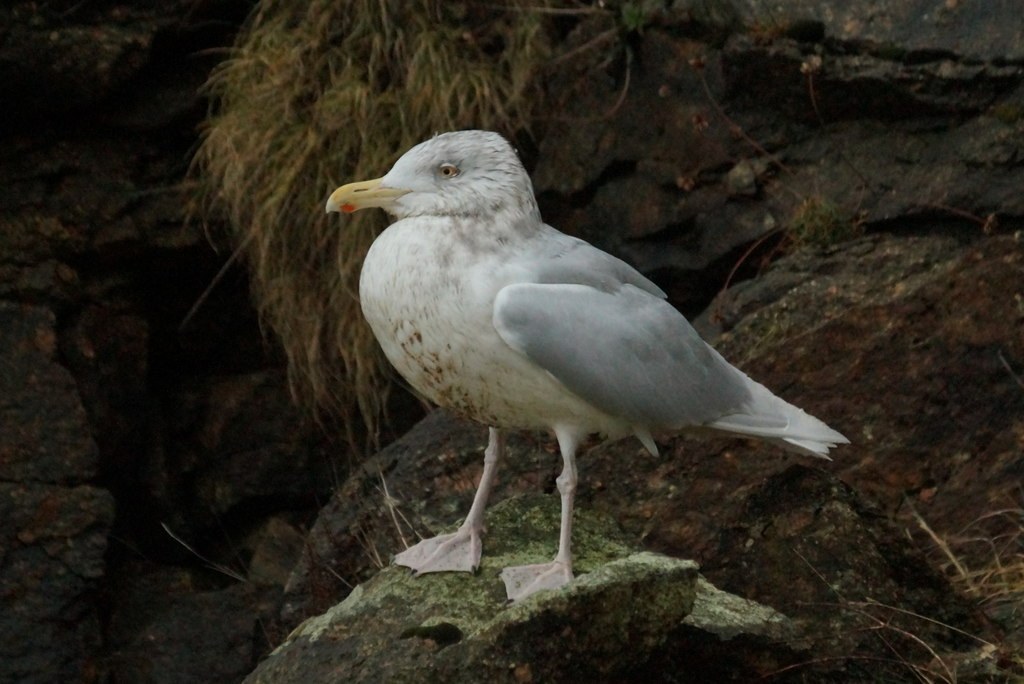
Glaucous Gull
Body, flight, and tail feathers

American Herring Gull
Body, flight, and tail feathers

Great Black-backed Gull
Body, flight, and tail feathers

Common Gull
Body, flight, and tail feathers
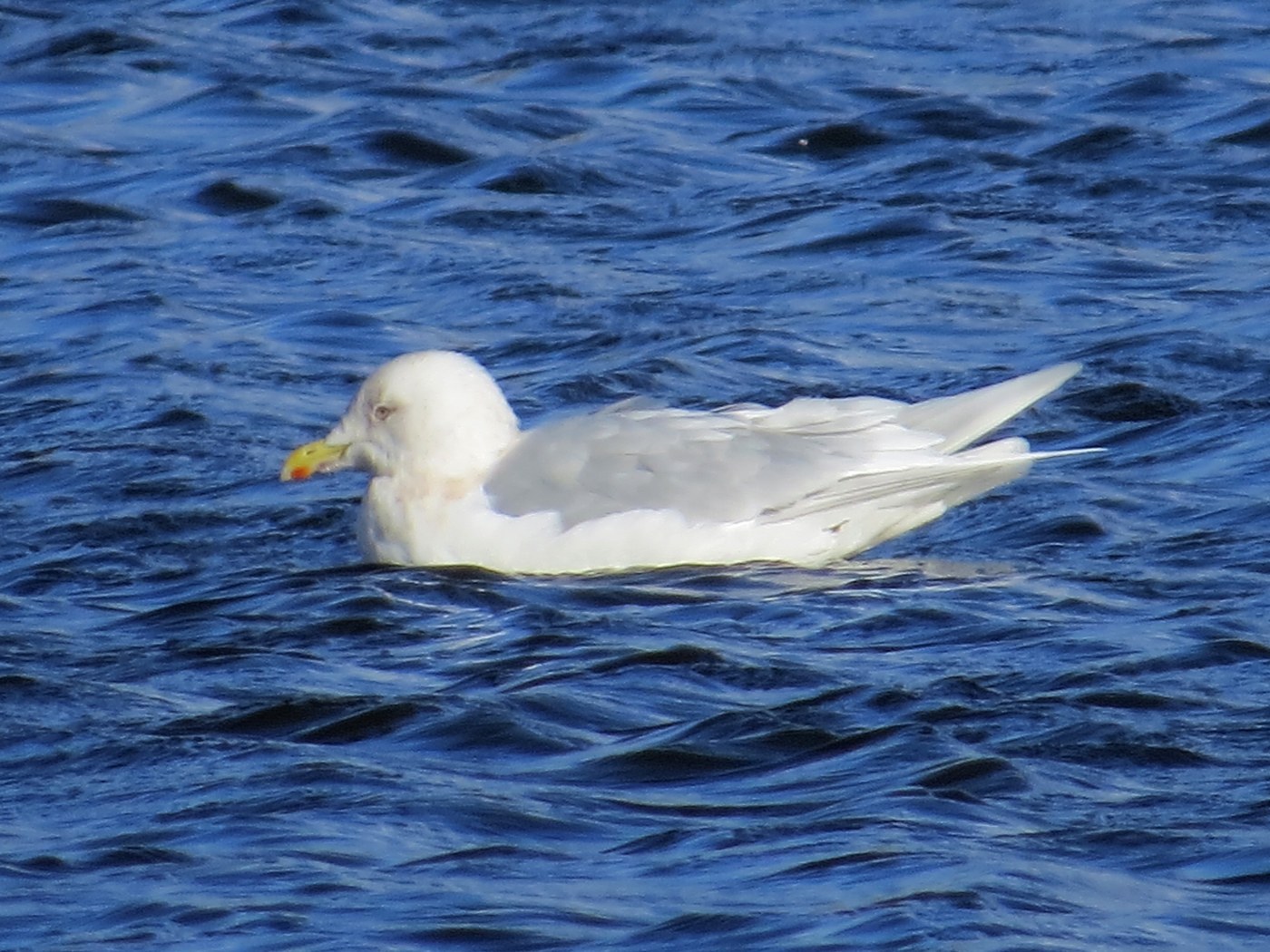
Iceland Gull
Body, flight, and tail feathers

Ring-billed Gull
Body, flight, and tail feathers

Glaucous-winged Gull
Body, flight, and tail feathers

Herring Gull
Body, flight, and tail feathers

Lesser Black-backed Gull
Body, flight, and tail feathers

California Gull
Body, flight, and tail feathers
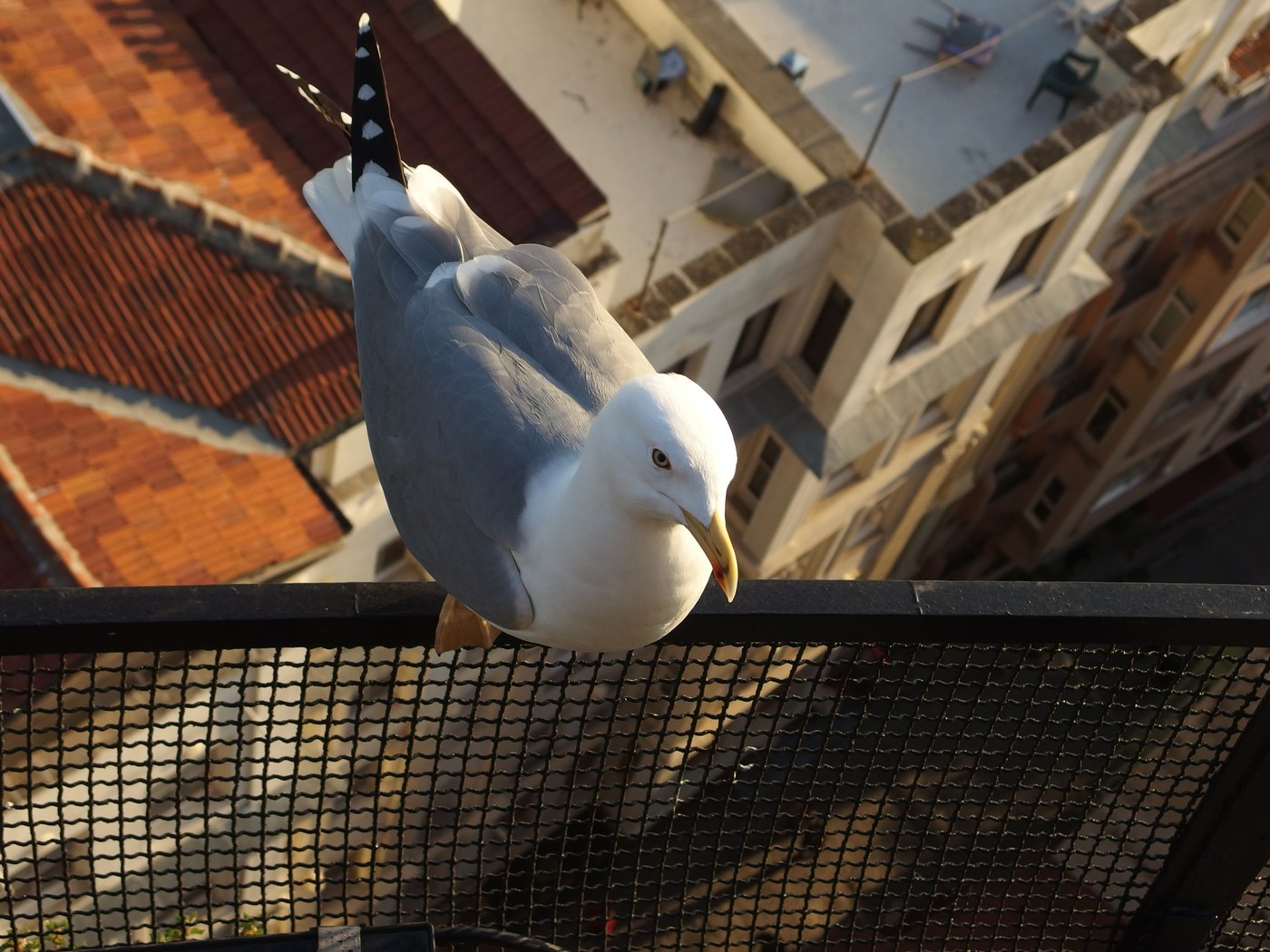
Yellow-legged Gull
Body, wing covert, and flight feathers