
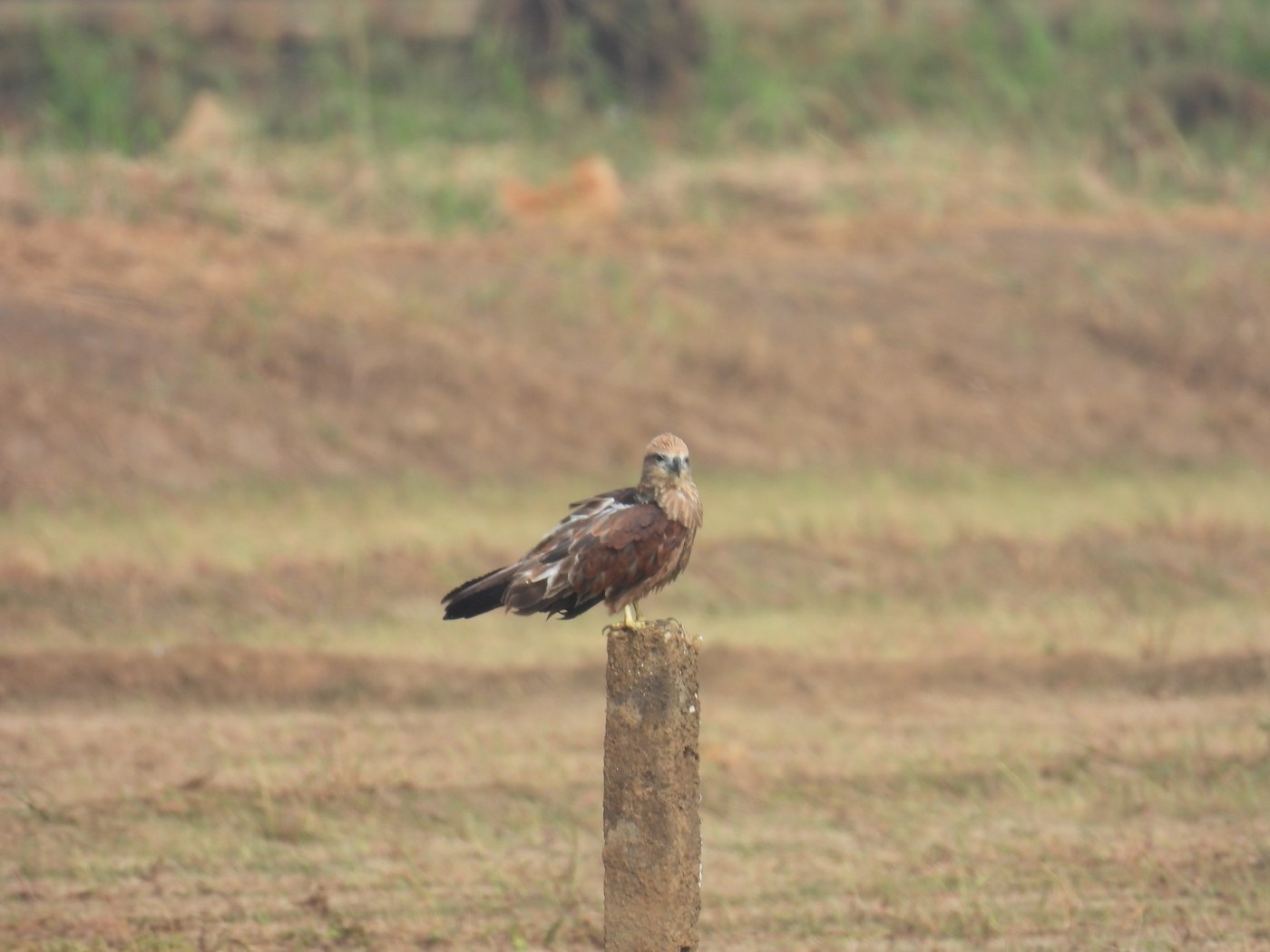
Brahminy Kite
Haliastur indus
A handsome coastal raptor with a crisp white head and breast set against warm chestnut wings and body, common along tropical shorelines of Asia and Australia.
- Feather type
- Broad rounded flight feathers; rounded tail feathers; soft contour feathers
- Colours
- Clean white head and breast contrasting with rich chestnut body and wing feathers
- Bird size
- Medium raptor, ~44-52 cm
Found a feather like this?
Identify any feather from a photo, free.
Overview
The Brahminy Kite is a familiar sight along coastlines, mangroves, and rivers across South and Southeast Asia, and northern Australia. Its clean white head contrasting with rich chestnut-brown body and wings makes it one of the more colorful and easily recognized kites.
Unlike many kites, it has a rounded, unforked tail, and it is often seen soaring on thermals over harbors, fishing villages, and tidal flats.
Its feathers show an unusual and pleasing combination of pure white and warm rufous-chestnut, rarely confused with other raptors in its range.
Identifying the Feather
Shape and Size
Wings are broad and rounded, the tail short and rounded rather than forked or notched, giving a compact silhouette in flight.
Color and Pattern
- Head, neck, and upper breast feathers: pure white with fine dark shaft streaks
- Body, back, and wing covert feathers: rich chestnut-brown, unbarred
- Flight feathers: chestnut with blackish wingtips
- Tail feathers: chestnut-brown, rounded tip, no banding
- Shafts: dark on chestnut feathers, pale on white ones
Distinguishing from Similar Species
The sharp division between white head/breast feathers and solid chestnut body feathers, with a rounded (not forked) tail, distinguishes this kite from other Asian and Australian raptors, most of which show streaking or barring rather than solid chestnut.
Plumage & Molt
Adults show a white head and breast against chestnut body and wings; sexes look alike. Juveniles are largely dark brown with streaking and take two to three years to acquire the full white-headed adult plumage.
Molt proceeds gradually and is not strongly tied to a single season across its broad tropical and subtropical range.
Habitat & Range
Common along coasts, estuaries, mangroves, and rivers across the Indian subcontinent, Southeast Asia, New Guinea, and northern and eastern Australia.
Most populations are resident, with only local movements related to food availability and tides.
Behavior & Field Notes
Feeds opportunistically on fish, crabs, and carrion found along shorelines and tidal flats, often snatching food from the water's surface in flight or scavenging near fishing boats.
Builds a stick nest in a tall tree, often near water. Calls are a distinctive down-slurred, mewing whistle, often given in flight.
A feather split cleanly between white and chestnut, or a solid rounded chestnut tail feather, found near a coast or mangrove in South or Southeast Asia or Australia, indicates this species.
Frequently asked questions
What is the clearest feature separating this from other kites?
The sharp white head/breast against solid chestnut body, combined with a rounded rather than forked tail, is distinctive within its range.
Do juveniles show the white head right away?
No, juveniles are mostly dark brown and streaked, gradually developing the white head and chestnut body over a couple of years.
Where would I likely find this feather?
Coastal areas, mangroves, harbors, and rivers throughout South and Southeast Asia, and northern Australia.
Is the tail forked like many other kites?
No, unlike Swallow-tailed or Snail Kites, the Brahminy Kite has a rounded, unforked tail.
Brahminy Kite guides
In-depth guides for identifying and understanding Brahminy Kite.
Brahminy Kite identified by the community
Real feathers identified with Feather Identifier.

Other feathers you may enjoy

Australian Hobby
Long, narrow pointed flight feathers; slender tail feathers

California Condor
Massive flight feathers; long broad primaries; large tail feathers

Brown Falcon
Broad, rounded flight feathers; variable-toned contour feathers
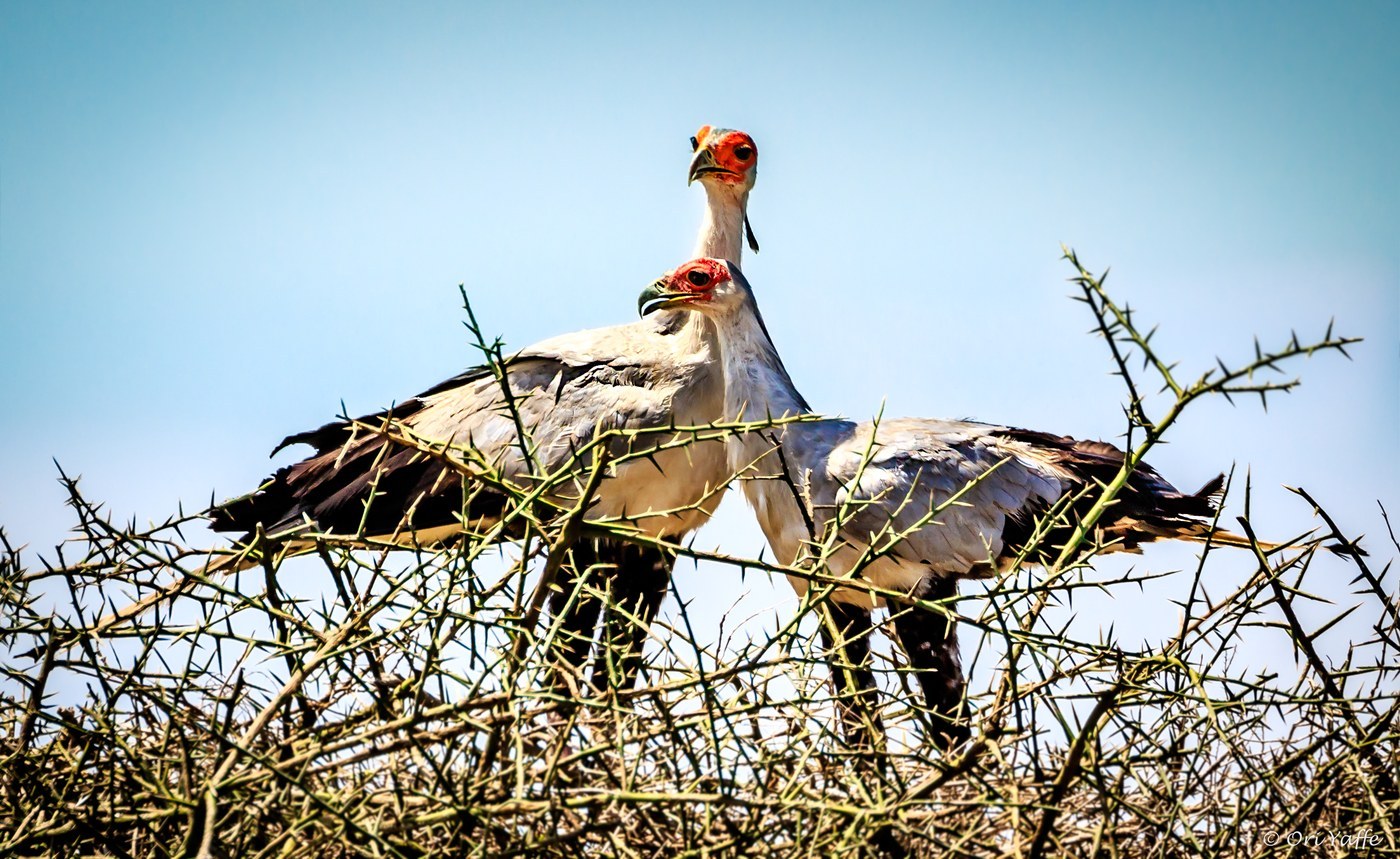
Secretarybird
Long crest feathers; broad flight feathers; elongated central tail feathers

Orange-breasted Falcon
Broad-based pointed flight feathers; bold breast and belly feathers
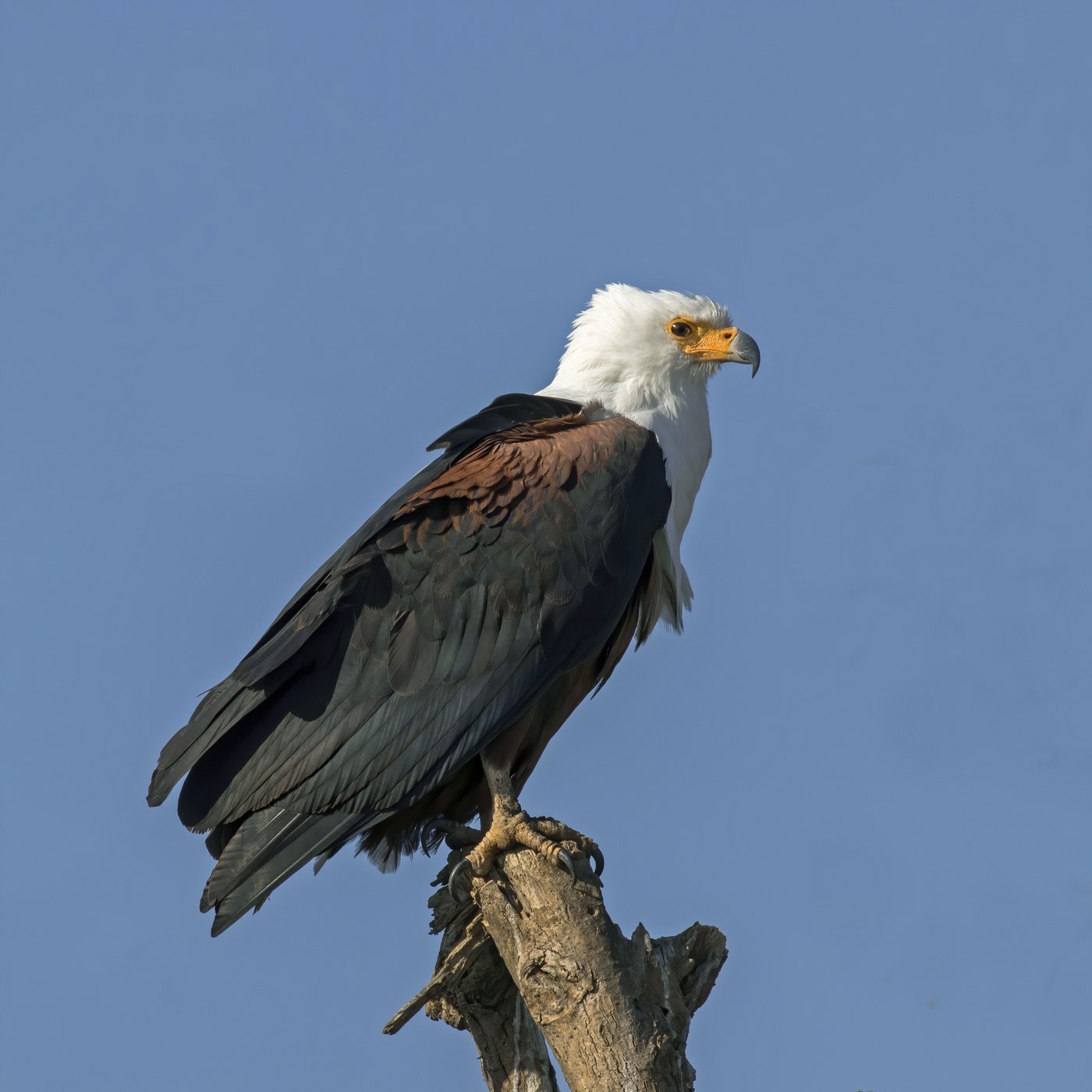
African Fish Eagle
Flight, tail, and body feathers

Amur Falcon
Slender pointed flight feathers; soft slate or orange-buff contour feathers
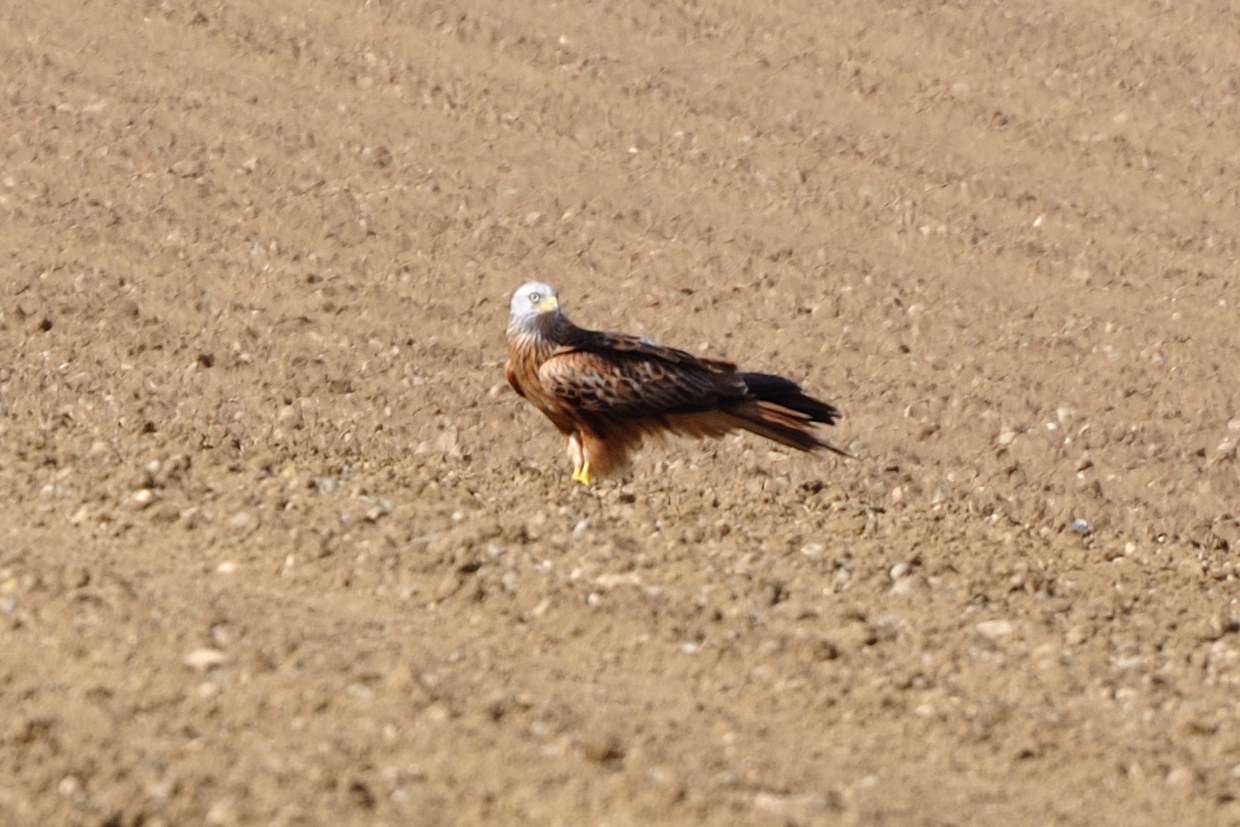
Red Kite
Flight (wing) and tail feathers
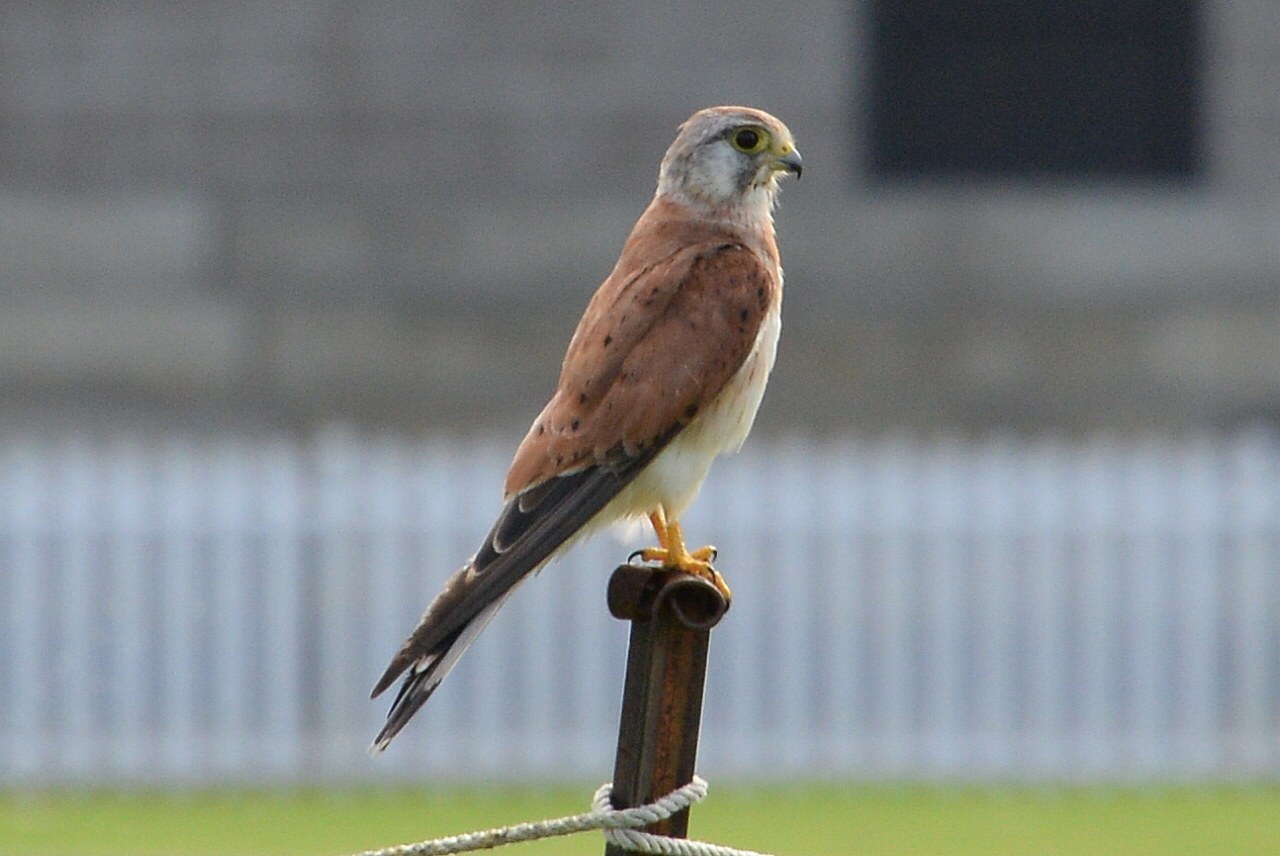
Nankeen Kestrel
Slim pointed flight feathers; lightly marked contour feathers

Andean Condor
Massive flight feathers; broad primaries and secondaries; sturdy tail feathers

Plumbeous Forest Falcon
Short rounded flight feathers; finely barred tail feathers

Sooty Falcon
Long pointed flight feathers; slim tail feathers