

Bonaparte's Gull
Chroicocephalus philadelphia
A dainty, tern-like gull of the North American boreal forest, notable as one of the few gulls that nests in trees, and identifiable by its crisp black hood and bright white wing wedge.
- Feather type
- Body, wing covert, and flight feathers
- Colours
- Pale gray mantle, white underparts, white outer-wing wedge with black trim
- Bird size
- Small gull, ~28-33 cm
Found a feather like this?
Identify any feather from a photo, free.
Overview
Overview
Bonaparte's Gull is a small, delicate gull that breeds in the boreal forests of Canada and Alaska, an unusual habitat for a gull, and one of very few gull species to nest in trees rather than on the ground or cliffs. It is common along both coasts of North America in migration and winter, often gathering in flocks over bays, estuaries, and river mouths. Its light build, thin black bill, and buoyant, almost tern-like flight distinguish it readily from larger gulls sharing the same waters.
The species shows a bold white triangular wedge on the outer wing formed by pale outer primaries, bordered by a narrow black trailing edge, a pattern that flashes conspicuously as the bird wheels and dips to pick prey from the water's surface.
Identifying the Feather
Feather Identification
- Wing feathers: Outer primaries are white with narrow black tips, forming the diagnostic pale wedge on the upper wing that is bordered by a thin black trailing edge; under the wing the primaries appear translucent white.
- Size and shape: Primaries and secondaries are notably slender and lightweight, matching the species' small, agile build; wingtip feathers are more pointed than in most other small gulls.
- Mantle and covert feathers: Soft pale gray, unmarked, contrasting with white underparts and rump.
- Head feathers: Solid black in breeding adults (not brown as in Black-headed Gull), reduced to a dark spot behind the eye in nonbreeding plumage.
- Compared to similar species: The wing wedge closely resembles that of Black-headed Gull but Bonaparte's is smaller and lighter overall, with a thinner all-black bill lacking any red base, and a purer black (versus brown) hood.
Plumage & Molt
Plumage Details
Breeding adults show a solid black hood, pale gray mantle, white underparts, and a thin black bill with reddish-orange legs. In nonbreeding plumage the hood is lost, leaving a white head with a small dark ear-spot and a pale gray wash on the nape. Juveniles show brownish mottling on the back and upperwing coverts along with a dark tail band, molting into a gray-backed first-winter plumage that resembles the nonbreeding adult but retains some brown covert feathers and a darker trailing edge to the wing. Full adult plumage, including the crisp black hood, is attained in the second year. The molt into breeding plumage typically occurs in late winter to early spring before birds depart for boreal breeding grounds.
Habitat & Range
Habitat & Range
Bonaparte's Gull breeds in the boreal forest zone of Canada and Alaska, nesting singly or in loose groups in coniferous trees near ponds, lakes, and muskeg, a striking departure from the ground- or cliff-nesting habits of most gulls. In migration and winter it becomes strongly coastal and pelagic-edge, congregating over bays, harbors, tidal rips, and large inland lakes across much of North America. It is migratory, wintering along both the Pacific and Atlantic coasts as well as the Gulf of Mexico.
Behavior & Field Notes
Behavior & Field Notes
This species forages with light, buoyant flight, dipping to the surface to pick up small fish, aquatic invertebrates, and insects, often hovering briefly before striking, a technique more reminiscent of terns than of typical gulls. It gathers in large, active flocks over tide rips and river mouths, frequently associating with terns and other small gulls. Nesting is solitary or loosely colonial, with a shallow stick nest built in a conifer a short distance above the ground or water. The call is a soft, nasal, tern-like "cheer" or chattering note, quieter and less harsh than the calls of larger gulls. Its light build, quick wingbeats, and flashing white wing wedge are the best field clues at any distance.
Frequently asked questions
Why is it unusual that Bonaparte's Gull nests in trees?
Most gull species nest on the ground, cliffs, or islands, but Bonaparte's Gull breeds in boreal forest and typically places its stick nest in a conifer near water, a habit shared by very few other gulls.
How can I distinguish a Bonaparte's Gull feather from a tern feather?
Bonaparte's Gull feathers are proportionately broader and less needle-like than tern flight feathers, and the wing shows a bold white wedge bordered by black rather than the more uniform gray-and-white pattern typical of many terns.
Does the bill color help with identification?
Yes. Bonaparte's Gull has an entirely black, thin bill at all ages, distinguishing it from the reddish-based bill of the similar Black-headed Gull.
When is this species most visible along the coast?
Large numbers gather during migration and winter over tidal rips, harbors, and estuaries, often in mixed flocks with terns and other small gulls.
Bonaparte's Gull guides
In-depth guides for identifying and understanding Bonaparte's Gull.

Other feathers you may enjoy

Western Gull
Body, flight, and tail feathers
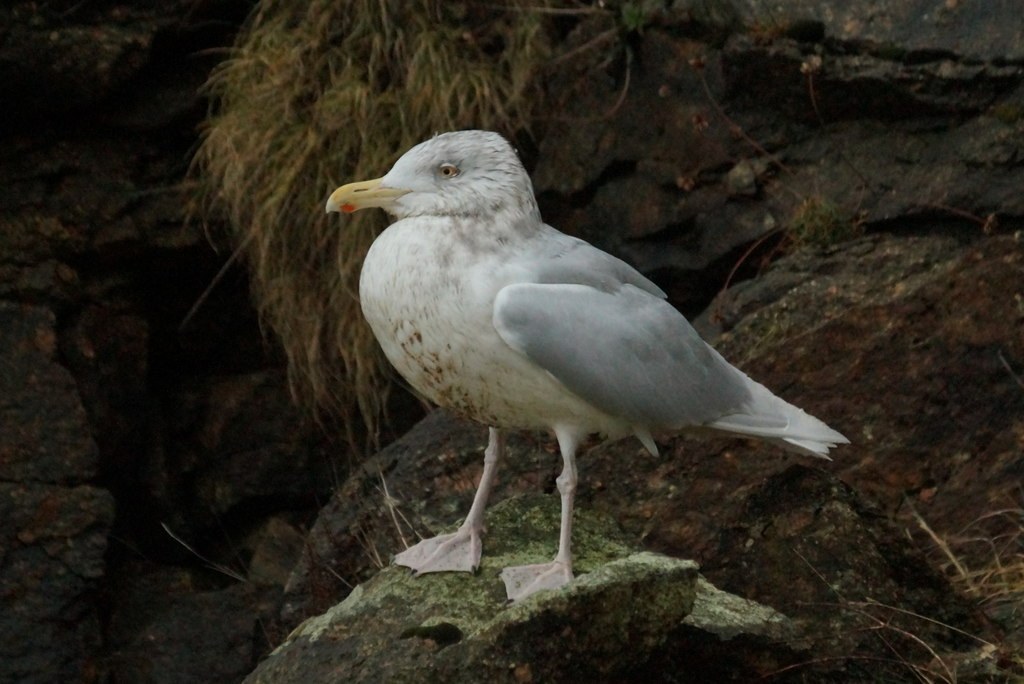
Glaucous Gull
Body, flight, and tail feathers

American Herring Gull
Body, flight, and tail feathers

Great Black-backed Gull
Body, flight, and tail feathers

Common Gull
Body, flight, and tail feathers
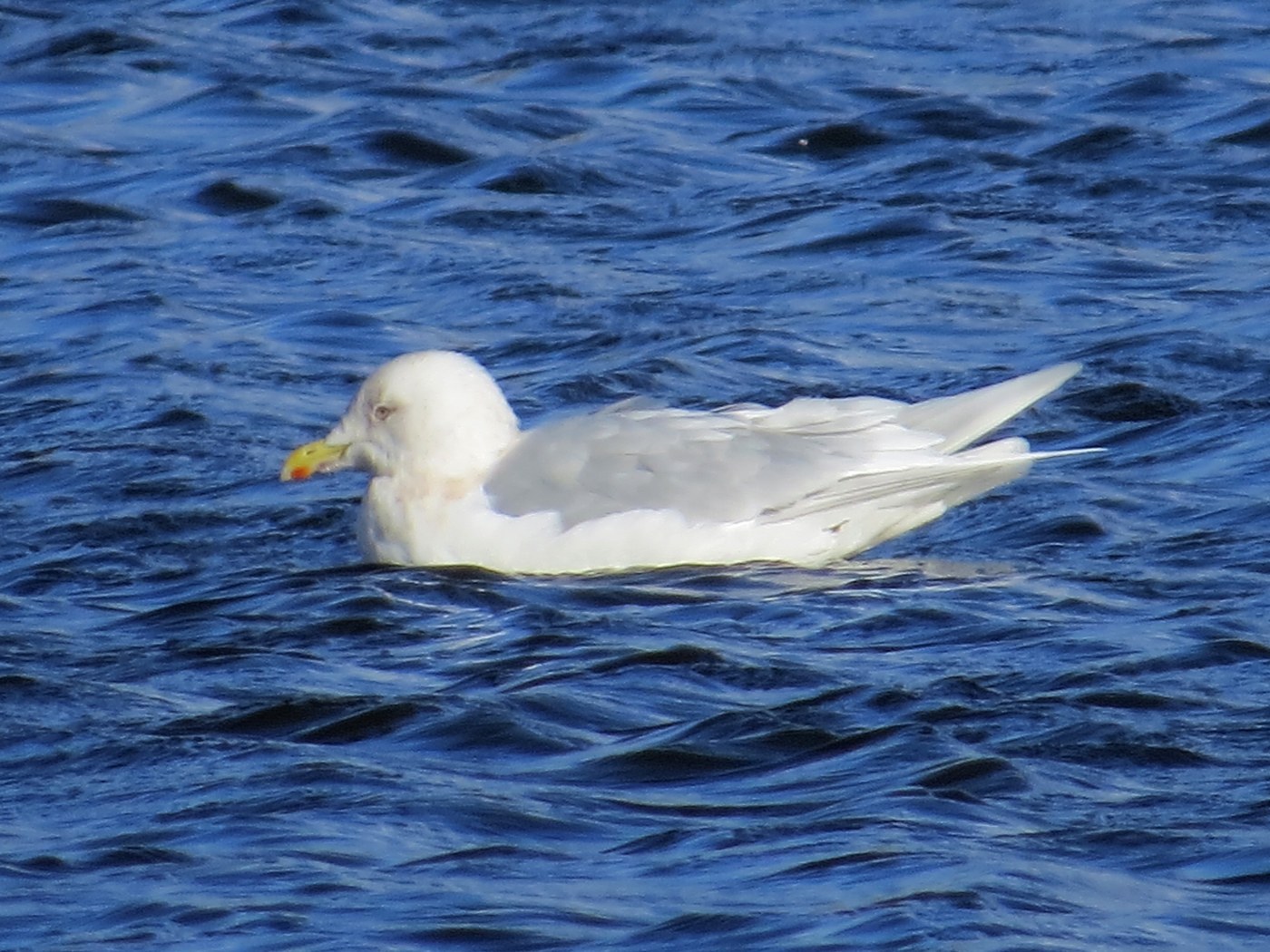
Iceland Gull
Body, flight, and tail feathers

Ring-billed Gull
Body, flight, and tail feathers

Glaucous-winged Gull
Body, flight, and tail feathers

Herring Gull
Body, flight, and tail feathers

Lesser Black-backed Gull
Body, flight, and tail feathers

California Gull
Body, flight, and tail feathers
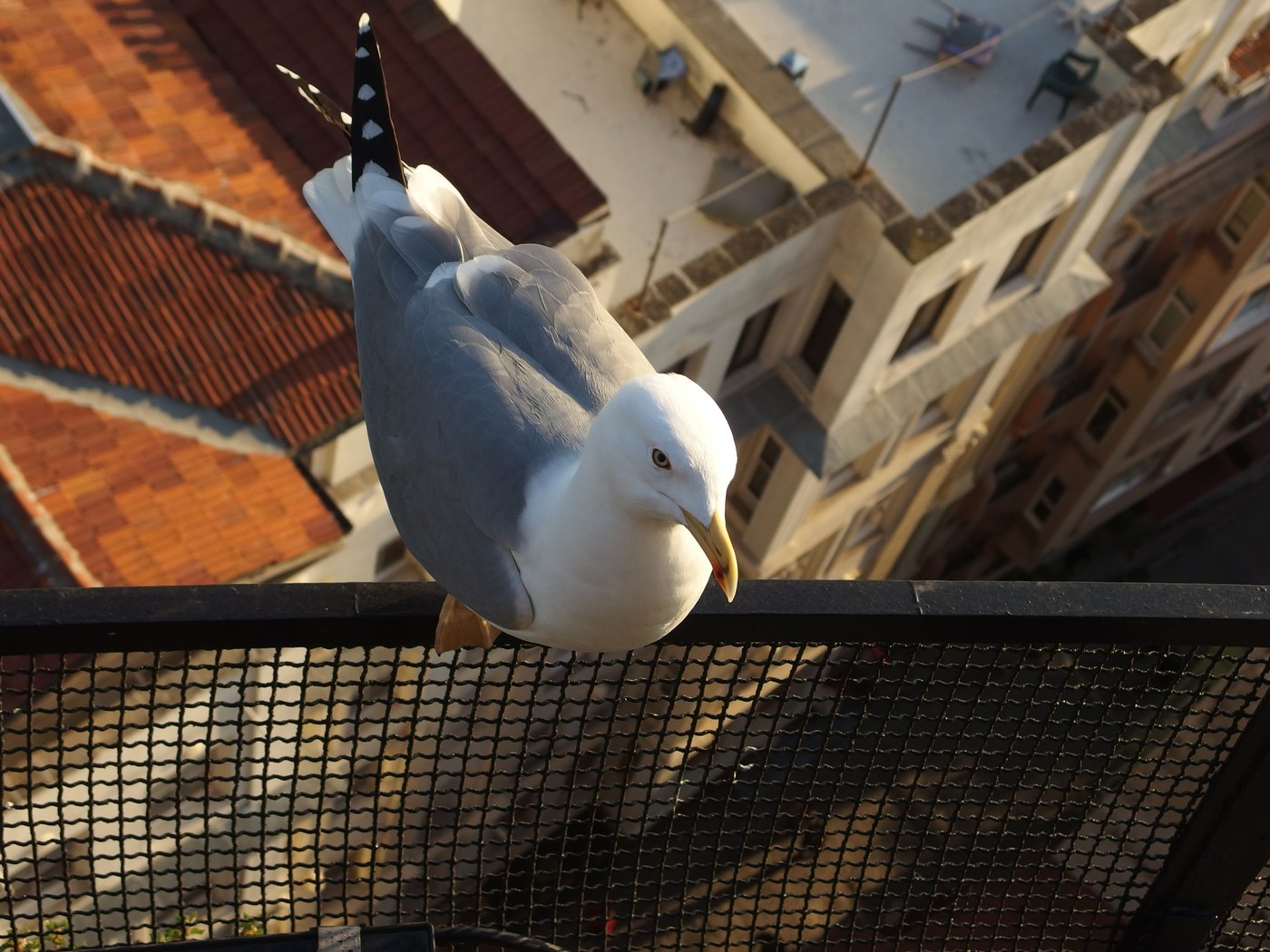
Yellow-legged Gull
Body, wing covert, and flight feathers