

Blue Jay
Cyanocitta cristata
The Blue Jay is a large, vocal corvid whose bold blue, black-barred, white-tipped wing and tail feathers are among the most instantly recognizable of any North American songbird.
- Feather type
- Bold black-barred blue wing & tail feathers; soft grayish-white body feathers; blue crest feathers
- Colours
- Bright blue with black barring and white spots/tips; whitish-gray underside
- Bird size
- Larger than a robin, ~25-30 cm
Found a feather like this?
Identify any feather from a photo, free.
Overview
Overview
The Blue Jay is a large, vocal member of the crow family found throughout eastern and central North America. Its wing and tail feathers are prized for their bold blue-black-and-white pattern, which is actually structural, not pigment, color created by microscopic feather structures scattering light.
Jays are bold, adaptable birds common in backyards, parks and forest edges, and their strikingly patterned feathers are among the easiest of any songbird to identify.
Identifying the Feather
Recognizing the Feathers
- Flight feathers (wings): vivid blue with crisp black barring and white tips, especially obvious on the secondaries
- Tail feathers: blue with black bars and white corners/tips, long and slightly rounded
- Body/crest feathers: soft grayish-blue to lavender-gray, unbarred
- Shafts: dark, blending into the black barring
The blue color washes out to gray-brown if the microscopic feather structure is damaged, but the black-and-white barring pattern remains a reliable identifier. No other common feeder bird combines blue, black bars, and white in this exact pattern.
Plumage & Molt
Plumage
Blue Jays show little difference between sexes; both have a blue crest, back and wings, a white face and underside, and a black necklace-like collar. Juveniles look similar to adults but are slightly duller. Adults undergo a complete molt in late summer, replacing all feathers including the showy wing and tail feathers.
Habitat & Range
Habitat & Range
Blue Jays are widespread across the eastern and central United States and southern Canada, in deciduous and mixed forests, woodland edges, parks and suburban neighborhoods. Northern populations may migrate short distances south in winter, but many individuals are year-round residents.
Behavior & Field Notes
Behavior & Field Notes
Jays are omnivorous, opportunistic feeders that cache acorns and seeds, visit feeders for peanuts and sunflower seed, and are known for loud, harsh calls as well as mimicry of hawk calls. They build twig nests in tree forks and are often bold and vocal around nest sites. Their feathers, especially the barred blue wing coverts, are frequently found beneath trees and shrubs after molting.
Frequently asked questions
Why is the blue color on a Blue Jay feather not really pigment?
It comes from microscopic structures in the feather that scatter light, so the blue can look gray-brown if the feather is crushed or wet.
How do I tell a Blue Jay feather from a Steller's Jay feather?
Blue Jay feathers show white barring/tips and a paler underside; Steller's Jay feathers are darker overall with a blackish crest and lack the white wing markings.
Do male and female Blue Jays have different colored feathers?
No, the sexes look essentially alike in plumage.
What does a Blue Jay tail feather look like?
Long, blue with bold black bars and white corners at the tip.
Blue Jay guides
In-depth guides for identifying and understanding Blue Jay.

Blue Jay identified by the community
Real feathers identified with Feather Identifier.


Other feathers you may enjoy

Yellow-billed Magpie
Contour, wing, and tail feathers

White-throated Magpie-Jay
Contour, wing, and tail feathers

White-necked Crow
Contour and flight feathers

Slender-billed Crow
Contour and flight feathers

Sinaloa Crow
Contour and flight feathers

Siberian Jay
Contour, wing, and tail feathers

Yellow-billed Blue Magpie
Contour, wing, and tail feathers
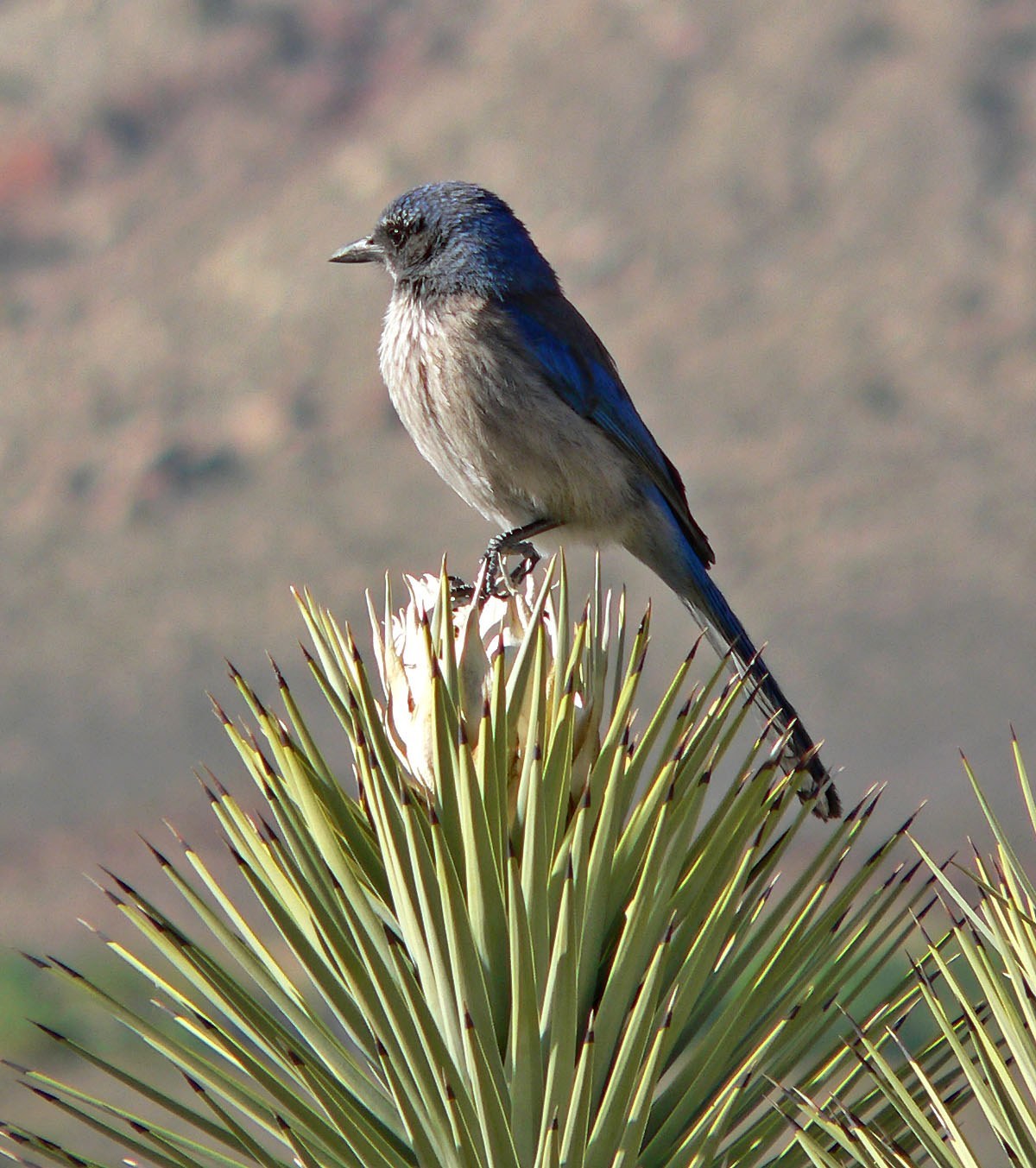
Woodhouse's Scrub-Jay
Contour and flight feathers
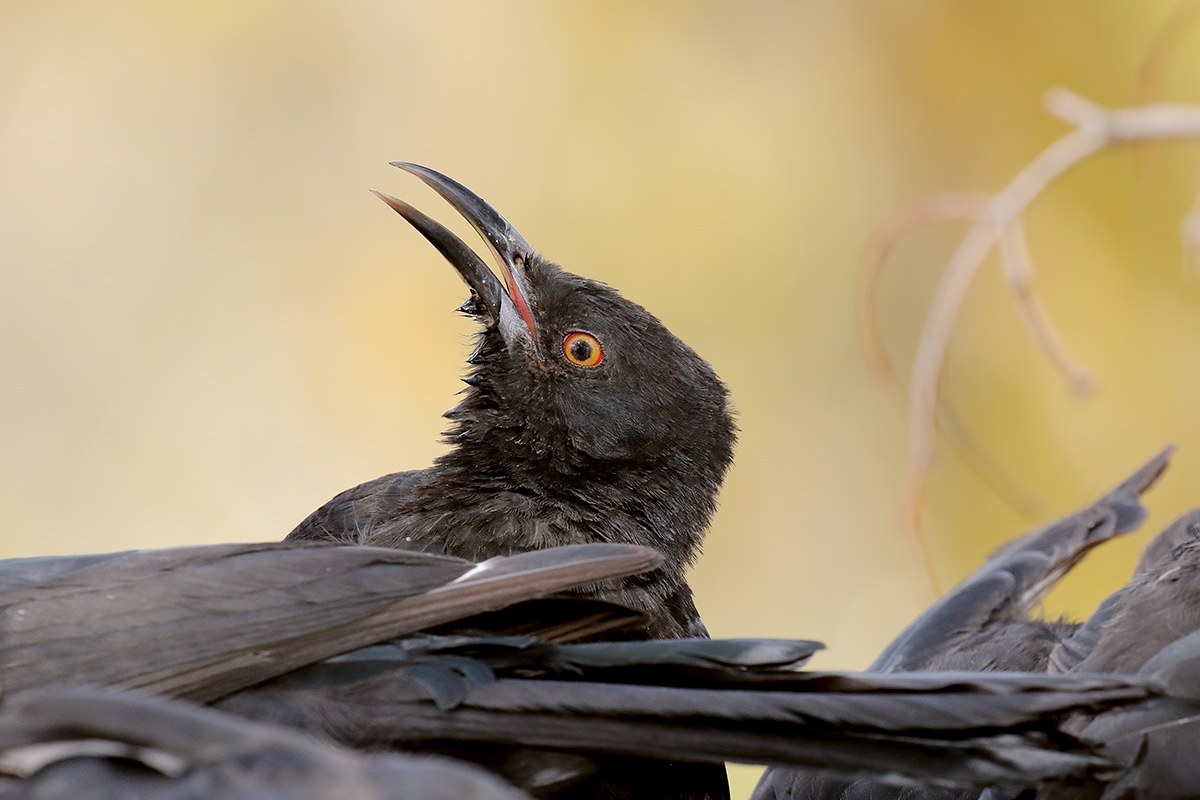
White-winged Chough
Contour and flight feathers

Rufous Treepie
Long, graduated tail feathers; loose body contour feathers

Thick-billed Raven
Contour and flight feathers
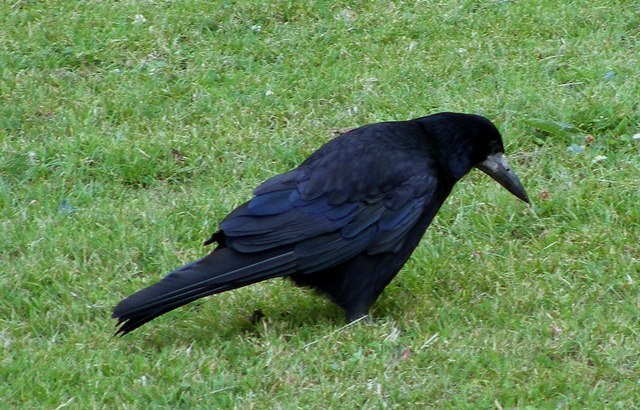
Rook
Glossy purple-black flight and body feathers; loose, shaggy thigh (leg) feathers