
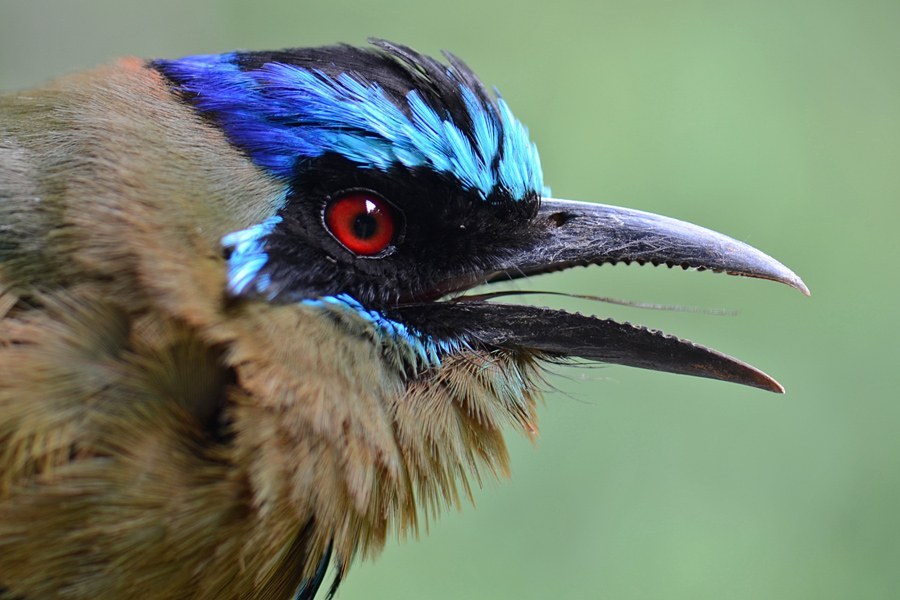
Blue-crowned Motmot
Momotus momota
A striking green forest bird with a blue crown outlined in black and a long tail ending in distinctive racket-shaped tips. It perches quietly and is best known for slowly swinging its tail like a pendulum.
- Feather type
- Soft contour feathers, with elongated central tail feathers ending in a bare shaft and racket-shaped tip
- Colours
- Green body plumage with a blue crown band bordered in black and a black facial mask
- Bird size
- Pigeon-sized, ~38-43 cm including tail
Found a feather like this?
Identify any feather from a photo, free.
Overview
Overview
The Blue-crowned Motmot is a quiet, striking bird of Central and South American forests, with an overall green plumage set off by a band of turquoise-blue across the crown, bordered in black, and a black mask through the eye. Its most distinctive feature is a long tail with a bare section of shaft near the tip leading to a small racket-shaped web, a trait shared by several motmot species. It often sits still on low perches, periodically swinging its tail from side to side.
Identifying the Feather
Feather Identification
- Body: Overall green plumage, brightest on the back and wings, duller olive on the underparts.
- Crown: A band of turquoise-blue feathers bordered by black crosses the crown, contrasting with a black mask through the eye.
- Tail: Central tail feathers are greatly elongated, with a bare section of shaft near the tip leading to a small racket-shaped web - a diagnostic feature among forest birds in its range.
- Wings: Short and rounded, green overall.
- Versus similar motmots: Other motmot species differ in the extent of blue on the crown and underparts and in racket-tail proportions; the combination of a black-bordered blue crown band and bare-shafted racket tail identifies this species.
Plumage & Molt
Plumage Notes
Sexes are similar in most subspecies. Juveniles are duller and shorter-tailed, not showing the full racket tips until after their first molt; the racket tips also develop partly through wear as the bird preens and the barbs near the tip fall away.
Habitat & Range
Habitat & Range
The Blue-crowned Motmot ranges from Mexico through Central America and much of South America. It inhabits humid forest understory, forest edge, and shaded plantations at low to mid elevations, and is largely resident.
Behavior & Field Notes
Behavior & Field Notes
Blue-crowned Motmots sit quietly on low-to-mid perches, periodically swinging their long tail side to side like a pendulum. They feed on insects, small vertebrates, and some fruit, taken in short sallies from a perch. Nests are built in burrows excavated into earthen banks, and the call is a low, resonant hooting note.
Frequently asked questions
Why does the Blue-crowned Motmot swing its tail?
It periodically swings its long racket-tipped tail side to side like a pendulum, a habit characteristic of motmots, though the exact function is debated.
What gives the motmot's tail its racket shape?
The central tail feathers have a bare section of shaft near the tip leading to a small paddle-shaped web, which develops partly through feather wear.
Where does the Blue-crowned Motmot live?
It occurs from Mexico through Central America and much of South America, in humid forest understory and forest edge.
What does the Blue-crowned Motmot eat?
It feeds on insects, small vertebrates, and some fruit, caught in short sallies from a perch.
Blue-crowned Motmot guides
In-depth guides for identifying and understanding Blue-crowned Motmot.

Other feathers you may enjoy

Common Cuckoo
Flight and body feathers
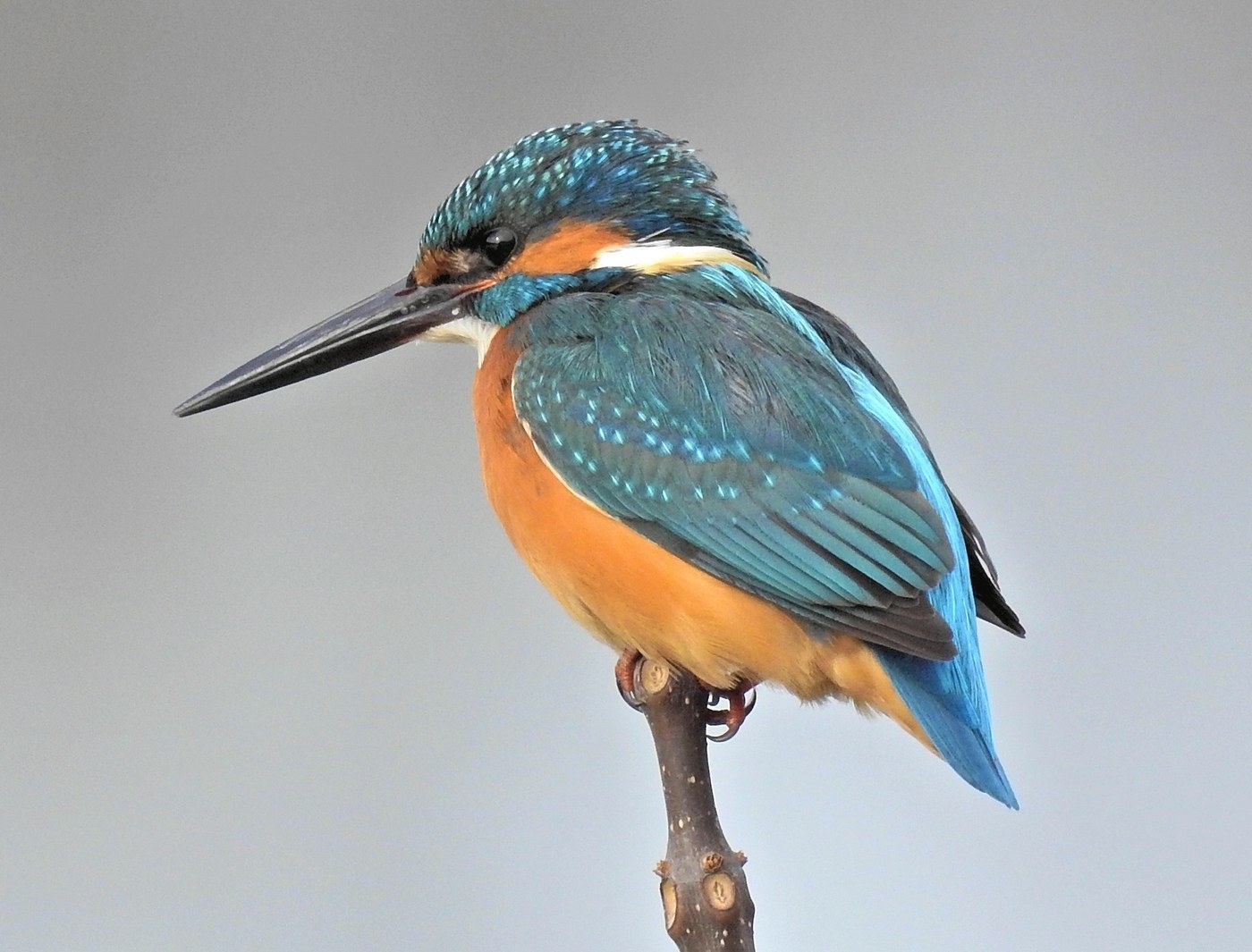
Common Kingfisher
Body (contour) and wing feathers
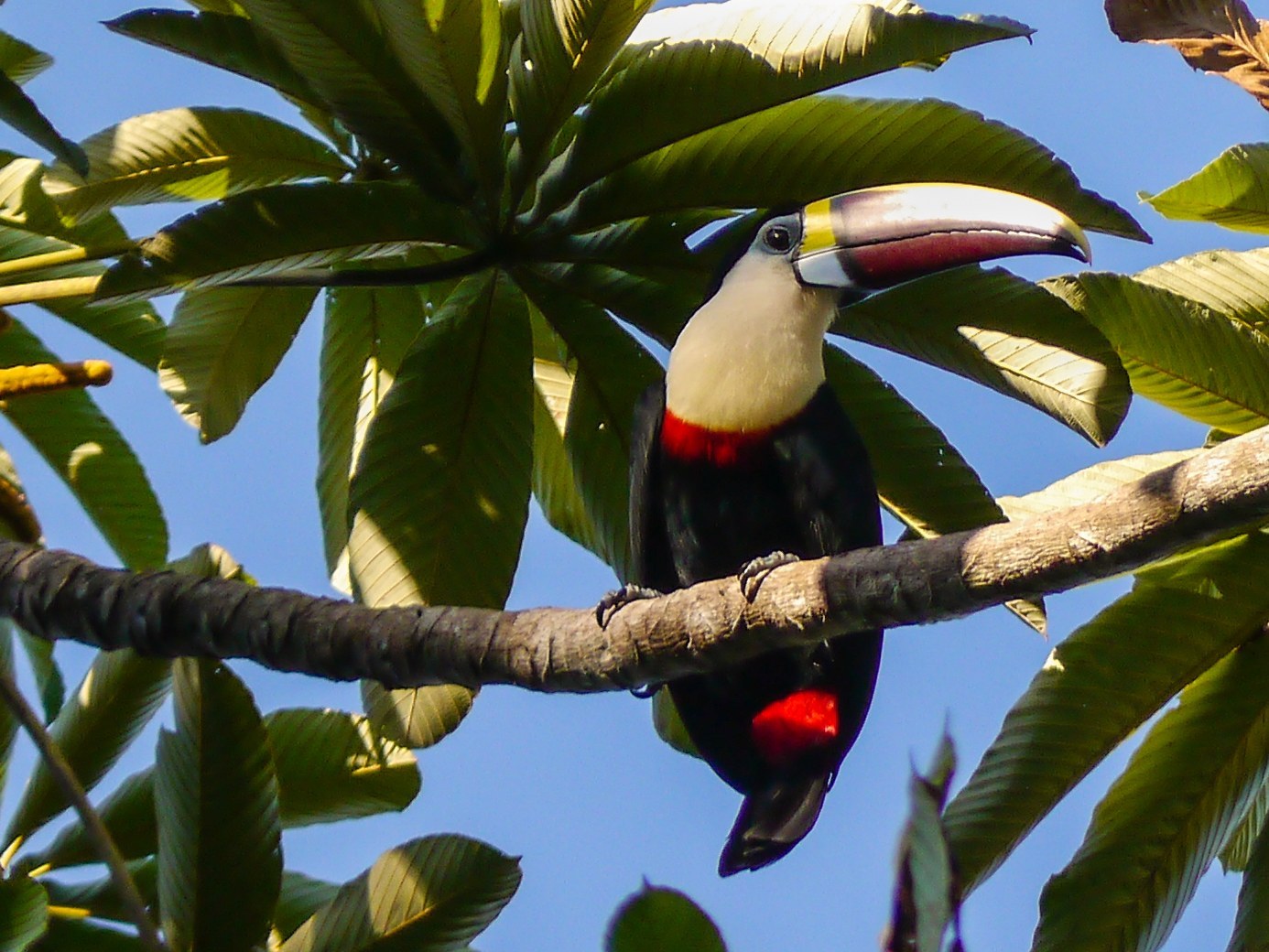
White-throated Toucan
Short rounded contour feathers, short broad wings
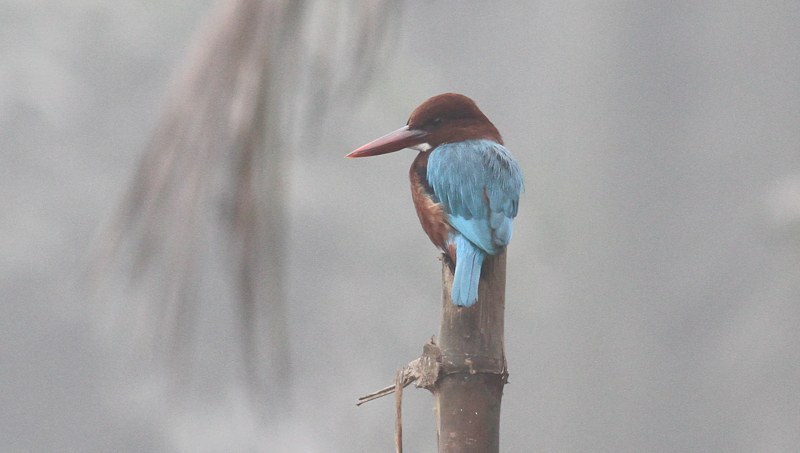
White-throated Kingfisher
Dense contour feathers; broad rounded wings

White-throated Bee-eater
Sleek, aerodynamic contour feathers; elongated central tail streamers
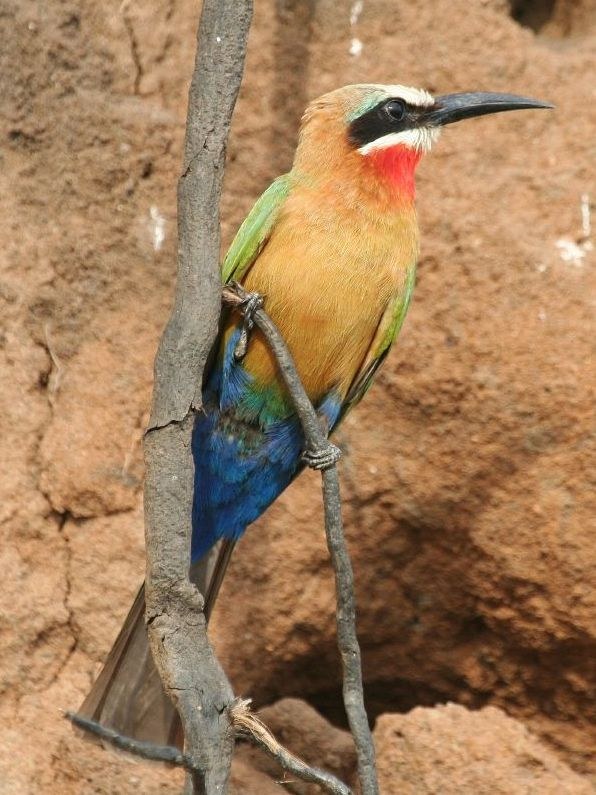
White-fronted Bee-eater
Sleek contour feathers; short tail with slight point

Southern Yellow-billed Hornbill
Slender contour feathers, moderate flight feathers
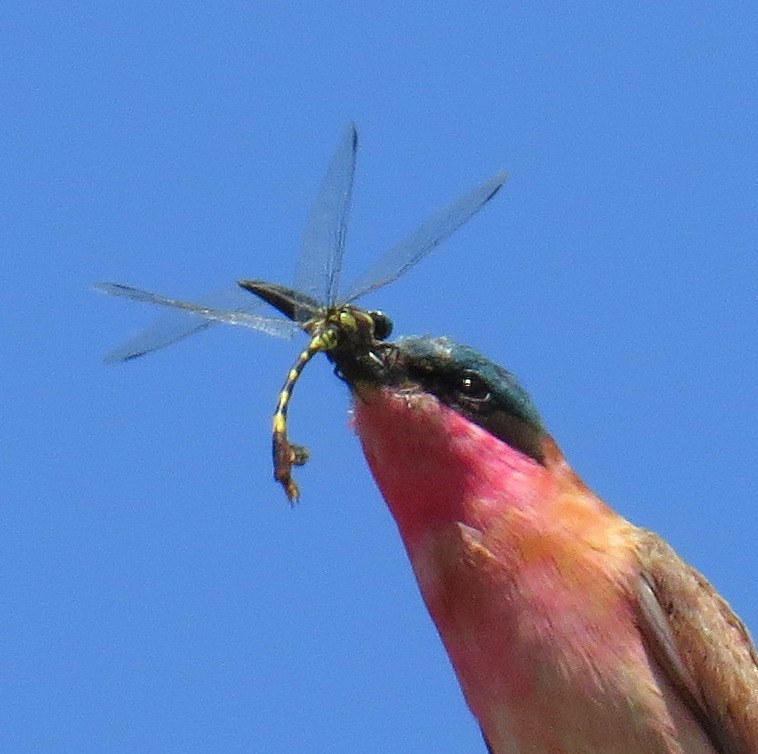
Southern Carmine Bee-eater
Sleek, pointed contour feathers; elongated central tail streamers
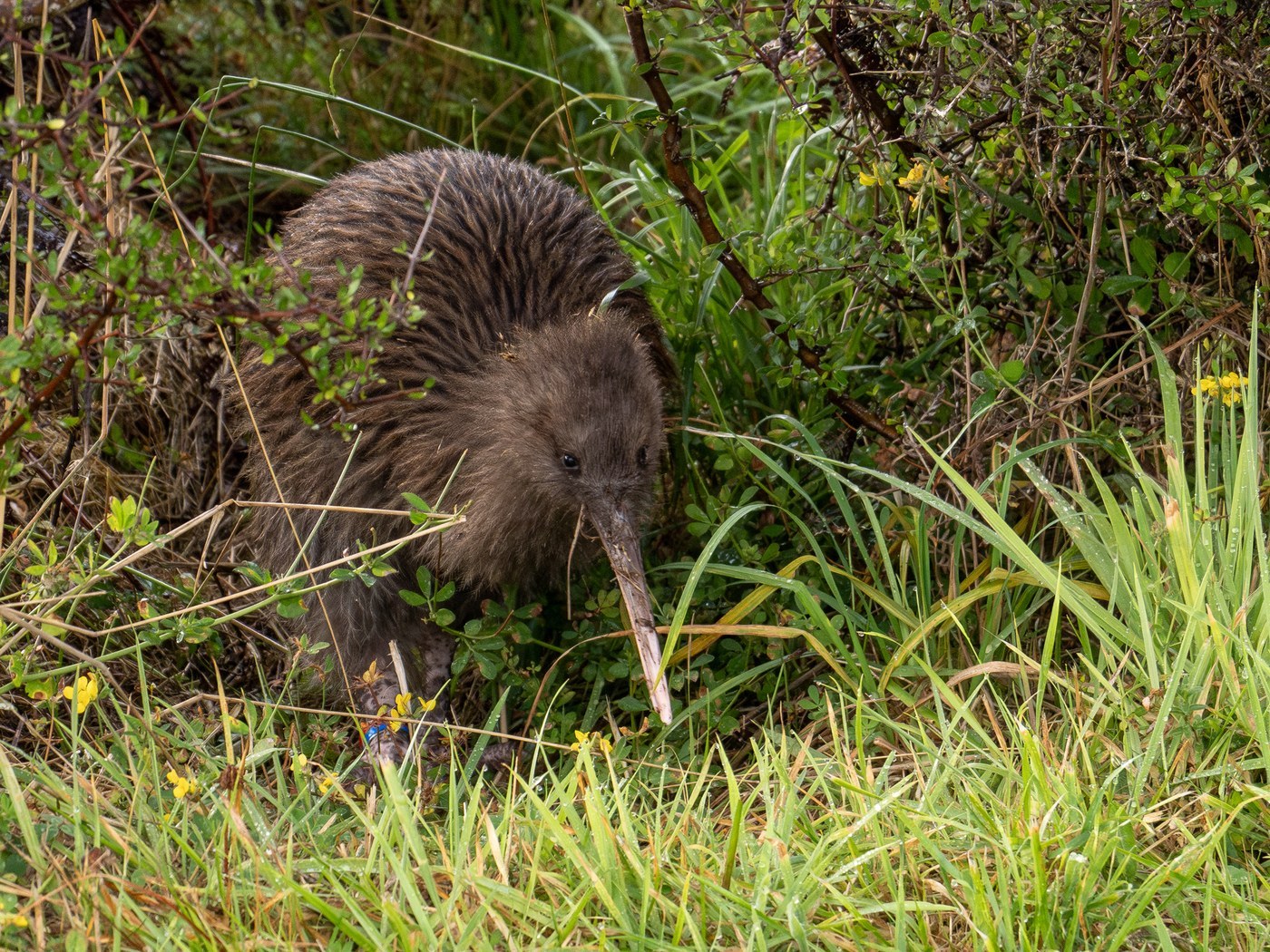
Southern Brown Kiwi
Shaggy, hair-like plumage with loose barbs lacking barbules; flightless, vestigial wings hidden beneath body feathers

Somali Ostrich
Loose, soft plumes lacking interlocking barbules

Wreathed Hornbill
Dense contour feathers, broad flight feathers

Woodland Kingfisher
Firm contour feathers; broad wing feathers