
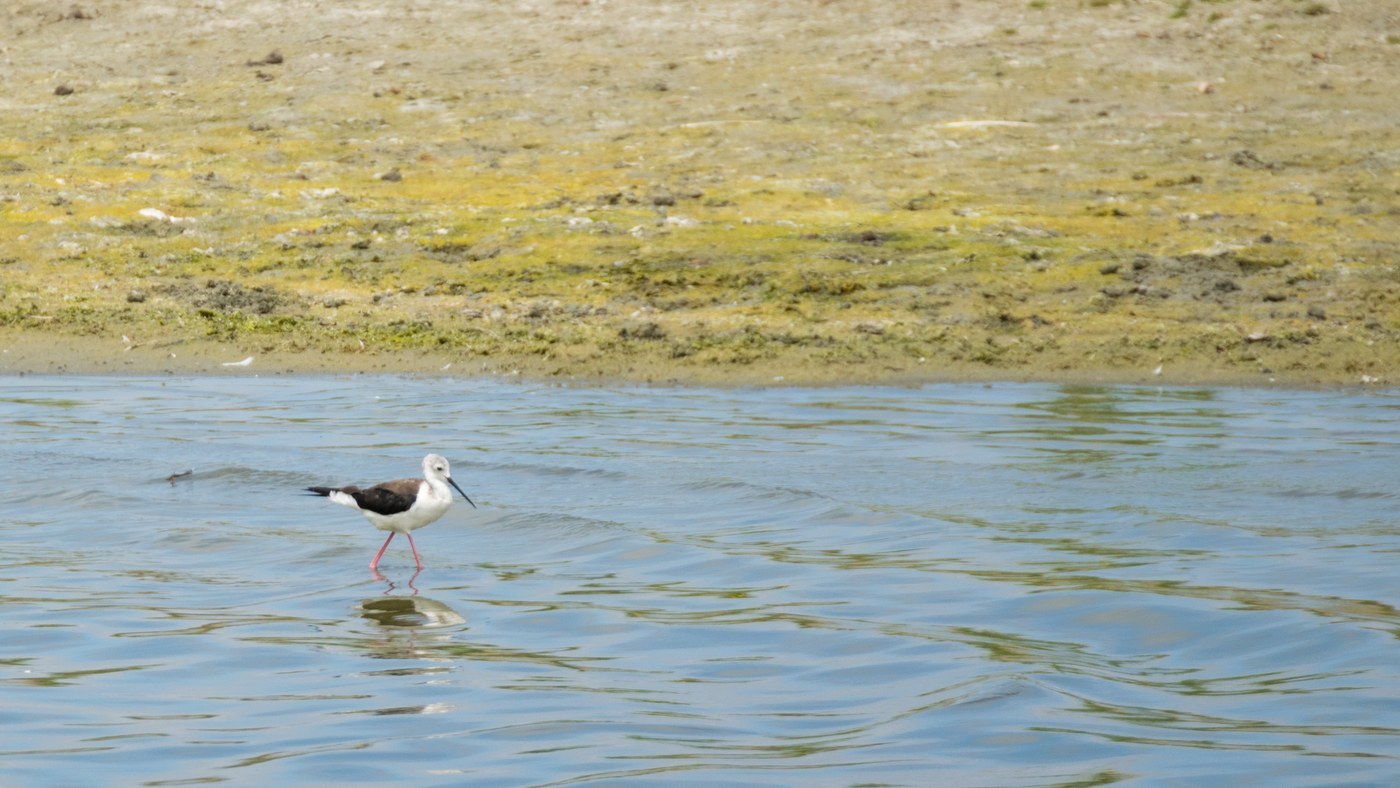
Black-winged Stilt
Himantopus himantopus
A strikingly patterned wader whose feathers form a sharp black-and-white contrast, set off by improbably long pink-red legs.
- Feather type
- Contour and flight feathers
- Colours
- Glossy black and pure white
- Bird size
- Slender wader, ~35-40 cm (very long legs)
Found a feather like this?
Identify any feather from a photo, free.
Overview
Overview
The Black-winged Stilt is one of the most visually striking waders, combining a slim white body with glossy black wings and needle-thin, straight black bill. Its extraordinarily long, pink-to-red legs trail well beyond the tail in flight, making silhouette identification straightforward even at a distance. The species occurs across a huge range spanning Europe, Africa, and Asia, often treated as part of a wider stilt species complex.
Stilts wade in shallow water on their stilt-like legs, picking small invertebrates from the surface or probing gently. Their long-legged, long-billed profile combined with bold plumage contrast makes them unmistakable among wetland birds.
Identifying the Feather
Feather Identification
- Wing feathers: Uniformly glossy black on the upper wing, with a slight greenish sheen in good light; primaries and secondaries are broad and rounded at the tip.
- Body feathers: Pure white on the underparts, neck, and much of the head, giving a crisp, unmarked appearance with no barring or streaking.
- Head/neck pattern: Amount of black on the crown and hindneck varies with age, sex, and individual, ranging from all-white to a dark cap and neck smudge, so head feathers alone are not a reliable sex indicator.
- Shaft and texture: Flight feathers have dark shafts matching the black vane; body feathers are soft and downy at the base, typical of a wading shorebird.
- Compared to similar species: The stark two-tone black-and-white pattern with no gray, brown, or barred feathers separates it from avocets, which show an upturned bill silhouette and more complex wing pattern.
Plumage & Molt
Plumage Notes
Adults show a white body with black flight feathers and back; the head and neck vary from mostly white to variably black depending on subspecies, age, and sex, with males often showing a more solidly black cap and mantle than females, which can have a brownish tinge to the back. Juveniles are duller, with brownish-black upperparts and buff feather fringes that wear off with the first molt. There is a partial molt into a slightly duller non-breeding plumage in some populations, though the black-and-white pattern remains the dominant field mark year-round.
Habitat & Range
Habitat & Range
Black-winged Stilts favor shallow freshwater and brackish wetlands, including marshes, lagoons, salt pans, flooded fields, and reservoir margins across southern Europe, Africa, and much of Asia. Populations in temperate regions are migratory, moving south for winter, while tropical and subtropical populations tend to be resident or make only local movements in response to water levels.
Behavior & Field Notes
Behavior & Field Notes
Stilts wade in shallow water, using their long legs to reach deeper spots other waders cannot, picking aquatic insects, small crustaceans, and other invertebrates from the water's surface or just below it. They nest in loose colonies on the ground near water, building simple scrapes lined with vegetation, and defend nests noisily against intruders with sharp, yapping alarm calls. Their flight is buoyant with the long legs trailing conspicuously, and small flocks often feed and roost together in shallow pools.
Frequently asked questions
What color are Black-winged Stilt feathers?
The wings and back are glossy black while the body, neck, and most of the head are pure white, with no barring or mottling.
How can I tell a stilt feather from an avocet feather?
Stilt wing feathers are solid glossy black with no pattern, while avocets show more complex black-and-white wing markings and a slightly different feather shape.
Do male and female stilts have different plumage?
Amounts of black on the head and neck vary individually and by sex, with males often appearing more solidly dark-capped, but this is not a fully reliable distinction.
Where would I find a Black-winged Stilt feather?
Look near shallow wetlands, salt pans, and lagoons across the species' wide range in Europe, Africa, and Asia.
Black-winged Stilt guides
In-depth guides for identifying and understanding Black-winged Stilt.
Other feathers you may enjoy
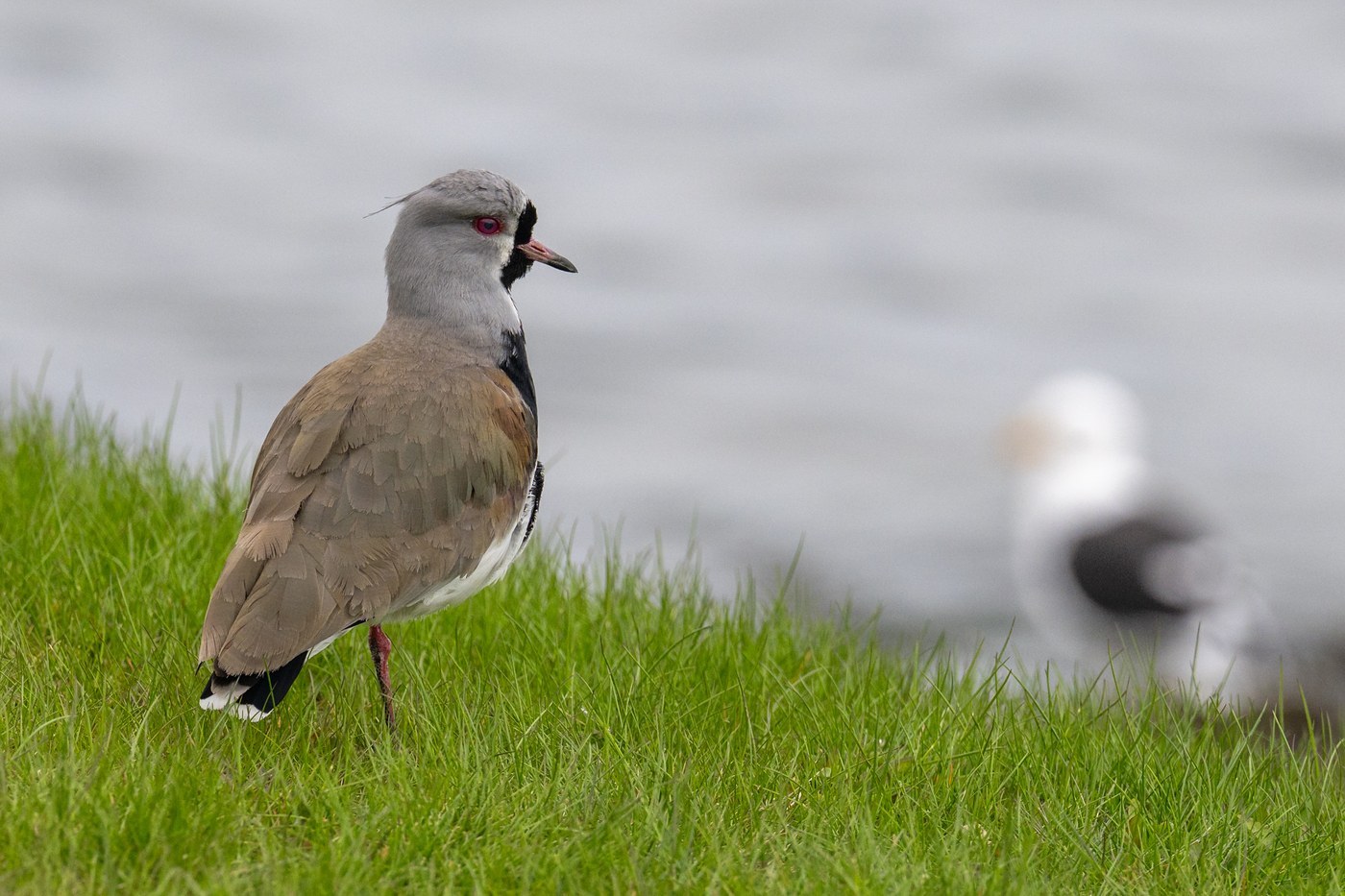
Southern Lapwing
Body, flight, and tail feathers

Jack Snipe
Body and flight feathers

Far Eastern Curlew
Body, flight, and tail feathers

Terek Sandpiper
Body and flight feathers

Wilson's Phalarope
Body and flight feathers
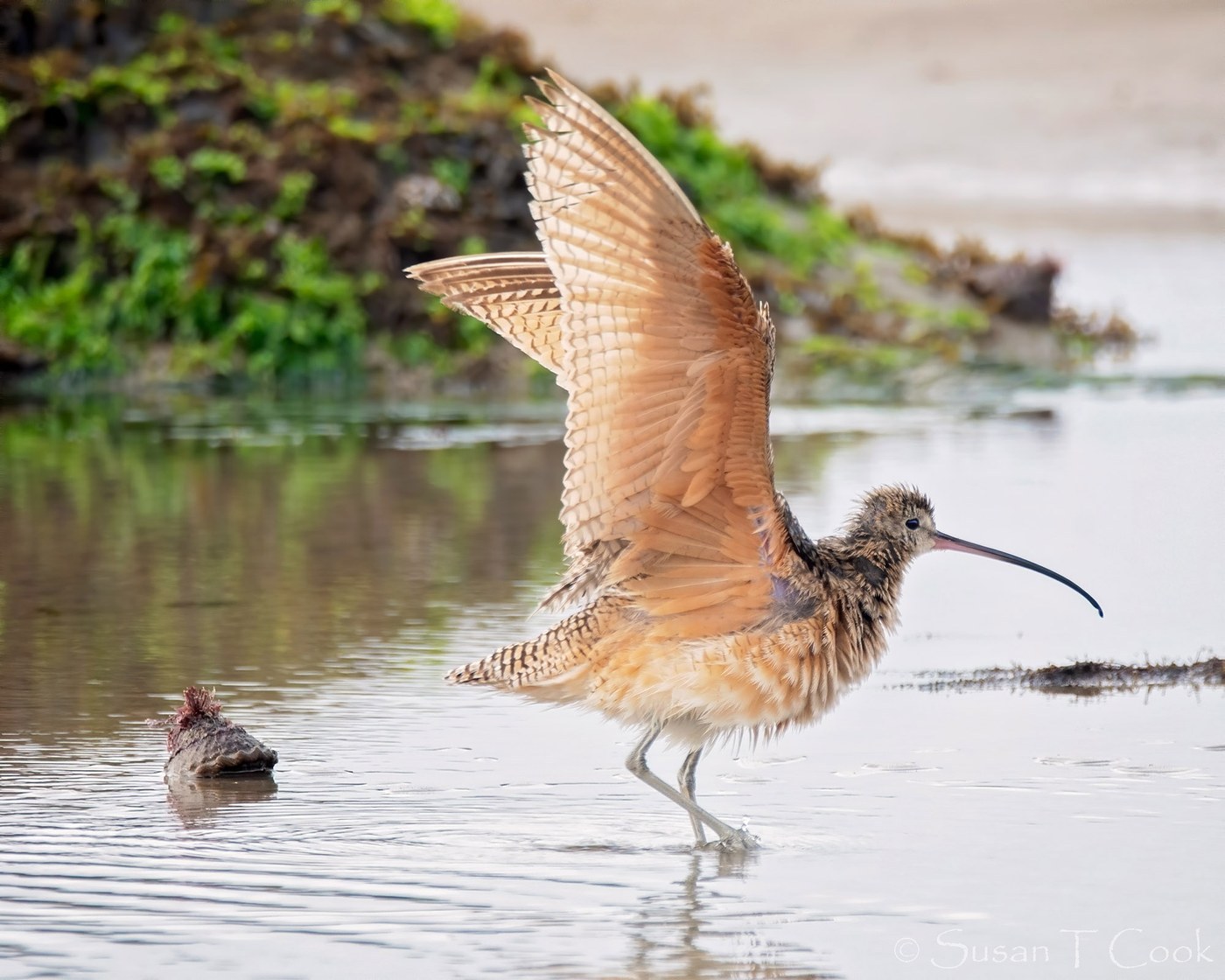
Long-billed Curlew
Body, flight, and tail feathers

Upland Sandpiper
Body, flight, and tail feathers

Red Phalarope
Body and flight feathers

Eurasian Dotterel
Body feathers
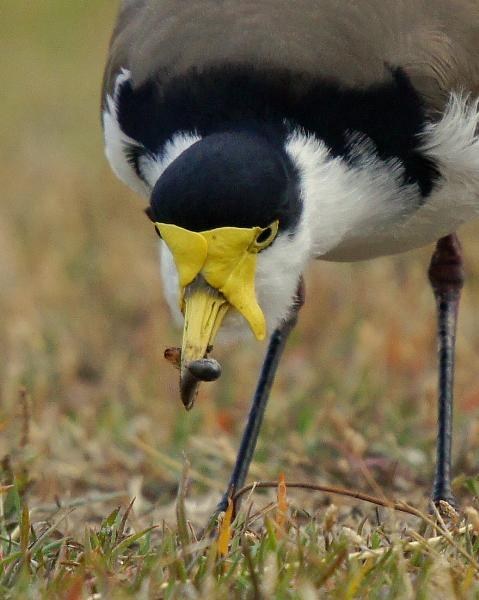
Masked Lapwing
Body, flight, and tail feathers
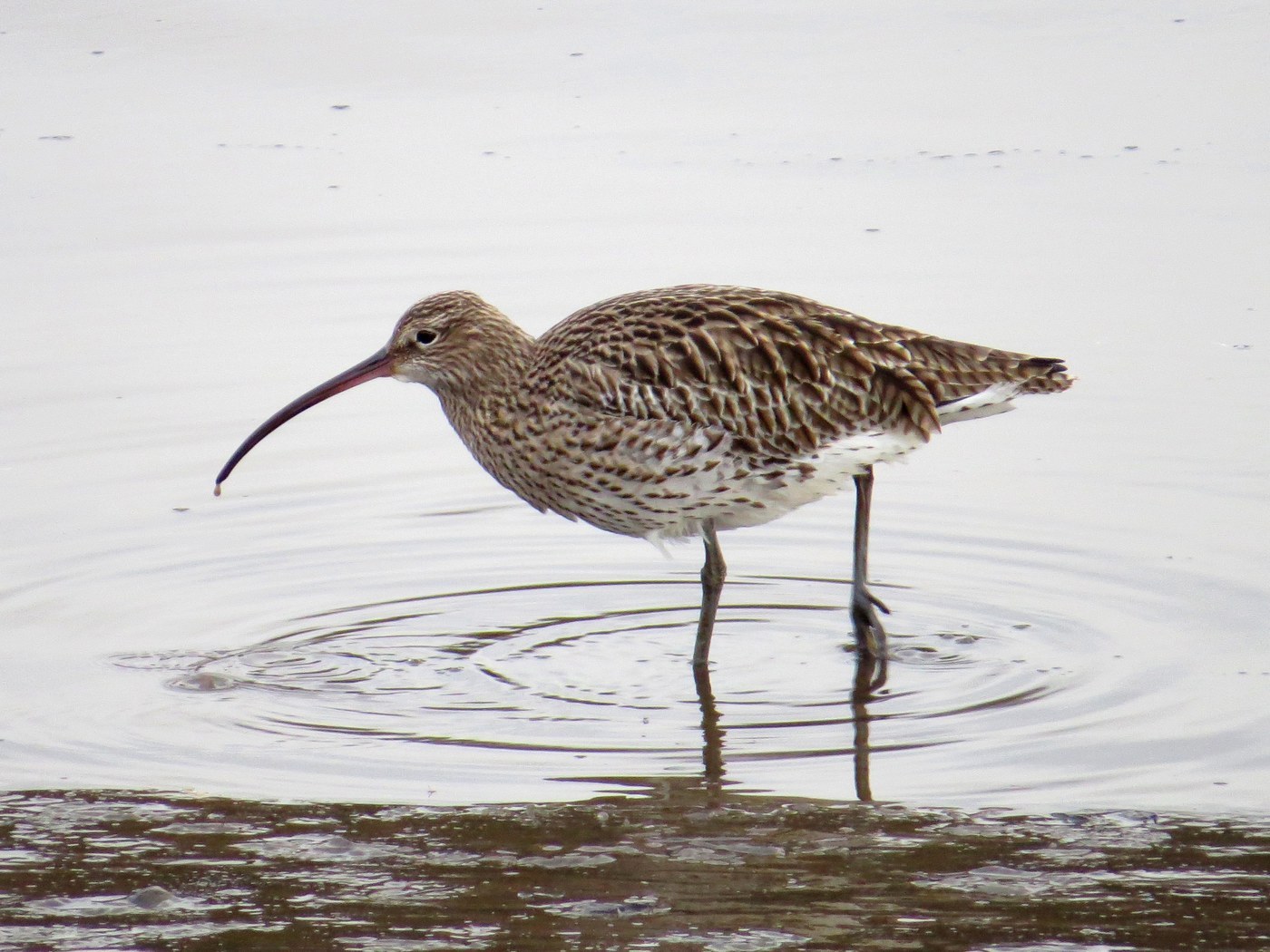
Eurasian Curlew
Body, flight, and tail feathers
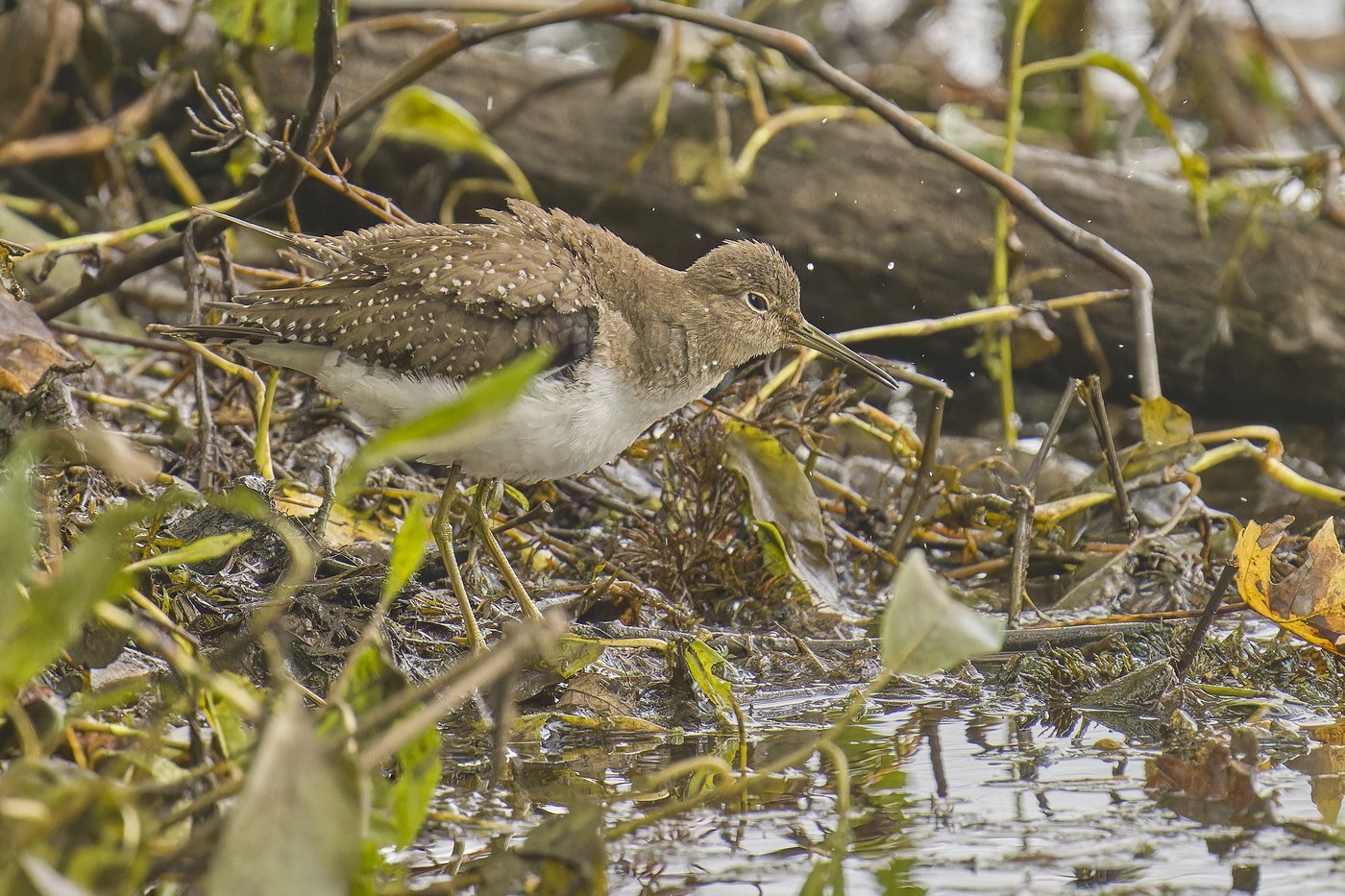
Solitary Sandpiper
Contour and flight feathers