

Black Vulture
Coragyps atratus
An all-black scavenger with a short, square tail and distinctive whitish patches near the wingtips, often seen circling in groups or gathered at carcasses.
- Feather type
- Broad flight feathers with pale wingtip patches; short squared tail feathers
- Colours
- Solid black body plumage with whitish patches restricted to the outer primaries
- Bird size
- Large raptor, ~56-68 cm
Found a feather like this?
Identify any feather from a photo, free.
Overview
The Black Vulture is a common scavenger across the southeastern and south-central United States, Mexico, Central America, and much of South America, often found alongside the Turkey Vulture but distinguishable by its shorter tail and flap-and-glide flight style.
Its feathers are almost entirely black, with the notable exception of pale patches restricted to the primaries near the wingtip, visible as flashes of white or silvery-gray when the bird is in flight.
Because it is highly social and often roosts and feeds in groups, molted feathers can sometimes be found clustered near communal roost trees or feeding sites.
Identifying the Feather
Shape and Size
Wings are broad but somewhat shorter and more rounded than the Turkey Vulture's; the tail is notably short and square rather than long.
Color and Pattern
- Body and covert feathers: solid black, with little iridescence
- Primaries: black with a whitish or pale silvery patch restricted to the base of the outer primaries, seen as a wing "star" or patch rather than an even wash
- Secondaries: solid black, unlike the Turkey Vulture's pale secondaries
- Tail feathers: black, short and squared
- Shafts: dark
Distinguishing from Similar Species
The key difference from Turkey Vulture is that pale color is confined to a patch near the tips of the outer primaries only, while the secondaries stay solid black; Turkey Vulture shows pale color across the whole flight feather trailing edge. The shorter, squarer tail feather also helps confirm Black Vulture.
Plumage & Molt
Adults are uniformly black with a gray-black bare head; sexes look alike. Juveniles are similar but may show a slightly duller head and browner tinge to body feathers that is not usually apparent in shed feathers.
Molt occurs gradually outside the core breeding period, with flight feathers replaced in sequence.
Habitat & Range
Ranges through the southeastern and south-central United States, Mexico, Central America, and South America, in open country, farmland, wetlands, and increasingly around towns, landfills, and roadsides.
Most populations are resident year-round, with limited seasonal movement.
Behavior & Field Notes
A social scavenger that often gathers in large numbers at carcasses, sometimes displacing Turkey Vultures despite arriving later, using a stronger flocking advantage. Flight alternates several quick flaps with a glide, unlike the Turkey Vulture's more continuous soaring.
Nests on the ground, in caves, hollow trees, or dense brush, without building a stick structure. Vocalizations are limited to hisses and low grunts.
A solid black feather with a pale patch confined to the wingtip area, found near a communal roost or carcass site, points to this species.
Frequently asked questions
What's the fastest way to tell this from a Turkey Vulture feather?
Check the pale color's extent: Black Vulture shows it only near the wingtip on the primaries, while Turkey Vulture shows pale color across the entire flight feather trailing edge, including the secondaries.
Is the tail feather shape useful?
Yes, Black Vulture tail feathers are notably short and squared compared to the longer tail feathers of the Turkey Vulture.
Are Black Vulture feathers ever found in urban areas?
Yes, since the species increasingly forages around landfills, parking lots, and towns, feathers can turn up in suburban and urban settings within its range.
Do these vultures build nests where feathers might accumulate?
They nest on the ground or in hollow logs/caves rather than stick nests, so feathers are more often found at communal roosts or feeding sites than at a nest structure.
Black Vulture guides
In-depth guides for identifying and understanding Black Vulture.

Black Vulture identified by the community
Real feathers identified with Feather Identifier.


Other feathers you may enjoy

Australian Hobby
Long, narrow pointed flight feathers; slender tail feathers

California Condor
Massive flight feathers; long broad primaries; large tail feathers

Brown Falcon
Broad, rounded flight feathers; variable-toned contour feathers
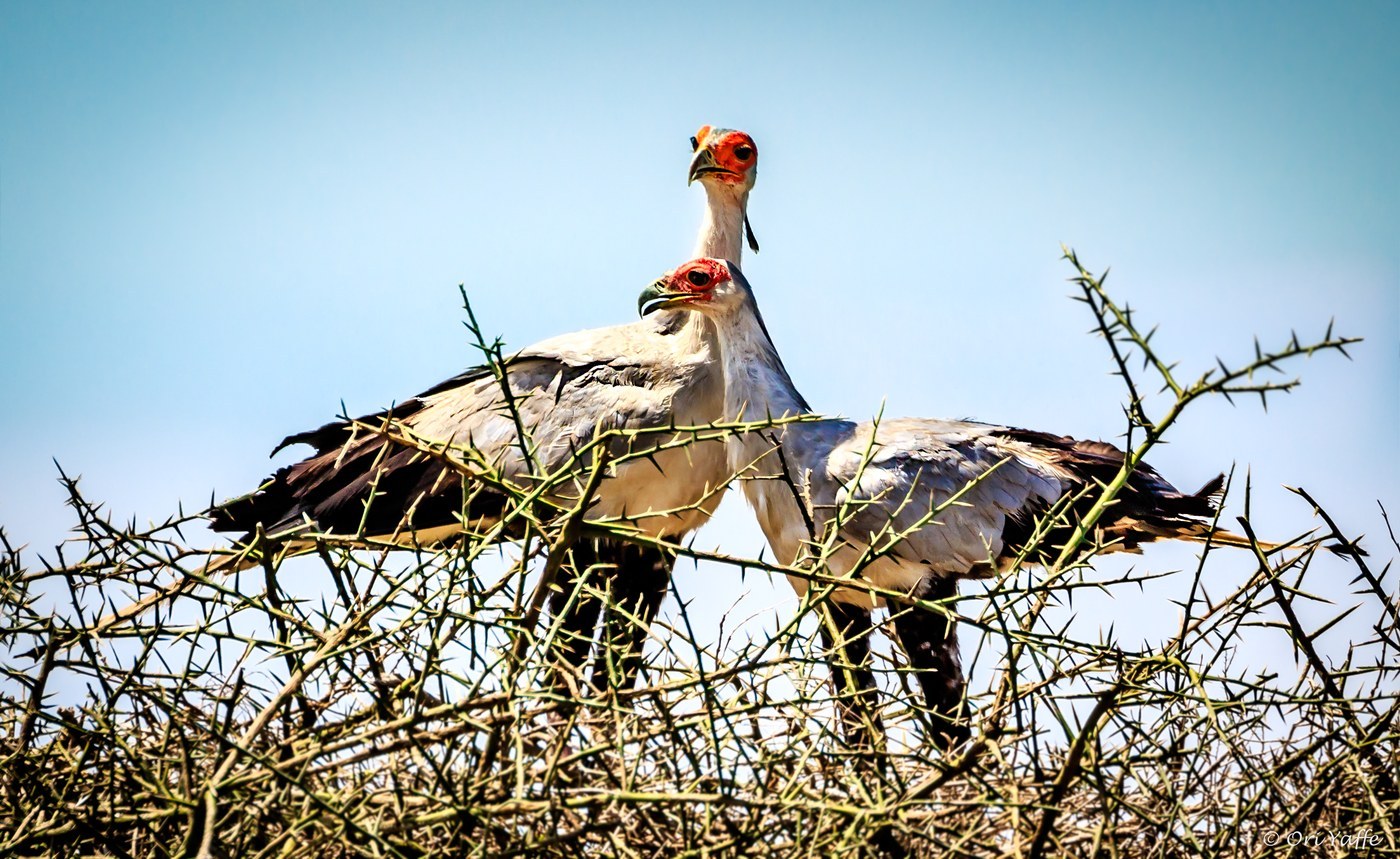
Secretarybird
Long crest feathers; broad flight feathers; elongated central tail feathers

Orange-breasted Falcon
Broad-based pointed flight feathers; bold breast and belly feathers
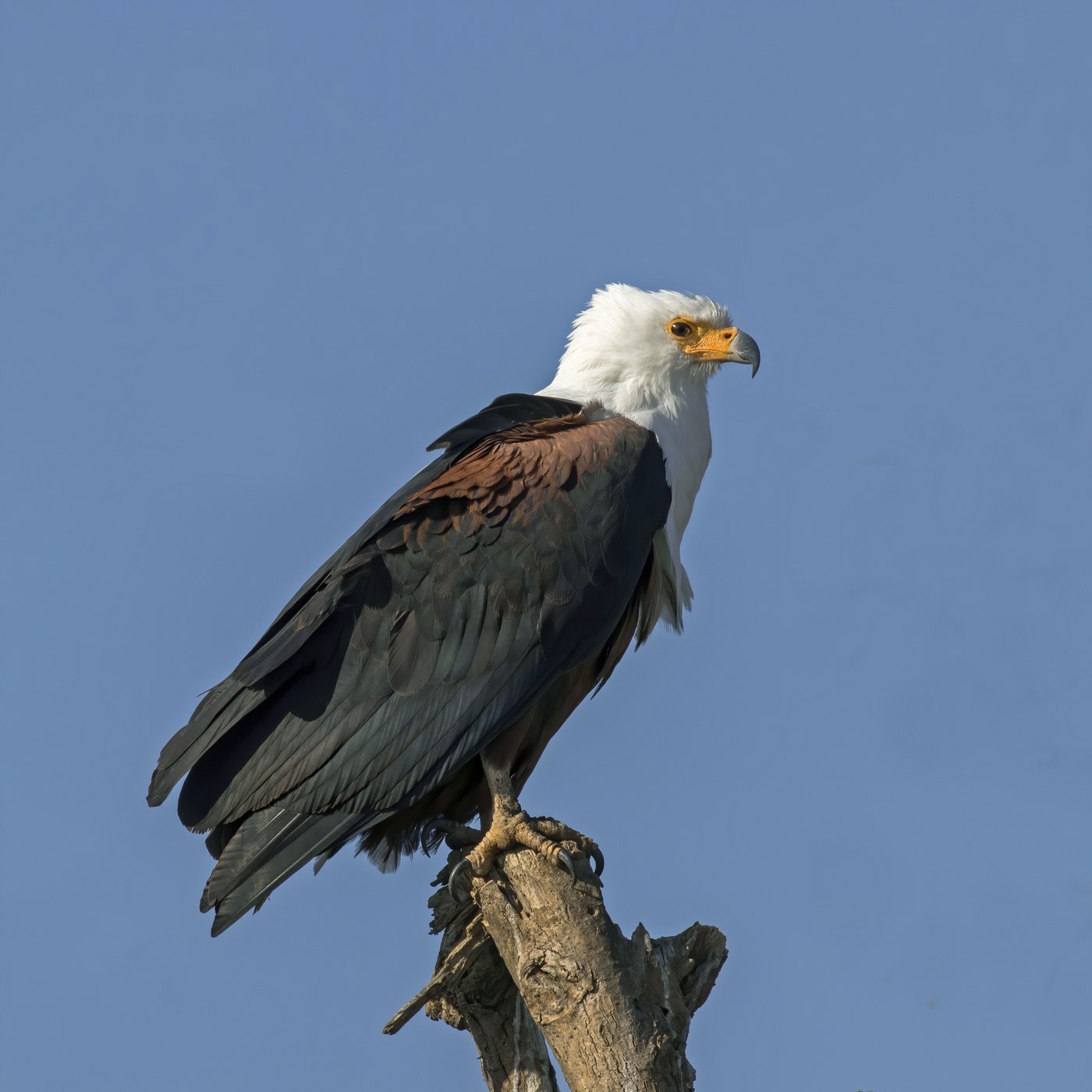
African Fish Eagle
Flight, tail, and body feathers

Amur Falcon
Slender pointed flight feathers; soft slate or orange-buff contour feathers
Red Kite
Flight (wing) and tail feathers
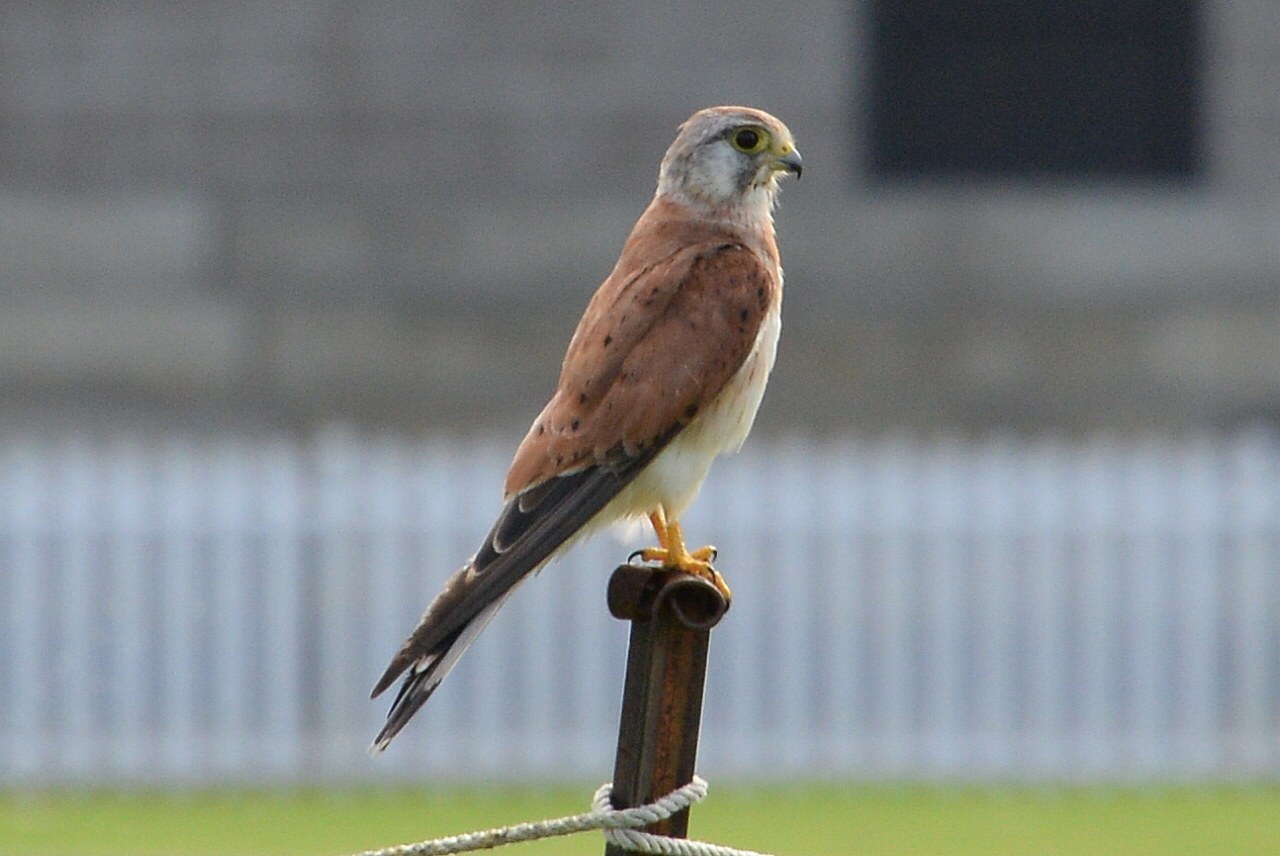
Nankeen Kestrel
Slim pointed flight feathers; lightly marked contour feathers

Andean Condor
Massive flight feathers; broad primaries and secondaries; sturdy tail feathers

Plumbeous Forest Falcon
Short rounded flight feathers; finely barred tail feathers

Sooty Falcon
Long pointed flight feathers; slim tail feathers