

Black-throated Magpie-Jay
Calocitta colliei
A close relative of the White-throated Magpie-Jay, distinguished by a bold black throat and breast band and an even longer, more elaborate tail.
- Feather type
- Contour, wing, and tail feathers
- Colours
- Blue upperparts, black throat and breast band, white belly, long curled crest, extremely long blue-and-white graduated tail
- Bird size
- Very long overall due to tail, body jay-sized, ~50-70 cm including tail
Found a feather like this?
Identify any feather from a photo, free.
Overview
The Black-throated Magpie-Jay is restricted to the Pacific slope of Mexico, where it inhabits dry and semi-humid forest and woodland. It closely resembles its relative the White-throated Magpie-Jay in overall shape, sharing the same forward-curling crest and extremely long, graduated tail, but is distinguished by a bold black band across the throat and upper breast.
Its tail is often cited as among the longest relative to body size of any songbird, making it one of the most visually striking jays in the Americas.
Identifying the Feather
- Crest feathers curl forward over the crown, matching the structure seen in the White-throated Magpie-Jay, a distinctive trait among jays
- Throat and upper breast feathers are black, forming a bold band that is the key difference from the white-throated relative's clean white throat
- Head and upperpart feathers are blue, with white on the belly below the black breast band
- Tail feathers are extremely long and graduated, blue with white markings, often even longer proportionally than in the White-throated Magpie-Jay
Plumage & Molt
Sexes look similar in plumage. Juveniles show a shorter crest and less developed tail length, along with duller blue feathering and a less defined black throat band that sharpens with maturity. One complete molt occurs annually after breeding, with the very long tail feathers replaced gradually.
Habitat & Range
- Restricted to the Pacific slope of Mexico, from Sonora and Sinaloa south into Jalisco and surrounding areas
- Favors dry and semi-humid forest, thorn scrub, and adjacent woodland
- Non-migratory, with resident groups occupying stable territories
Behavior & Field Notes
Black-throated Magpie-Jays are social, traveling in small groups and showing cooperative behaviors similar to other magpie-jays, with related individuals assisting in raising young. They forage for insects, small animals, fruit, and occasionally eggs or nestlings, both on the ground and in trees. Calls are loud and varied, and the exceptionally long tail is often flicked or raised during social displays and interactions within the group.
Frequently asked questions
How do I tell this species apart from the White-throated Magpie-Jay by feather?
Look for black feathers on the throat and upper breast; the White-throated Magpie-Jay has a clean white throat instead, and the two species' ranges in Mexico and Central America barely overlap.
Why is the tail so remarkably long?
This species has among the most extreme tail-to-body length ratios of any songbird, with strongly graduated feathers that likely play a role in social display as well as balance.
What is distinctive about the crest feathers?
Like its close relative, this species has elongated crest feathers that curl forward over the crown, a specialized feature not seen in most other jays.
Where would I most likely find a shed feather?
Along the Pacific slope of Mexico, from Sonora and Sinaloa south into Jalisco and nearby areas, in dry and semi-humid forest and woodland.
Black-throated Magpie-Jay guides
In-depth guides for identifying and understanding Black-throated Magpie-Jay.

Other feathers you may enjoy

Yellow-billed Magpie
Contour, wing, and tail feathers

White-throated Magpie-Jay
Contour, wing, and tail feathers

White-necked Crow
Contour and flight feathers

Slender-billed Crow
Contour and flight feathers

Sinaloa Crow
Contour and flight feathers

Siberian Jay
Contour, wing, and tail feathers

Yellow-billed Blue Magpie
Contour, wing, and tail feathers
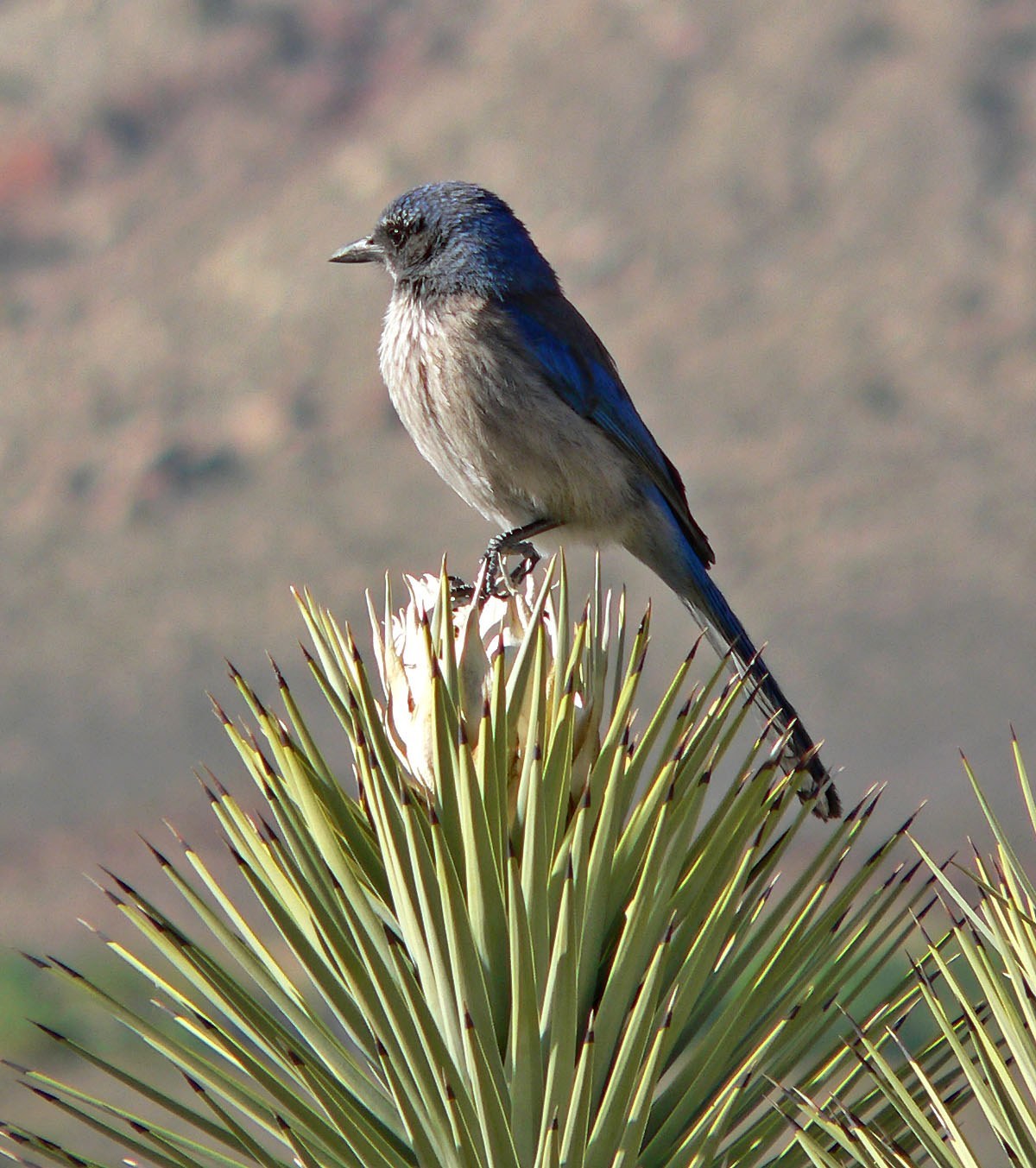
Woodhouse's Scrub-Jay
Contour and flight feathers
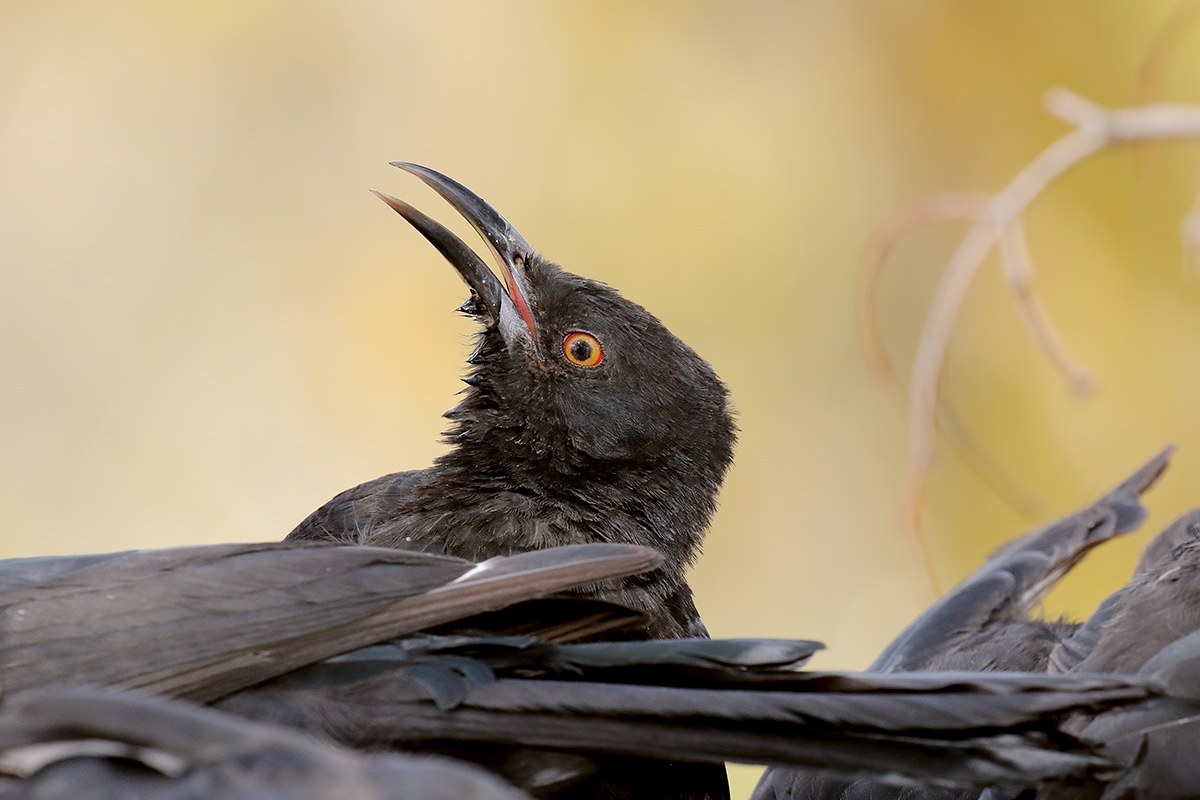
White-winged Chough
Contour and flight feathers

Rufous Treepie
Long, graduated tail feathers; loose body contour feathers

Thick-billed Raven
Contour and flight feathers
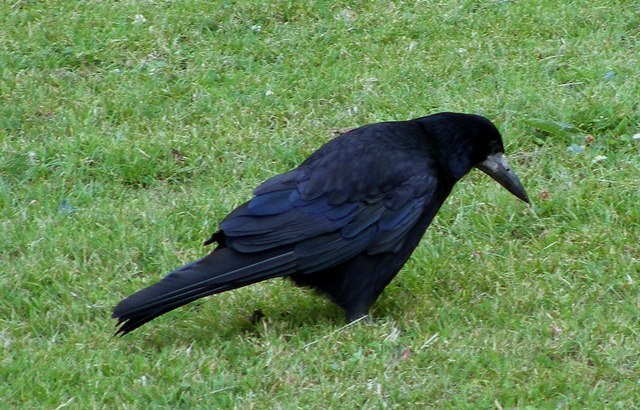
Rook
Glossy purple-black flight and body feathers; loose, shaggy thigh (leg) feathers