
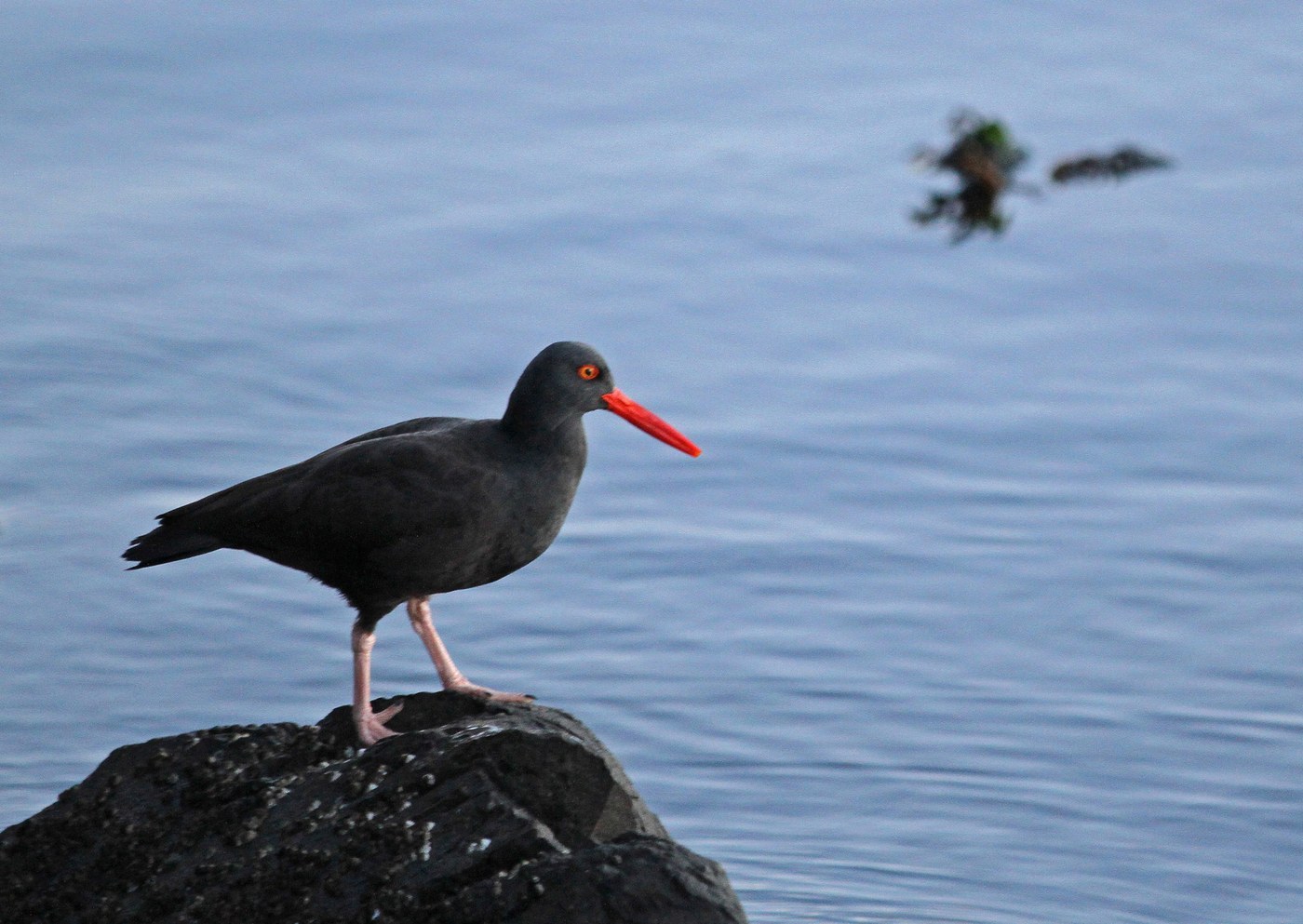
Black Oystercatcher
Haematopus bachmani
A large, entirely dark shorebird of rocky Pacific coastlines, lacking any white in its plumage, unlike its pied relatives elsewhere in the Americas and Old World.
- Feather type
- Broad, strong, entirely dark flight and body feathers without a white wing bar
- Colours
- Uniform sooty black to blackish-brown throughout
- Bird size
- Large shorebird, ~42-45 cm
Found a feather like this?
Identify any feather from a photo, free.
Overview
The Black Oystercatcher is a large, uniformly dark shorebird restricted to rocky Pacific coastlines and offshore islands of North America, from Alaska south to Baja California. Unlike most other oystercatchers, which show a bold black-and-white pied pattern, this species is entirely sooty black to blackish-brown from head to tail, with no contrasting white areas in its plumage at all.
Its long, bright orange-red bill and pink legs stand out vividly against the dark plumage in life, though these soft-tissue colors are not present on shed feathers. It is closely tied to rocky intertidal habitat, rarely straying onto sandy beaches favored by some related species.
An entirely dark, sooty black-brown feather lacking any white markings, found along a rocky Pacific coastline of North America, is a strong indicator of this species given the absence of similarly all-dark oystercatchers elsewhere in the region.
Identifying the Feather
Shape and Size
Flight feathers are broad and strong, and body feathers are dense, consistent with a large-bodied rocky-shore forager.
Color and Pattern
- Plumage is uniformly sooty black to blackish-brown throughout the body, wings, and tail.
- There is no white wing bar and no white underparts, unlike the pied pattern of the American and Eurasian Oystercatchers.
- Subtle brownish tones may be more apparent on the back and wing coverts than on the head, but overall contrast is minimal.
Shaft and Vane
Shafts are dark throughout, consistent with the species' uniformly dark plumage, without the sharp black-to-white transitions seen in pied relatives.
Distinguishing from Similar Species
The complete absence of white in the plumage immediately separates this species from both the American Oystercatcher, which shows white underparts and a wing bar, and the Eurasian Oystercatcher, which is even more boldly pied; within its Pacific range, no other oystercatcher shares this entirely dark plumage.
Plumage & Molt
Adults are uniformly sooty black to blackish-brown throughout, with a long orange-red bill, pale yellow eyes with an orange eye-ring, and pink legs in life. Sexes look alike. Juveniles are similarly dark but with a duller, dark-tipped bill and slightly browner overall tone, developing the full adult bill color over time. Molt follows breeding, with a complete post-breeding molt refreshing the dark plumage.
Habitat & Range
The Black Oystercatcher is restricted to rocky Pacific coastlines and offshore islands of North America, from the Aleutian Islands and southern Alaska south through British Columbia and the U.S. Pacific coast to Baja California. It is closely tied to rocky intertidal habitat and is largely resident, with only limited local movement outside the breeding season.
Behavior & Field Notes
This species forages among rocks and in the intertidal zone, taking mussels, limpets, and other shellfish, prying them from rock surfaces or shells open with its stout bill. It is usually found in pairs or small family groups, strongly tied to rocky shoreline territories year-round. Its call is a loud, piercing piping note similar to other oystercatchers. Nests are shallow scrapes on rocky shorelines or small offshore islands, often placed just above the high-tide line. For feather finders, an entirely dark sooty black-brown feather lacking any white markings, found along a rocky Pacific coastline of North America, is a strong indicator of this species.
Frequently asked questions
What makes the Black Oystercatcher's plumage unusual among oystercatchers?
It is entirely sooty black to blackish-brown with no white areas at all, unlike the bold black-and-white pied pattern shown by most other oystercatcher species.
Where is the Black Oystercatcher found?
Along rocky Pacific coastlines and offshore islands of North America, from Alaska to Baja California.
Does this species use sandy beaches?
Rarely; it is closely tied to rocky intertidal habitat rather than the sandy beaches sometimes used by related oystercatcher species.
How can I be sure a dark feather belongs to this species and not a crow or raven?
Structure matters here: oystercatcher body and flight feathers are broader and denser than typical corvid feathers, and finding one specifically on a rocky intertidal shoreline strongly favors this species.
Black Oystercatcher guides
In-depth guides for identifying and understanding Black Oystercatcher.
Other feathers you may enjoy
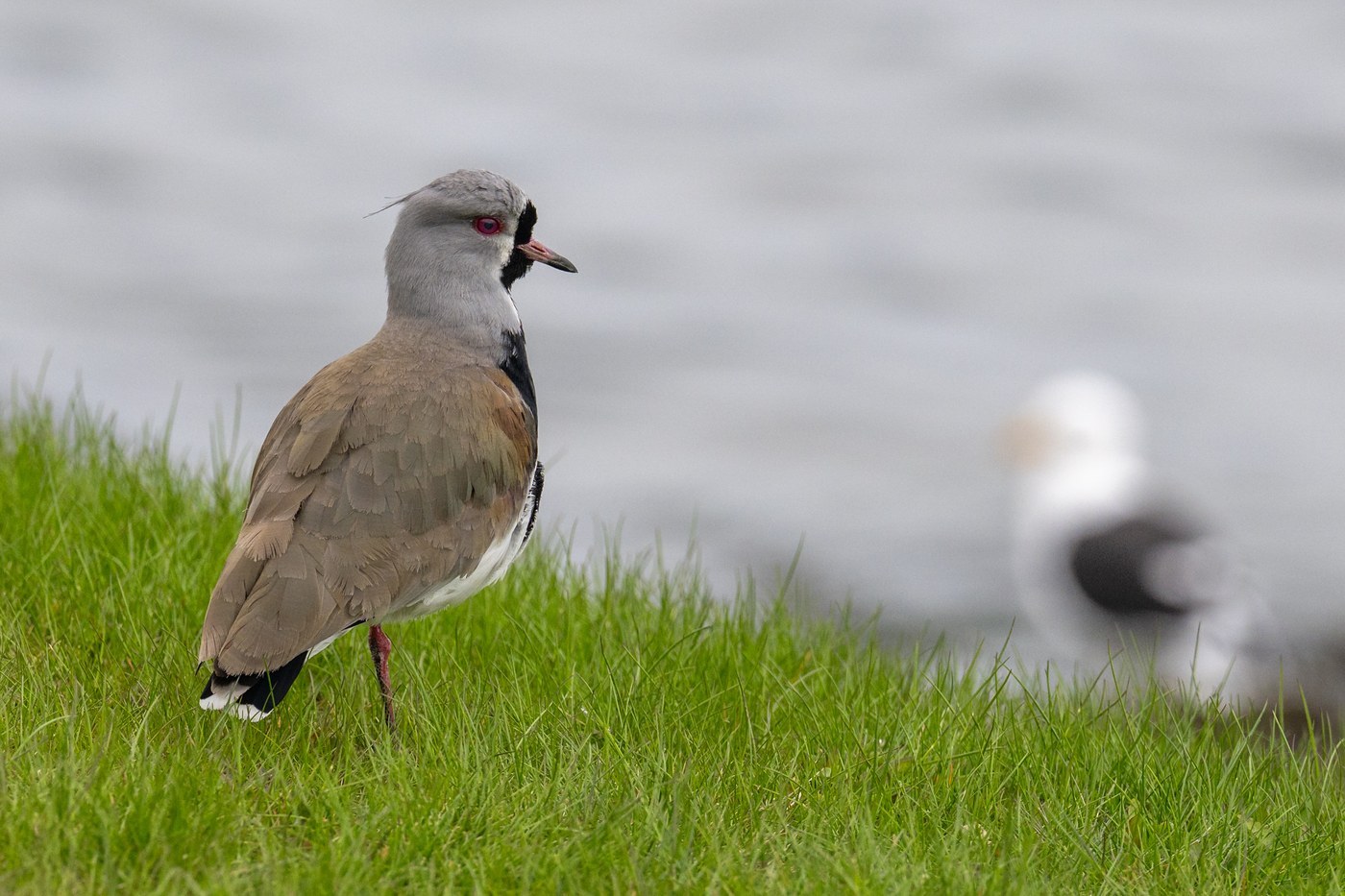
Southern Lapwing
Body, flight, and tail feathers

Jack Snipe
Body and flight feathers

Far Eastern Curlew
Body, flight, and tail feathers

Terek Sandpiper
Body and flight feathers

Wilson's Phalarope
Body and flight feathers
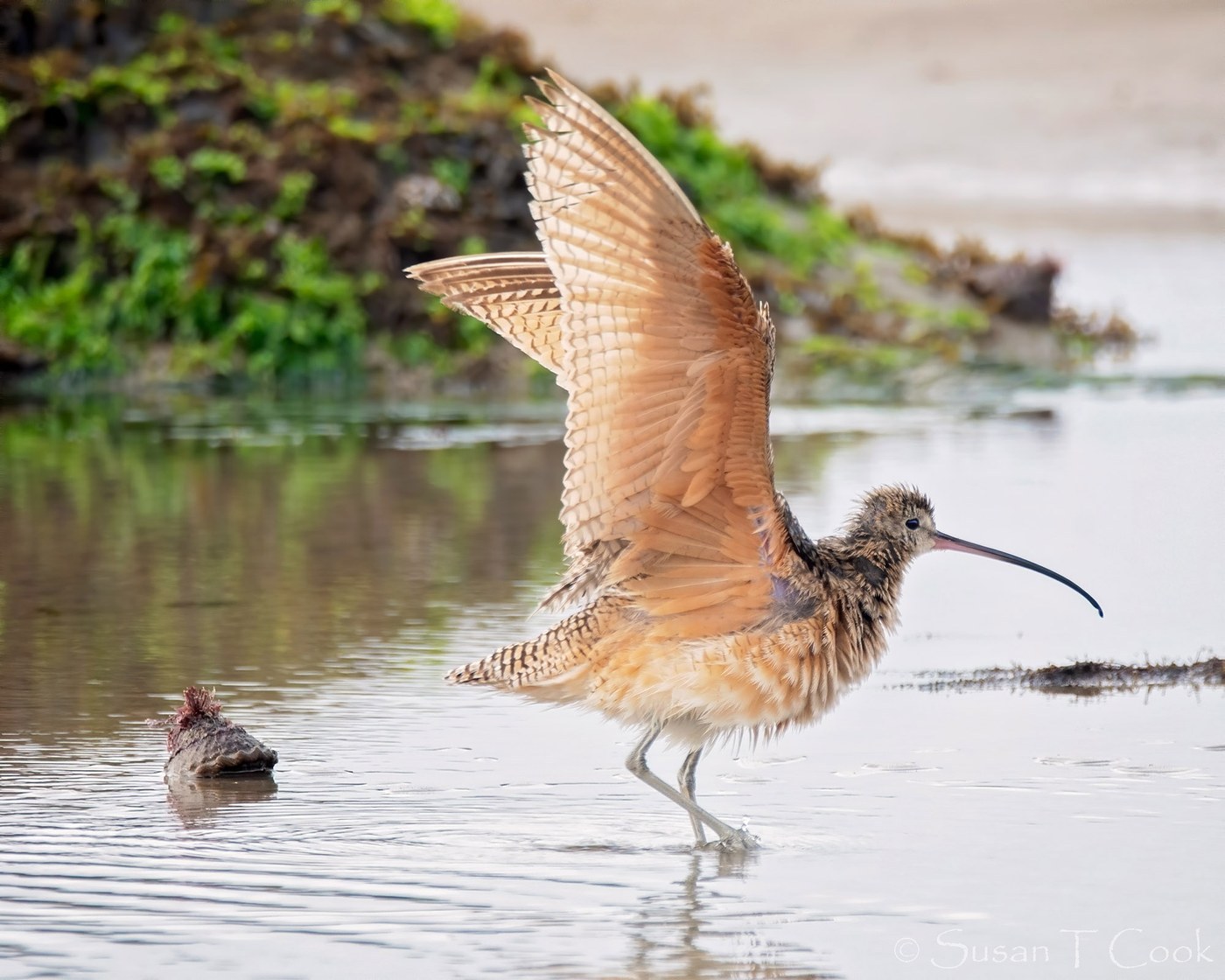
Long-billed Curlew
Body, flight, and tail feathers

Upland Sandpiper
Body, flight, and tail feathers

Red Phalarope
Body and flight feathers

Eurasian Dotterel
Body feathers
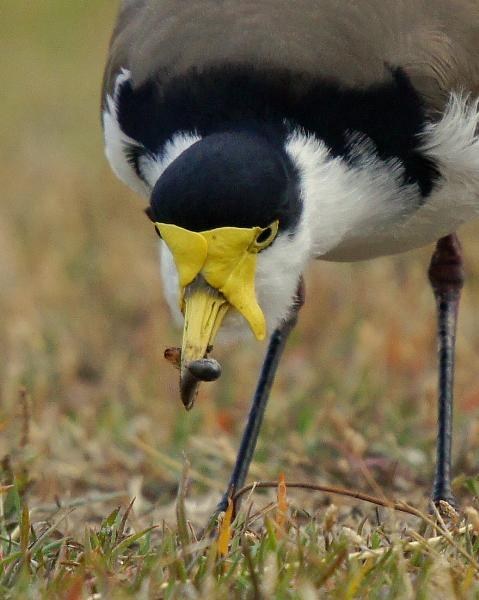
Masked Lapwing
Body, flight, and tail feathers
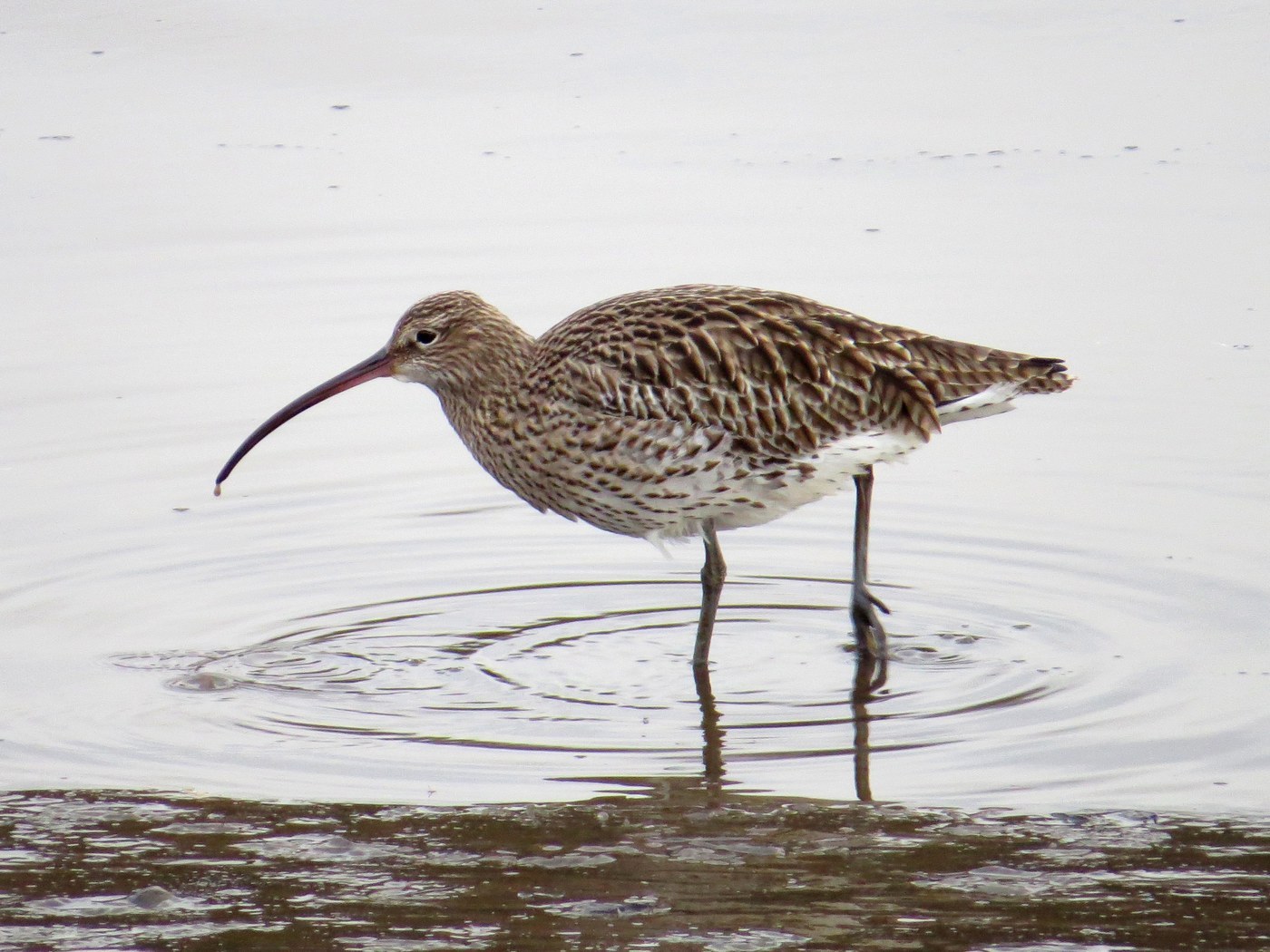
Eurasian Curlew
Body, flight, and tail feathers
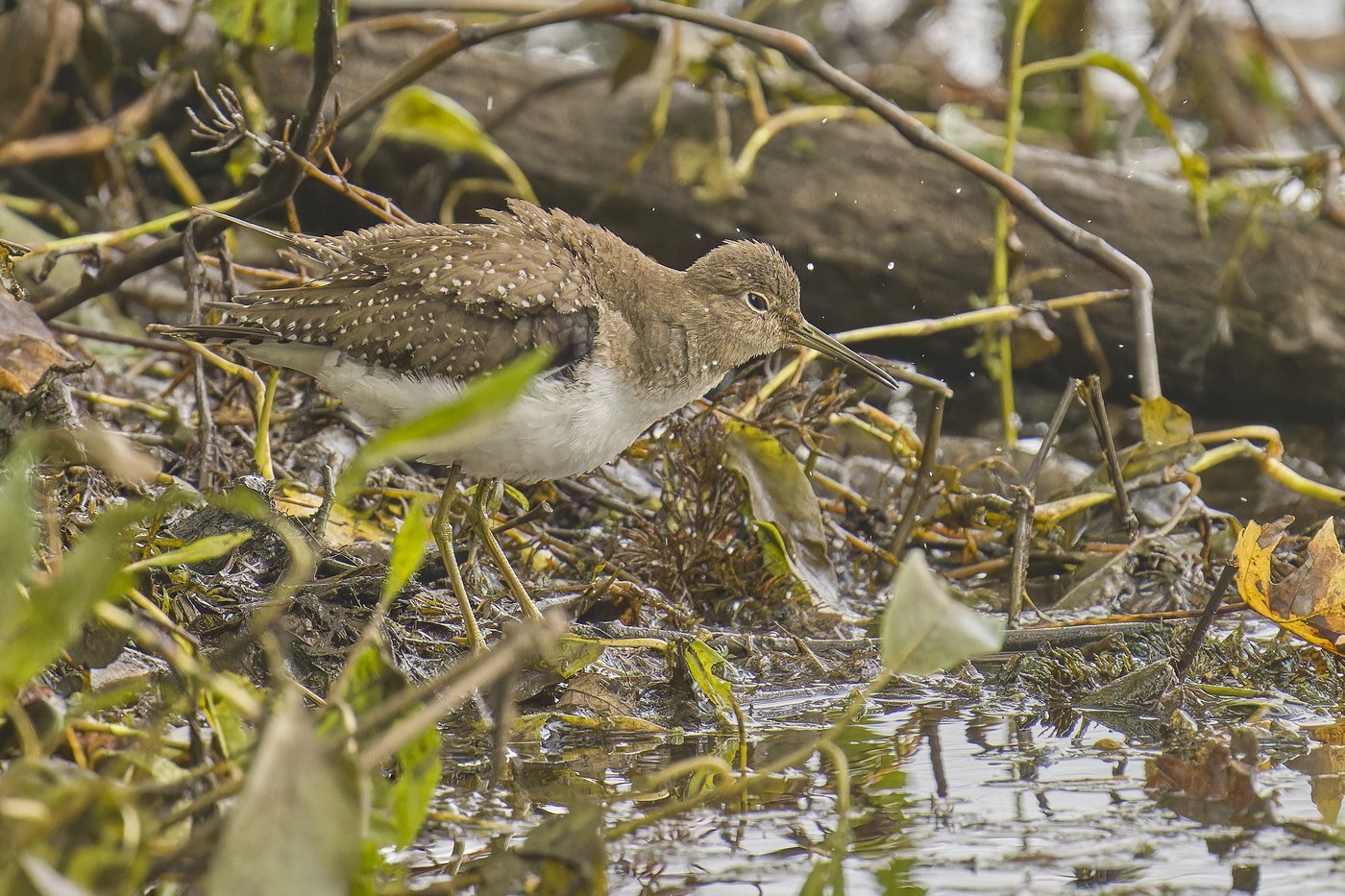
Solitary Sandpiper
Contour and flight feathers