
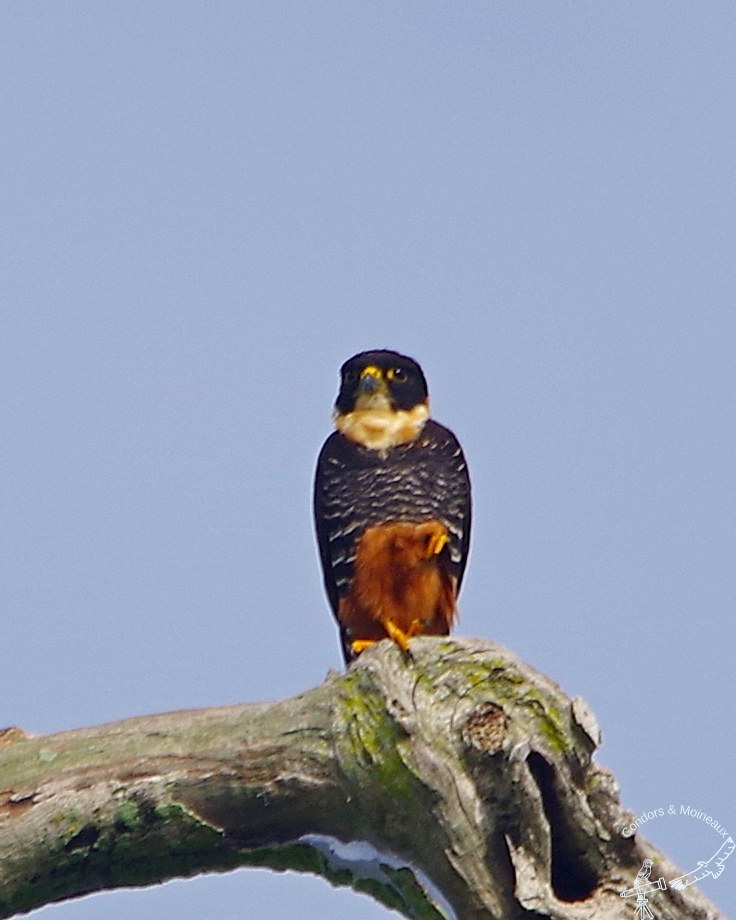
Bat Falcon
Falco rufigularis
The Bat Falcon is a small, dashing falcon of Neotropical forests, black above with a rufous throat patch and a boldly black-and-white barred belly, often hunting bats and swifts at dusk.
- Feather type
- Short, broad-based pointed flight feathers; boldly barred belly feathers
- Colours
- Black upperparts, rufous throat and upper breast, black-and-white barred belly
- Bird size
- Small falcon, ~23-30 cm
Found a feather like this?
Identify any feather from a photo, free.
Overview
The Bat Falcon is a compact, powerful little falcon found from Mexico south through Central America into much of South America, typically perching prominently on a dead snag at forest edge or clearing before making fast sallies after prey. Its dramatic plumage — black hood and back, a rufous throat and chest patch, and a strongly barred black-and-white belly — makes it one of the more visually striking small falcons.
Feathers are usually found beneath a favored perch snag at forest edge, where the bird plucks and consumes prey.
Identifying the Feather
Recognizing Bat Falcon feathers
- Flight feathers: Black to blackish-brown above, short and broad-based relative to open-country falcons, built for quick, agile bursts rather than sustained speed.
- Tail feathers: Black with narrow white or pale bars, squared tip.
- Body feathers: Throat and upper breast feathers rich rufous-orange; belly and flank feathers strongly barred black and white; back feathers glossy black.
- Shaft color: Dark, blackish-brown.
- Compared to similar species: Smaller than the similar Orange-breasted Falcon, with a more extensively barred (rather than solid black) belly; the rufous throat patch is more restricted than the Orange-breasted Falcon's broader orange breast band.
Plumage & Molt
Adults have a glossy black head, back, and wings, a rufous-orange throat and upper breast patch, and a black-and-white barred belly and flanks, with rufous thighs. Sexes are similar, with females somewhat larger. Juveniles are duller and browner with a buffier throat patch, molting to the crisp adult pattern within their first year or two.
Habitat & Range
Found in tropical lowland forest edge, clearings, and gallery forest from Mexico through Central America and much of South America. Generally resident, without long-distance migration.
Behavior & Field Notes
Hunts from a prominent open perch, sallying out to catch large insects, small birds, and bats, often active at dusk and dawn when bats are on the wing. Nests in tree cavities or old woodpecker holes. Calls are sharp, repeated 'ki-ki-ki' notes. A black feather with rufous throat patch and black-and-white barred belly feathers found near a forest-edge snag in Central or South America points strongly to this species.
Frequently asked questions
Why is it called the Bat Falcon?
It is named for its habit of hunting bats, often catching them on the wing at dusk when both bats and the falcon become active.
How can I tell a Bat Falcon feather from an Orange-breasted Falcon feather?
Bat Falcon feathers are smaller with a more extensively barred belly, while Orange-breasted Falcon feathers are larger with a broader solid orange breast band before the barred lower belly.
What color are Bat Falcon throat feathers?
The throat and upper breast feathers are a distinctive rufous-orange, contrasting with the glossy black head and back.
Is the Bat Falcon migratory?
No, it is generally a resident species throughout its Neotropical range.
Bat Falcon guides
In-depth guides for identifying and understanding Bat Falcon.
Other feathers you may enjoy

Australian Hobby
Long, narrow pointed flight feathers; slender tail feathers

California Condor
Massive flight feathers; long broad primaries; large tail feathers

Brown Falcon
Broad, rounded flight feathers; variable-toned contour feathers
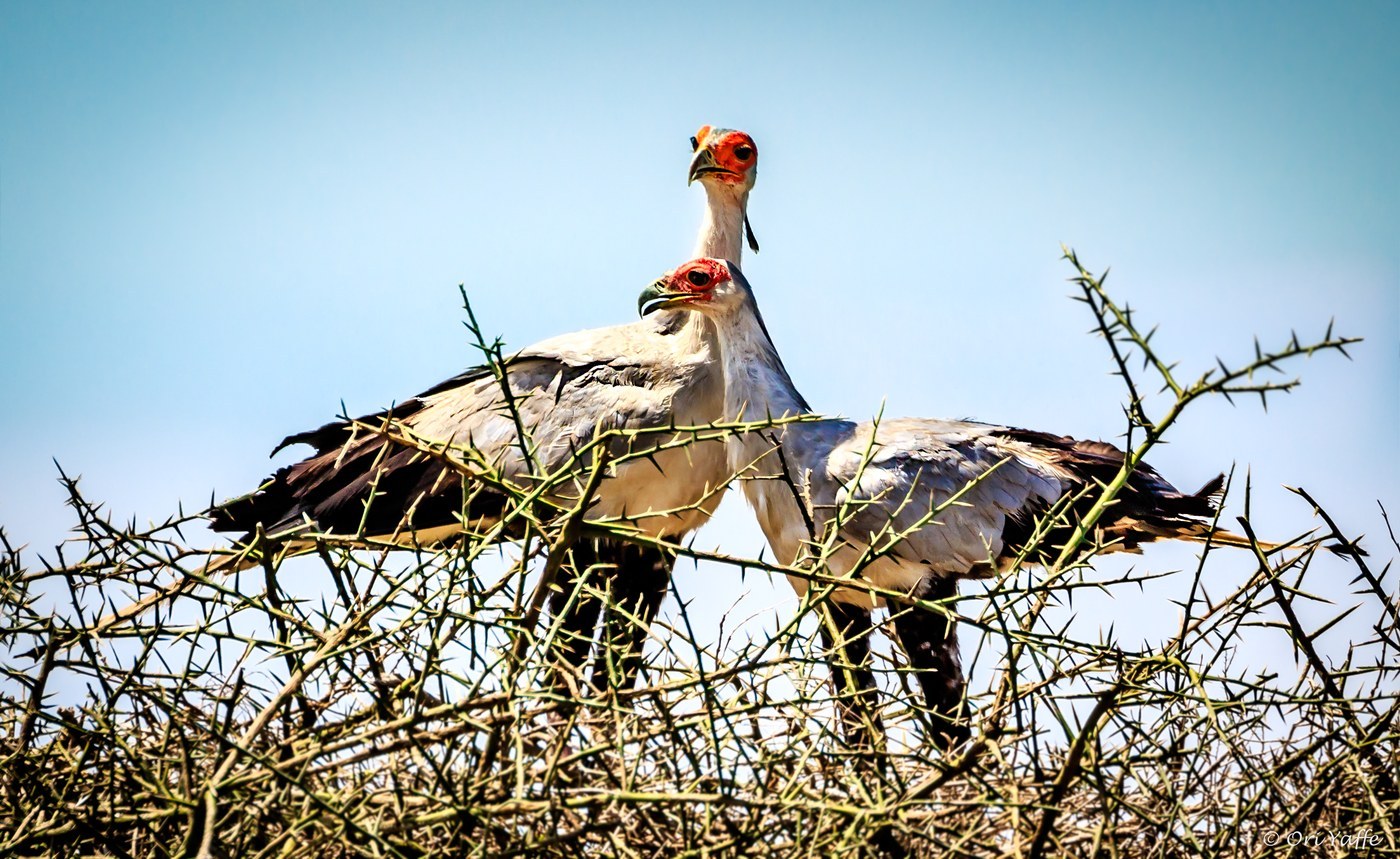
Secretarybird
Long crest feathers; broad flight feathers; elongated central tail feathers

Orange-breasted Falcon
Broad-based pointed flight feathers; bold breast and belly feathers
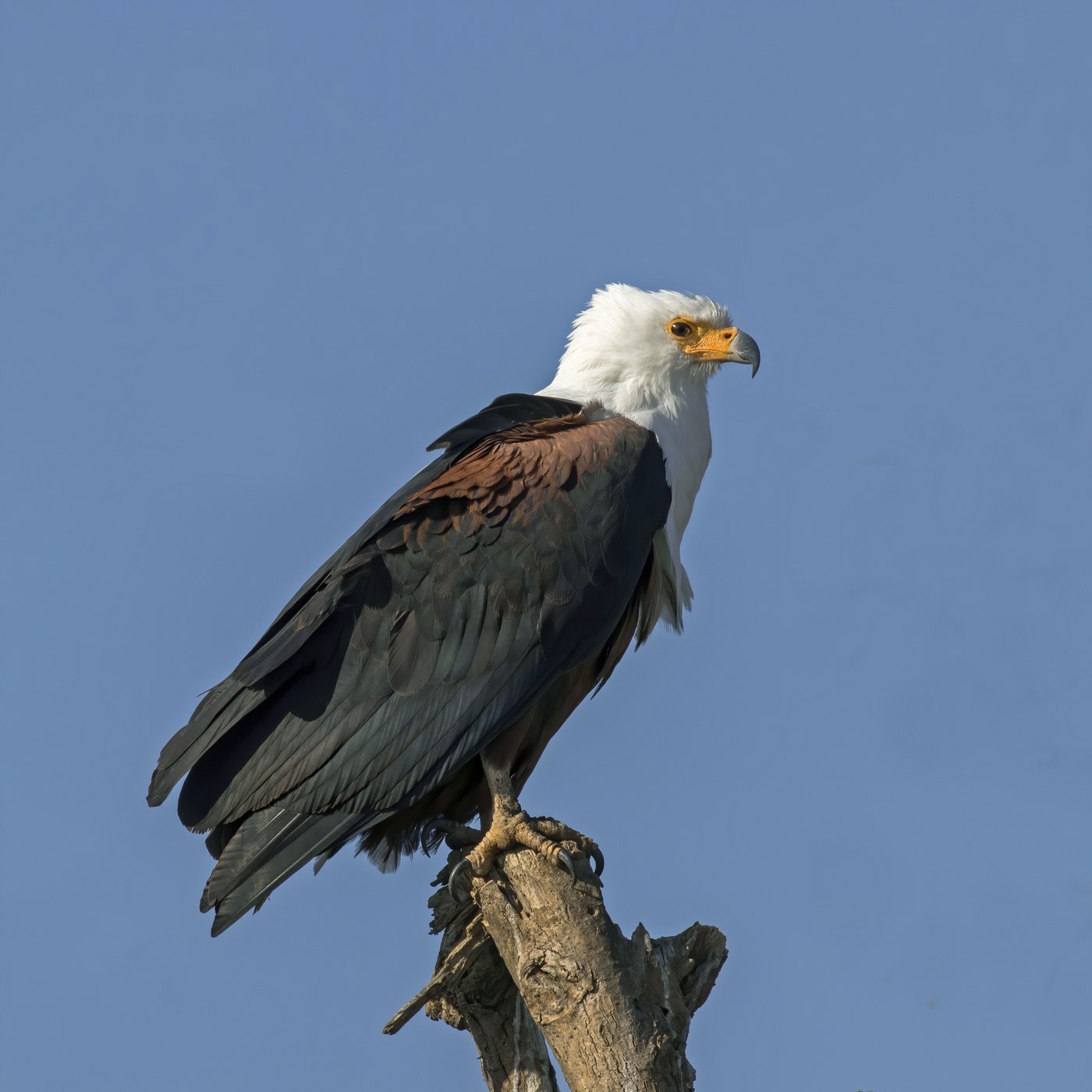
African Fish Eagle
Flight, tail, and body feathers

Amur Falcon
Slender pointed flight feathers; soft slate or orange-buff contour feathers
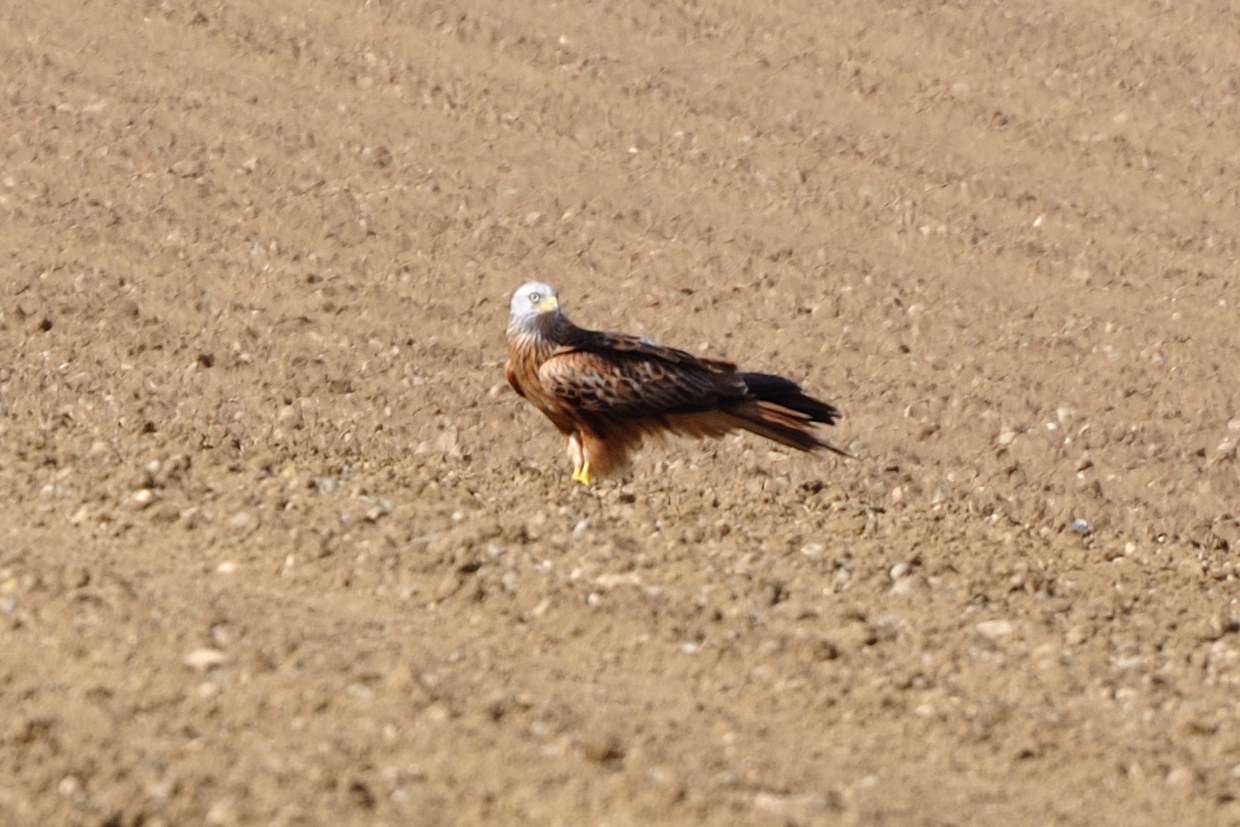
Red Kite
Flight (wing) and tail feathers
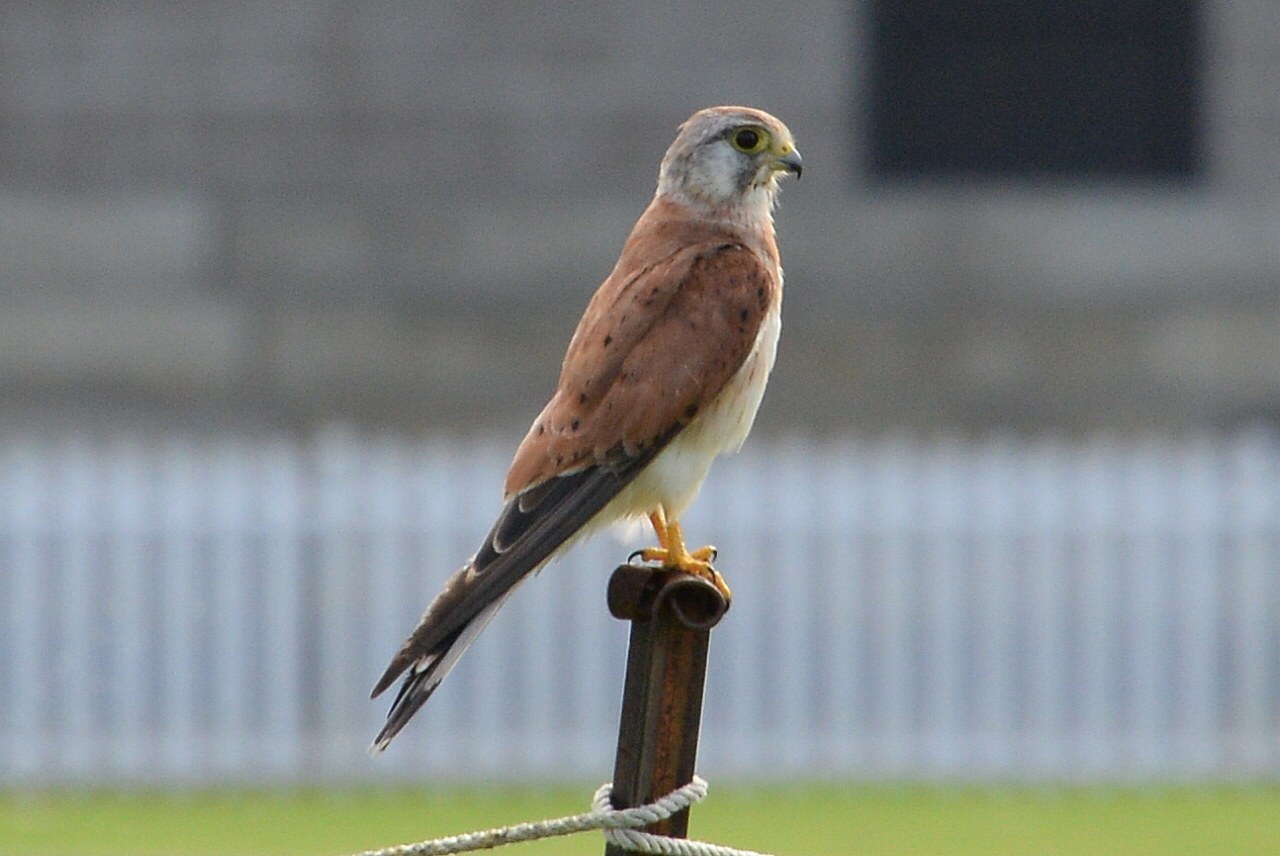
Nankeen Kestrel
Slim pointed flight feathers; lightly marked contour feathers

Andean Condor
Massive flight feathers; broad primaries and secondaries; sturdy tail feathers

Plumbeous Forest Falcon
Short rounded flight feathers; finely barred tail feathers

Sooty Falcon
Long pointed flight feathers; slim tail feathers