
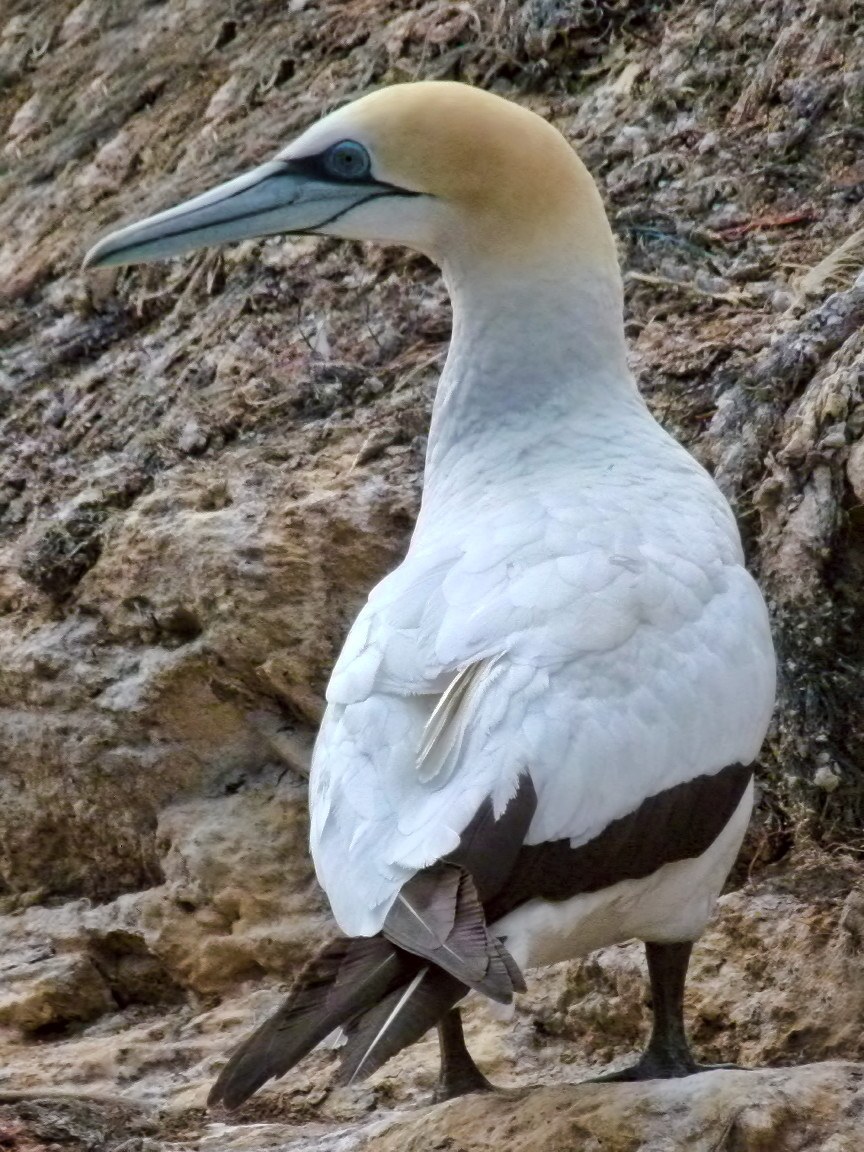
Australasian Gannet
Morus serrator
A large white seabird with black wingtips and a warm yellow head wash, known for spectacular high-speed plunge-dives into the ocean.
- Feather type
- Long, streamlined flight feathers built for plunge-diving
- Colours
- White body, black wingtips, buffy-yellow head wash
- Bird size
- Large seabird, ~84-91 cm
Found a feather like this?
Identify any feather from a photo, free.
Overview
Overview
The Australasian Gannet is a large, streamlined seabird found around the coasts of Australia and New Zealand, closely related to other gannets and boobies worldwide. Its crisp white plumage, black-tipped wings, and soft golden wash on the head give it an elegant, torpedo-like silhouette both in flight and at rest.
Gannets are famous for their dramatic plunge-diving behavior, folding their wings and dropping from height into the sea to catch fish, an action their streamlined feather structure and body shape are well suited for.
Identifying the Feather
Feather Identification
- Body feathers: clean white, densely packed to withstand repeated high-speed water entry
- Head feathers: pale buffy-yellow wash, most pronounced on the crown and nape
- Flight feathers: primaries and outer secondaries are black, forming a bold trailing edge visible against the white body in flight
- Shaft: thick and reinforced near the base, an adaptation associated with the impact of plunge-diving
- Compared to gulls, gannet feathers are notably longer and more rigid, built for sustained soaring and diving rather than general-purpose flight
Plumage & Molt
Plumage Notes
Adults display crisp white plumage with black wingtips and a golden head wash year-round, with little seasonal variation. Juveniles are heavily mottled brown and white, gradually lightening over several years of immature plumages before reaching full adult coloration.
Adults undergo a gradual molt of flight feathers that allows them to remain capable fliers throughout the process, important for a species reliant on extended foraging flights over open ocean.
Habitat & Range
Habitat & Range
Australasian Gannets breed in colonies on coastal cliffs, headlands, and offshore islands around southeastern Australia and New Zealand, foraging over open ocean waters often far from the coast. Colonies are typically located on exposed sites with good wind exposure for takeoff and landing.
The species is migratory to some extent, with juveniles and some adults dispersing widely across the Tasman Sea and beyond outside the breeding season.
Behavior & Field Notes
Behavior & Field Notes
Gannets forage by plunge-diving from considerable heights, folding their wings just before impact to spear into schools of fish below the surface. They often hunt in groups, taking advantage of concentrated prey.
Nests are built close together on cliff ledges or flat ground within dense colonies, constructed from seaweed, guano, and debris. Their calls are harsh, repeated croaks and cackles typical of colonial seabirds during breeding season.
Frequently asked questions
Why do Australasian Gannet feathers need to be so tough?
Their body feathers are densely packed and reinforced to handle the repeated impact of high-speed plunge-diving into the ocean.
What color is a juvenile Australasian Gannet's plumage?
Juveniles are heavily mottled brown and white, taking several years to reach the clean white adult plumage with black wingtips.
Where do Australasian Gannets breed?
They breed in coastal colonies on cliffs, headlands, and offshore islands in southeastern Australia and New Zealand.
What does the yellow wash on a gannet's head indicate?
The golden-buff head wash is a normal adult feature seen year-round and is not related to season or breeding status.
Australasian Gannet guides
In-depth guides for identifying and understanding Australasian Gannet.
Other feathers you may enjoy

Western Gull
Body, flight, and tail feathers
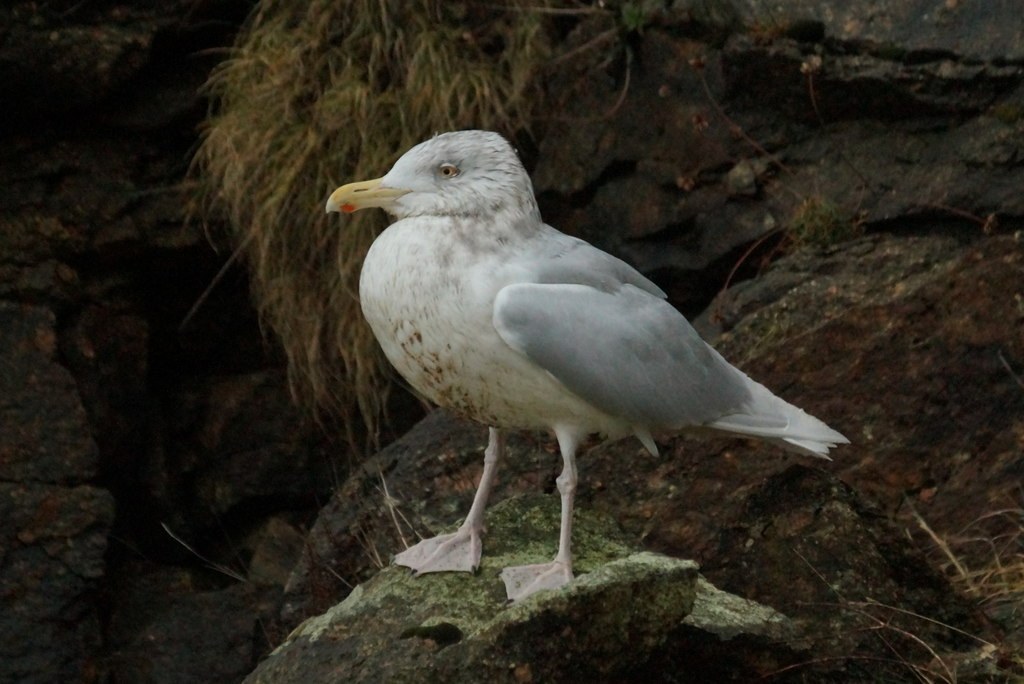
Glaucous Gull
Body, flight, and tail feathers

American Herring Gull
Body, flight, and tail feathers

Great Black-backed Gull
Body, flight, and tail feathers

Common Gull
Body, flight, and tail feathers
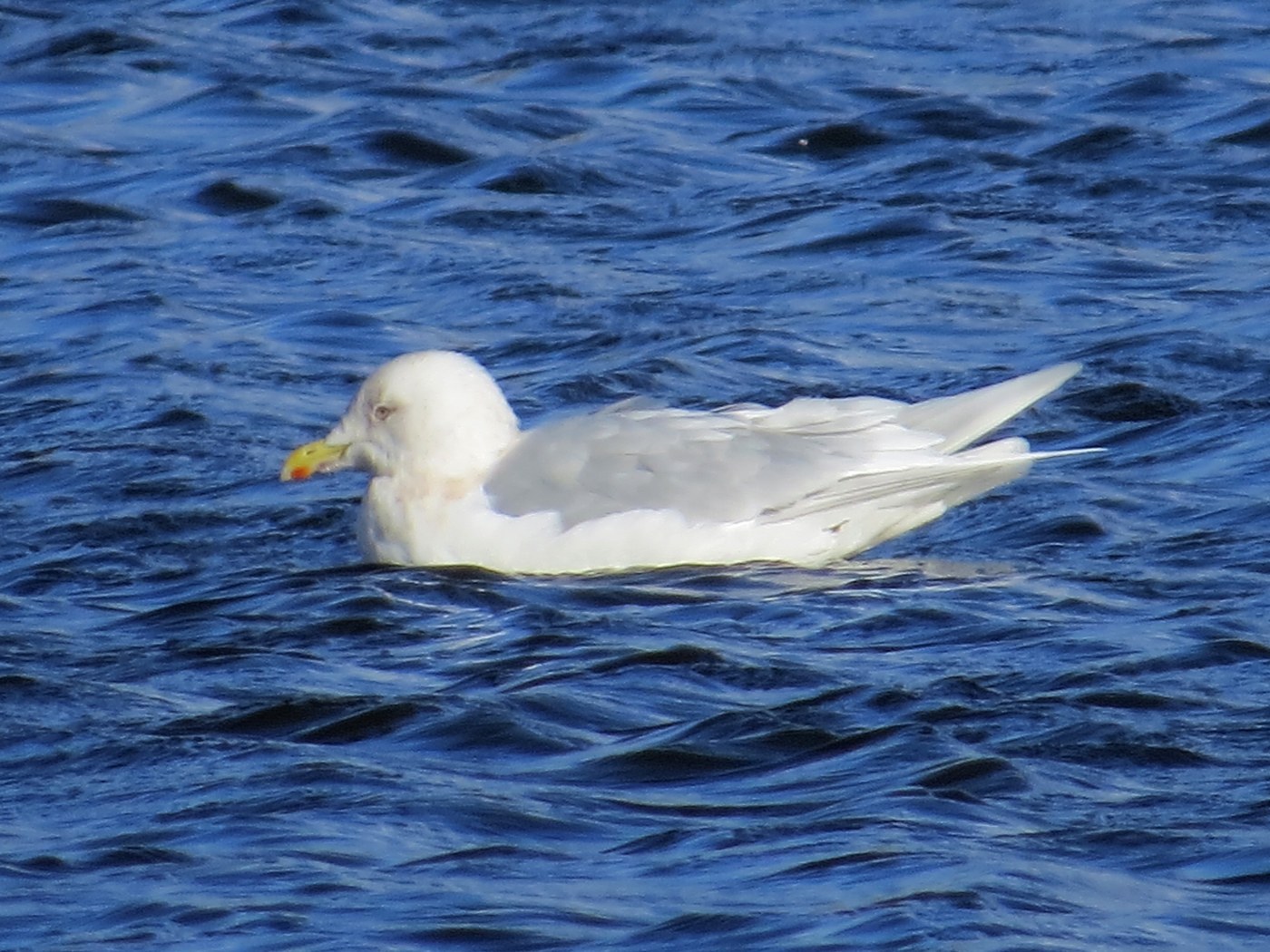
Iceland Gull
Body, flight, and tail feathers

Ring-billed Gull
Body, flight, and tail feathers

Glaucous-winged Gull
Body, flight, and tail feathers

Herring Gull
Body, flight, and tail feathers

Lesser Black-backed Gull
Body, flight, and tail feathers

California Gull
Body, flight, and tail feathers
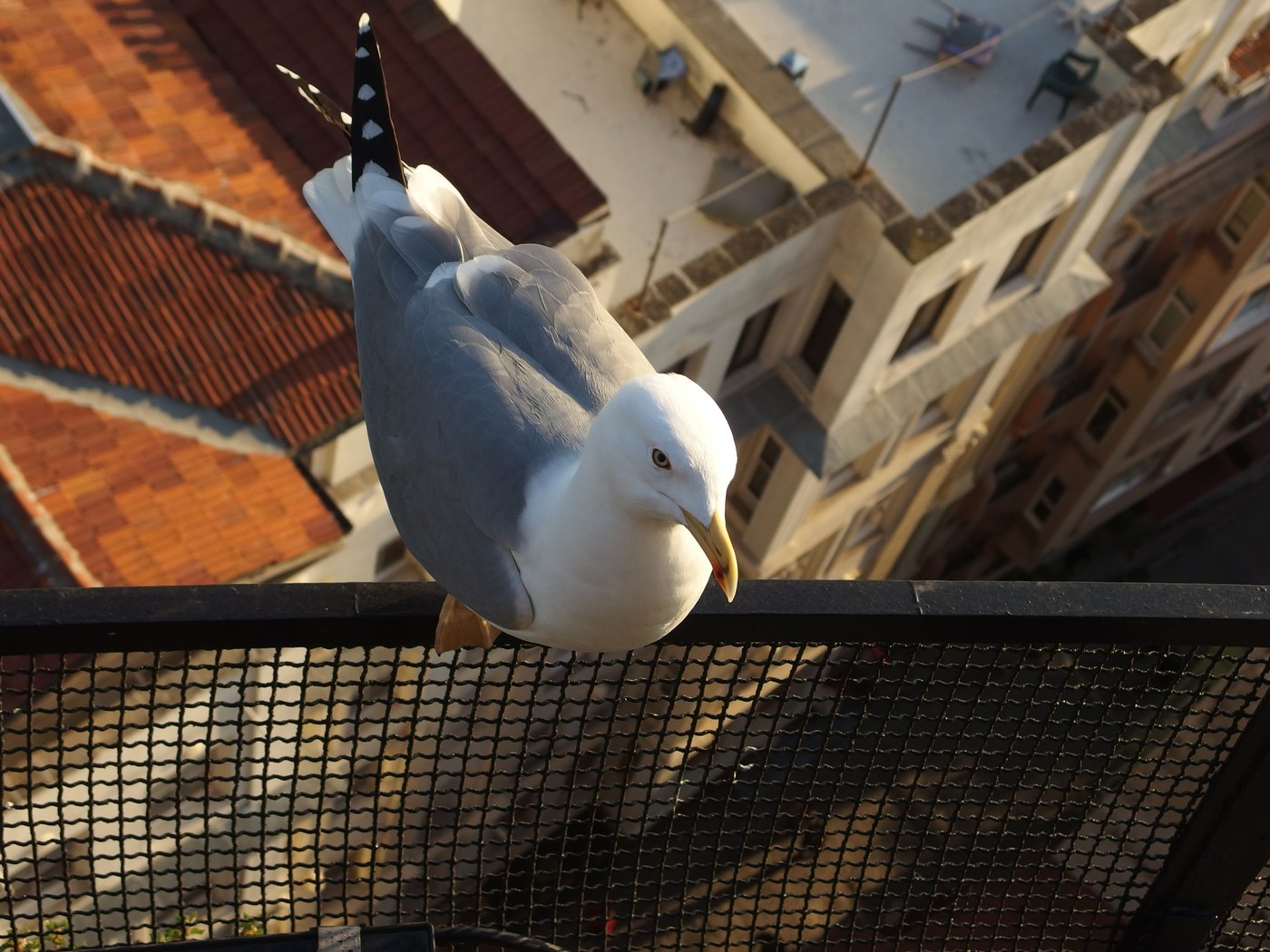
Yellow-legged Gull
Body, wing covert, and flight feathers