

American White Pelican
Pelecanus erythrorhynchos
A massive, brilliant white pelican with strikingly black flight feathers visible in flight, one of the largest birds in North America.
- Feather type
- Very large body feathers and broad flight feathers
- Colours
- White overall with black primaries and outer secondaries
- Bird size
- Very large, ~127-165 cm, one of the largest North American birds
Found a feather like this?
Identify any feather from a photo, free.
Overview
Overview
The American White Pelican is a huge, gleaming white waterbird, one of the largest flying birds in North America, easily recognized in flight by the sharp black-and-white contrast of its wings. Unlike the Brown Pelican, it feeds while swimming on the water surface rather than by diving.
Breeding adults develop a distinctive fibrous plate on the upper bill that is shed after the breeding season, a unique feature among North American birds, though this relates to bill structure rather than feathers directly.
Identifying the Feather
American White Pelican feathers are large, given the bird's exceptional size, and mostly white.
- Body feathers: White overall, including the back, breast, and belly.
- Flight feathers: Primaries and outer secondaries are solid black, creating a bold contrast with the white wing coverts and body when the wing is spread.
- Feather size: Among the largest feathers likely to be found from any North American bird, reflecting the species' great size.
- Compared to Brown Pelican: The overall white body plumage, rather than dark grayish-brown, immediately separates American White Pelican feathers from Brown Pelican.
Plumage & Molt
Adults are white overall with black primaries and outer secondaries visible mainly in flight, and a pale yellowish-orange wash sometimes present on the breast during breeding season. Sexes look alike. Juveniles are similar to adults but with some grayish mottling on the head and neck that clears with maturity. Molt is complete after the breeding season, and breeding adults also develop then shed a unique fibrous knob on the bill unrelated to feather molt.
Habitat & Range
American White Pelicans breed colonially on islands in freshwater lakes and wetlands across interior North America, then migrate to wintering areas along coastal bays, estuaries, and inland waters farther south, including the Gulf Coast and parts of Central America. They favor calm, open water bodies for both breeding and foraging, generally avoiding rough open ocean.
Behavior & Field Notes
Unlike the Brown Pelican, this species feeds while swimming, often cooperatively herding fish into shallow water with coordinated group movements before scooping them up in its large throat pouch, rather than diving from the air. It nests in dense colonies on isolated islands, building a simple ground scrape, and typically raises one or two chicks per season. Calls are generally low grunts, given mainly around breeding colonies, as the species is largely silent elsewhere.
Frequently asked questions
How can I identify an American White Pelican feather?
Look for large white body feathers, or a solid black flight feather from the primaries or outer secondaries that would show as part of the striking black-and-white wing pattern in flight.
How does American White Pelican feeding behavior differ from Brown Pelican?
American White Pelicans feed while swimming, often cooperatively herding fish in shallow water, rather than plunge-diving from the air like Brown Pelicans.
Are American White Pelican feathers different between breeding and nonbreeding season?
Feather coloring stays largely the same, though breeding adults may show a pale yellowish-orange wash on the breast and develop a temporary fibrous plate on the bill unrelated to the feathers.
Where would an American White Pelican feather likely be found?
Near freshwater lake and wetland breeding colonies across interior North America, or along coastal bays and estuaries used during migration and winter.
American White Pelican guides
In-depth guides for identifying and understanding American White Pelican.

American White Pelican identified by the community
Real feathers identified with Feather Identifier.


Other feathers you may enjoy

Western Gull
Body, flight, and tail feathers
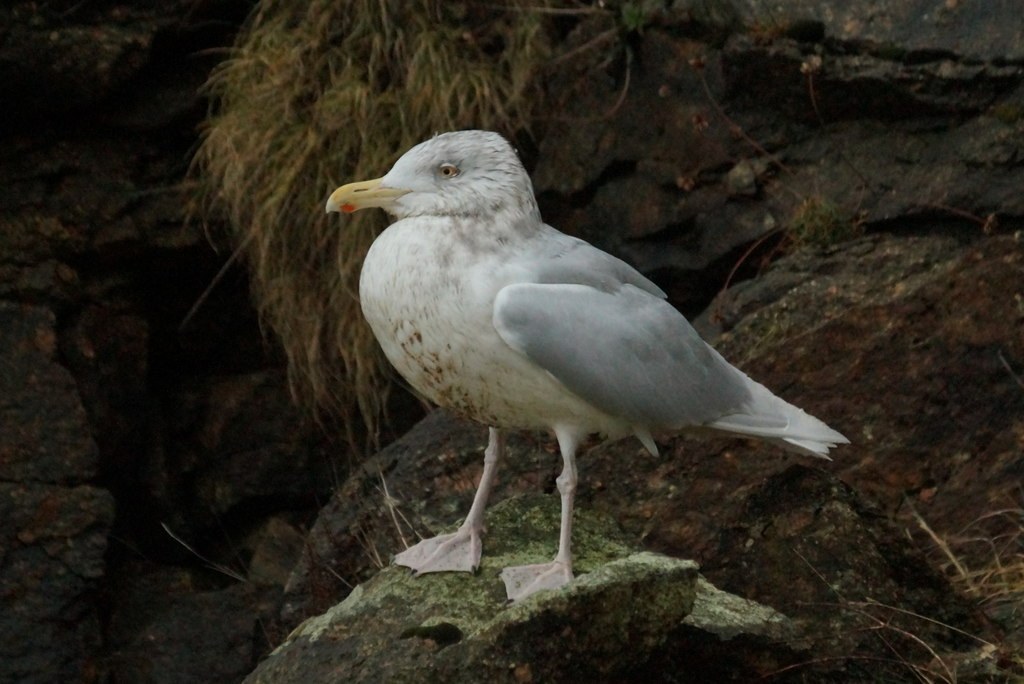
Glaucous Gull
Body, flight, and tail feathers

American Herring Gull
Body, flight, and tail feathers

Great Black-backed Gull
Body, flight, and tail feathers

Common Gull
Body, flight, and tail feathers
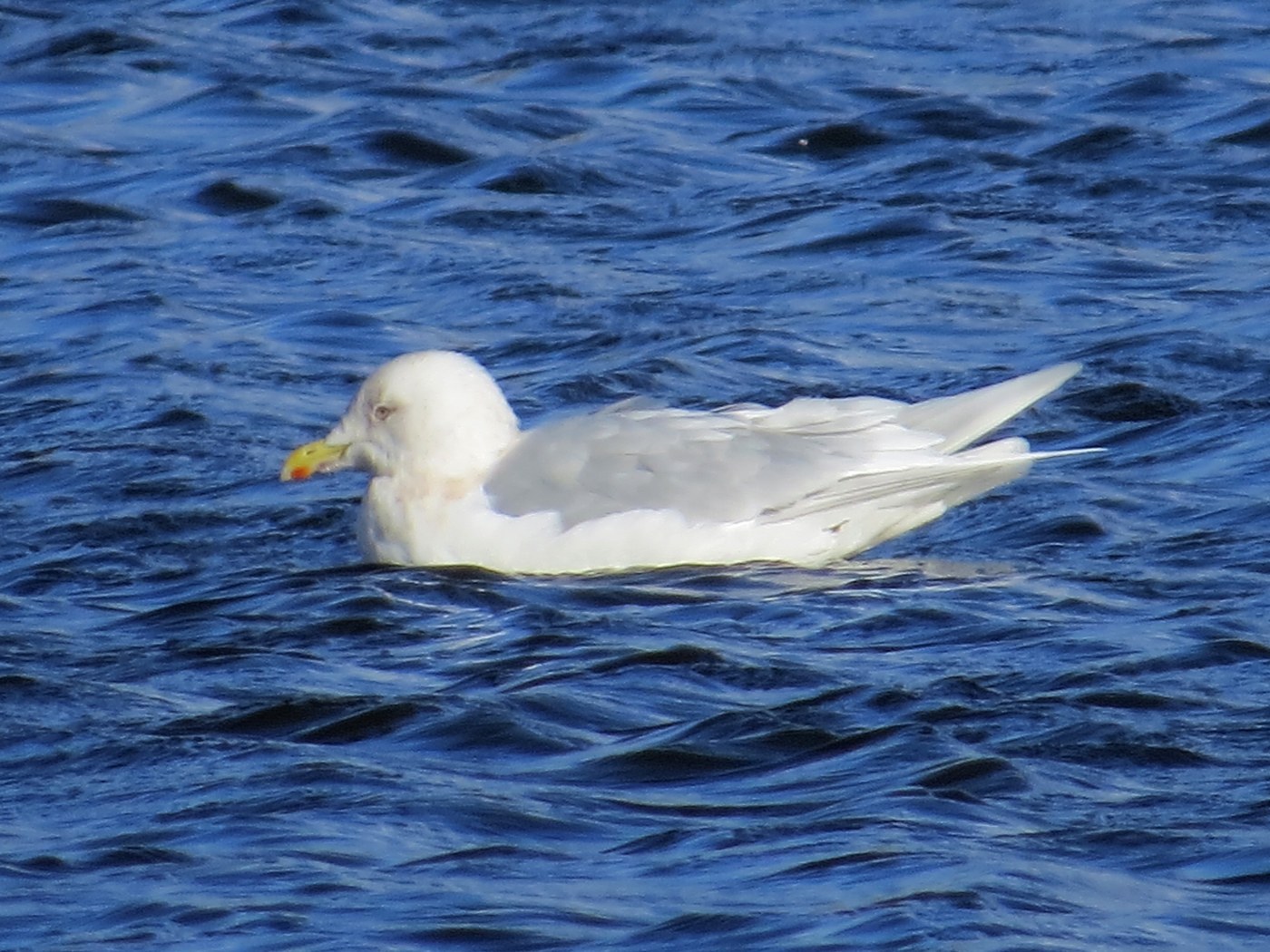
Iceland Gull
Body, flight, and tail feathers

Ring-billed Gull
Body, flight, and tail feathers

Glaucous-winged Gull
Body, flight, and tail feathers

Herring Gull
Body, flight, and tail feathers

Lesser Black-backed Gull
Body, flight, and tail feathers

California Gull
Body, flight, and tail feathers
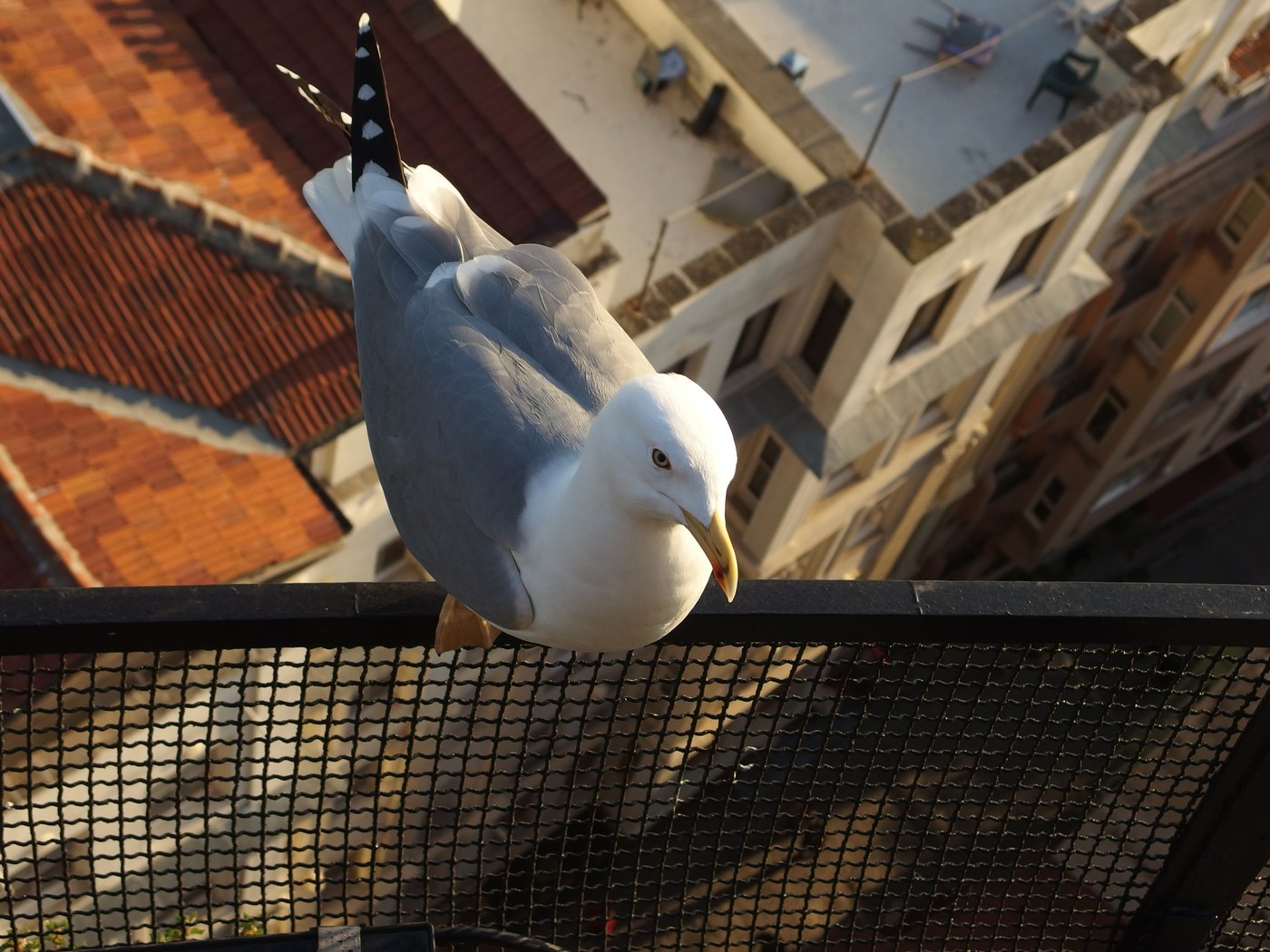
Yellow-legged Gull
Body, wing covert, and flight feathers