
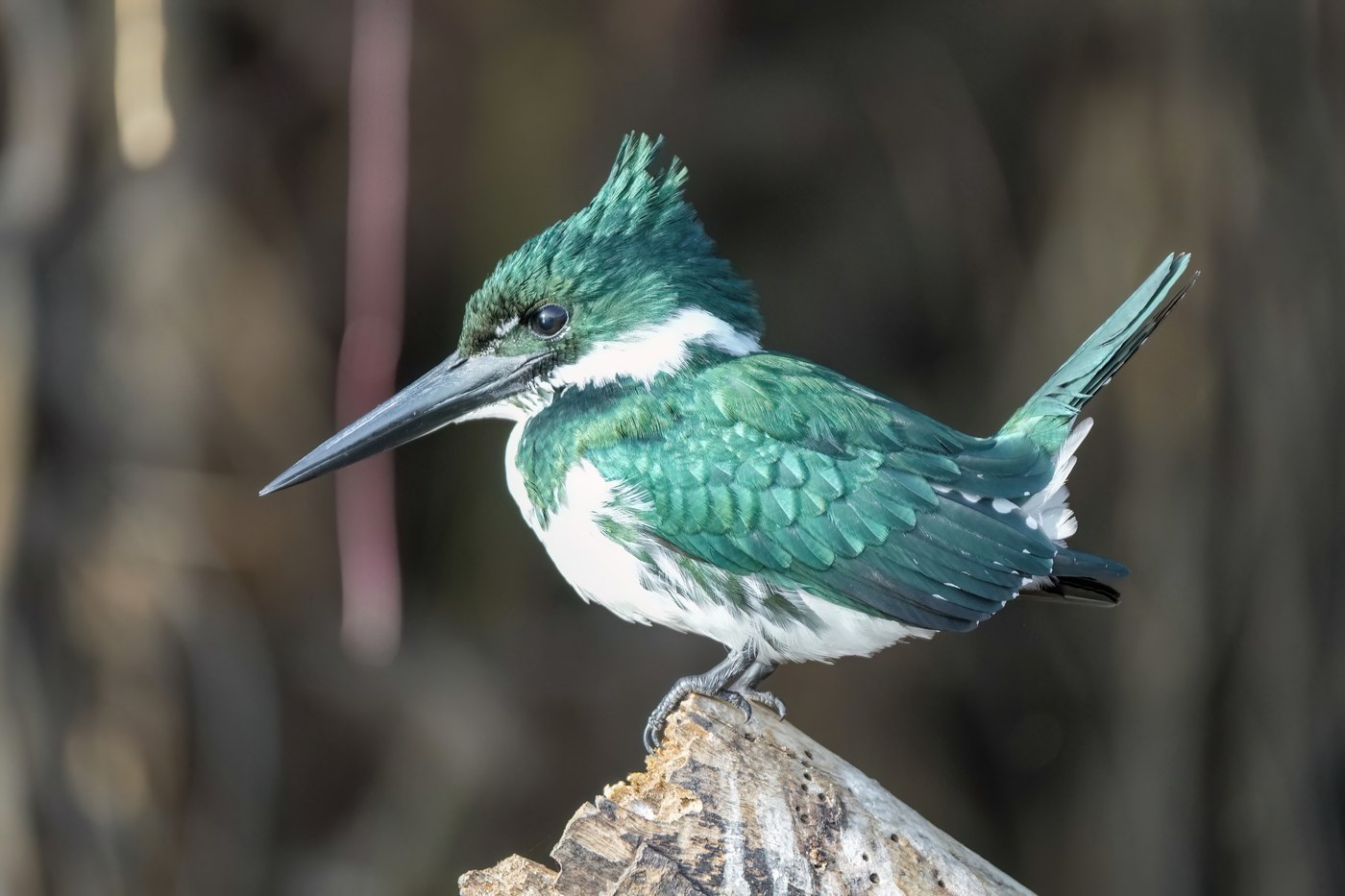
Amazon Kingfisher
Chloroceryle amazona
A large green-and-white kingfisher of tropical American waterways, with males showing a broad chestnut breast band that females lack in full. It hunts fish from perches overhanging rivers and streams.
- Feather type
- Dense, glossy contour feathers with a shaggy crest
- Colours
- Glossy green upperparts, white underparts, and a chestnut breast band in males
- Bird size
- Pigeon-sized, ~30 cm
Found a feather like this?
Identify any feather from a photo, free.
Overview
Overview
The Amazon Kingfisher is a large kingfisher of tropical American rivers and streams, ranging from Mexico through Central America and much of South America. Its glossy dark green upperparts and white underparts are set off in males by a solid chestnut breast band, while females show a narrower, more broken band instead. It typically hunts by watching for fish from a perch overhanging the water before plunge-diving to catch its prey.
Identifying the Feather
Feather Identification
- Upperparts: Glossy dark green with fine white spotting on the wing coverts.
- Crest: A shaggy, spiky crest tops the crown.
- Underparts: White overall.
- Breast band: Males show a solid chestnut band across the upper breast; females show a narrower, more broken, green-spotted band in its place.
- Versus similar kingfishers: The smaller Green Kingfisher shows white spotting on the outer tail feathers and a notably smaller bill; the Amazon Kingfisher's larger size and heavier bill help separate the two.
Plumage & Molt
Plumage Notes
The species is sexually dimorphic in the breast band as described above. Juveniles resemble females but show buffier spotting on the upperparts. A single complete molt occurs annually.
Habitat & Range
Habitat & Range
The Amazon Kingfisher ranges from Mexico through Central America and much of South America to Argentina. It is found along wooded rivers, streams, lake edges, and mangroves, generally at lower elevations, and is resident and non-migratory.
Behavior & Field Notes
Behavior & Field Notes
Amazon Kingfishers perch on branches or snags overhanging water, plunge-diving to catch fish and aquatic invertebrates. They nest in burrows dug into earthen riverbanks and give loud, harsh rattling calls, especially in flight.
Frequently asked questions
How do you tell a male from a female Amazon Kingfisher?
Males show a solid chestnut band across the breast, while females show a narrower, more broken, green-spotted band instead.
How does the Amazon Kingfisher catch fish?
It perches on branches overhanging water and plunge-dives to catch fish and aquatic invertebrates.
How can you distinguish the Amazon Kingfisher from the Green Kingfisher?
The Amazon Kingfisher is noticeably larger with a heavier bill, while the Green Kingfisher shows white spotting on its outer tail feathers.
Where does the Amazon Kingfisher nest?
It excavates burrows in earthen riverbanks near the water it forages over.
Amazon Kingfisher guides
In-depth guides for identifying and understanding Amazon Kingfisher.
Other feathers you may enjoy

Common Cuckoo
Flight and body feathers
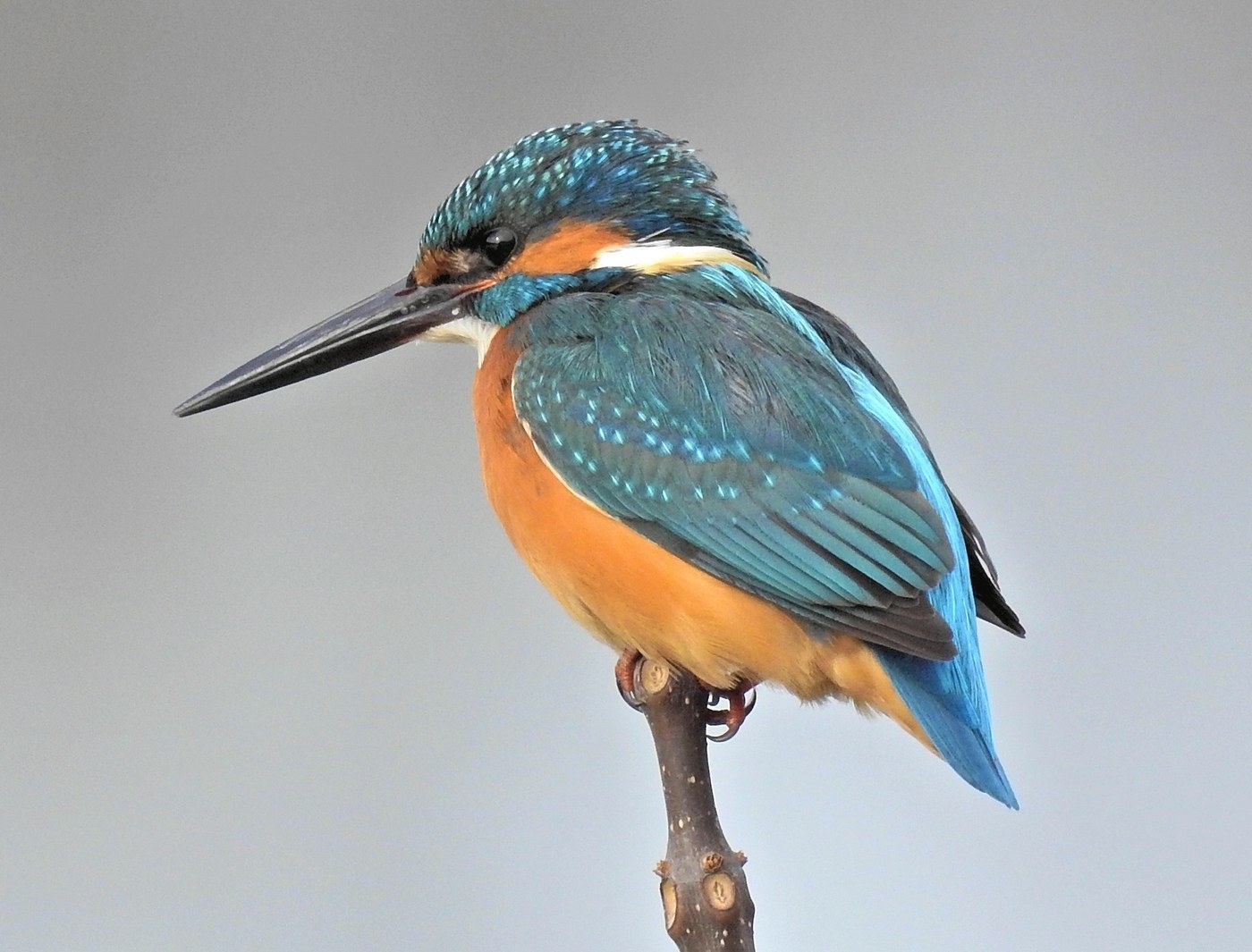
Common Kingfisher
Body (contour) and wing feathers
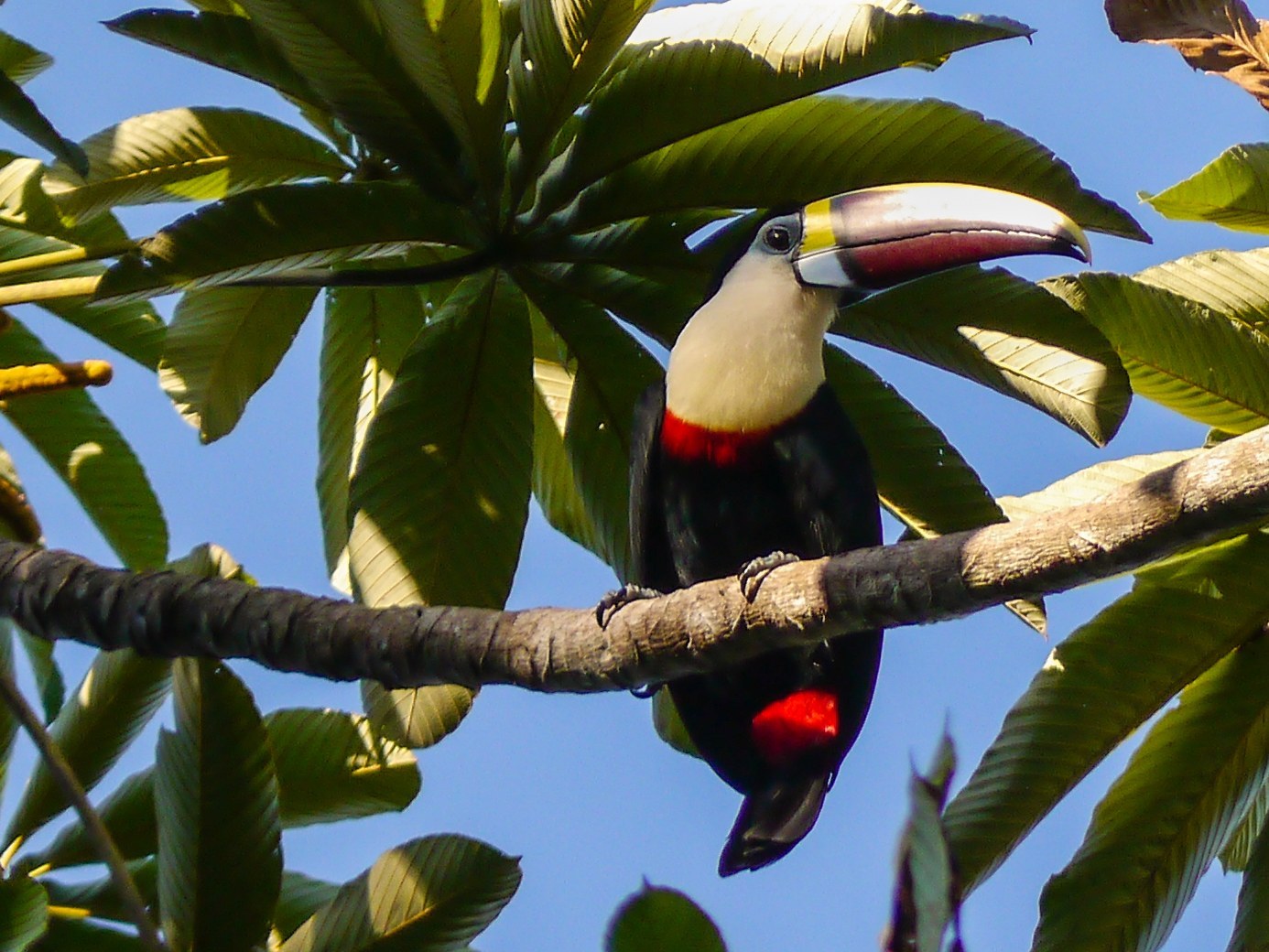
White-throated Toucan
Short rounded contour feathers, short broad wings
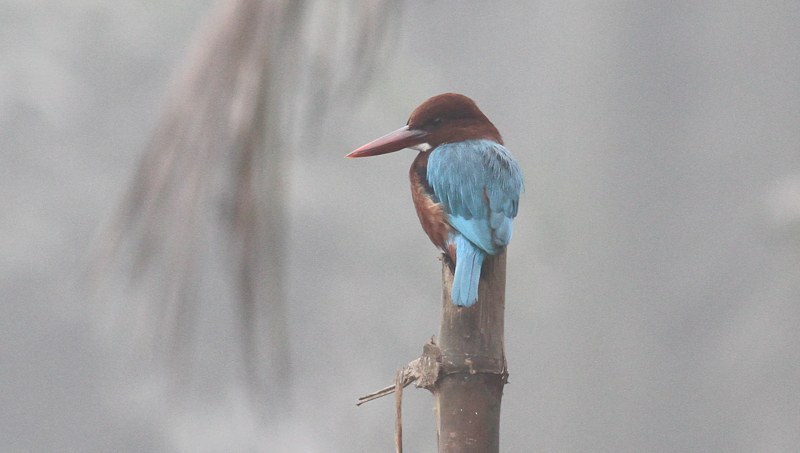
White-throated Kingfisher
Dense contour feathers; broad rounded wings

White-throated Bee-eater
Sleek, aerodynamic contour feathers; elongated central tail streamers
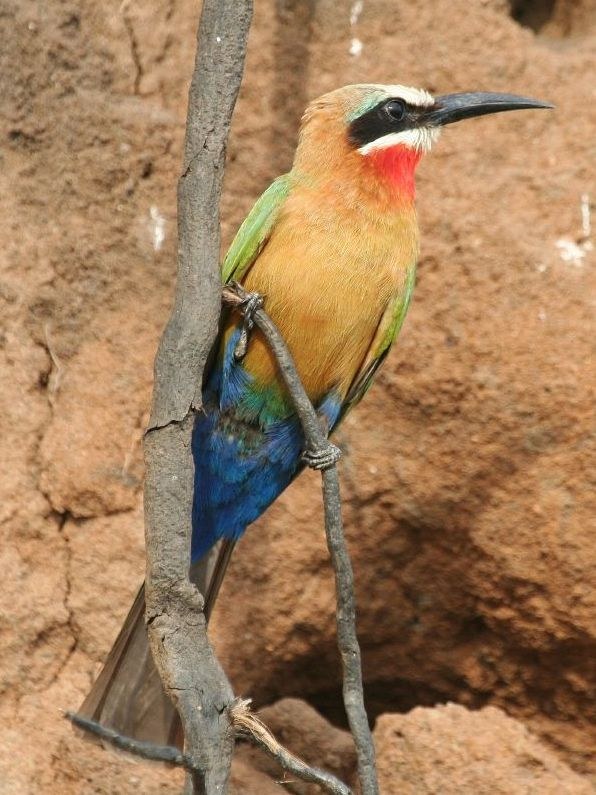
White-fronted Bee-eater
Sleek contour feathers; short tail with slight point

Southern Yellow-billed Hornbill
Slender contour feathers, moderate flight feathers
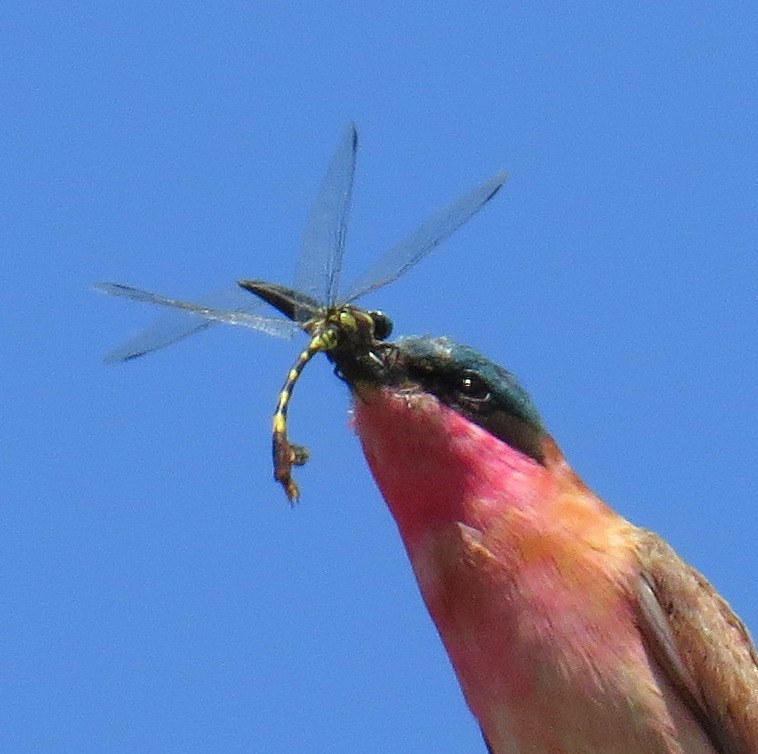
Southern Carmine Bee-eater
Sleek, pointed contour feathers; elongated central tail streamers
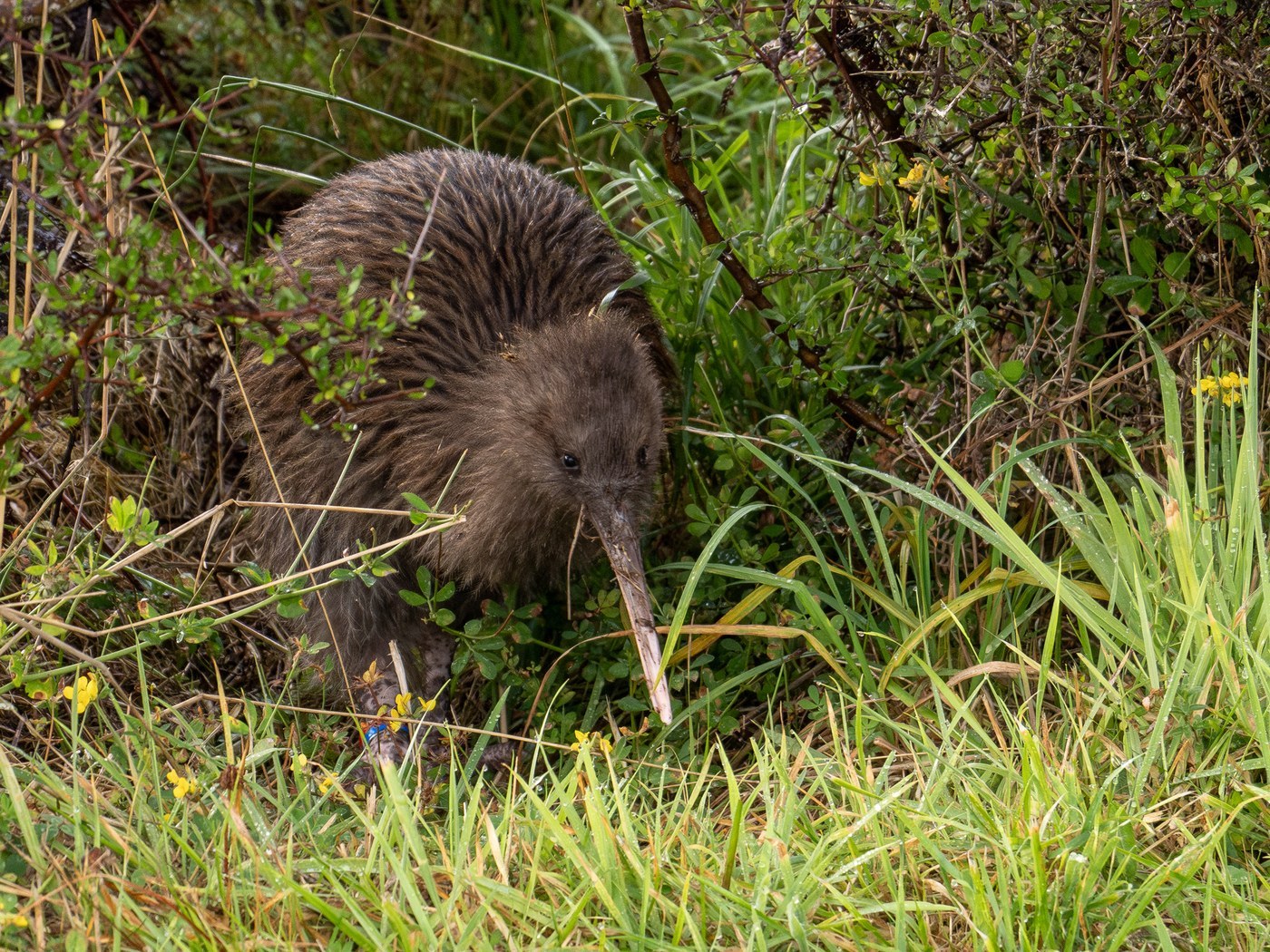
Southern Brown Kiwi
Shaggy, hair-like plumage with loose barbs lacking barbules; flightless, vestigial wings hidden beneath body feathers

Somali Ostrich
Loose, soft plumes lacking interlocking barbules

Wreathed Hornbill
Dense contour feathers, broad flight feathers

Woodland Kingfisher
Firm contour feathers; broad wing feathers