
Feather & Bird Encyclopedia
Search and identify feathers by species — with feather type, plumage, colours, size, habitat, and how to tell them apart in the field.
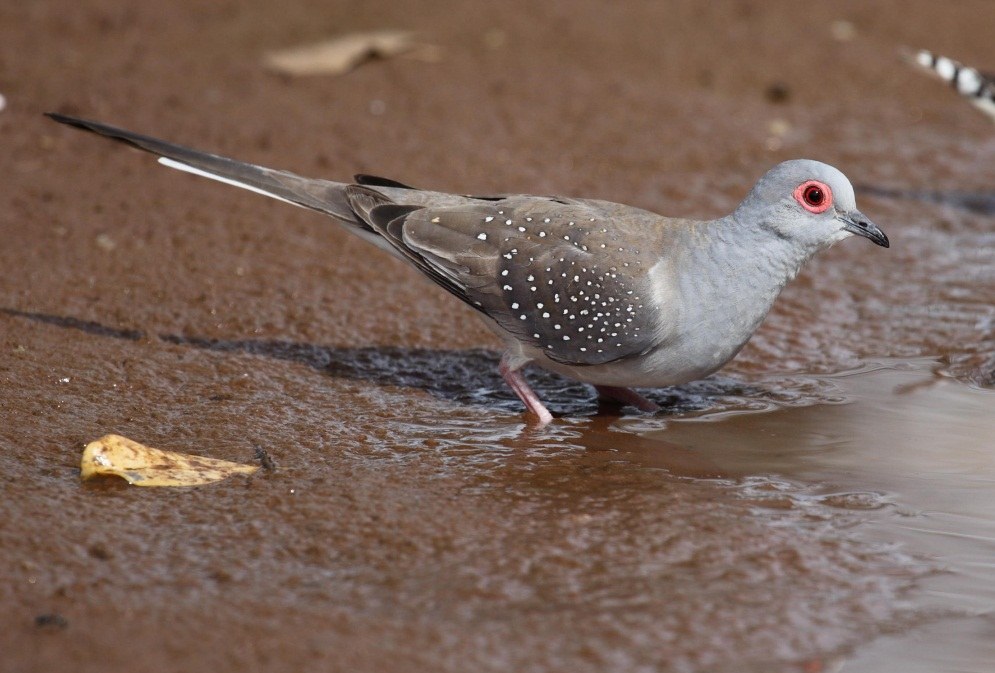
Diamond Dove
One of the smallest doves in the world, a soft gray-brown Australian desert species with tiny white-spotted wings and a bright red ring around the eye.
dove pigeon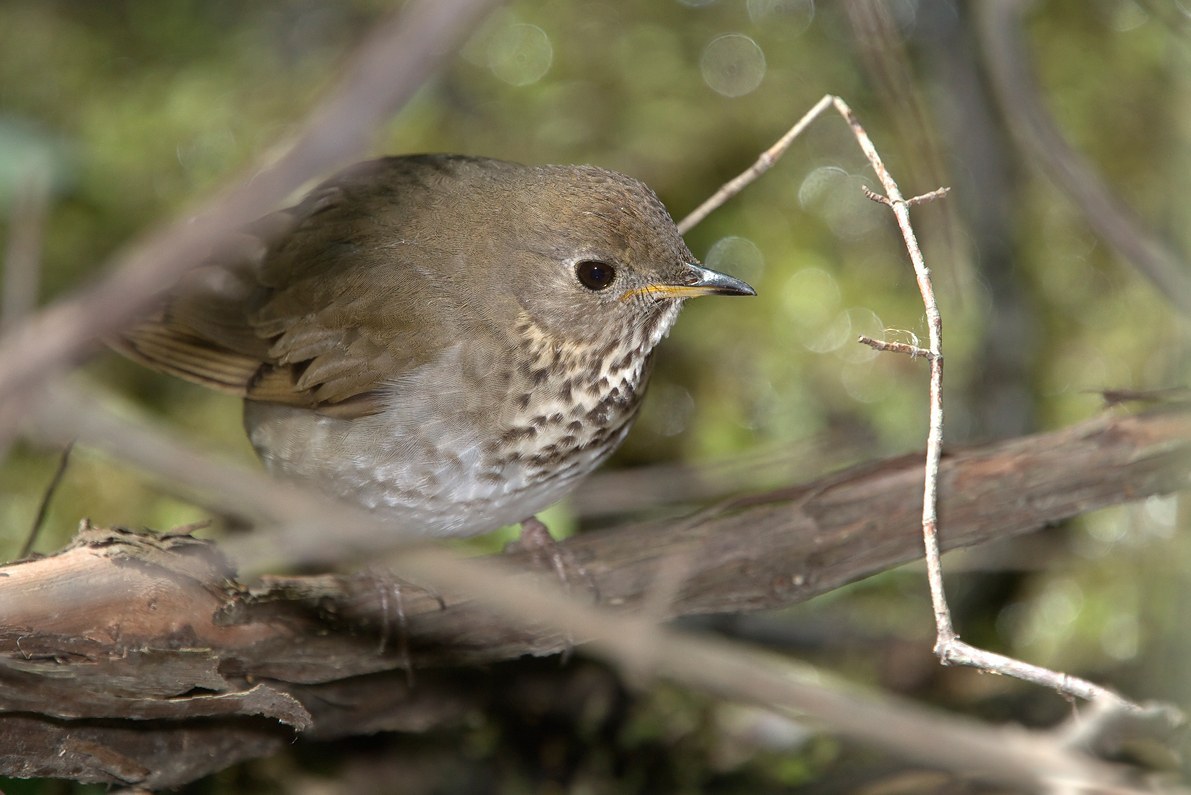
Gray-cheeked Thrush
A subdued, cold-toned thrush of the far north, distinguished from similar species mainly by its plain grayish face and weak or absent eye-ring.
songbird
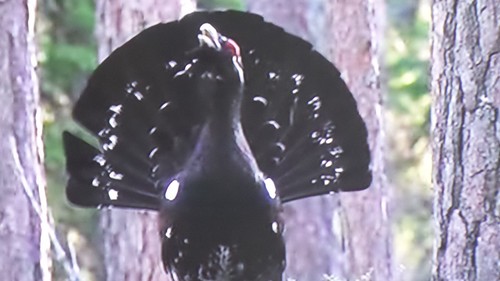
Western Capercaillie
The largest grouse species, with males showing a dark, heavy build, an iridescent green breast sheen, and an impressively broad fan-shaped tail during display.
gamebird
Iberian Green Woodpecker
The Iberian Peninsula's counterpart to the Eurasian Green Woodpecker, recently recognized as its own species, sharing the same green plumage and strongly ground-feeding habits.
woodpecker
Abdim's Stork
The smallest of the true storks, a compact African species with glossy black-and-white plumage, often associated locally with the arrival of seasonal rains and known for traveling in large flocks.
wading bird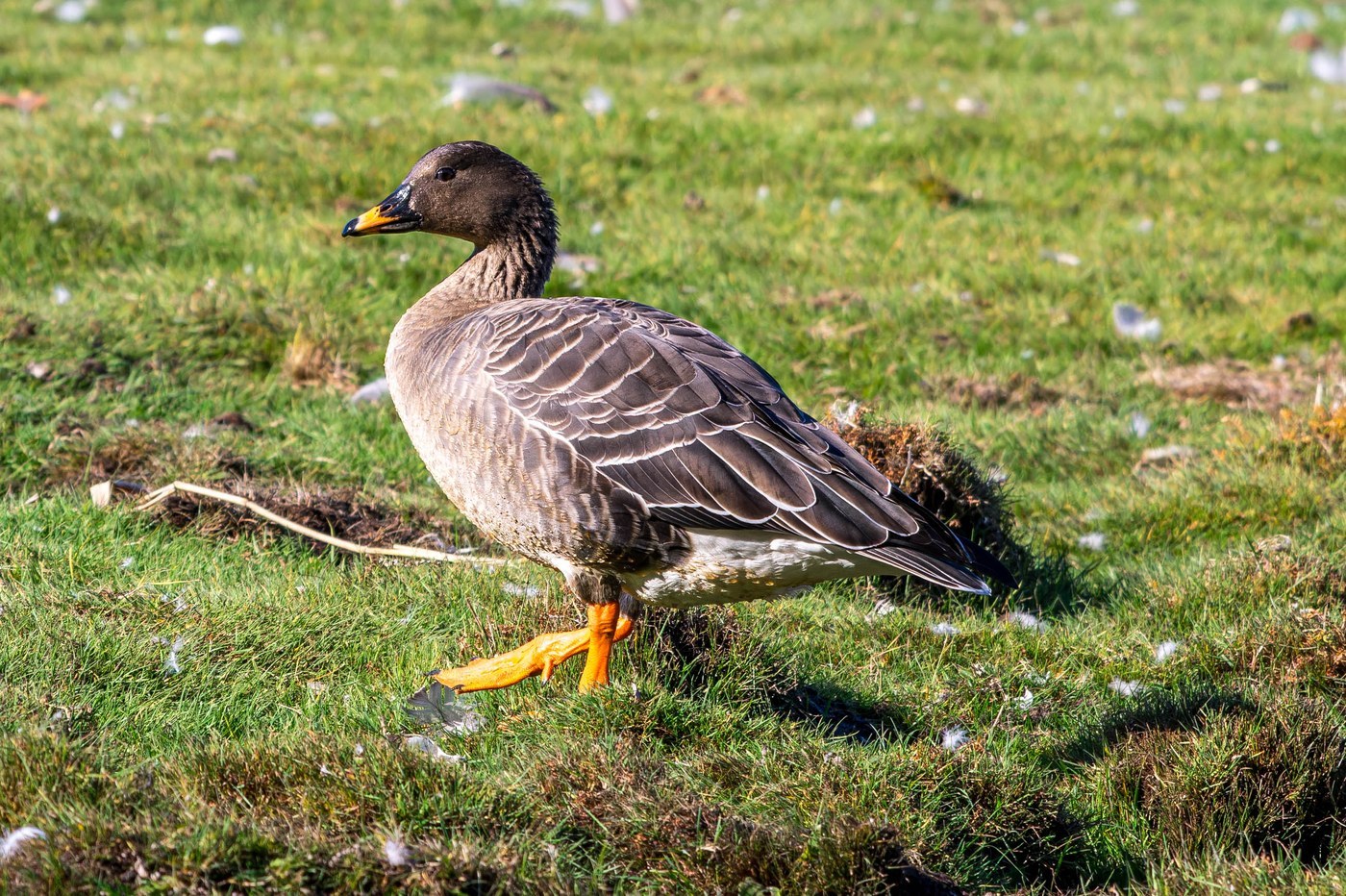
Bean Goose
A dark, orange-legged gray goose of Eurasian taiga and tundra, uniformly brown without the pale head-body contrast or bright bill color of related species.
waterfowl
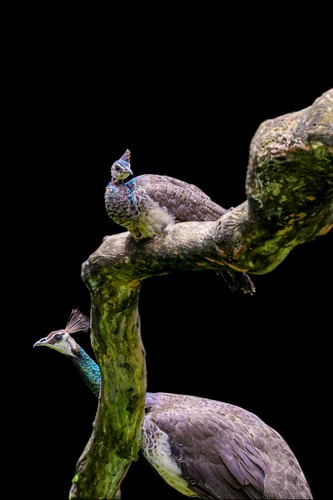
White Peafowl
A striking all-white color variant of the Indian Peafowl, retaining the species' iconic train shape and fanning display despite lacking the typical iridescent blue-green coloring.
gamebird
Far Eastern Curlew
The largest curlew species in the world, the Far Eastern Curlew is a dark, heavily streaked shorebird with an exceptionally long bill, dependent on East Asian-Australasian tidal mudflats for its migration.
shorebird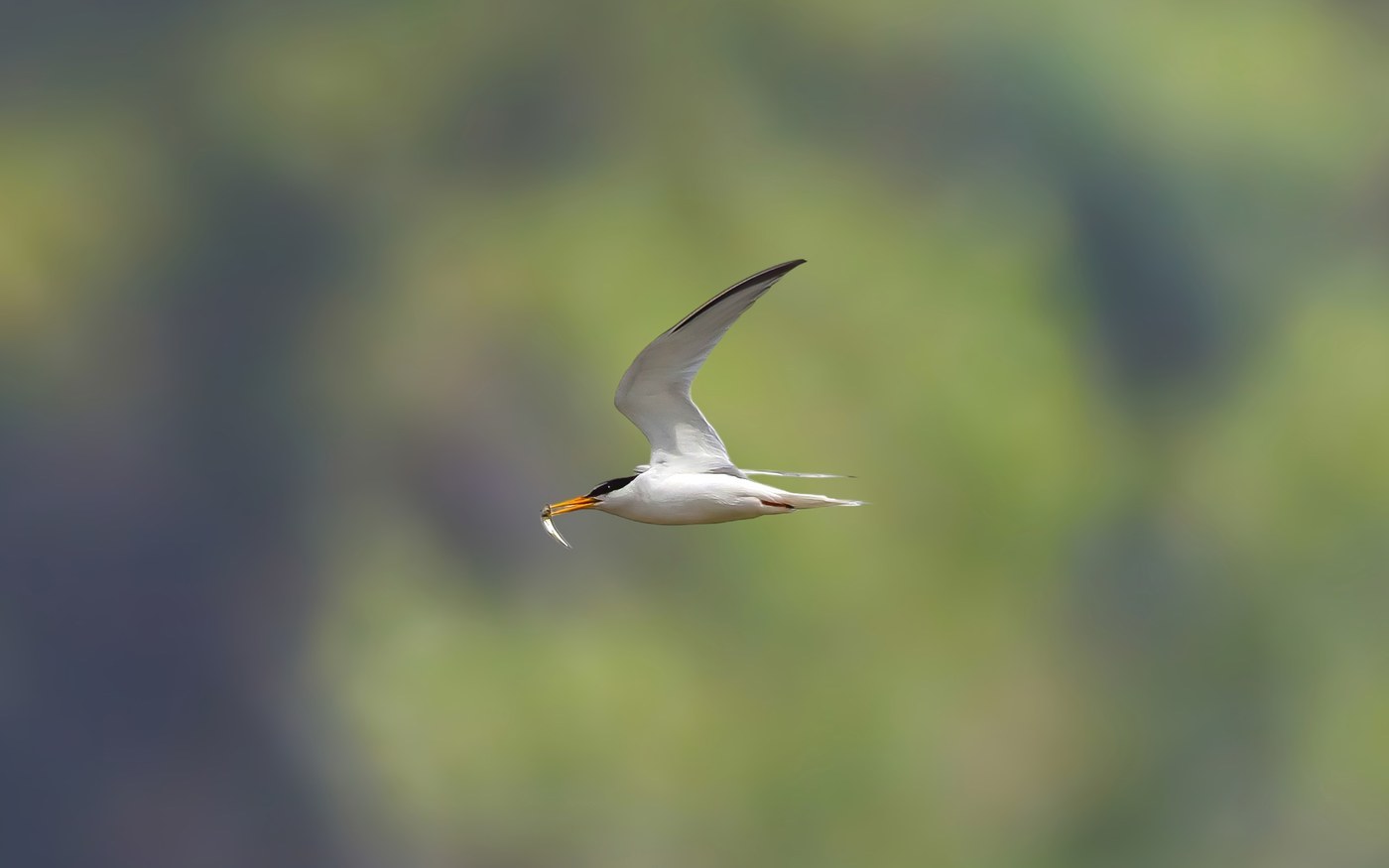
Little Tern
The Old World counterpart to the Least Tern, a tiny, fast-flying species of European, African, and Asian coasts, distinguished by its small size, yellow bill, and bold white forehead patch.
seabird
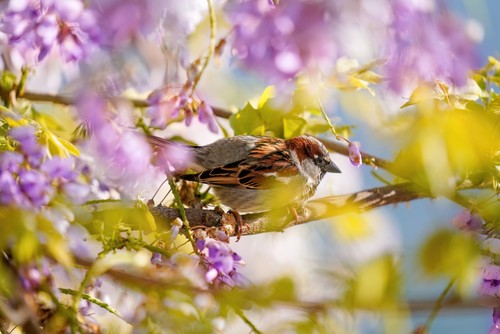
House Sparrow
The House Sparrow is an introduced species whose males show a gray crown, chestnut nape and black throat bib over a streaked brown back, while females are plain buffy-brown.
songbird
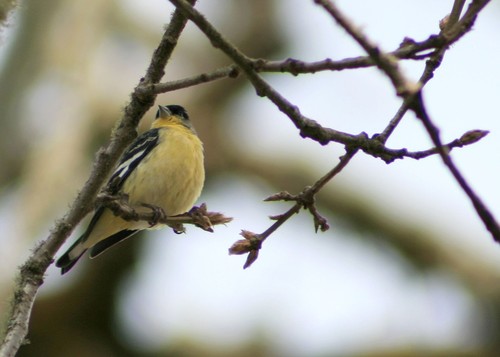
Black-headed Grosbeak
The western counterpart of the Rose-breasted Grosbeak, this species trades the rose-red breast for a warm cinnamon-orange body beneath a solid black head and boldly patterned black-and-white wings.
songbird
Black-necked Crane
A high-altitude specialist crane of the Tibetan Plateau, pale grey overall with a black head and neck and a bare red crown, adapted to some of the highest wetland habitats used by any crane species.
wading bird
Lesser Kestrel
A colonial, steppe-loving falcon closely resembling Common Kestrel but smaller and more social, with males showing an unspotted chestnut back and pale claws that separate the species from its more familiar relative.
raptor
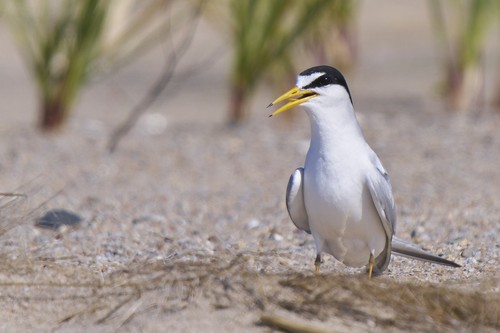
Least Tern
The smallest tern in North America, a diminutive, fast-flying species of sandy beaches and river sandbars, easily told by its small size, yellow bill, and white forehead patch above the black cap.
seabird
Jack Snipe
The smallest snipe species, the Jack Snipe shows striking golden-buff back stripes with an iridescent purple-green sheen, set off by dark brown plumage, and is famous for its secretive, near-silent behavior.
shorebird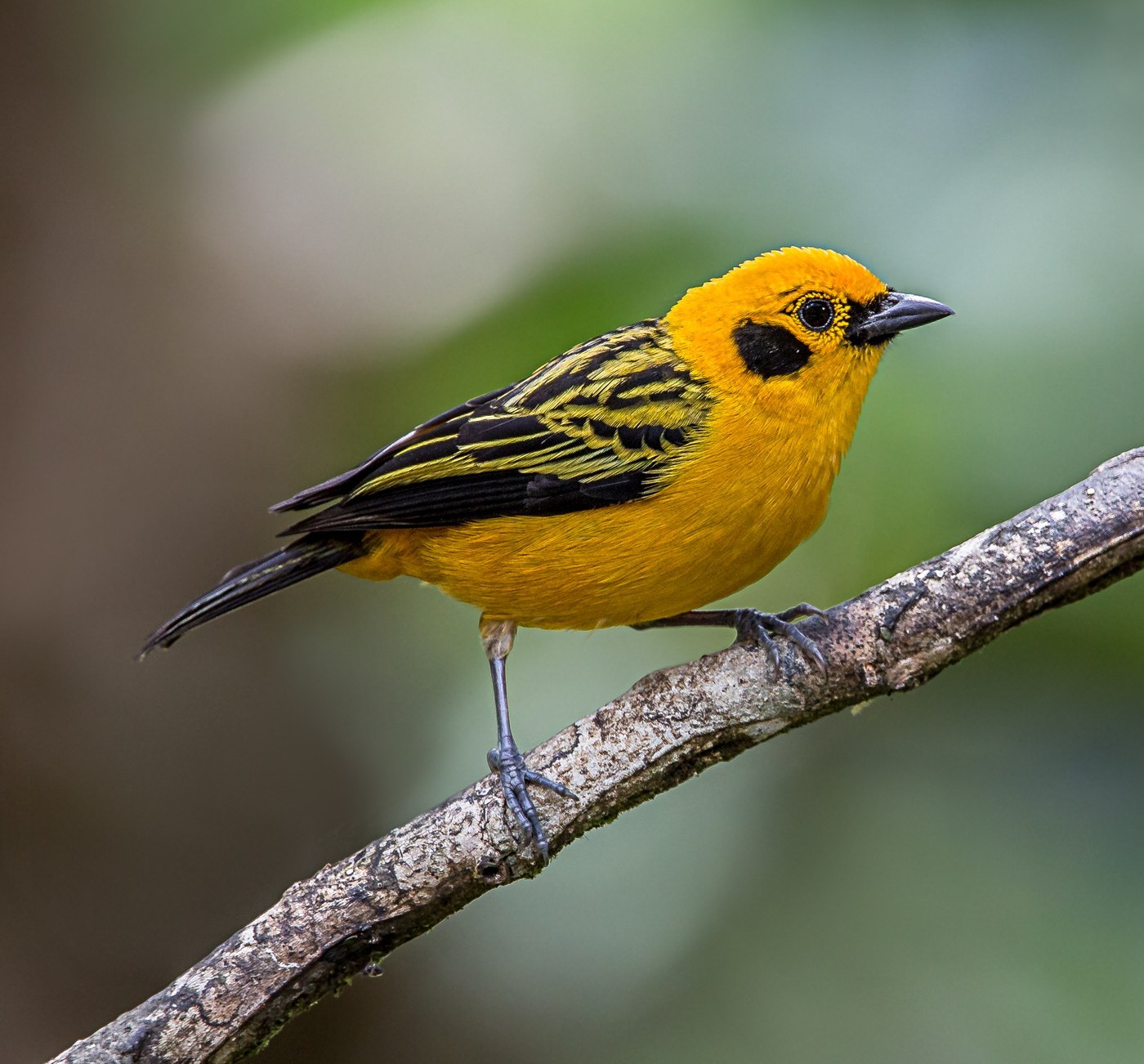
Golden Tanager
A vividly golden-yellow tanager of Andean cloud forests, marked by a bold black ear patch and dark streaking on the back and wings. Sexes look alike, and it often travels in mixed-species flocks through forest edge and secondary growth.
songbird