

Black-headed Grosbeak
Pheucticus melanocephalus
The western counterpart of the Rose-breasted Grosbeak, this species trades the rose-red breast for a warm cinnamon-orange body beneath a solid black head and boldly patterned black-and-white wings.
- Feather type
- Contour and flight feathers
- Colours
- Black head, warm orange-cinnamon body, black-and-white wings
- Bird size
- Medium, ~18-22 cm
Found a feather like this?
Identify any feather from a photo, free.
Overview
The Black-headed Grosbeak occupies deciduous and mixed woodlands across the western United States, closely related to and sharing a similar heavy bill and build with the eastern Rose-breasted Grosbeak. Males show a solid black head, warm cinnamon-orange underparts and back, and bold black-and-white wing feathers, while females show a more subdued brown-streaked pattern with an overall buffy-orange wash. The two species occasionally hybridize where their ranges meet in the Great Plains.
Identifying the Feather
Size and Shape
Feathers are large and robust, consistent with the species' heavy, seed-cracking bill, closely matching the size of Rose-breasted Grosbeak feathers.
Color and Pattern
- Male head feathers: solid black
- Male body feathers: warm cinnamon-orange on the breast, back, and rump
- Wing feathers: bold black with white patches and bars
- Female feathers: brown-streaked overall with a buffy-orange wash, less crisply patterned than the male
Distinguishing from Similar Species
Black-headed Grosbeak males differ from Rose-breasted Grosbeak males by the warm cinnamon-orange body color replacing the rose-red breast patch and white underparts; the two species' ranges overlap narrowly in the Great Plains where hybrids can show intermediate feather patterns.
Plumage & Molt
Adult males show a black head, cinnamon-orange body, and bold black-and-white wings; adult females are streaked brown and buffy-orange, with a less contrasting pattern than males and a bold pale eyebrow stripe. Immature males resemble females before gradually acquiring adult coloration. Adults undergo a complete molt after breeding, prior to migration.
Habitat & Range
Black-headed Grosbeaks breed across the western United States and into Mexico, favoring deciduous and mixed woodlands, riparian corridors, and canyon habitats. The species is migratory, wintering primarily in Mexico.
Behavior & Field Notes
This grosbeak feeds on insects, seeds, and fruit, using its heavy bill to crack open seeds and even to safely consume some toxic insects that other birds avoid. It builds a loose cup nest in trees or shrubs, and like its eastern relative, males participate in incubation and are known to sing from the nest. Its song is similarly rich and warbling, often compared to an American Robin's but fuller and more melodious, and its calls include a sharp, squeaky note similar to the Rose-breasted Grosbeak's.
Frequently asked questions
How is the Black-headed Grosbeak different from the Rose-breasted Grosbeak?
Males show warm cinnamon-orange body feathers instead of the rose-red breast patch and white underparts of the Rose-breasted Grosbeak.
Do Black-headed and Rose-breasted Grosbeaks hybridize?
Yes, occasionally where their ranges meet in the Great Plains, sometimes producing birds with intermediate feather patterns.
Where would I find a Black-headed Grosbeak feather?
In deciduous and mixed woodlands, riparian corridors, and canyons across the western United States.
What color are female Black-headed Grosbeak feathers?
Brown-streaked overall with a buffy-orange wash, less boldly patterned than the male's solid black-and-orange plumage.
Black-headed Grosbeak guides
In-depth guides for identifying and understanding Black-headed Grosbeak.

Other feathers you may enjoy

Yellow-breasted Bunting
Contour and flight feathers, chestnut-and-yellow breeding pattern
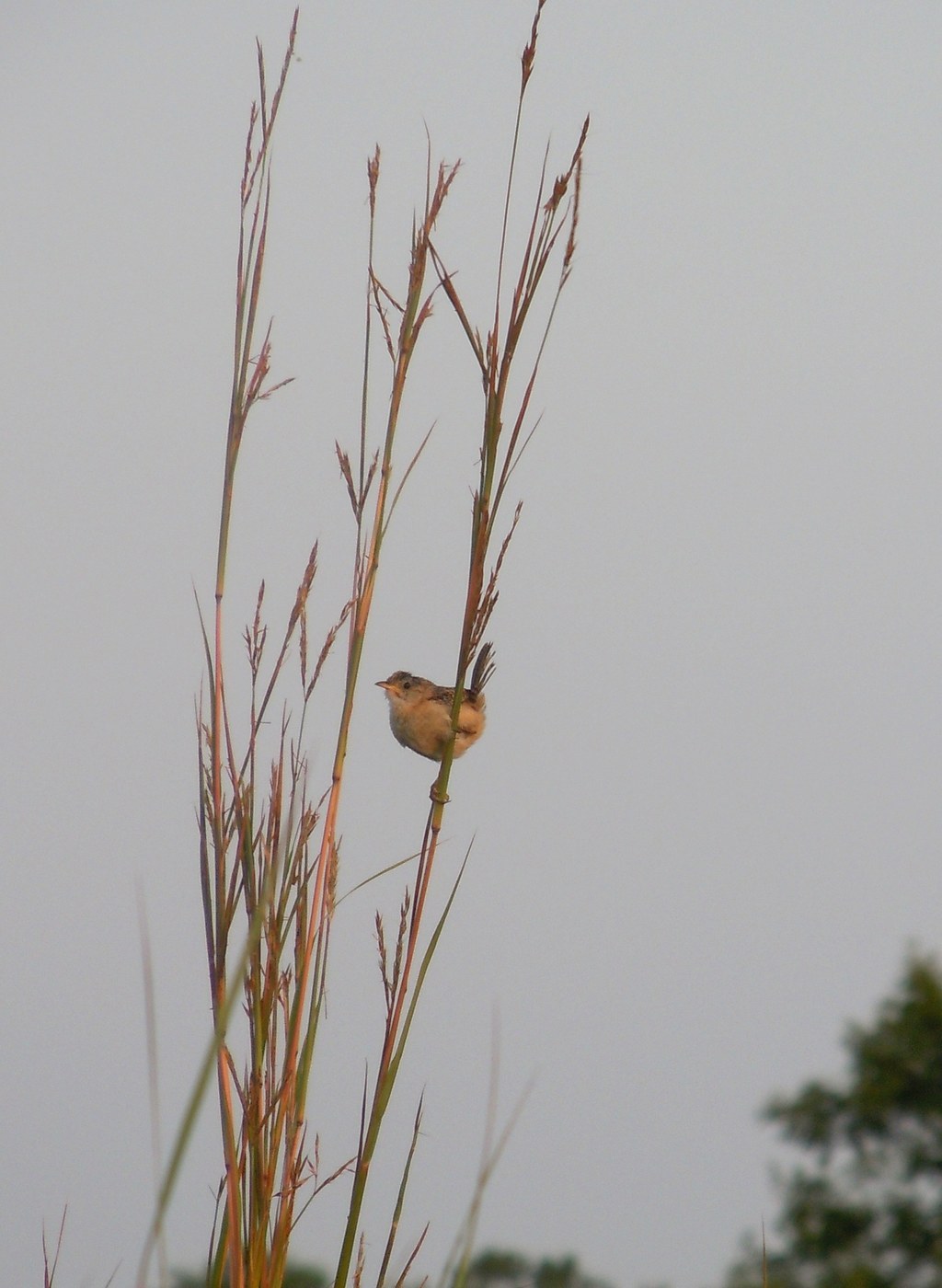
Sedge Wren
Tiny streaked crown and back feathers

Yellow-winged Cacique
Glossy black body feathers, yellow wing patch, shaggy crest

Yellow Warbler
Small contour and flight feathers
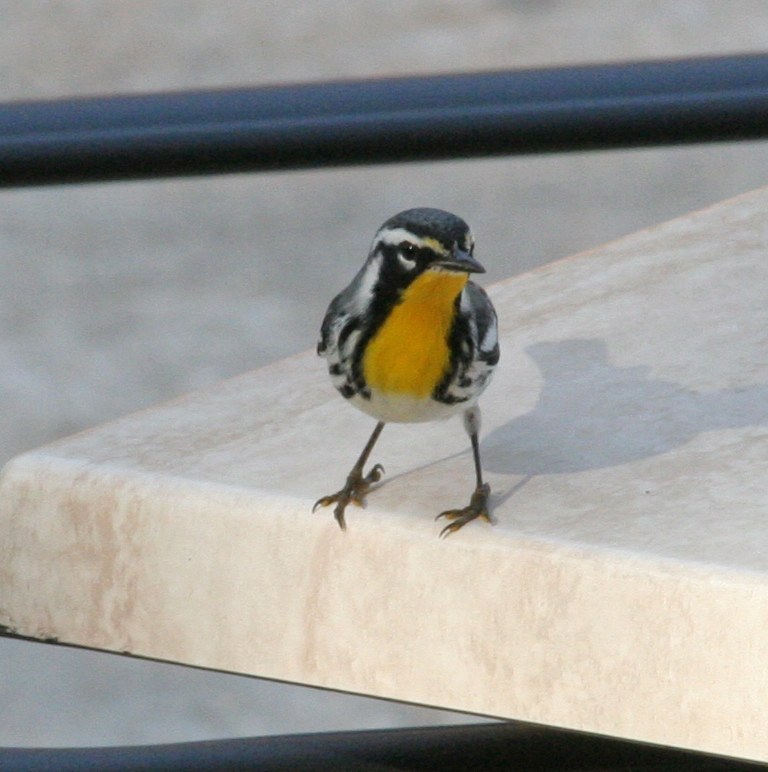
Yellow-throated Warbler
Small contour and flight feathers
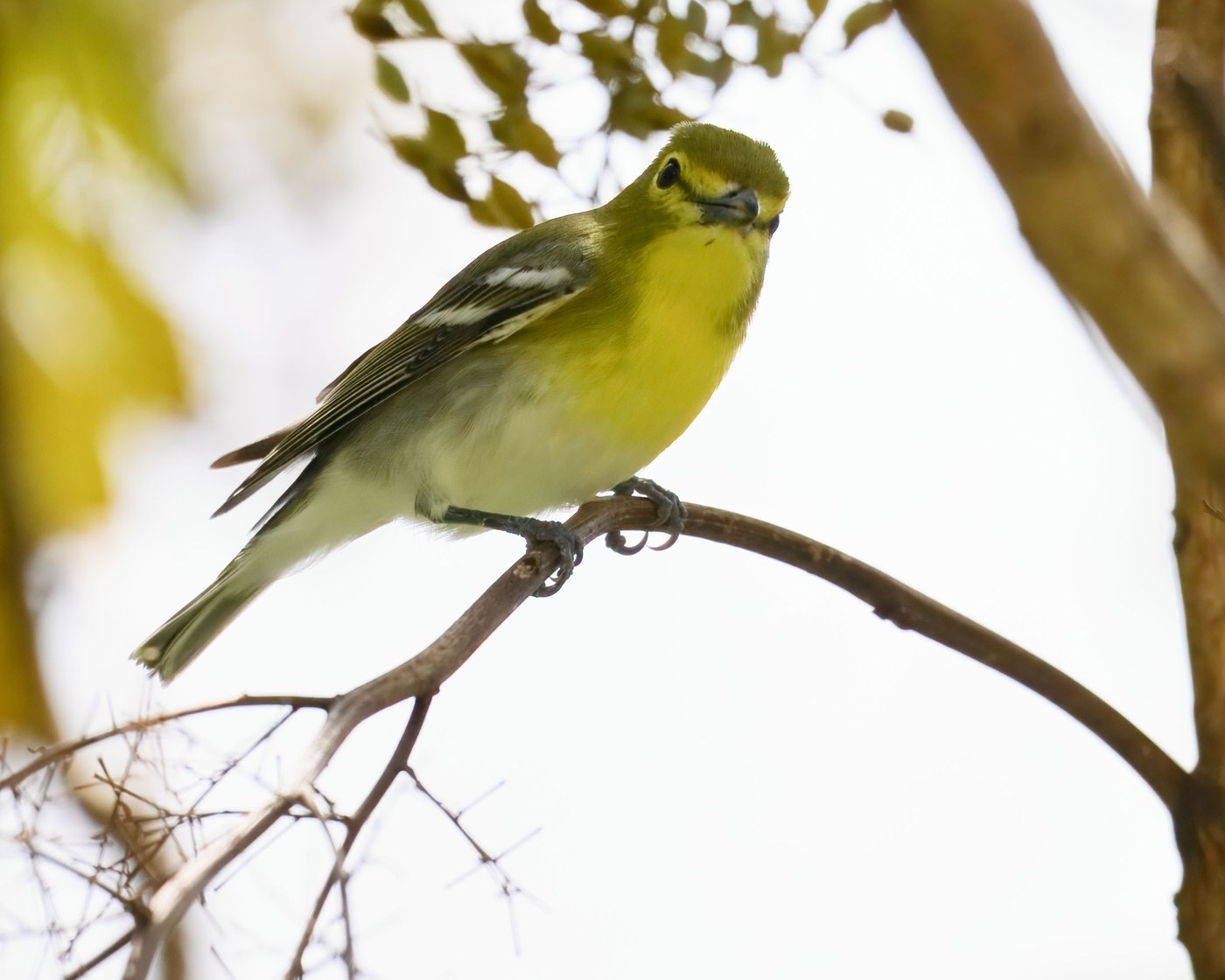
Yellow-throated Vireo
Bright yellow throat and spectacle feathers; olive-green back feathers; two white wing-bar feathers

Yellow-rumped Warbler
Small contour and flight feathers
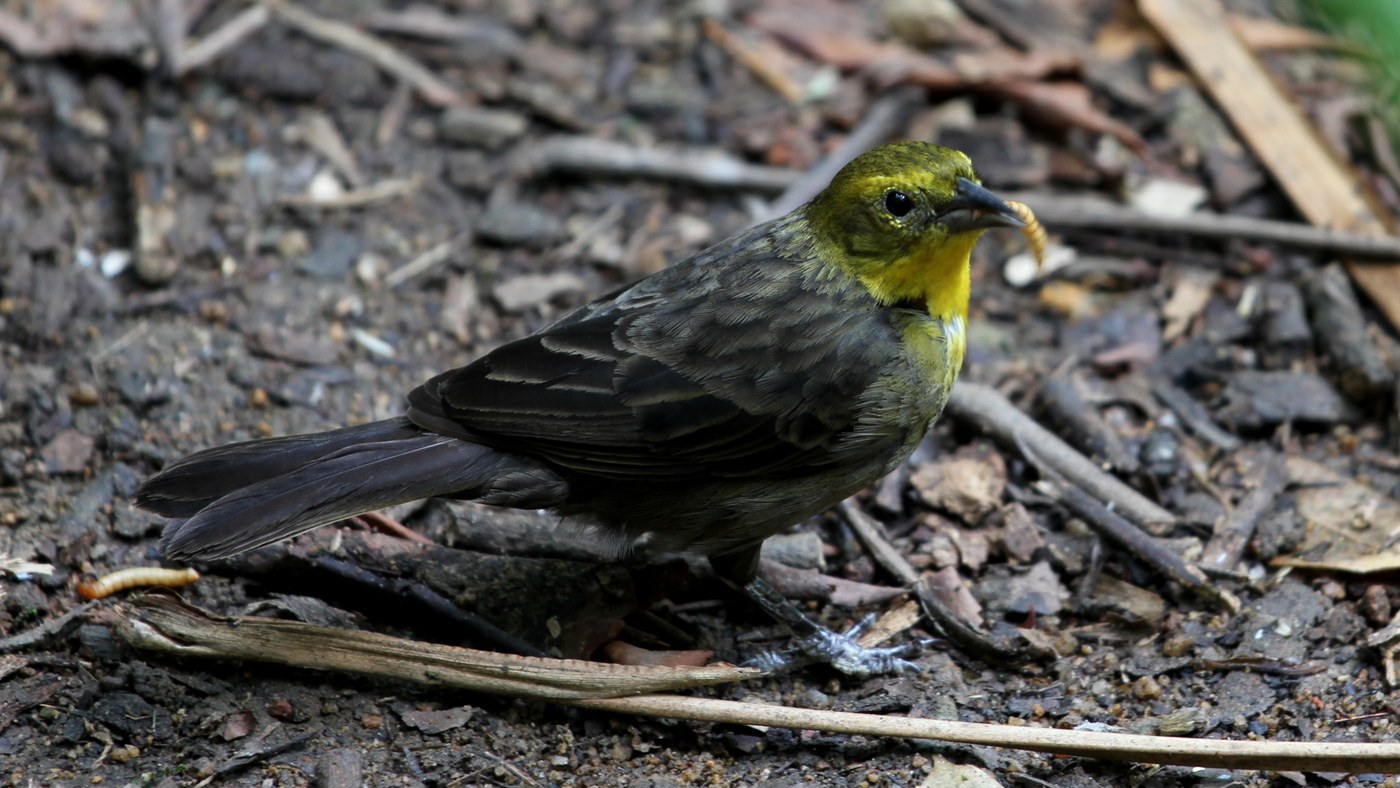
Yellow-hooded Blackbird
Contrasting hood and body feathers
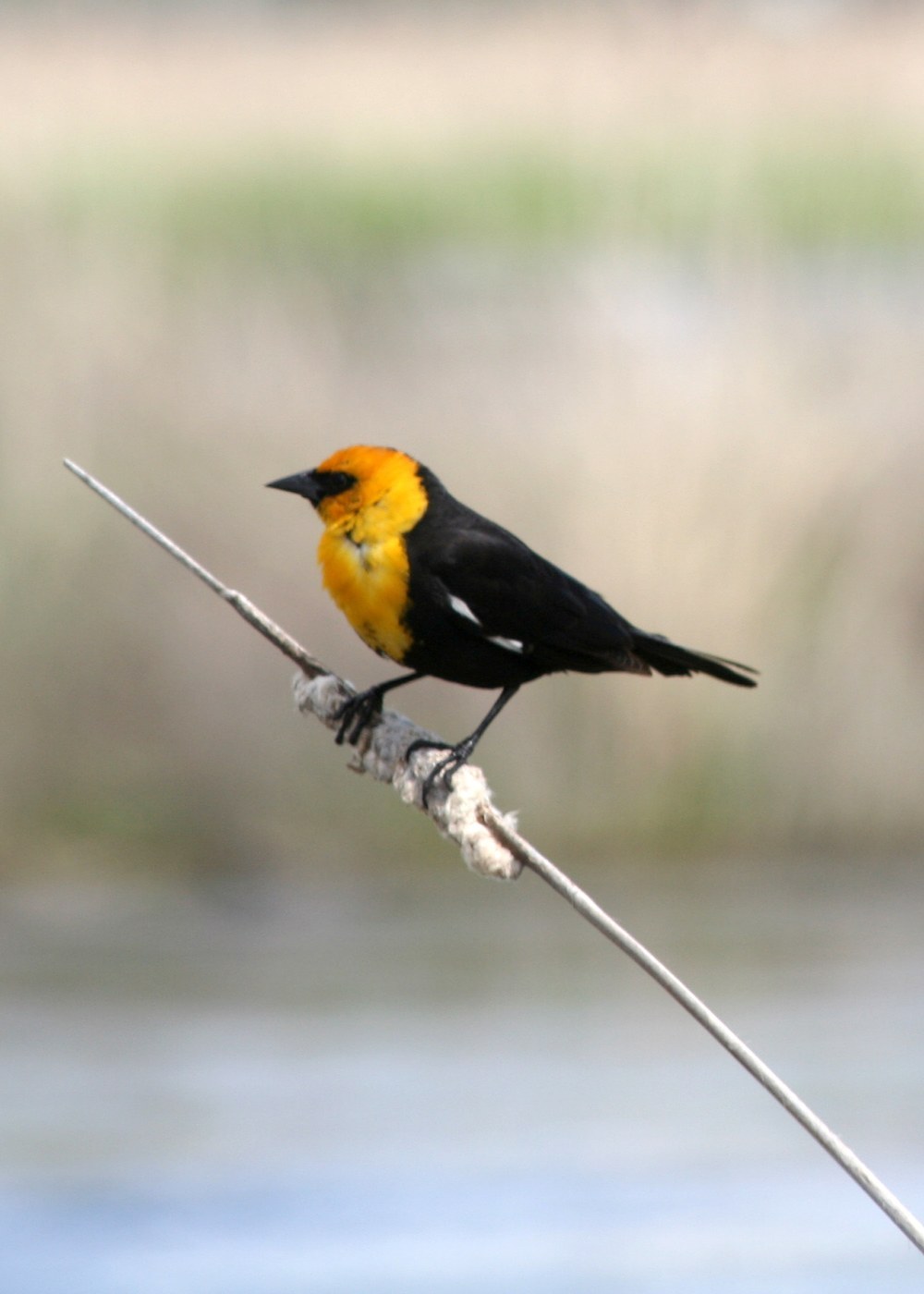
Yellow-headed Blackbird
Glossy black body plumage with a bright yellow head and breast

Yellow-eyed Junco
Contour and flight feathers

Yellow-fronted Canary
Small, smooth body plumage

Yellow-breasted Greenfinch
Compact, smooth body plumage