

Lesser Kestrel
Falco naumanni
A colonial, steppe-loving falcon closely resembling Common Kestrel but smaller and more social, with males showing an unspotted chestnut back and pale claws that separate the species from its more familiar relative.
- Feather type
- Pointed falcon wings, longish tail
- Colours
- Male unspotted chestnut back, blue-gray head and tail
- Bird size
- Small falcon, ~27-33 cm
Found a feather like this?
Identify any feather from a photo, free.
Overview
The Lesser Kestrel breeds colonially across open steppe and farmland from southern Europe through Central Asia, wintering in sub-Saharan Africa. It is closely related to the more familiar Common Kestrel but is smaller, more social, and often nests in loose colonies within old buildings, ruins, or cliff faces.
Identifying the Feather
Male back feathers are plain, unspotted chestnut, lacking the black spotting present on Common Kestrel's back, a key distinguishing feature between the two species. A blue-gray panel is visible on the greater wing coverts, and the wings appear more slender and pointed in flight than Common Kestrel. Claws are whitish rather than the dark claws of Common Kestrel, a fine but reliable feature when birds can be examined closely.
Plumage & Molt
Adult males show an unspotted chestnut back, blue-gray head, and a blue-gray tail with a black terminal band. Females and juveniles are finely barred brown, closely resembling female Common Kestrels, and are best separated by subtle structural features and claw color rather than plumage alone. There is no strong seasonal plumage variation beyond typical feather wear.
Habitat & Range
This kestrel breeds in open steppe, dry farmland, and old towns or ruins offering colonial nesting sites, across southern Europe through the Middle East and Central Asia. It is a long-distance migrant, wintering in sub-Saharan Africa.
Behavior & Field Notes
It is highly gregarious, nesting in loose colonies within cliff crevices or old buildings, and hunts insects on the wing and on the ground more than by hovering, contrasting with the more frequent hovering behavior of Common Kestrel. The species gives chattering calls, particularly around colonial nest sites during the breeding season.
Frequently asked questions
How is male Lesser Kestrel told from male Common Kestrel?
Lesser Kestrel has an unspotted chestnut back, while Common Kestrel's back is spotted with black; claw color also differs, pale versus dark.
Does Lesser Kestrel nest colonially?
Yes, it is highly social and often nests in loose colonies in cliffs or old buildings, unlike the typically solitary Common Kestrel.
Where does Lesser Kestrel spend the winter?
It migrates long distances to winter in sub-Saharan Africa.
Does it hover as much as Common Kestrel?
No, it hunts more on the wing and on the ground, hovering less frequently than Common Kestrel.
Lesser Kestrel guides
In-depth guides for identifying and understanding Lesser Kestrel.

Other feathers you may enjoy

Australian Hobby
Long, narrow pointed flight feathers; slender tail feathers

California Condor
Massive flight feathers; long broad primaries; large tail feathers

Brown Falcon
Broad, rounded flight feathers; variable-toned contour feathers
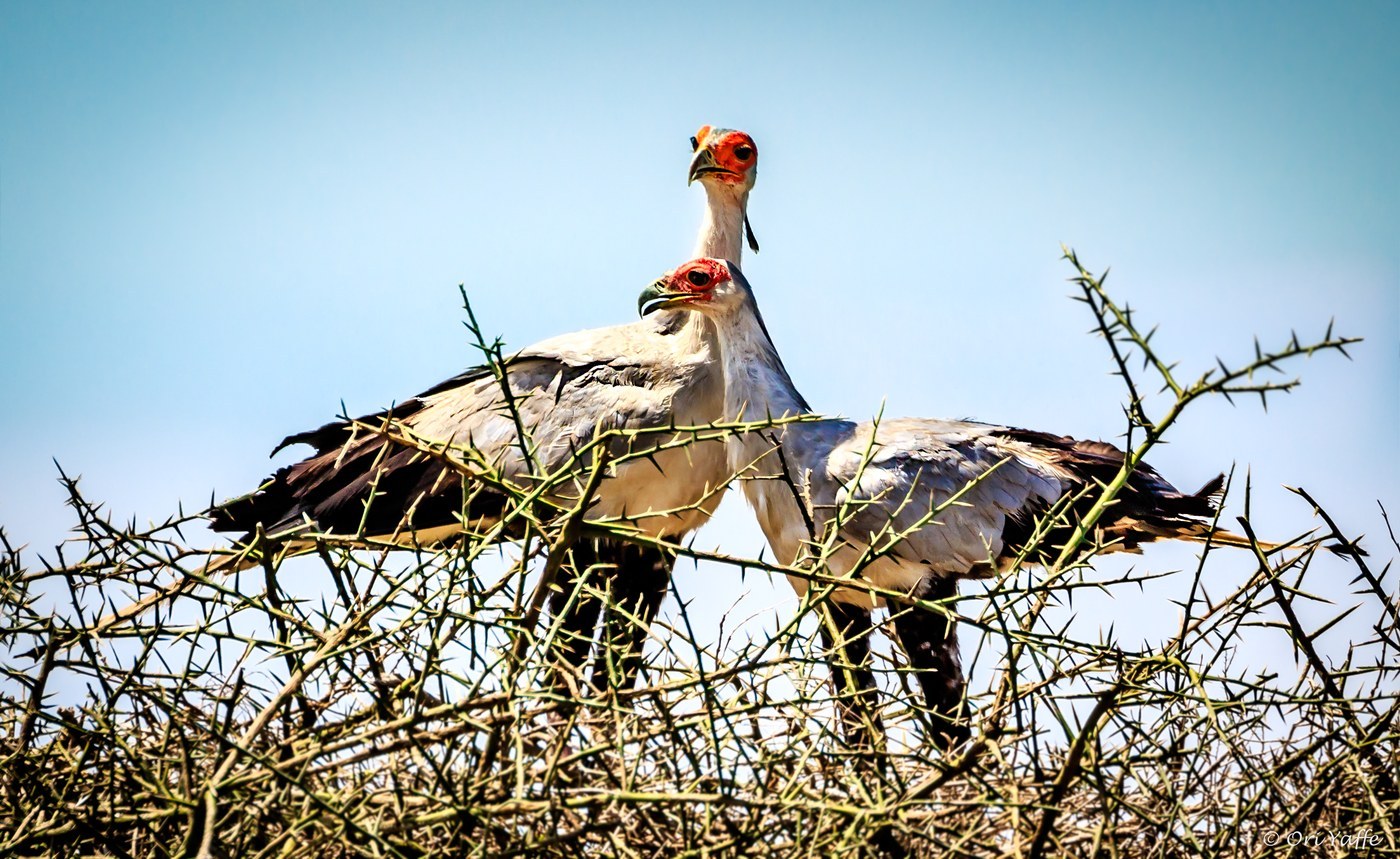
Secretarybird
Long crest feathers; broad flight feathers; elongated central tail feathers

Orange-breasted Falcon
Broad-based pointed flight feathers; bold breast and belly feathers
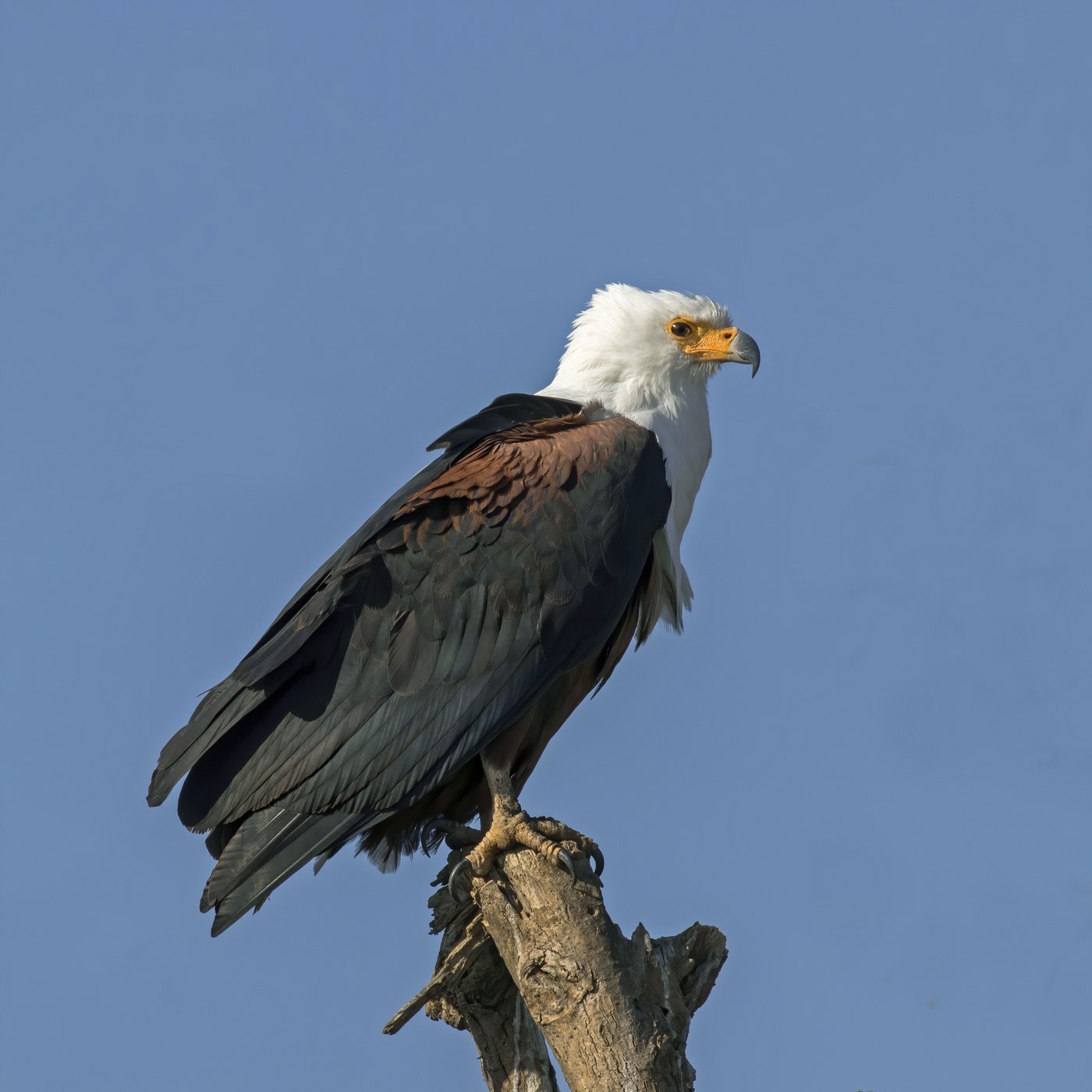
African Fish Eagle
Flight, tail, and body feathers

Amur Falcon
Slender pointed flight feathers; soft slate or orange-buff contour feathers
Red Kite
Flight (wing) and tail feathers
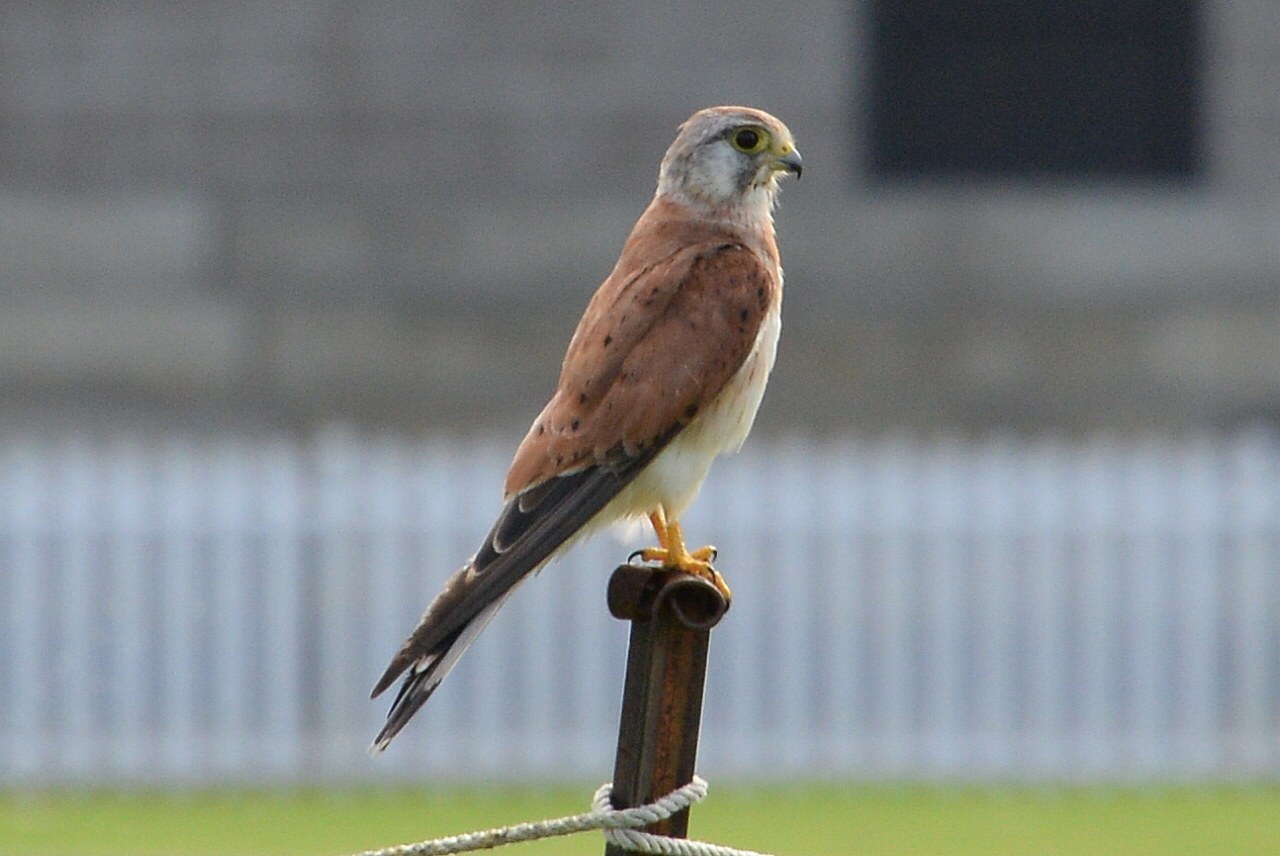
Nankeen Kestrel
Slim pointed flight feathers; lightly marked contour feathers

Andean Condor
Massive flight feathers; broad primaries and secondaries; sturdy tail feathers

Plumbeous Forest Falcon
Short rounded flight feathers; finely barred tail feathers

Sooty Falcon
Long pointed flight feathers; slim tail feathers