

Wood Sandpiper
Tringa glareola
A slim, finely spotted sandpiper with a pale eyebrow stripe and yellowish-green legs, often found at shallow freshwater pools.
- Feather type
- Contour and flight feathers
- Colours
- Brown with fine buff-white spotting
- Bird size
- Small to medium sandpiper, ~19-21 cm
Found a feather like this?
Identify any feather from a photo, free.
Overview
Overview
The Wood Sandpiper is a slim, elegant shorebird with brown upperparts finely spotted with buff and white, giving it a delicate, checkered appearance. A pale eyebrow stripe above the eye and yellowish-green legs help distinguish it from similar species. It favors shallow, well-vegetated freshwater wetlands more than open coastal mudflats.
Widespread across northern Eurasia in the breeding season, it undertakes long migrations to winter in Africa, southern Asia, and Australasia.
Identifying the Feather
Feather Identification
- Upperparts: Dark brown feathers finely spotted with buff and white along the edges, giving a neat, checkered pattern across the back and wing coverts.
- Face: A distinct pale supercilium (eyebrow stripe) extends behind the eye, more pronounced than in the similar Green Sandpiper.
- Tail: Boldly barred outer tail feathers, more heavily marked than the Green Sandpiper's tail pattern.
- Legs: Yellowish-green, longer and more slender than the Green Sandpiper's legs.
- Compared to similar species: More heavily and evenly spotted upperparts, a more prominent pale eyebrow, and longer legs distinguish it from the darker, more sparsely spotted Green Sandpiper.
Plumage & Molt
Plumage Notes
Breeding adults show crisp buff-and-white spotting on dark brown upperparts; non-breeding birds are slightly plainer but retain the fine spotting pattern, unlike some related species that become much plainer in winter. Sexes look alike. Juveniles show warmer buff tones to the spotting, which becomes whiter with age through successive molts.
Habitat & Range
Habitat & Range
Wood Sandpipers breed across northern Europe and Asia in boreal bogs, wet meadows, and forest-edge wetlands. They undertake long-distance migrations to winter across sub-Saharan Africa, southern Asia, and Australasia, favoring shallow, vegetated freshwater pools, flooded fields, and marshes rather than open mudflats.
Behavior & Field Notes
Behavior & Field Notes
This species forages by picking and probing at shallow water and mud for small invertebrates, often in small loose groups at freshwater pools. Its flight call is a sharp, repeated "chiff-iff-iff," useful for identification when flushed. Nesting occurs on the ground, occasionally in old tree nests of other species in some regions, among boreal wetland vegetation.
Frequently asked questions
What do Wood Sandpiper feathers look like?
Dark brown upperpart feathers finely and evenly spotted with buff and white, giving a neat checkered pattern.
How can I tell a Wood Sandpiper feather from a Green Sandpiper feather?
The Wood Sandpiper is more evenly and finely spotted with a more prominent pale eyebrow stripe, while the Green Sandpiper is darker overall with sparser white spotting.
Does the Wood Sandpiper have a wingbar?
It lacks a strong white wingbar, relying instead on its spotted upperparts and barred tail for identification.
Where would I find a Wood Sandpiper feather?
Around shallow, vegetated freshwater pools, marshes, and flooded fields across its breeding range in Eurasia or wintering range in Africa, Asia, and Australasia.
Wood Sandpiper guides
In-depth guides for identifying and understanding Wood Sandpiper.

Other feathers you may enjoy
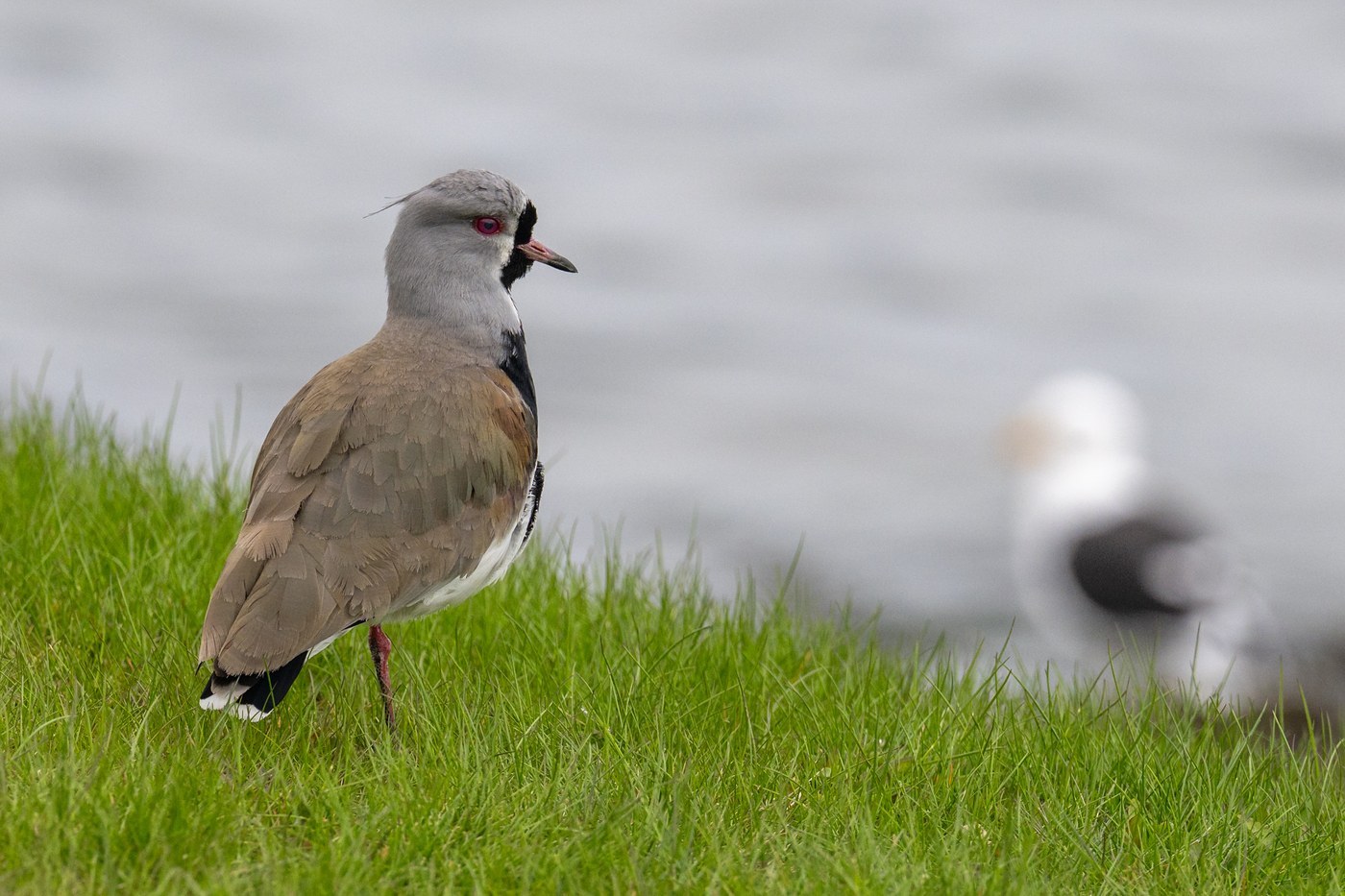
Southern Lapwing
Body, flight, and tail feathers

Jack Snipe
Body and flight feathers

Far Eastern Curlew
Body, flight, and tail feathers

Terek Sandpiper
Body and flight feathers

Wilson's Phalarope
Body and flight feathers
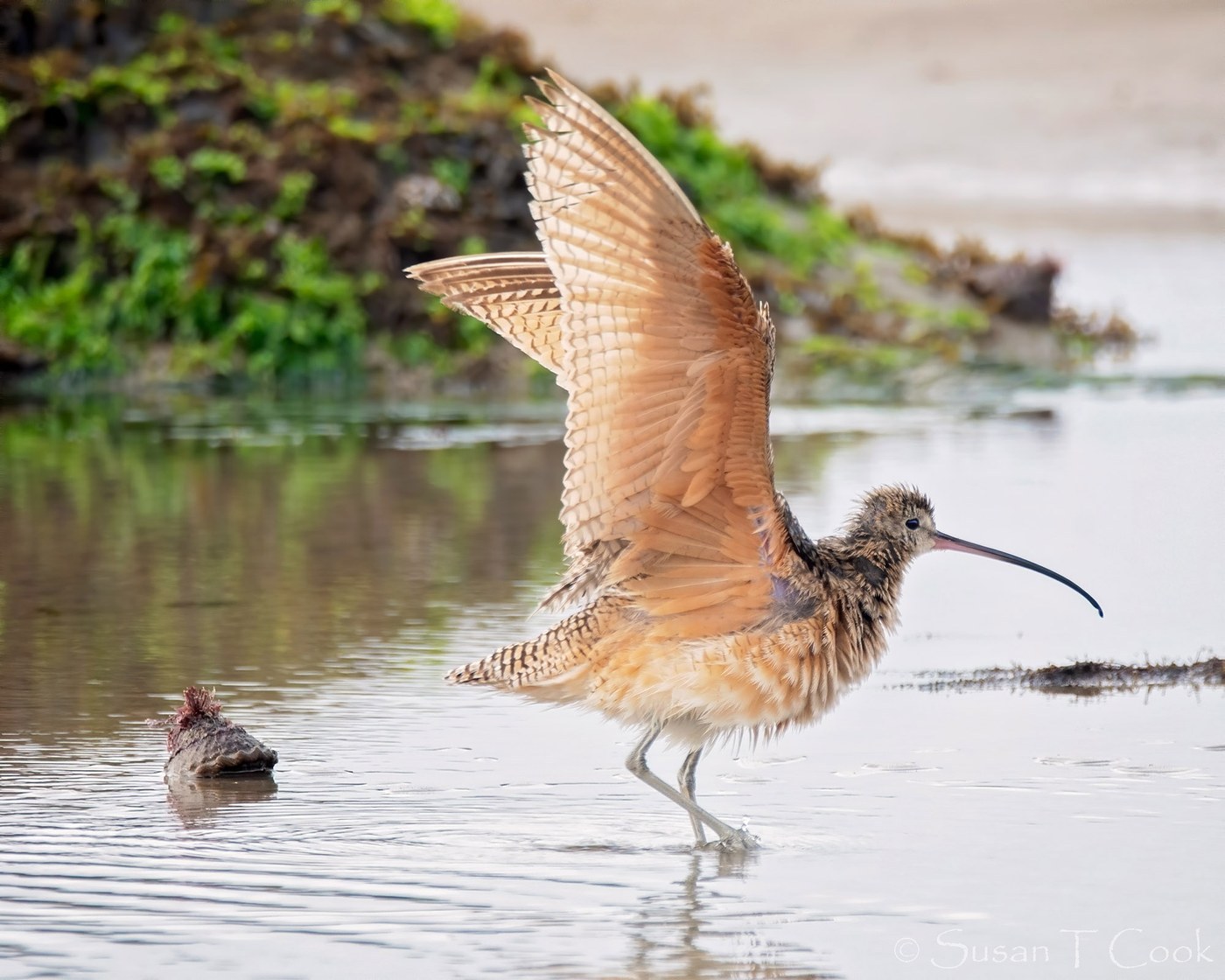
Long-billed Curlew
Body, flight, and tail feathers

Upland Sandpiper
Body, flight, and tail feathers

Red Phalarope
Body and flight feathers

Eurasian Dotterel
Body feathers
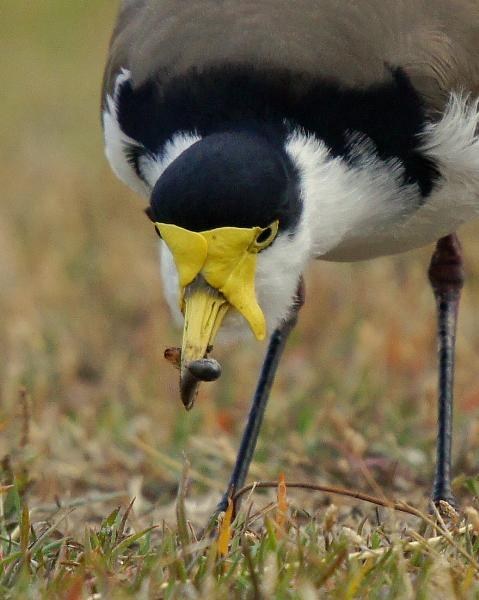
Masked Lapwing
Body, flight, and tail feathers
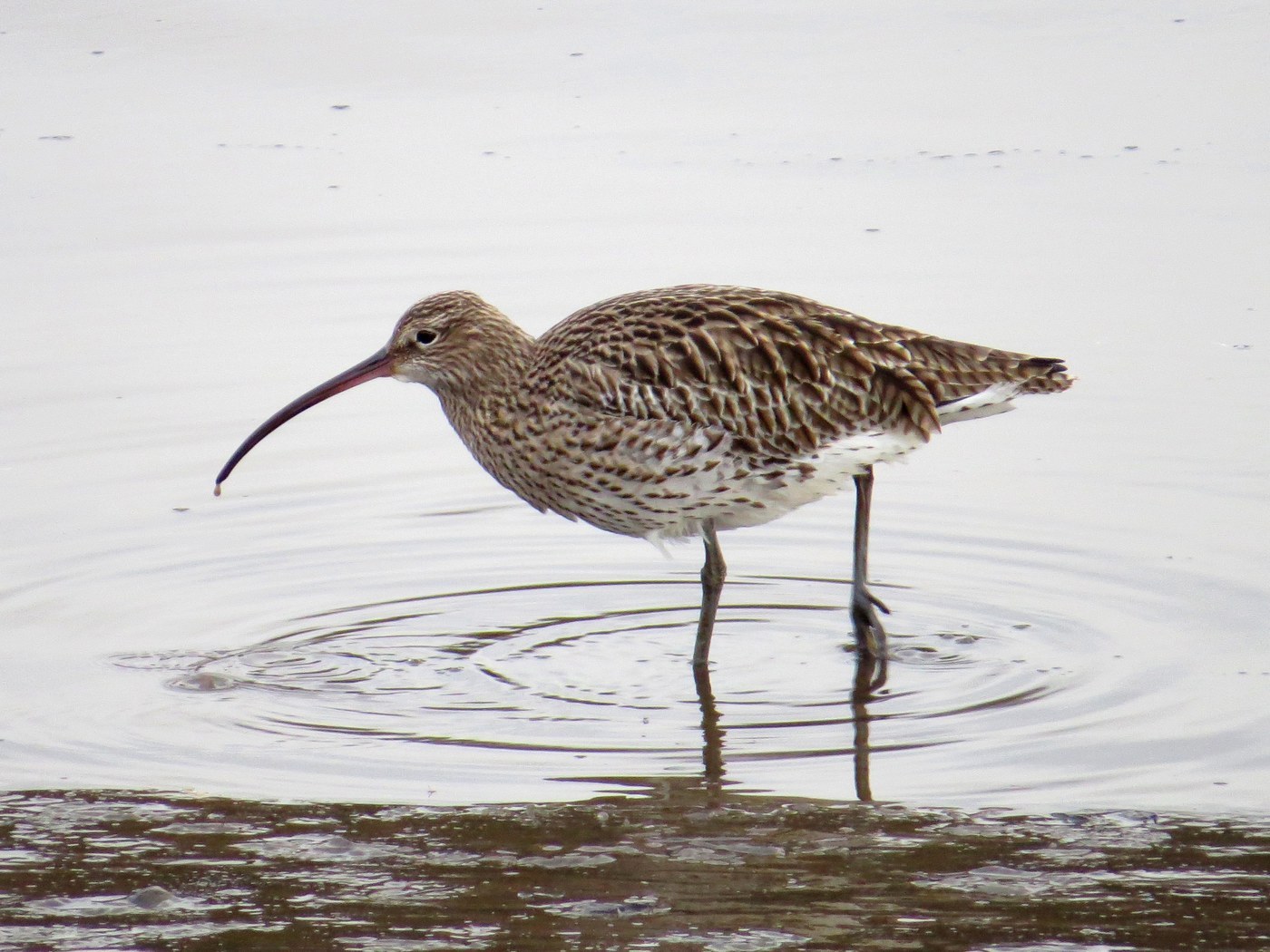
Eurasian Curlew
Body, flight, and tail feathers
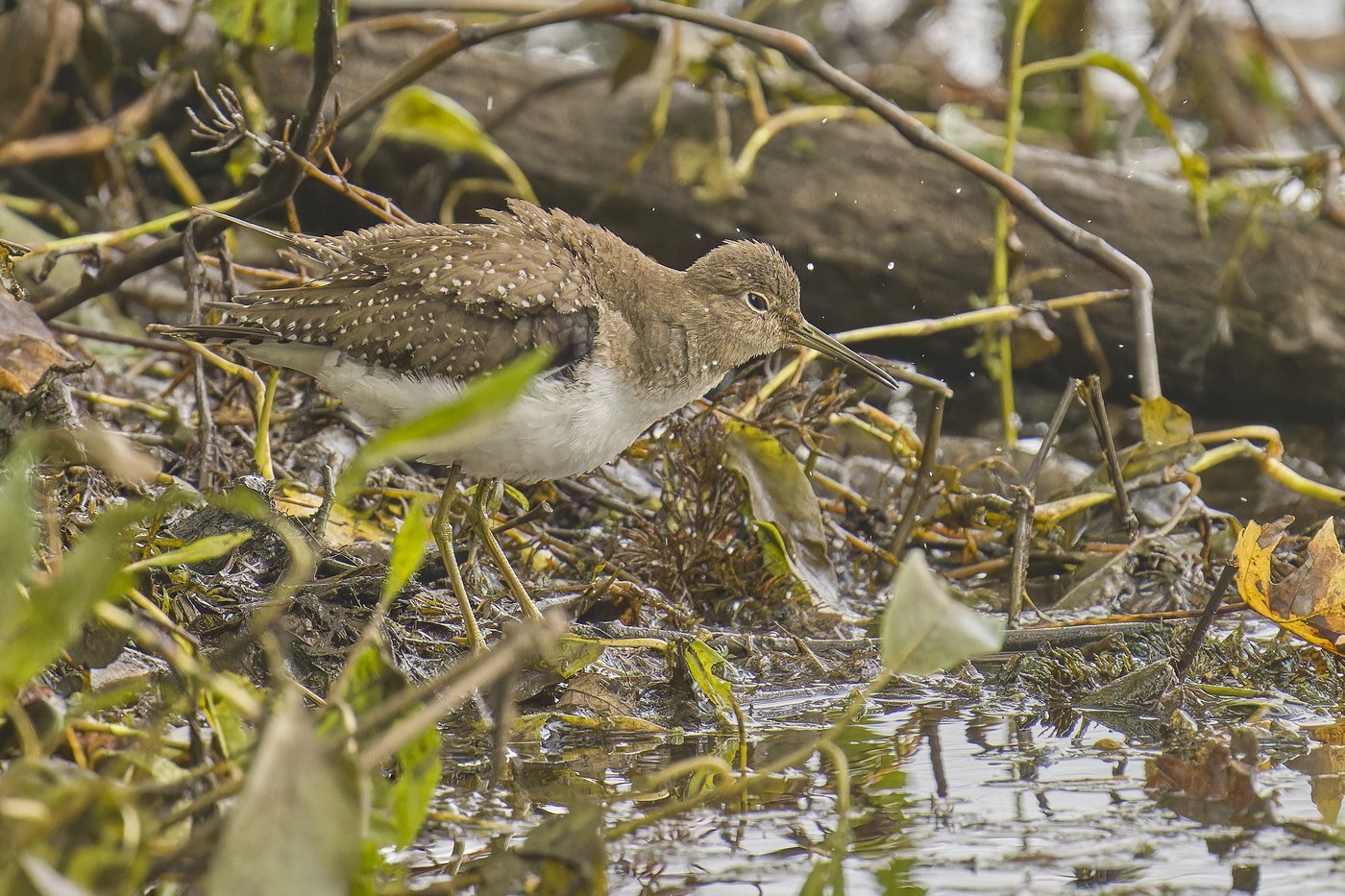
Solitary Sandpiper
Contour and flight feathers