

Wandering Tattler
Tringa incana
A uniformly slate-gray shorebird of rocky Pacific coastlines, lacking any wing pattern and constantly bobbing as it forages among tide pools.
- Feather type
- Contour and flight feathers
- Colours
- Uniform slate-gray
- Bird size
- Medium sandpiper, ~26-29 cm
Found a feather like this?
Identify any feather from a photo, free.
Overview
Overview
The Wandering Tattler is a medium-sized shorebird notable for its uniform slate-gray plumage, lacking any bold pattern, wingbar, or contrasting markings typical of many other sandpipers. It breeds in remote mountain streams of the Pacific Northwest and Alaska, then winters along rocky Pacific coastlines from North America to islands across the Pacific. Its constant bobbing motion while foraging recalls the Spotted Sandpiper.
Its plain gray plumage and preference for rocky shorelines rather than sandy beaches or mudflats make it a distinctive species among coastal shorebirds.
Identifying the Feather
Feather Identification
- Overall coloration: Uniform slate-gray covers the head, back, and wings, with essentially no barring, spotting, or wingbar visible even in flight.
- Underparts (breeding): Fine, even gray barring extends across the breast, belly, and flanks in breeding adults.
- Underparts (non-breeding): Plain pale gray on the breast fading to white on the belly, lacking the barred pattern of breeding plumage.
- Wings in flight: Notably plain and unpatterned, without the white wingbar or wing stripe seen in many related sandpipers.
- Compared to similar species: The complete absence of wing pattern combined with uniform slate-gray body feathers readily separates it from Willets, yellowlegs, and other Tringa species, which all show some white in the wing.
Plumage & Molt
Plumage Notes
Breeding adults show fine gray barring across the underparts, a pattern lost after the post-breeding molt when birds become plain gray above and whitish below. Sexes look similar. Juveniles show subtle pale scaling on the wing coverts, a feature that fades with the first molt into adult-like plumage.
Habitat & Range
Habitat & Range
Wandering Tattlers breed along fast-flowing gravel streams in mountainous parts of Alaska and northwestern Canada. Outside the breeding season, they are found along rocky Pacific coastlines, from western North America south to Central and South America, and across many Pacific islands, favoring rocky shores, jetties, and tide pools rather than open mudflats.
Behavior & Field Notes
Behavior & Field Notes
This species forages by picking invertebrates from rocks and tide pools along wave-washed shorelines, bobbing its body up and down in a manner reminiscent of the Spotted Sandpiper. Its call is a rapid, ringing series of clear whistled notes, often given when disturbed. Nesting occurs on the ground along gravel bars of remote mountain streams, a habitat quite different from its coastal wintering grounds.
Frequently asked questions
What color are Wandering Tattler feathers?
Uniform slate-gray across the head, back, and wings, with fine gray barring on the underparts in breeding plumage.
Does the Wandering Tattler have a wingbar?
No, its wings are plain and unpatterned, lacking the white wingbar seen in many related shorebirds.
Why does the Wandering Tattler favor rocky shorelines?
It specializes in foraging among tide pools and rocky coastlines, differing from many sandpipers that prefer sandy beaches or mudflats.
Where would I find a Wandering Tattler feather?
Along rocky Pacific coastlines from North America south to Central and South America and various Pacific islands during the non-breeding season.
Wandering Tattler guides
In-depth guides for identifying and understanding Wandering Tattler.

Other feathers you may enjoy
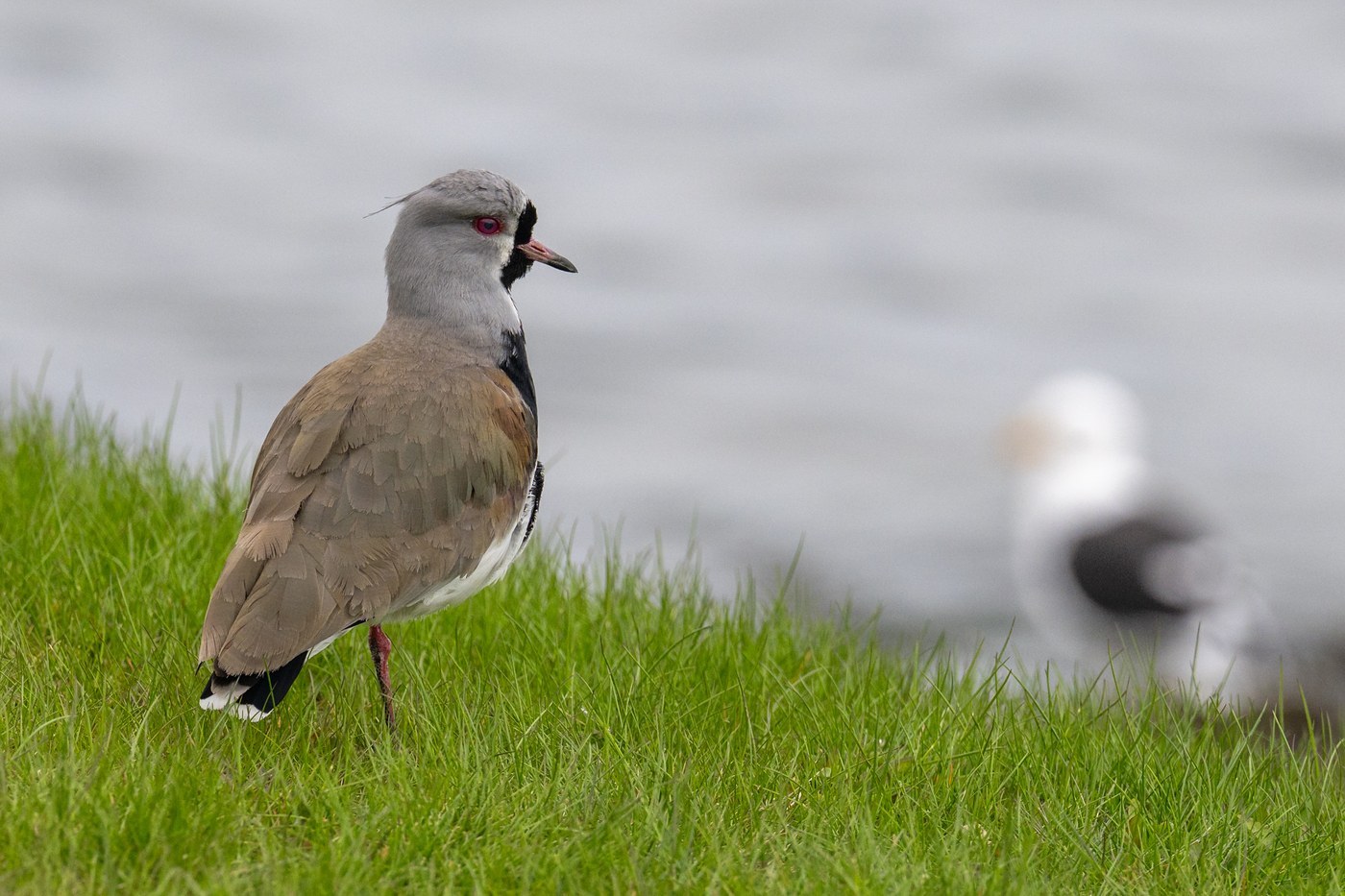
Southern Lapwing
Body, flight, and tail feathers

Jack Snipe
Body and flight feathers

Far Eastern Curlew
Body, flight, and tail feathers

Terek Sandpiper
Body and flight feathers

Wilson's Phalarope
Body and flight feathers
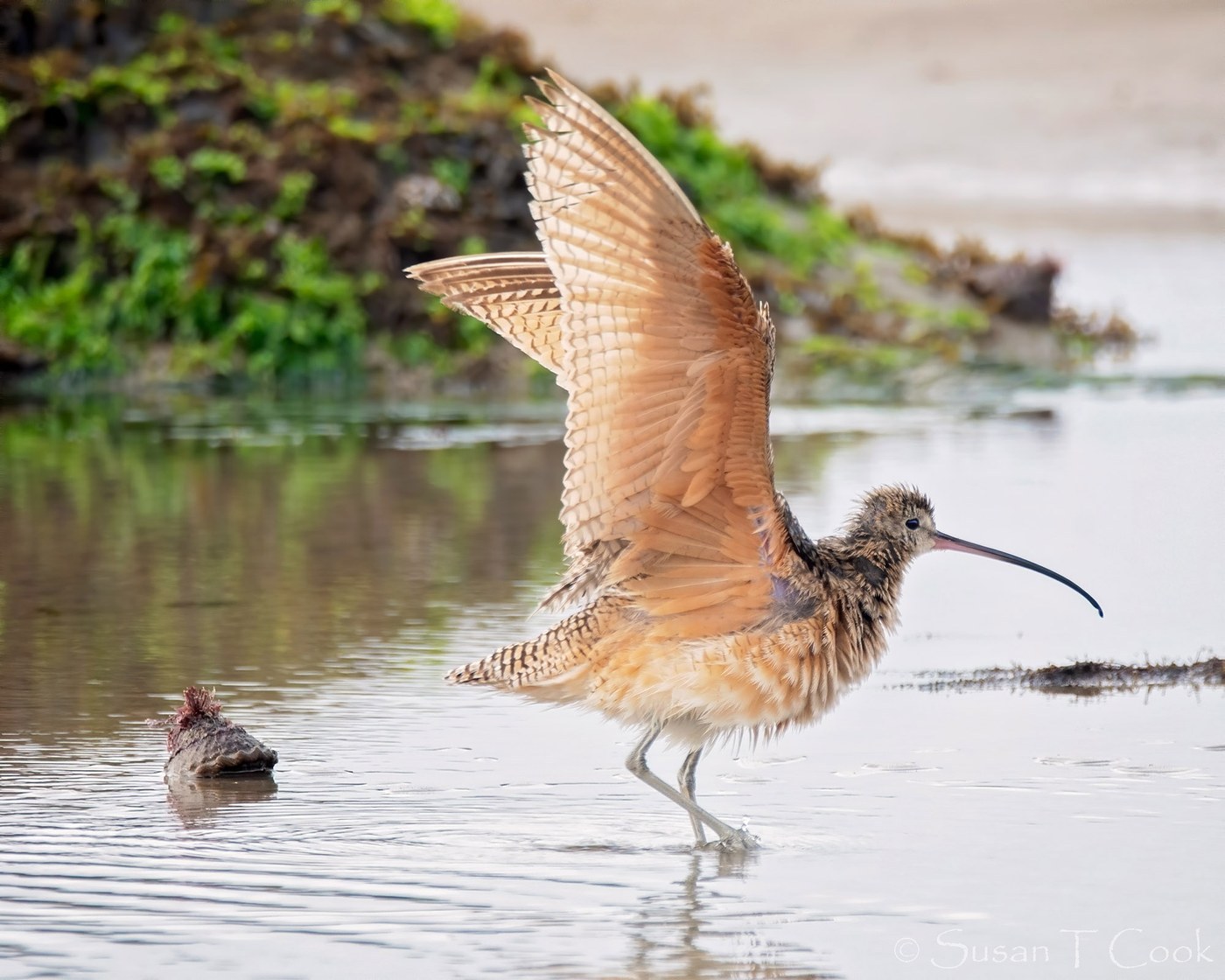
Long-billed Curlew
Body, flight, and tail feathers

Upland Sandpiper
Body, flight, and tail feathers

Red Phalarope
Body and flight feathers

Eurasian Dotterel
Body feathers
Masked Lapwing
Body, flight, and tail feathers
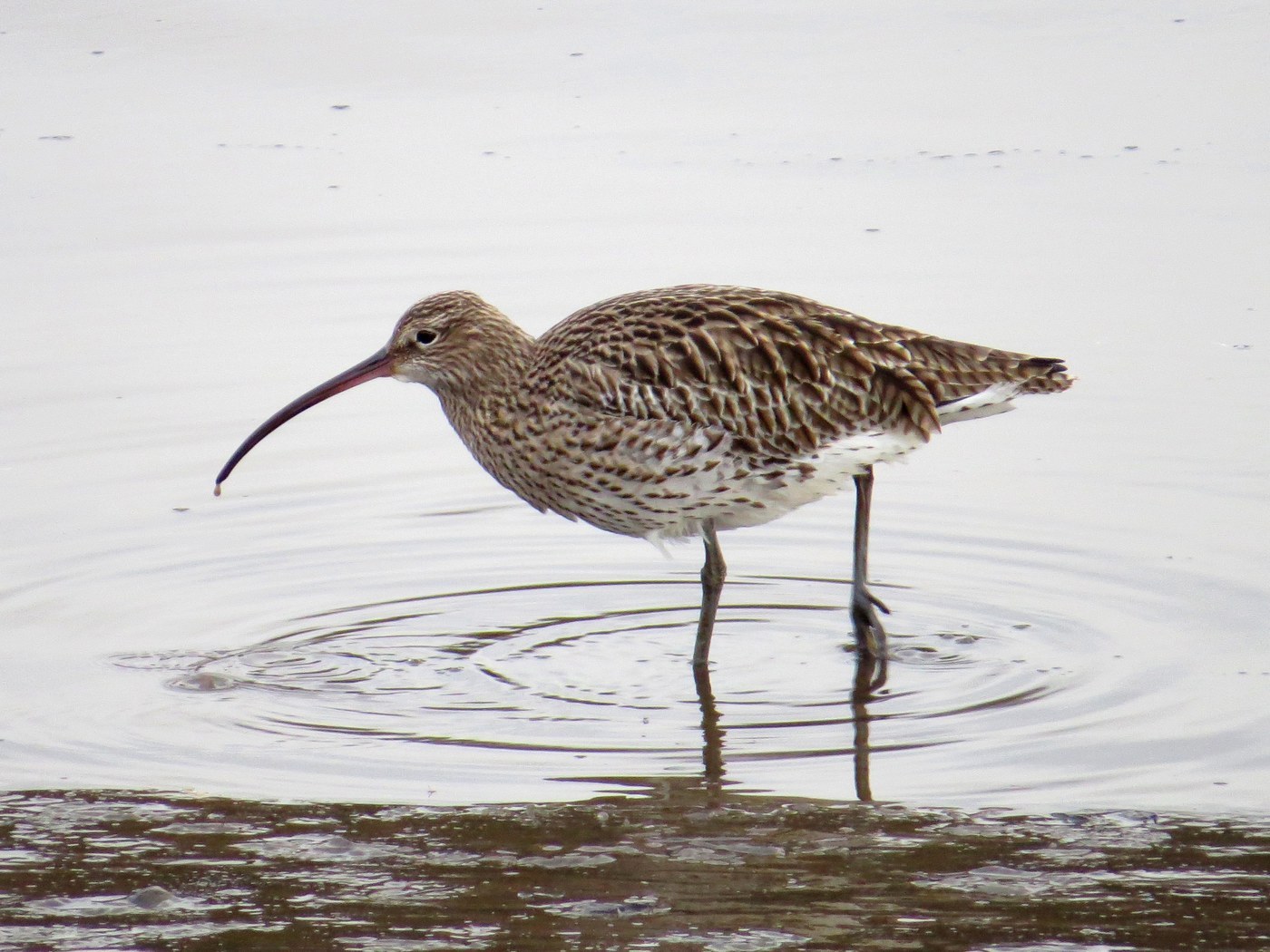
Eurasian Curlew
Body, flight, and tail feathers
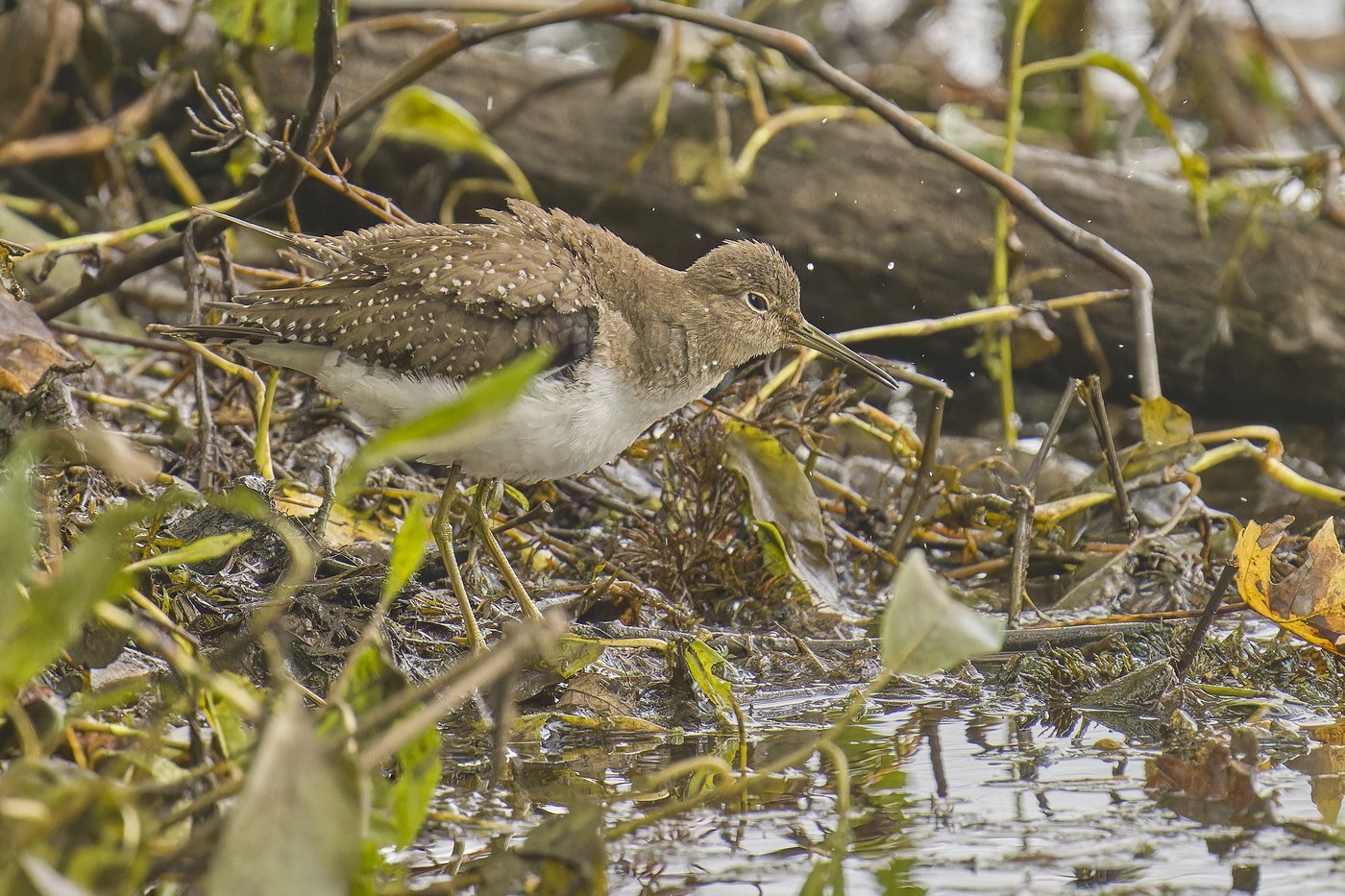
Solitary Sandpiper
Contour and flight feathers