

Surfbird
Calidris virgata
A stocky, rock-loving shorebird that breeds on remote Alaskan mountain tundra and winters almost entirely along rocky Pacific coastlines, easily told by its bold black tail band and heavily marked breeding underparts.
- Feather type
- Medium wader contour and flight feathers
- Colours
- Gray-and-white mottled body with a broad blackish tail band; heavily spotted breeding underparts
- Bird size
- Sandpiper-sized, ~23-26 cm
Found a feather like this?
Identify any feather from a photo, free.
Overview
Overview
The Surfbird is an unusual shorebird that breeds far from the coast, on remote alpine tundra in Alaska and the Yukon, yet spends the rest of the year almost exclusively on rocky, surf-battered Pacific shorelines, from which it takes its name. It is often found alongside turnstones and Rock Sandpipers on wave-washed rocks.
Feathers are found almost entirely along rocky Pacific coastlines, where the species forages amid crashing surf.
Identifying the Feather
Feather Identification
- Tail feathers: a broad, well-defined blackish terminal band contrasting with a white base, one of the most distinctive feather features of this species.
- Breeding underparts: heavily marked with dark chevron-shaped spots across a whitish base, giving a boldly patterned look.
- Upperparts: mottled gray, black, and rufous-edged feathers in breeding plumage, becoming plainer gray in winter.
- Nonbreeding feathers: plain gray above and whitish below with some dusky mottling on the breast, less boldly marked than in breeding plumage.
- Versus Rock Sandpiper/turnstones: the bold black-and-white tail band is a strong distinguishing feature not shared by Rock Sandpiper, which lacks such a sharply defined tail pattern.
Plumage & Molt
Plumage Notes
Breeding adults show heavily spotted and chevron-marked underparts along with mottled gray, black, and rufous upperparts; sexes look alike. Nonbreeding adults become much plainer, with uniform gray upperparts and only light dusky mottling on the breast, though the bold black tail band persists year-round.
Juveniles show neatly scaled upperpart feathers with pale fringes, intermediate in pattern between breeding and nonbreeding adults. Molt into nonbreeding plumage occurs after the birds reach wintering rocky shorelines in autumn.
Habitat & Range
Habitat & Range
Surfbirds breed on remote alpine tundra in mountainous parts of Alaska and adjacent Yukon, far from any coastline. Outside the breeding season they migrate to rocky Pacific shorelines, wintering from southern Alaska south through the west coast of North America to southern South America, always closely tied to rocky, wave-exposed habitat.
Behavior & Field Notes
Behavior & Field Notes
Surfbirds forage on wave-splashed rocks, jetties, and reefs, picking invertebrates from wet rock surfaces, often in mixed flocks with turnstones and Rock Sandpipers. They are notably tolerant of rough surf conditions, foraging right at the waterline as waves break.
Nests are simple scrapes on high alpine tundra, an unusually inland and elevated breeding habitat for a shorebird that spends the rest of the year on ocean rocks. The flight call is a shrill, thin whistle. Because of its strict rocky-coast habitat preference, Surfbird feathers are essentially confined to Pacific rocky shorelines outside the brief alpine breeding season.
Frequently asked questions
What is the standout feather feature of a Surfbird?
A broad, sharply defined blackish tail band contrasting against a white tail base, visible year-round.
Where would Surfbird feathers be found?
Almost entirely along rocky Pacific shorelines, jetties, and reefs, since the species winters strictly on rocky coasts.
How does the Surfbird's breeding habitat differ from most shorebirds?
It breeds on remote, high alpine tundra far from any coastline, unusual for a species that spends most of the year on ocean rocks.
How can I tell Surfbird feathers from Rock Sandpiper feathers?
The bold, sharply defined black tail band is distinctive to Surfbird and not present in Rock Sandpiper.
Do Surfbirds tolerate rough ocean conditions?
Yes, they often forage directly at the waterline as waves break over rocks, more so than many other shorebirds.
Surfbird guides
In-depth guides for identifying and understanding Surfbird.

Other feathers you may enjoy
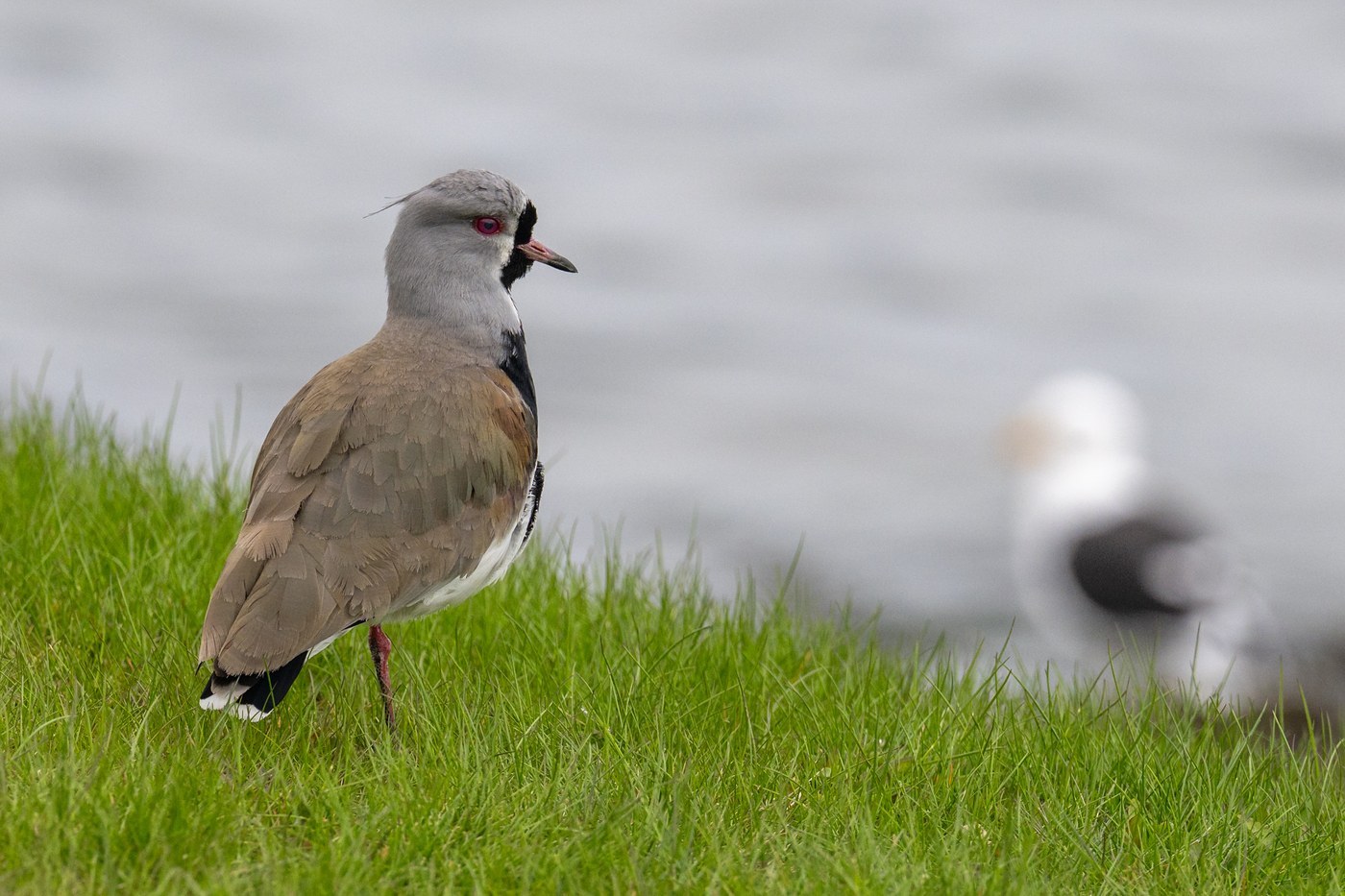
Southern Lapwing
Body, flight, and tail feathers

Jack Snipe
Body and flight feathers

Far Eastern Curlew
Body, flight, and tail feathers

Terek Sandpiper
Body and flight feathers

Wilson's Phalarope
Body and flight feathers
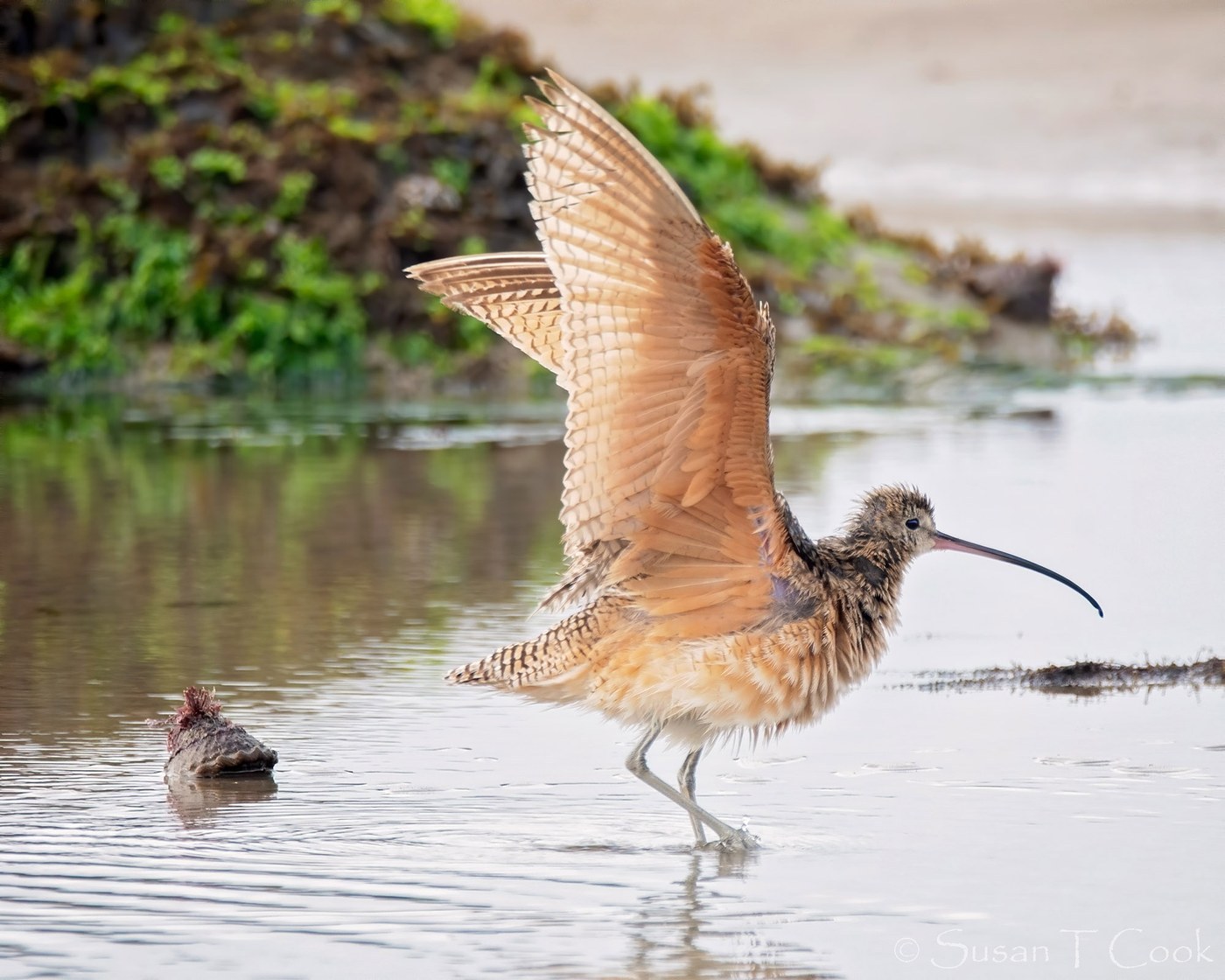
Long-billed Curlew
Body, flight, and tail feathers

Upland Sandpiper
Body, flight, and tail feathers

Red Phalarope
Body and flight feathers

Eurasian Dotterel
Body feathers
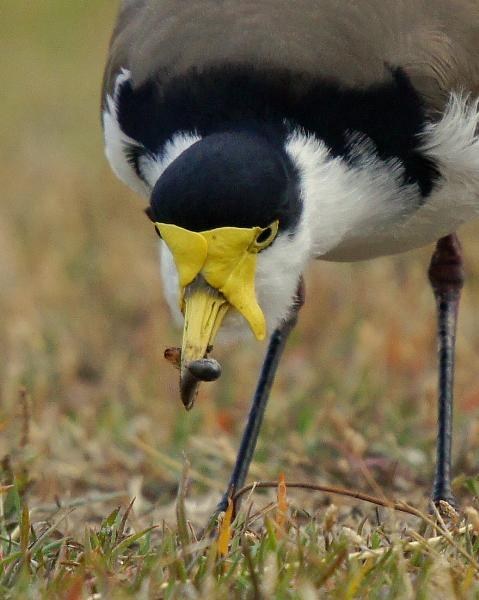
Masked Lapwing
Body, flight, and tail feathers
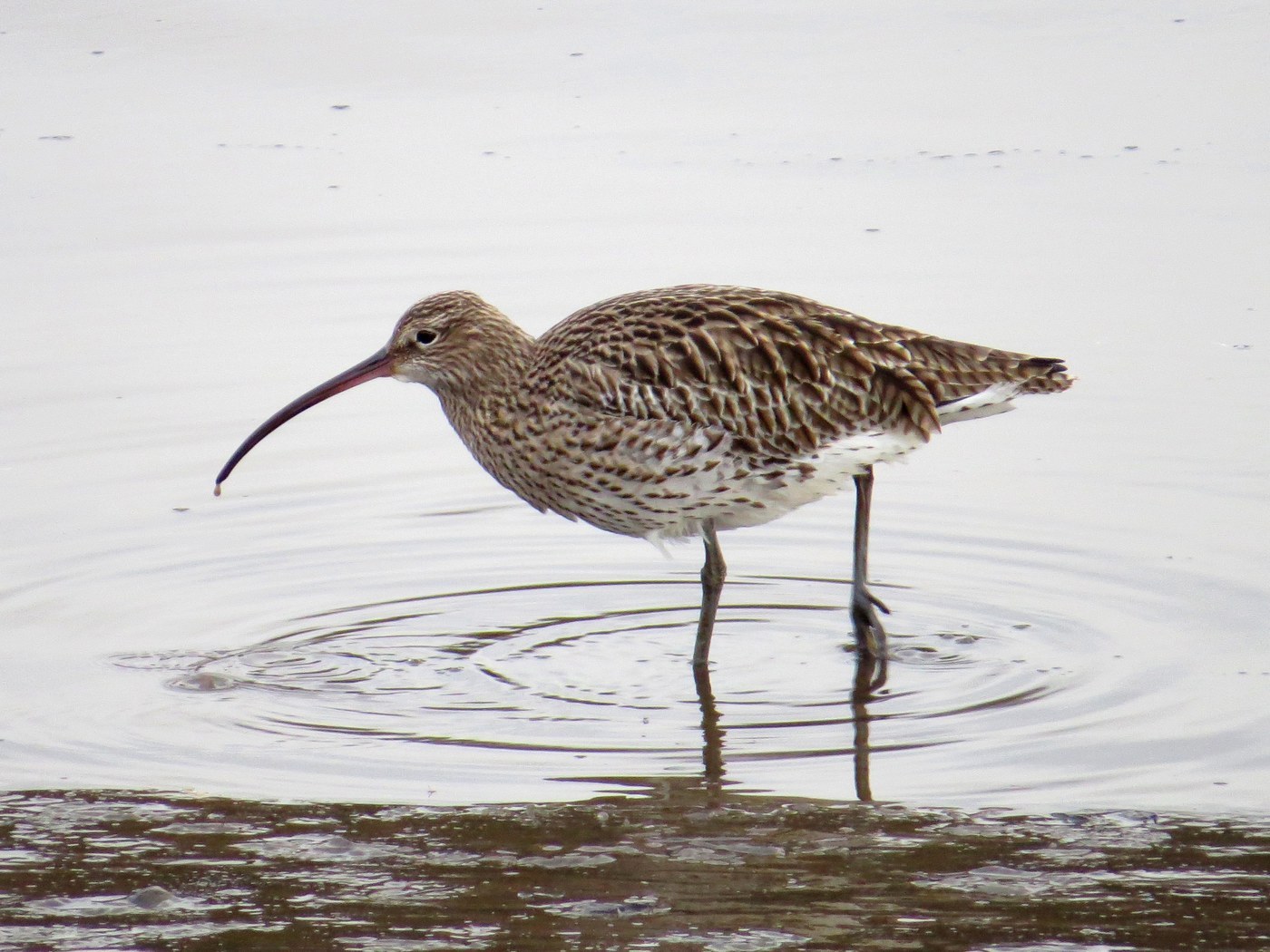
Eurasian Curlew
Body, flight, and tail feathers
Solitary Sandpiper
Contour and flight feathers