
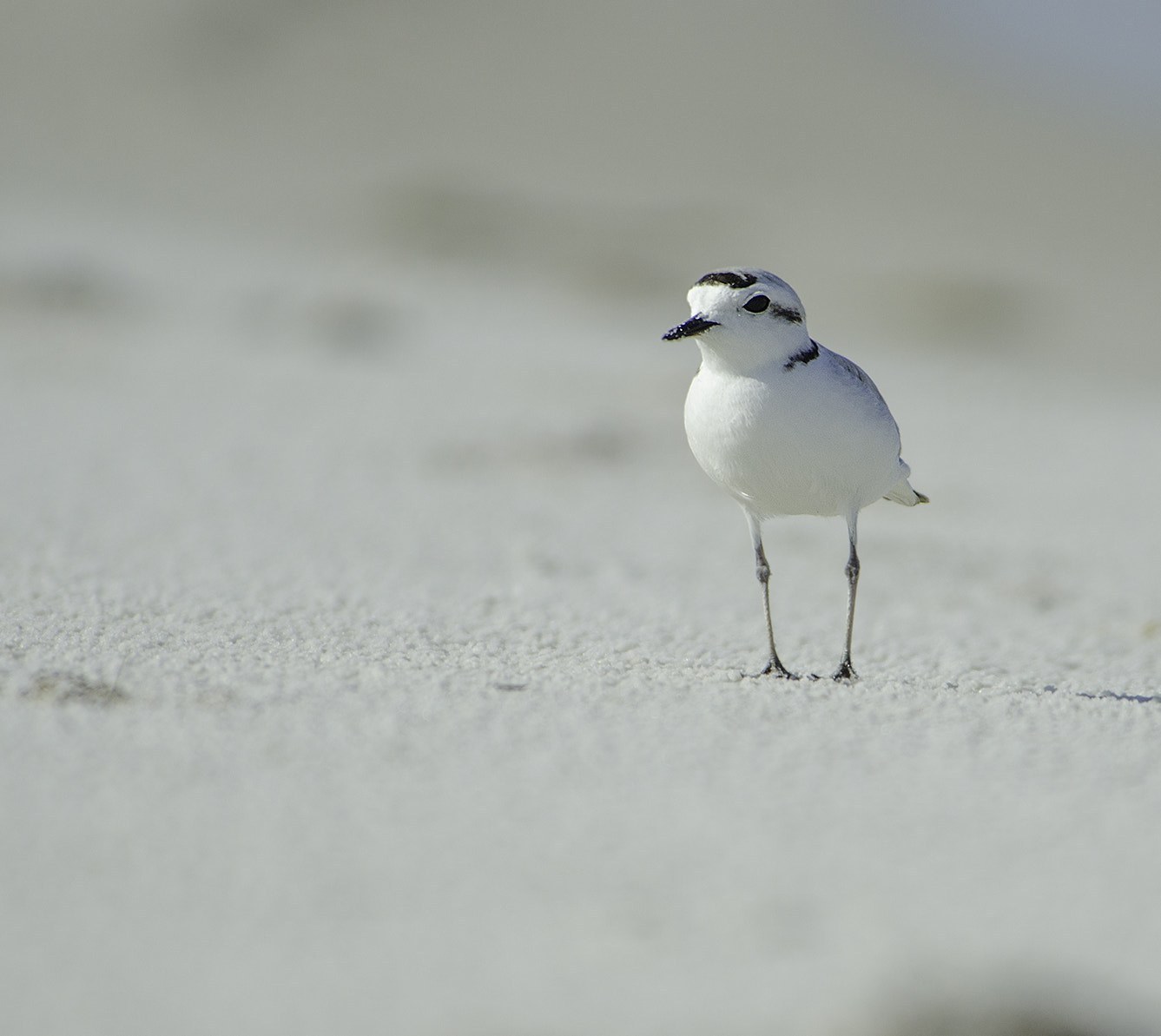
Snowy Plover
Charadrius nivosus
A very small, pale plover of sandy Pacific and Gulf coast beaches and interior alkaline flats, with dark neck patches rather than a full breast band.
- Feather type
- Small, pale, fine-textured body feathers and short rounded flight feathers
- Colours
- Pale sandy-brown upperparts, white underparts, and small dark patches at the sides of the breast
- Bird size
- Small plover, ~15-17 cm
Found a feather like this?
Identify any feather from a photo, free.
Overview
The Snowy Plover is one of the smallest and palest plovers found in the Americas, closely matching the color of dry sand on the open coastal beaches and interior alkaline lake flats it favors for foraging and nesting. Unlike many related plovers, it does not show a continuous black breast band, instead displaying small, isolated dark patches on the sides of the upper breast.
Its slender, dark bill and typically dark or gray legs distinguish it further from the closely related Piping Plover, which shares similarly pale upperparts but has orange legs and a more defined band. Snowy Plovers occur both along Pacific and Gulf coast beaches and around interior saline or alkaline lakes.
A very pale, sandy feather from a very small plover, lacking a full dark breast band and instead showing small side patches, found on an open beach or alkaline flat, is a good indicator of this species.
Identifying the Feather
Shape and Size
Body feathers are small, fine, and pale, and flight feathers are short and rounded, consistent with one of the smallest regularly encountered ringed plovers.
Color and Pattern
- Upperparts are pale sandy-brown, closely matching dry sand or alkaline flat substrate.
- Underparts are white, with small dark patches at the sides of the upper breast rather than a continuous band.
- A thin dark line may cross behind the eye, but the face pattern is generally subdued compared to bolder-patterned relatives.
- Flight feathers show a narrow white wing stripe.
Shaft and Vane
Shafts are pale throughout, consistent with the species' overall light, sand-matching coloration.
Distinguishing from Similar Species
Compared to Piping Plover, Snowy Plover shows a slightly browner, sandier upperpart tone and small isolated breast patches rather than any hint of a connected band, and its legs are darker rather than orange. Compared to Wilson's Plover, Snowy Plover is smaller and paler with a much finer, thinner bill rather than a thick, heavy one.
Plumage & Molt
Adults show pale sandy-brown upperparts, white underparts, and small dark patches at the sides of the upper breast, with a dark, slender bill and grayish to dark legs. Sexes are similar, with males often showing slightly bolder dark patches. Juveniles are paler still with faint or reduced breast patches. Molt occurs mainly after breeding, with body feathers refreshed before the next nesting season.
Habitat & Range
The Snowy Plover breeds and forages along Pacific coast beaches, Gulf coast beaches, and around interior alkaline and saline lakes in the western United States, with related populations extending into Mexico and parts of South America. Coastal populations are largely resident or make short local movements, while interior populations may shift seasonally in response to water levels at alkaline lakes.
Behavior & Field Notes
Snowy Plovers forage on open sand and at the water's edge, taking small invertebrates with a characteristic run-stop-peck technique. They rely on camouflage and often crouch or freeze when disturbed rather than flushing immediately. Their call is a soft, low whistled note. Nests are shallow scrapes on open sand or alkaline flats, frequently placed in exposed locations that make them vulnerable to disturbance and predation. For feather finders, a very small, pale sandy-brown feather with small isolated dark breast patches found on an open coastal beach or alkaline lake flat is a good indicator of this species.
Frequently asked questions
Does the Snowy Plover have a full breast band?
No, it shows small, isolated dark patches at the sides of the upper breast rather than a continuous band across the front.
How can I tell it apart from a Piping Plover feather?
Snowy Plover tends to be slightly sandier-brown rather than gray, with small isolated breast patches and darker legs rather than orange legs.
Where does the Snowy Plover live?
Along Pacific and Gulf coast beaches and around interior alkaline or saline lakes in the western Americas.
What does the Snowy Plover's bill look like?
It is thin, slender, and dark, more delicate than the thick bill of the similarly sized Wilson's Plover.
Snowy Plover guides
In-depth guides for identifying and understanding Snowy Plover.
Other feathers you may enjoy
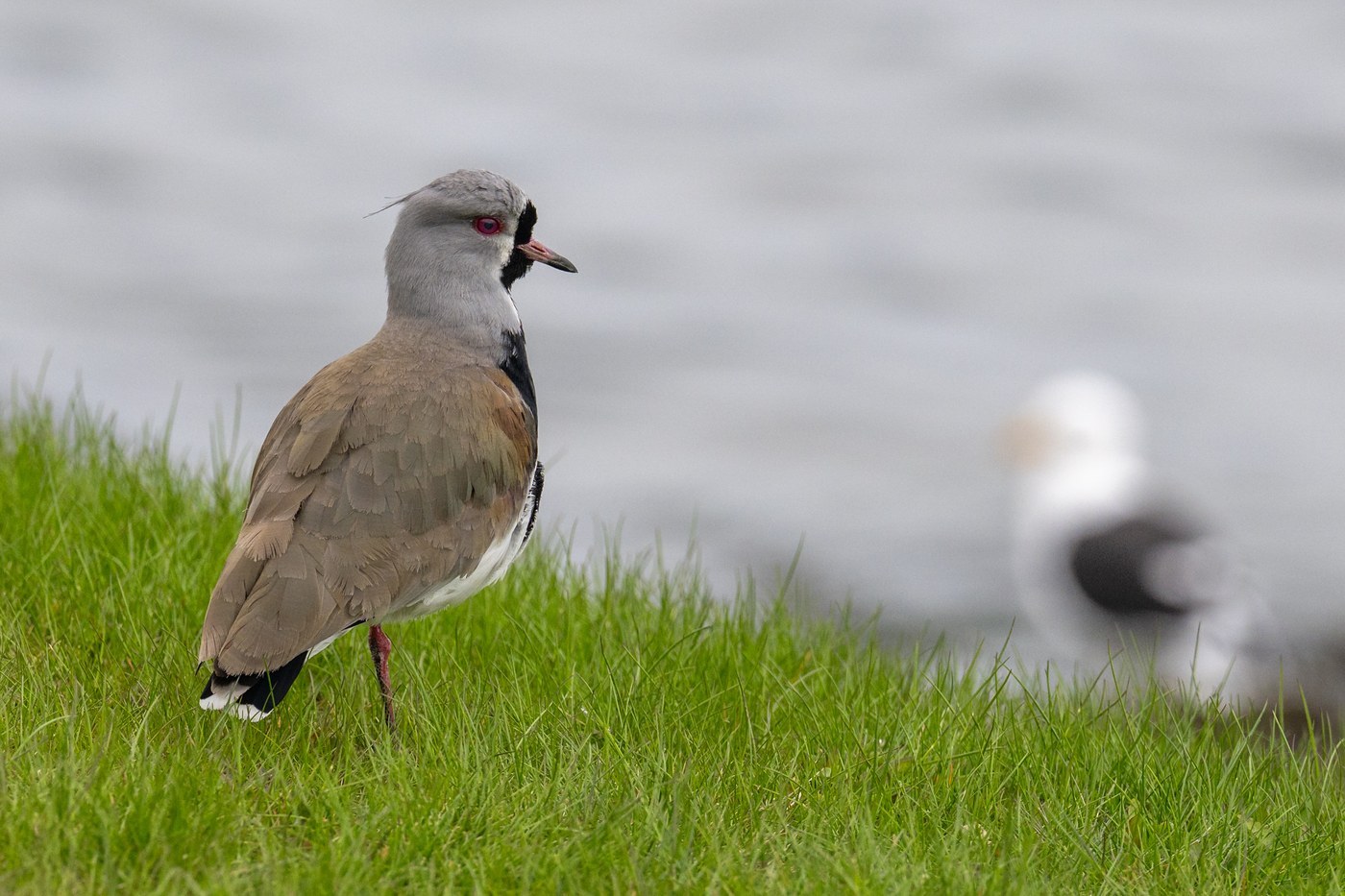
Southern Lapwing
Body, flight, and tail feathers

Jack Snipe
Body and flight feathers

Far Eastern Curlew
Body, flight, and tail feathers

Terek Sandpiper
Body and flight feathers

Wilson's Phalarope
Body and flight feathers
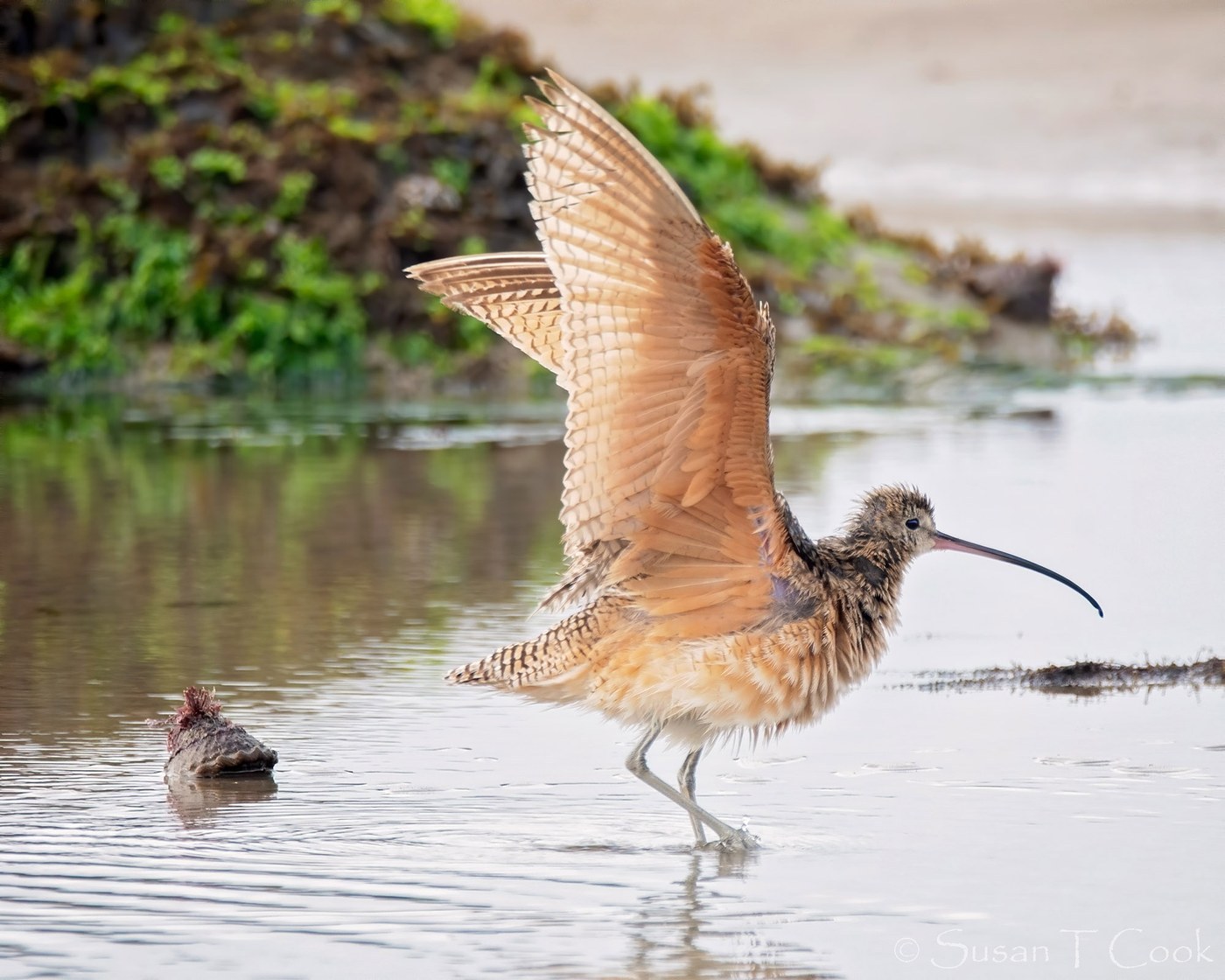
Long-billed Curlew
Body, flight, and tail feathers

Upland Sandpiper
Body, flight, and tail feathers

Red Phalarope
Body and flight feathers

Eurasian Dotterel
Body feathers
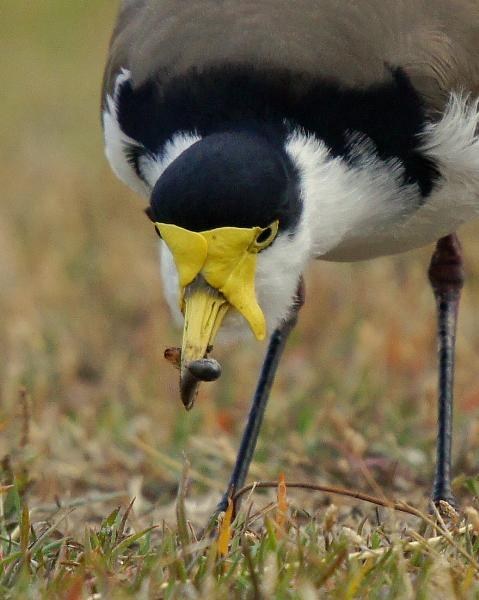
Masked Lapwing
Body, flight, and tail feathers
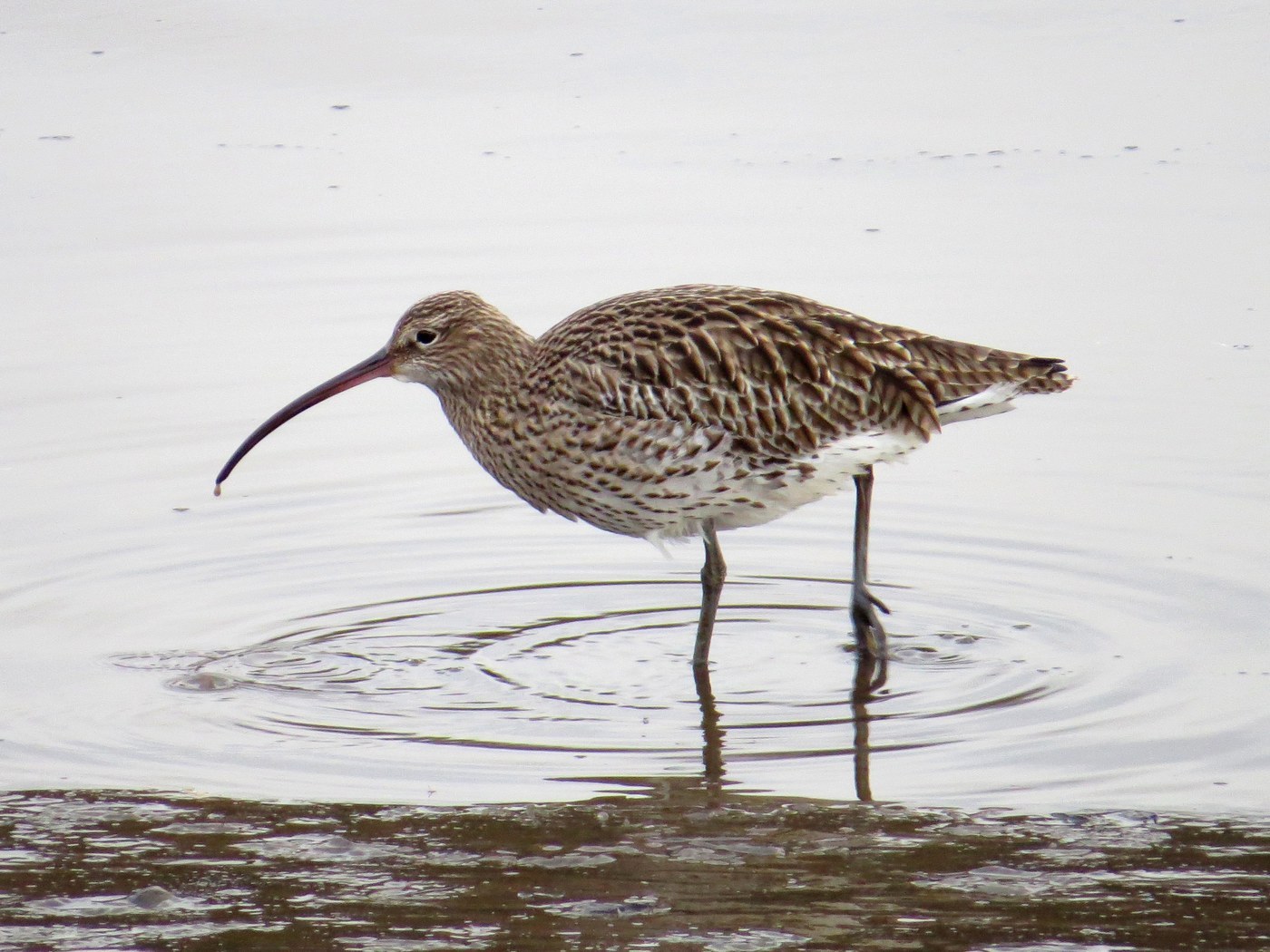
Eurasian Curlew
Body, flight, and tail feathers
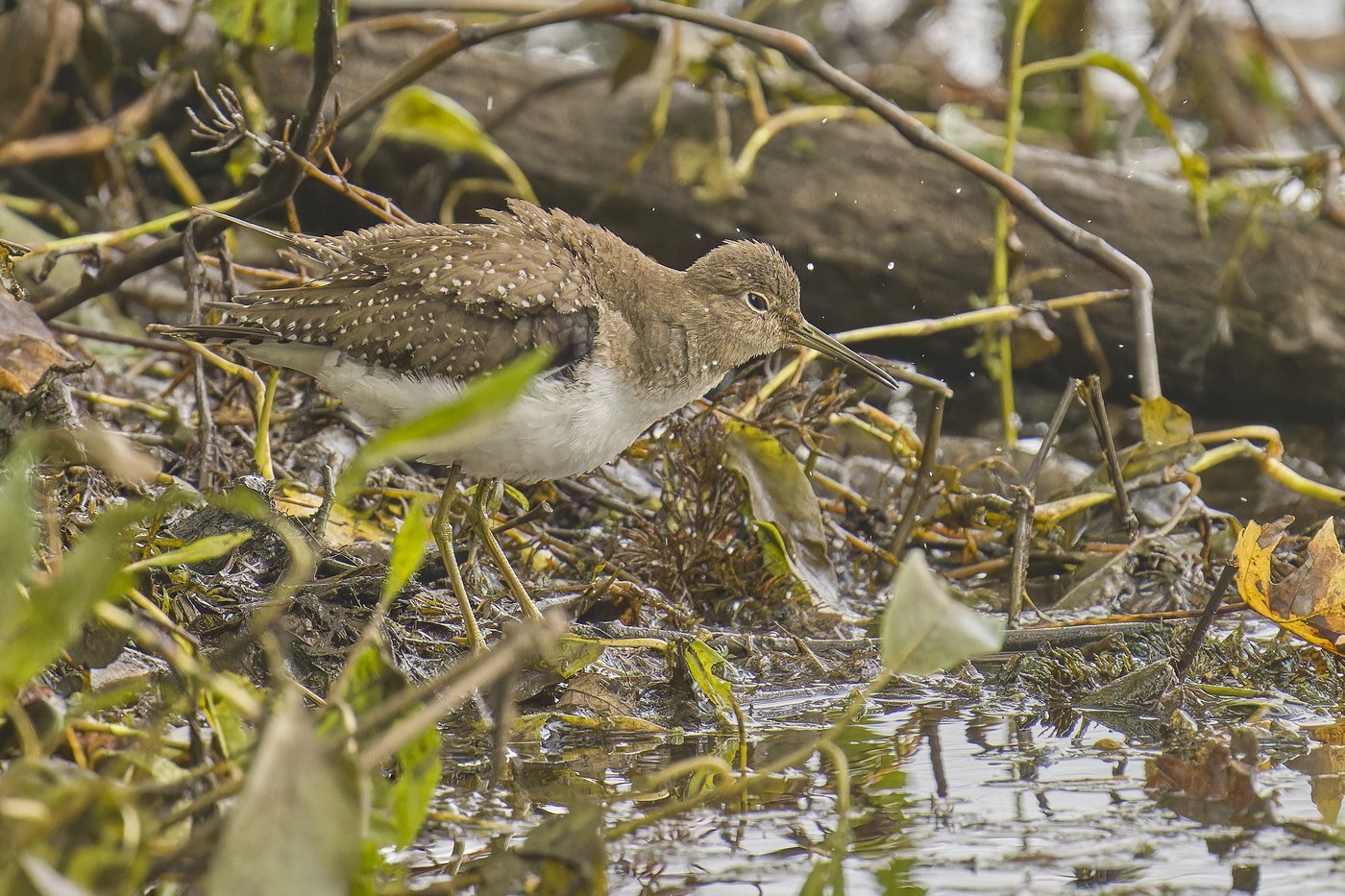
Solitary Sandpiper
Contour and flight feathers