
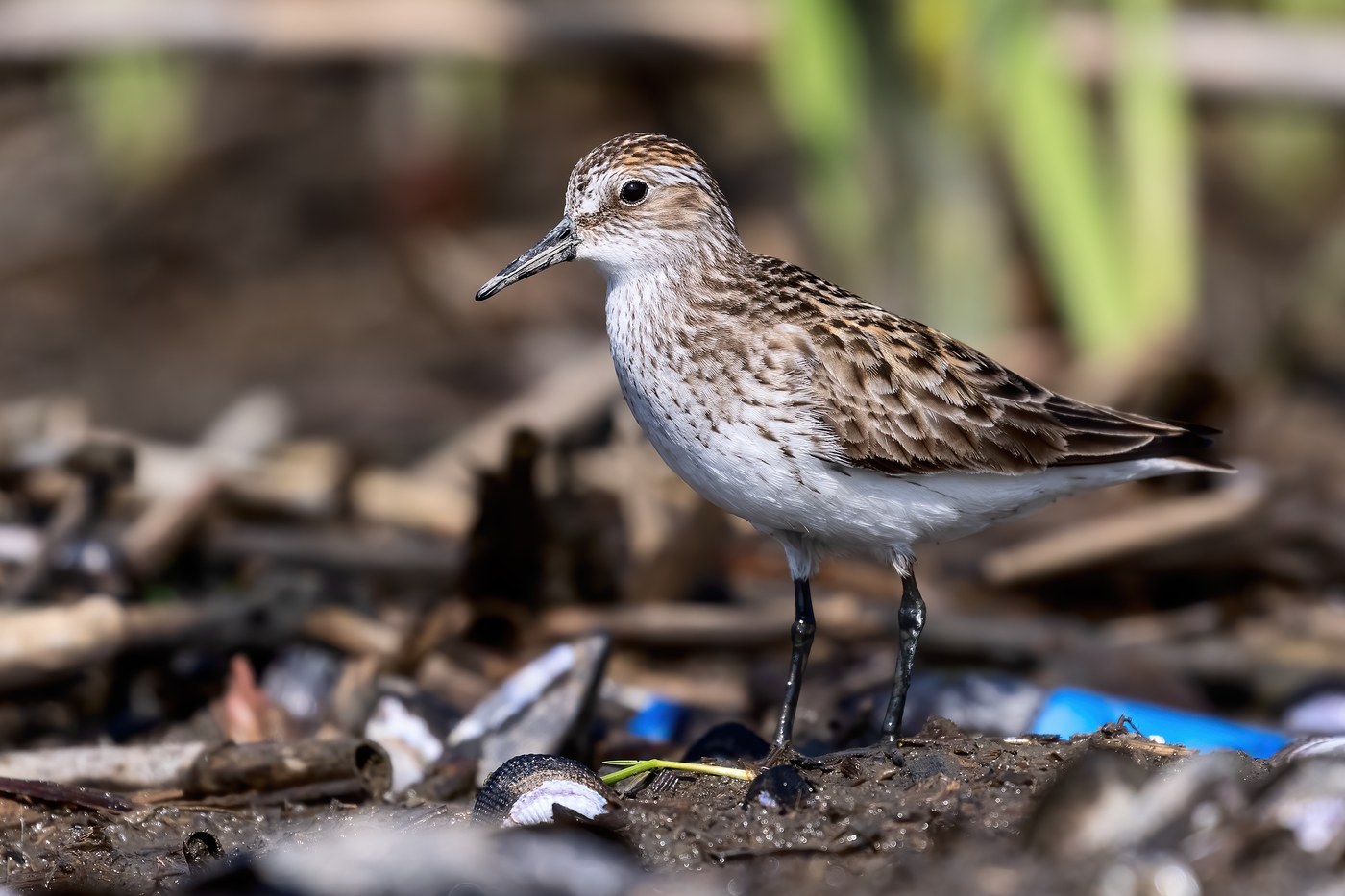
Semipalmated Sandpiper
Calidris pusilla
A small, plain-plumaged sandpiper with a short, straight, stubby bill and black legs, among the most abundant shorebirds of eastern North America.
- Feather type
- Contour and flight feathers
- Colours
- Plain gray-brown
- Bird size
- Very small sandpiper, ~13-15 cm
Found a feather like this?
Identify any feather from a photo, free.
Overview
Overview
The Semipalmated Sandpiper is a small, unassuming shorebird named for the partial webbing between its toes, a feature not visible in feathers but useful in hand. Its plumage is comparatively plain among small sandpipers, showing gray-brown upperparts with only modest rufous highlights in breeding plumage. A short, straight, blunt-tipped bill helps separate it from the longer-billed Western Sandpiper.
It breeds across Arctic tundra in North America and undertakes one of the most impressive migrations of any small shorebird, with huge numbers staging at key coastal stopover sites.
Identifying the Feather
Feather Identification
- Upperparts (breeding): Gray-brown feathers with only modest rufous fringing on the scapulars, less vivid than the Western Sandpiper's breeding pattern.
- Upperparts (non-breeding): Plain gray-brown, among the plainest of the small peeps, lacking strong markings.
- Bill: Short, straight, and blunt-tipped, notably shorter and less drooped than the Western Sandpiper's bill.
- Legs: Black, shared with most small Calidris sandpipers except the yellow-green-legged Least Sandpiper.
- Compared to similar species: The shorter, straighter, stubbier bill and generally plainer plumage separate it from the longer, more drooped-billed Western Sandpiper.
Plumage & Molt
Plumage Notes
Breeding adults show modest rufous fringing on the scapular feathers against otherwise gray-brown upperparts; non-breeding birds become quite plain gray-brown above and white below. Sexes look similar. Juveniles show neat pale fringes on the back and covert feathers, giving a scaly appearance that fades through the first molt into adult-like plumage.
Habitat & Range
Habitat & Range
Semipalmated Sandpipers breed on Arctic tundra across northern Canada and Alaska. They undertake long migrations, with major populations staging in huge numbers at key coastal stopover sites in eastern North America before continuing to wintering grounds along the coasts of Central and South America, favoring mudflats, beaches, and coastal marshes.
Behavior & Field Notes
Behavior & Field Notes
This species forages by pecking rapidly at the surface of mud and shallow water, moving quickly in tight, coordinated flocks alongside other small sandpipers. Its call is a short, low "chrup" or "cherk," useful for separating it from similar species by ear. Nesting occurs on the ground on open Arctic tundra, often placed among low vegetation for concealment.
Frequently asked questions
What color are Semipalmated Sandpiper feathers?
Gray-brown upperparts with only modest rufous fringing in breeding plumage, becoming quite plain gray-brown in non-breeding plumage.
How can I tell a Semipalmated Sandpiper feather from a Western Sandpiper feather?
Bill shape is the most reliable clue: the Semipalmated Sandpiper has a shorter, straighter, blunter bill compared to the longer, more drooped bill of the Western Sandpiper.
What does semipalmated mean in this species' name?
It refers to partial webbing between the toes, a feature used for identification in the hand rather than visible in feathers.
Where would I find a Semipalmated Sandpiper feather?
Around mudflats, beaches, and coastal marshes along major migration stopover sites in eastern North America or wintering grounds in Central and South America.
Semipalmated Sandpiper guides
In-depth guides for identifying and understanding Semipalmated Sandpiper.
Other feathers you may enjoy
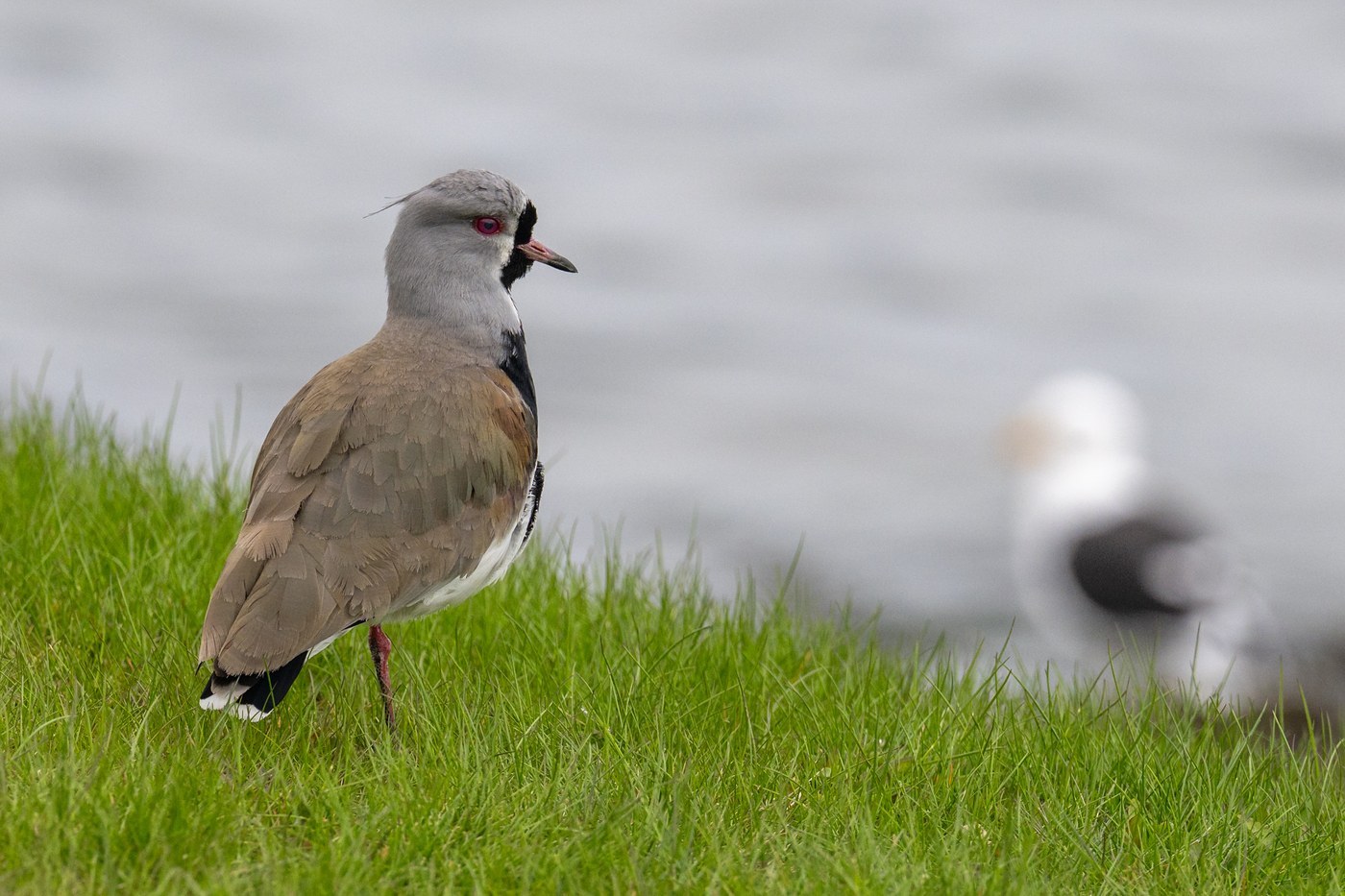
Southern Lapwing
Body, flight, and tail feathers

Jack Snipe
Body and flight feathers

Far Eastern Curlew
Body, flight, and tail feathers

Terek Sandpiper
Body and flight feathers

Wilson's Phalarope
Body and flight feathers
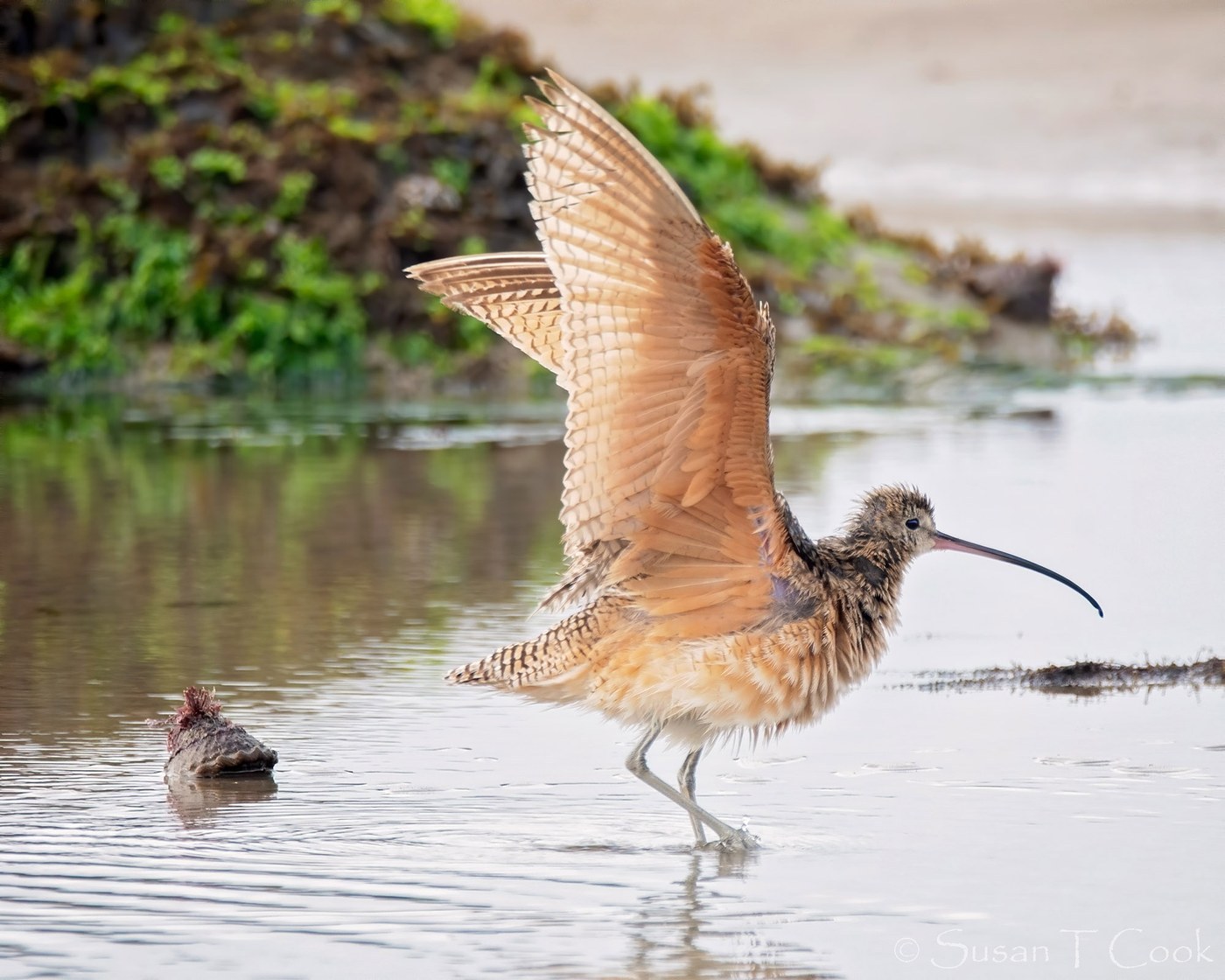
Long-billed Curlew
Body, flight, and tail feathers

Upland Sandpiper
Body, flight, and tail feathers

Red Phalarope
Body and flight feathers

Eurasian Dotterel
Body feathers
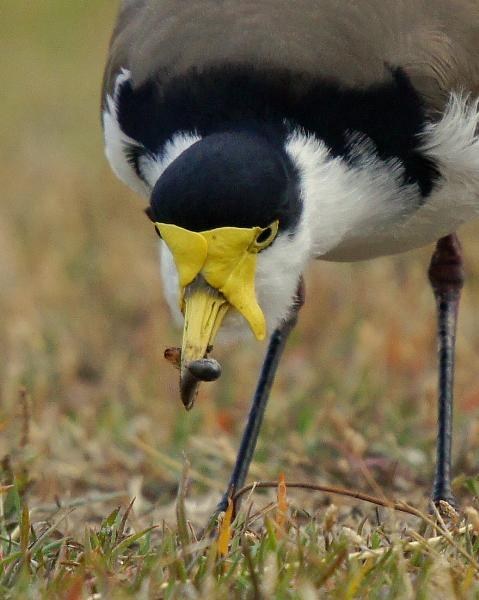
Masked Lapwing
Body, flight, and tail feathers
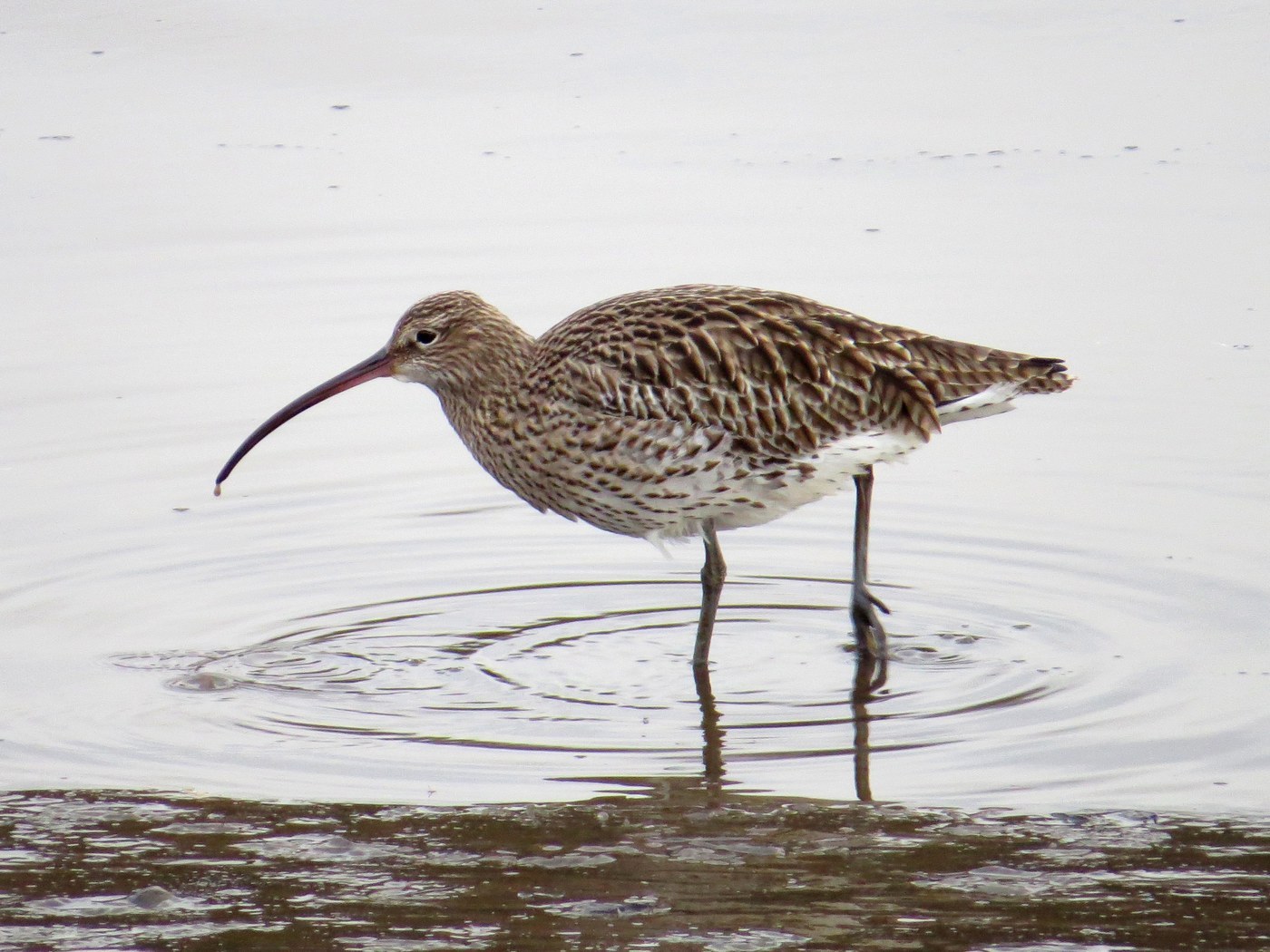
Eurasian Curlew
Body, flight, and tail feathers
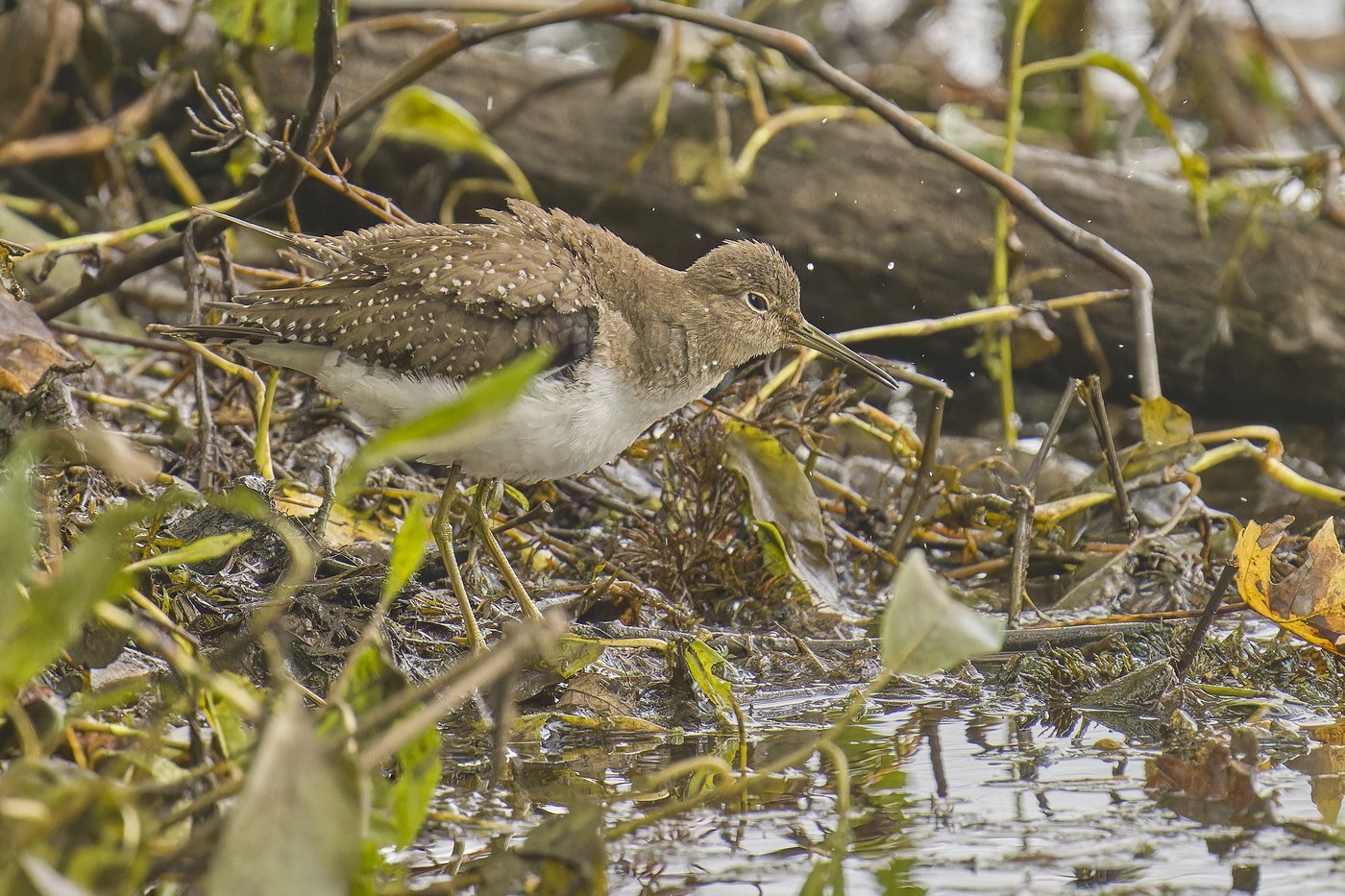
Solitary Sandpiper
Contour and flight feathers