

Sanderling
Calidris alba
The palest of the common small sandpipers, famous for chasing retreating waves on open sandy beaches in tight, fast-moving flocks.
- Feather type
- Contour and flight feathers
- Colours
- Pale gray and white (winter); rufous-mottled (breeding)
- Bird size
- Small sandpiper, ~18-20 cm
Found a feather like this?
Identify any feather from a photo, free.
Overview
Overview
The Sanderling is a small, pale sandpiper widely recognized for its habit of running back and forth along the swash zone of sandy beaches, chasing retreating waves to snatch exposed invertebrates. In non-breeding plumage it appears almost ghostly pale gray and white, among the palest of all small sandpipers, with black legs and bill. Breeding plumage adds a rich rufous mottling to the head, neck, and upper back.
It breeds in the high Arctic tundra and undertakes long migrations to sandy coastlines worldwide, often forming large, fast-moving flocks.
Identifying the Feather
Feather Identification
- Non-breeding upperparts: Very pale, almost silvery gray, among the palest of any small sandpiper, with minimal streaking or barring.
- Breeding upperparts: Rich rufous-chestnut mottling on the head, neck, and back, contrasting with whitish underparts.
- Wing pattern: A bold white wingbar is visible in flight, bordered by a blackish leading edge, useful for identification on the wing.
- Shoulder patch: A small black patch at the bend of the wing (carpal area) is often visible on standing birds.
- Compared to similar species: The palest overall coloring among small "peep" sandpipers plus the black legs (no hind toe, unique among Calidris) separate it from Dunlin and other small sandpipers.
Plumage & Molt
Plumage Notes
Breeding adults show striking rufous-chestnut mottling across the head, neck, and upperparts, molting into a much paler, almost pure gray-and-white non-breeding plumage by early fall. Sexes look alike. Juveniles show a checkered black-and-white pattern on the back, distinct from either adult plumage, before molting into a first-winter plumage resembling adult non-breeding birds.
Habitat & Range
Habitat & Range
Sanderlings breed on high Arctic tundra across the northernmost parts of North America, Europe, and Asia. They undertake extensive migrations to winter on sandy beaches and tidal flats across virtually every continent's coastline, from temperate to tropical latitudes, making them one of the most widely distributed shorebirds in the world.
Behavior & Field Notes
Behavior & Field Notes
This species is famous for its energetic feeding behavior, running rapidly along the swash zone of sandy beaches to pick invertebrates exposed by receding waves, then retreating just ahead of the next wave. Flocks move together with remarkable coordination, wheeling in flight to reveal flashing white wingbars. Its calls are short, sharp "kip" or "twick" notes. Nesting occurs on open Arctic tundra, often placed inconspicuously among low vegetation.
Frequently asked questions
What color are Sanderling feathers?
Non-breeding feathers are very pale silvery gray and white, while breeding feathers show rich rufous-chestnut mottling on the head and back.
How can I identify a Sanderling feather by wing pattern?
Look for a bold white wingbar bordered by a blackish leading edge, visible when the wing is spread.
Why is the Sanderling considered the palest small sandpiper?
Its non-breeding plumage is nearly silvery-white overall, paler than most other small Calidris sandpipers in winter.
Where would I find a Sanderling feather?
On sandy beaches and tidal flats virtually worldwide outside the Arctic breeding season.
Sanderling guides
In-depth guides for identifying and understanding Sanderling.

Sanderling identified by the community
Real feathers identified with Feather Identifier.

Other feathers you may enjoy
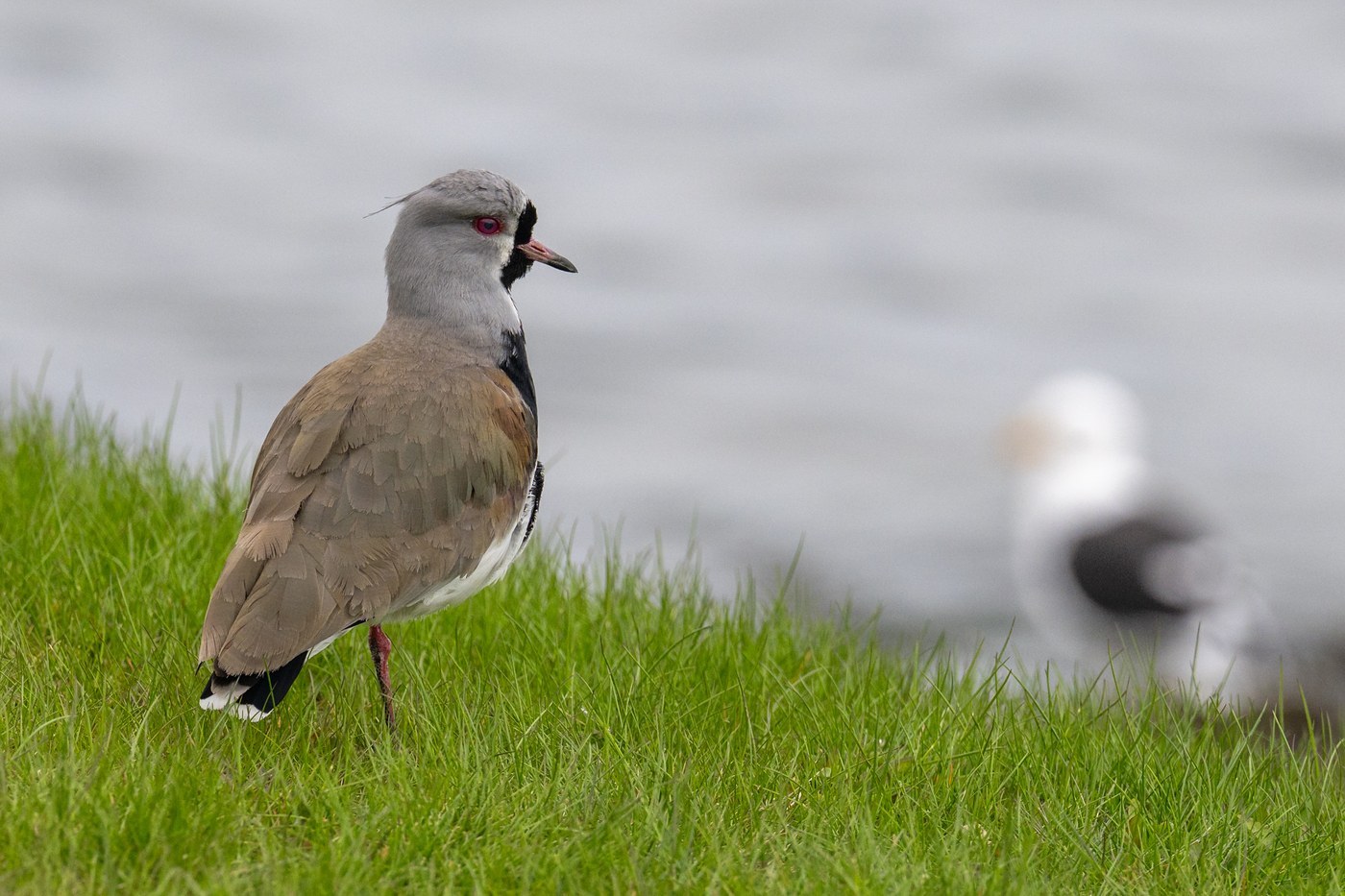
Southern Lapwing
Body, flight, and tail feathers

Jack Snipe
Body and flight feathers

Far Eastern Curlew
Body, flight, and tail feathers

Terek Sandpiper
Body and flight feathers

Wilson's Phalarope
Body and flight feathers
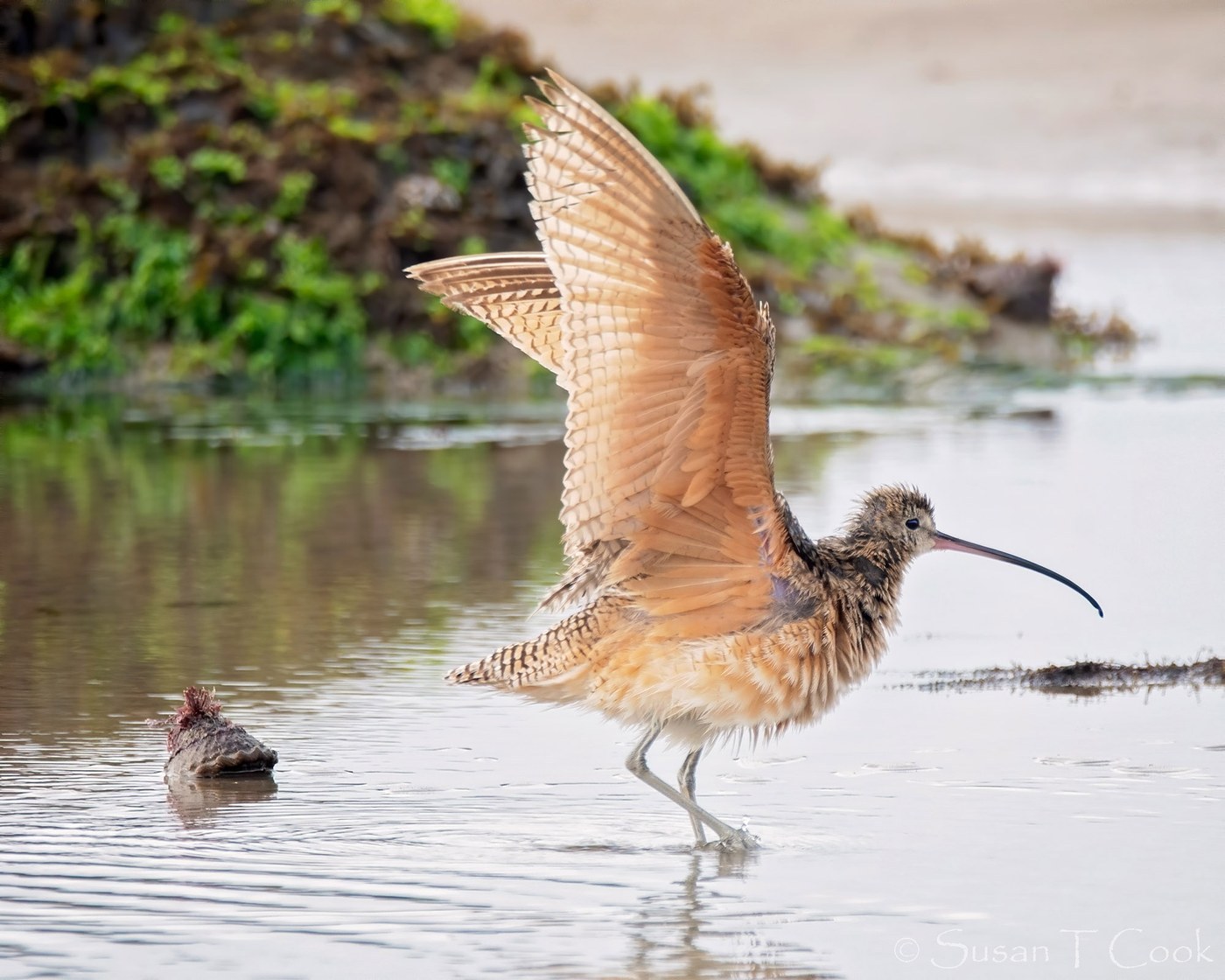
Long-billed Curlew
Body, flight, and tail feathers

Upland Sandpiper
Body, flight, and tail feathers

Red Phalarope
Body and flight feathers

Eurasian Dotterel
Body feathers
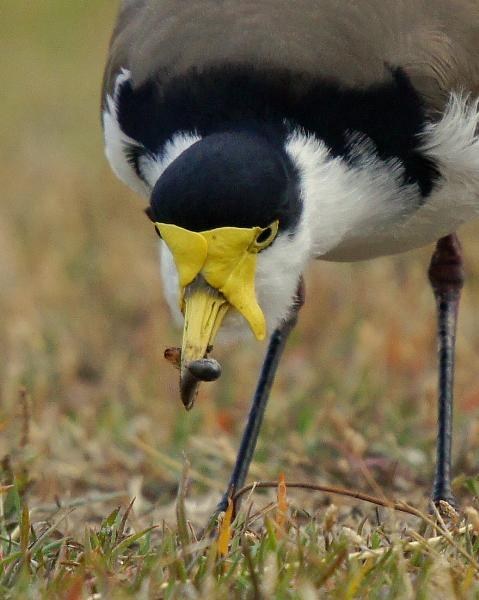
Masked Lapwing
Body, flight, and tail feathers
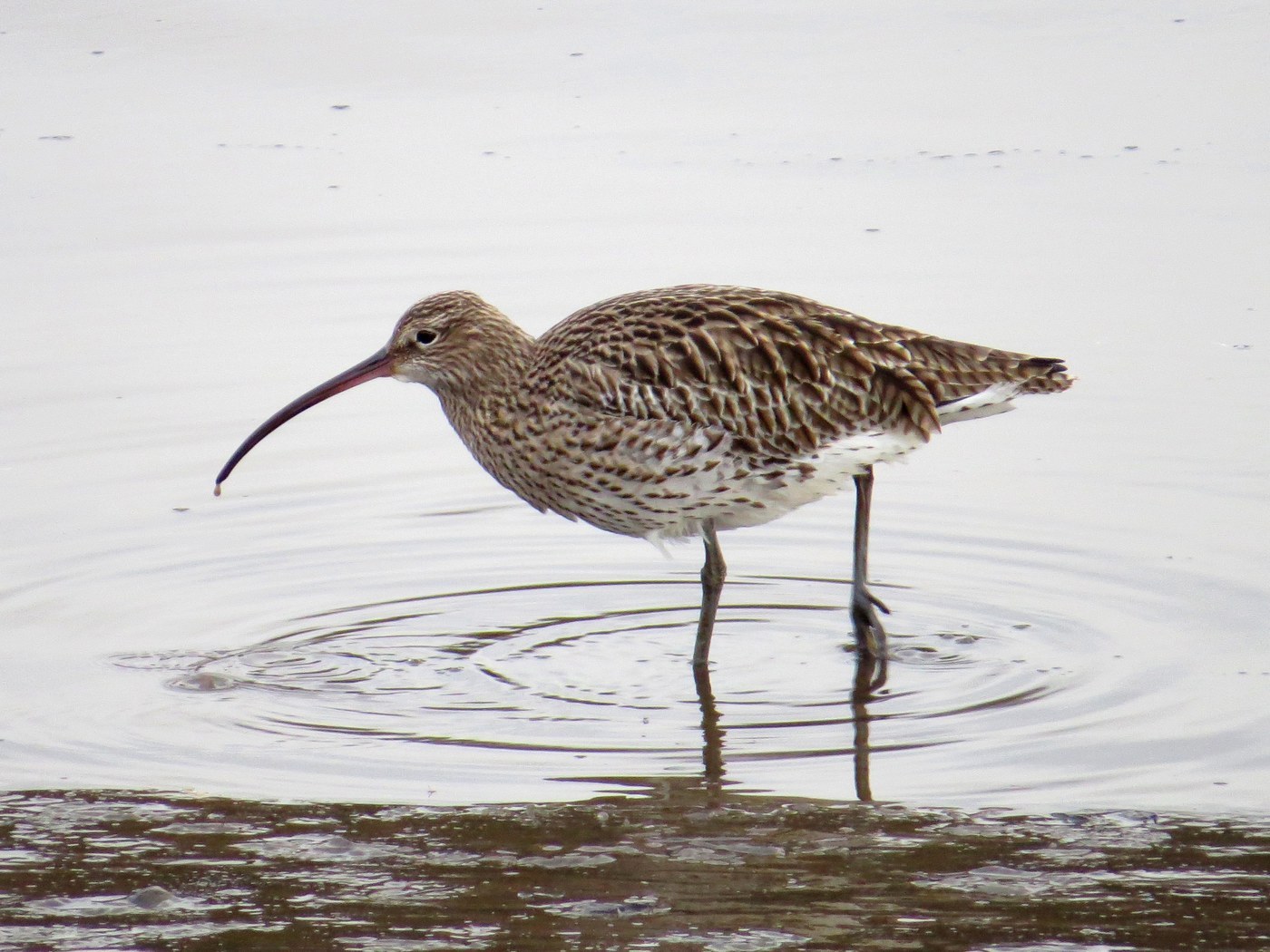
Eurasian Curlew
Body, flight, and tail feathers
Solitary Sandpiper
Contour and flight feathers