

Ruddy Turnstone
Arenaria interpres
A boldly patterned, harlequin-like shorebird known for flipping stones and debris in search of food, with breeding feathers combining rufous, black, and white in a striking tortoiseshell pattern.
- Feather type
- Medium wader contour and flight feathers
- Colours
- Bold rufous, black, and white breeding pattern; duller brown-and-white nonbreeding plumage
- Bird size
- Sandpiper-sized, ~22-24 cm
Found a feather like this?
Identify any feather from a photo, free.
Overview
Overview
The Ruddy Turnstone is a stocky, strikingly patterned shorebird with a nearly worldwide coastal distribution outside the breeding season. Its name comes from its habit of flipping stones, shells, and seaweed to uncover hidden prey. Breeding plumage is a bold combination of rufous, black, and white that makes it one of the most recognizable shorebirds by feather alone.
Feathers are commonly found along rocky shorelines, jetties, and beaches nearly worldwide, since this species winters on coasts across every continent except Antarctica.
Identifying the Feather
Feather Identification
- Breeding upperparts: a bold tortoiseshell pattern combining rufous, chestnut, and black patches on the back and scapular feathers, unlike the more uniform tones of most shorebirds.
- Head and breast: sharply patterned black-and-white face markings and a solid black breast band, giving a harlequin appearance.
- Nonbreeding feathers: duller, with dark brown replacing the rufous tones, but retaining much of the bold blackish breast and facial patterning.
- Wing feathers: strikingly patterned in flight with white wing patches and a white wingbar visible against dark primaries, more contrasty than typical calidrid wings.
- Versus Black Turnstone: Ruddy Turnstone shows rufous tones (especially in breeding plumage) that Black Turnstone entirely lacks, and its overall pattern is more colorful and contrasty.
Plumage & Molt
Plumage Notes
Breeding adults show a bold rufous-and-black tortoiseshell back pattern with a striking black-and-white facial pattern and solid black breast band; males average slightly brighter than females, though both sexes show the same general pattern. Nonbreeding adults become duller brown above, retaining the dark breast band and facial pattern but losing the vivid rufous back coloration.
Juveniles resemble nonbreeding adults but show neatly scaled, pale-fringed upperpart feathers and a less solidly defined breast band. Molt into nonbreeding plumage occurs mostly after the breeding season, with a partial molt producing bright breeding plumage before spring migration.
Habitat & Range
Habitat & Range
Ruddy Turnstones breed on Arctic tundra and rocky coastal habitats across the high Arctic of North America, Greenland, and Eurasia. Outside the breeding season they are found on rocky shorelines, jetties, sandy beaches, and coral reef flats on every continent except Antarctica, making them one of the most widely distributed shorebirds in the world.
Behavior & Field Notes
Behavior & Field Notes
Ruddy Turnstones forage by flipping over stones, shells, seaweed, and debris to expose hidden invertebrates underneath, a highly distinctive foraging behavior that gives the species its name. They are opportunistic and adaptable, sometimes scavenging near human activity along beaches and docks.
Nests are shallow tundra scrapes. The flight call is a fast, chattering rattle, quite different from the softer notes of many calidrids. Because of their nearly global winter distribution along coastlines, turnstone feathers are among the more commonly encountered shorebird feathers on beaches worldwide.
Frequently asked questions
What is the best way to identify a Ruddy Turnstone feather?
Look for a bold tortoiseshell pattern combining rufous, black, and white tones on the back feathers, along with a strong black-and-white facial pattern.
How does this differ from a Black Turnstone feather?
Ruddy Turnstone shows rufous coloring, especially in breeding plumage, which Black Turnstone entirely lacks; Black Turnstone is uniformly dark and white instead.
Where are Ruddy Turnstone feathers commonly found?
Along rocky shorelines, jetties, sandy beaches, and reef flats on nearly every continent, since this species winters coastally almost worldwide.
What foraging behavior is associated with this species?
Flipping over stones, shells, and seaweed to uncover hidden invertebrates, a behavior that gives the species its common name.
Do nonbreeding feathers still show the bold pattern?
The dark breast band and facial pattern persist, but the vivid rufous back coloring fades to duller brown outside the breeding season.
Ruddy Turnstone guides
In-depth guides for identifying and understanding Ruddy Turnstone.

Other feathers you may enjoy
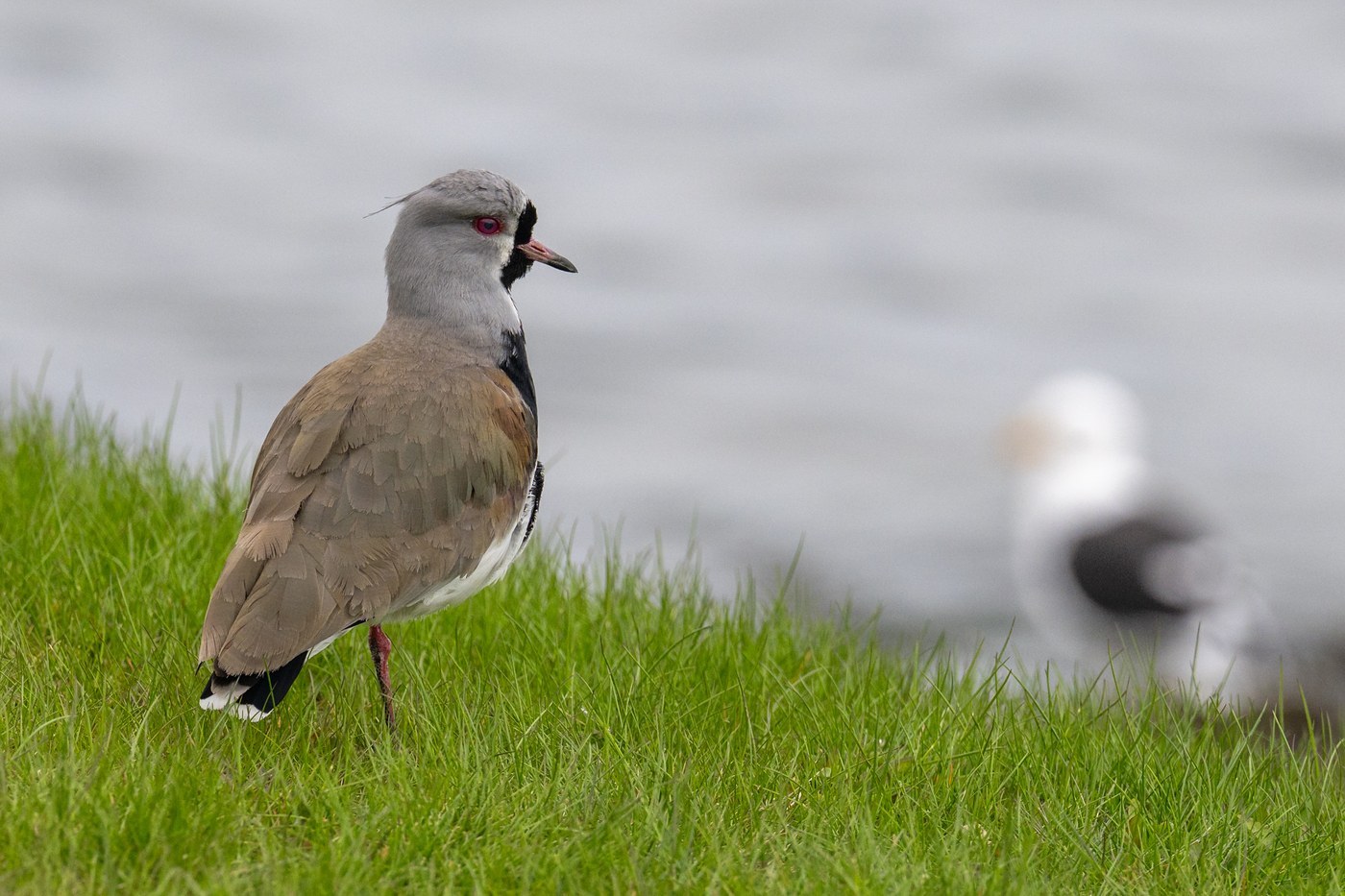
Southern Lapwing
Body, flight, and tail feathers

Jack Snipe
Body and flight feathers

Far Eastern Curlew
Body, flight, and tail feathers

Terek Sandpiper
Body and flight feathers

Wilson's Phalarope
Body and flight feathers
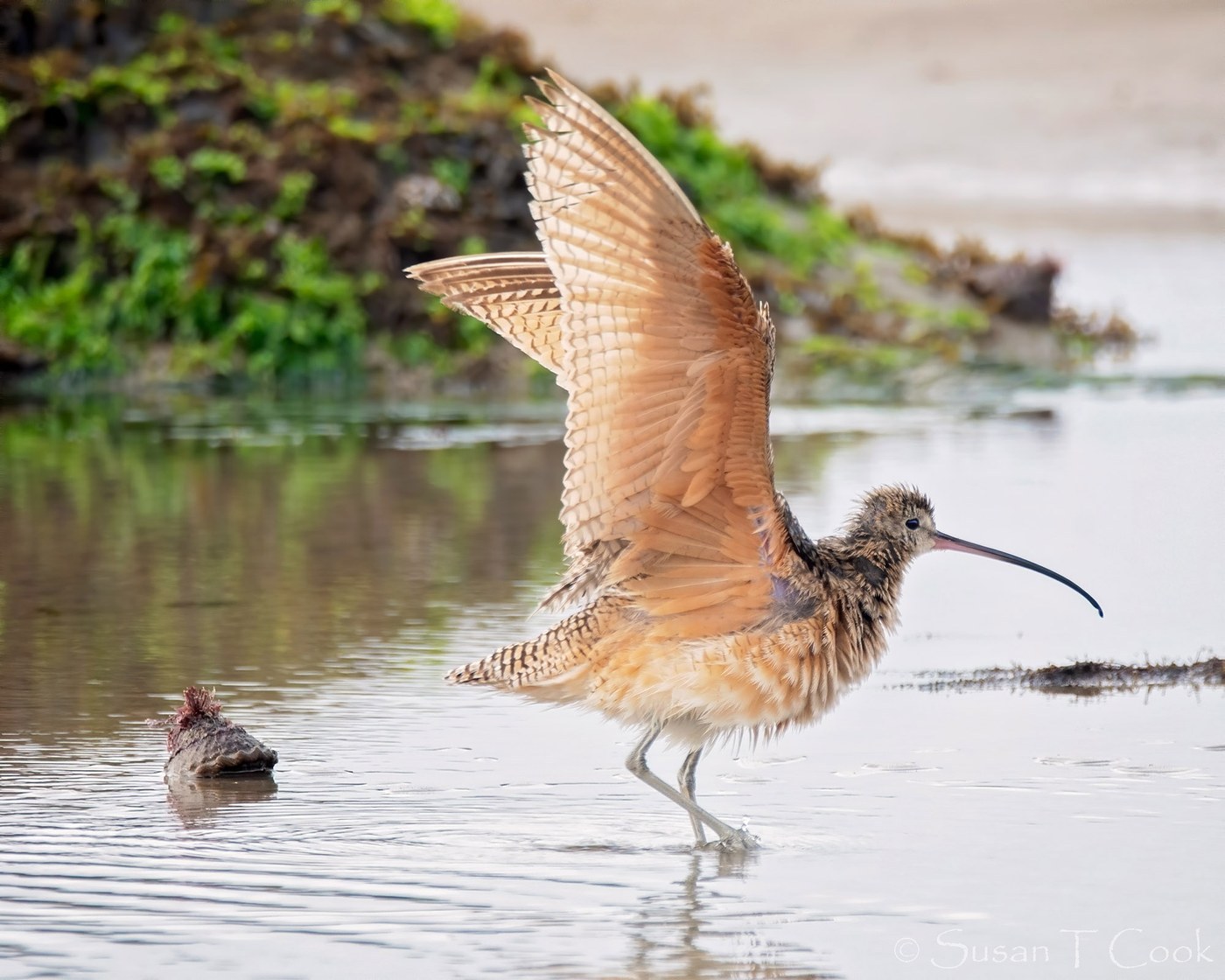
Long-billed Curlew
Body, flight, and tail feathers

Upland Sandpiper
Body, flight, and tail feathers

Red Phalarope
Body and flight feathers

Eurasian Dotterel
Body feathers
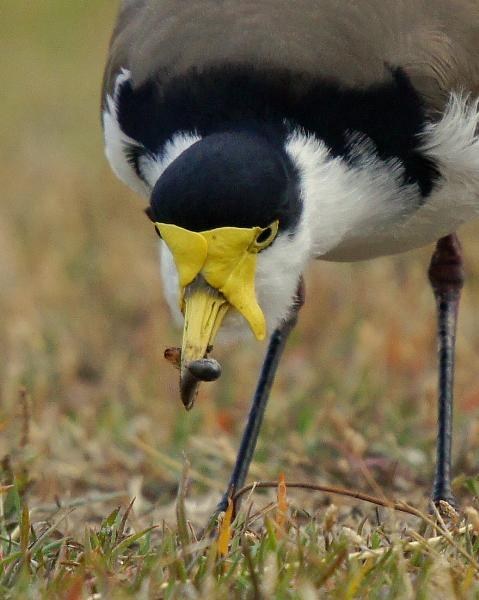
Masked Lapwing
Body, flight, and tail feathers
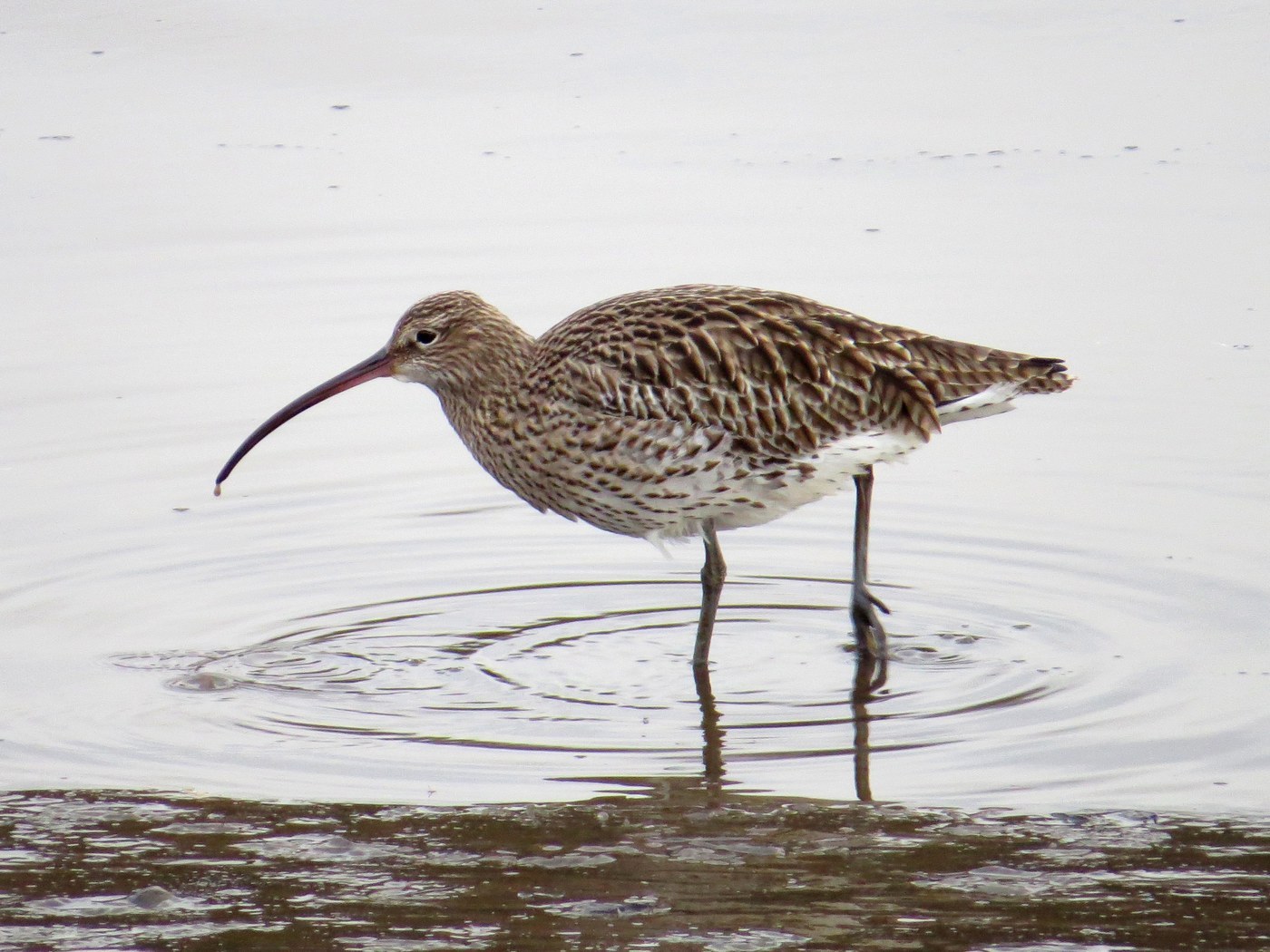
Eurasian Curlew
Body, flight, and tail feathers
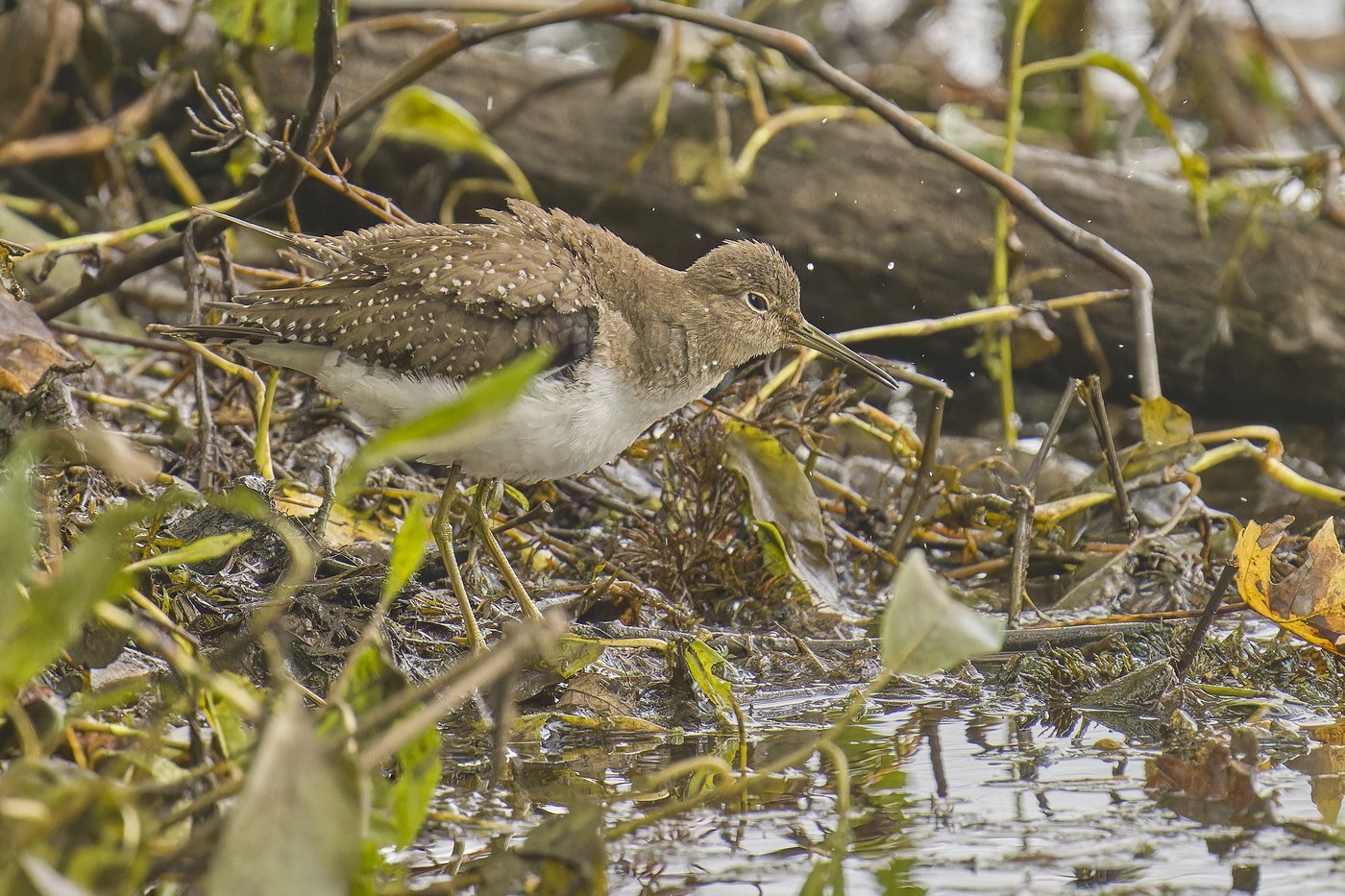
Solitary Sandpiper
Contour and flight feathers