
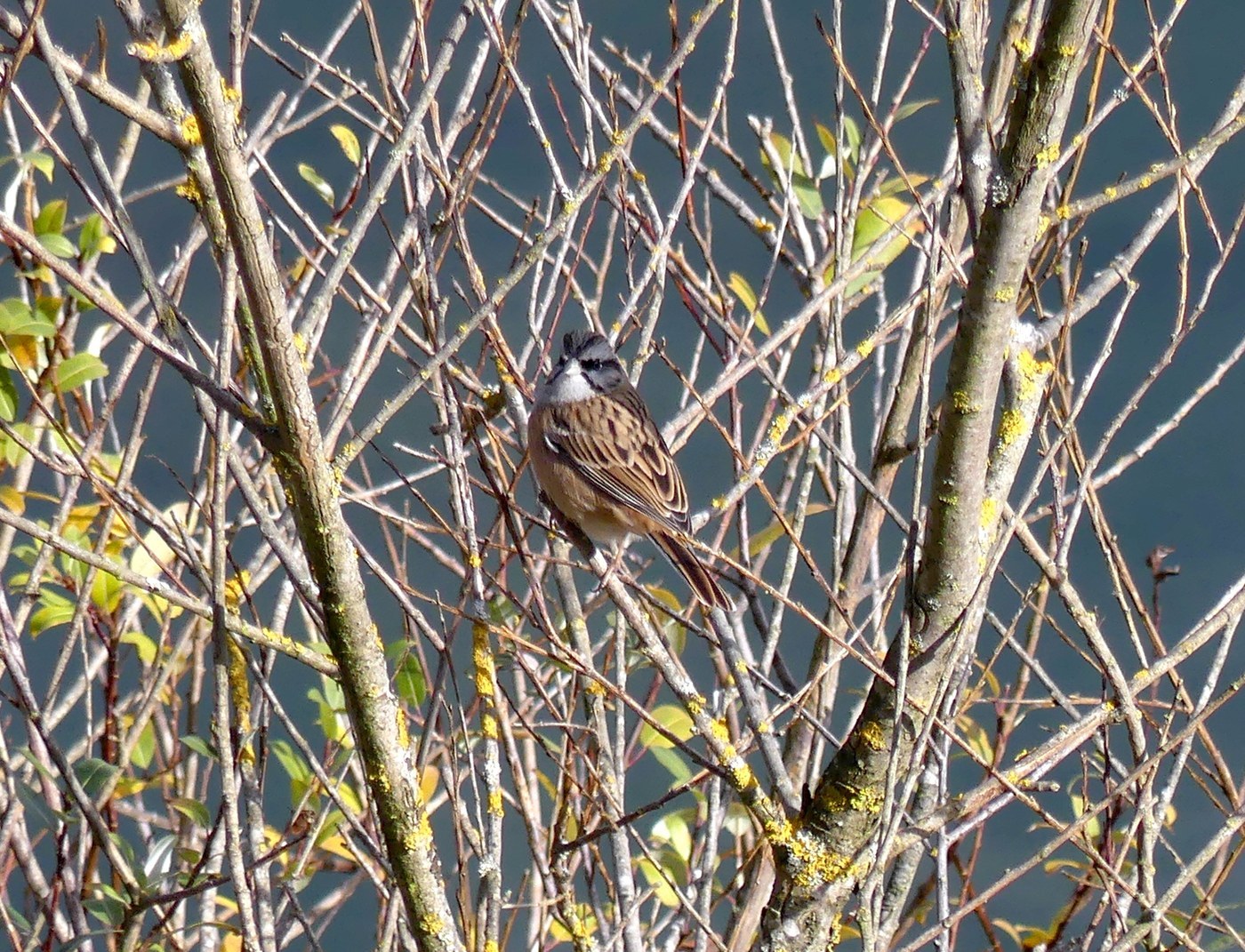
Rock Bunting
Emberiza cia
The Rock Bunting is a bunting of dry, rocky hillsides across southern Europe and Asia, identified by its gray head with bold black stripes and a chestnut-streaked back.
- Feather type
- Contour and flight feathers, chestnut-streaked
- Colours
- Chestnut-brown streaked back with a gray head marked by black stripes
- Bird size
- Sparrow-sized, ~16 cm
Found a feather like this?
Identify any feather from a photo, free.
Overview
Overview
The Rock Bunting occupies dry, rocky, and often steep terrain across a broad swath of southern Europe and Asia, favoring sun-exposed slopes with scattered scrub rather than dense woodland.
- Family: Buntings (Emberizidae)
- Genus: Emberiza, the Old World buntings
- Well adapted to rugged, rocky habitats at a range of elevations
Identifying the Feather
Feather Identification
Rock Bunting feathers show a chestnut-brown streaked back paired with a gray head marked by bold black stripes through the eye and along the crown.
- Shape: Rounded contour feathers; tail feathers show white outer edges, common among Emberiza buntings
- Size: Small, sparrow-sized feathers
- Color pattern: Streaked chestnut-brown upperparts, gray face and throat with black stripes, and warm chestnut-buff underparts; females and juveniles show a less contrasting, more streaked head
- Shaft: Pale, not diagnostic
- Vs. similar species: The bold black-striped gray head against a chestnut body separates this species from most other streaked buntings in its range
Plumage & Molt
Plumage Details
Adults show a gray head with black stripes, chestnut-streaked back, and warm buff-chestnut underparts; females are slightly duller with less crisp head striping.
- Sexes: Sexes are similar but males typically show slightly bolder head stripes
- Juveniles: More diffusely streaked overall, with a less defined head pattern
- Seasonal changes: Minimal seasonal plumage change
- Molt: Complete molt after the breeding season
Habitat & Range
Habitat & Range
Rock Buntings favor dry, rocky terrain with scattered vegetation across a wide elevational range.
- Range: Southern Europe, North Africa, and across parts of central and southern Asia
- Habitat: Rocky slopes, dry scrub, and open hillsides, often at higher elevations in the southern part of its range
- Migratory status: Largely resident or short-distance migrant, with some populations moving to lower elevations in winter
Behavior & Field Notes
Behavior & Field Notes
Rock Buntings forage on the ground among rocks and sparse vegetation, feeding on seeds and insects.
- Diet: Insects during breeding season; seeds more prominent outside the breeding period
- Nesting: Builds a cup nest on the ground or in rock crevices, well hidden by surrounding vegetation
- Voice: A simple, somewhat monotonous song of short repeated phrases
- Field notes: Often seen perched on rocks or low shrubs in open, sun-exposed terrain, blending well with its rocky surroundings
Frequently asked questions
What is the key head pattern for identifying Rock Bunting?
A gray head marked with bold black stripes through the eye and along the crown, contrasting with a chestnut-streaked body.
What kind of habitat does Rock Bunting prefer?
It favors dry, rocky slopes and open scrubby hillsides, often at higher elevations across its southern range.
Does the Rock Bunting migrate?
It is largely resident or a short-distance migrant, with some populations shifting to lower elevations during winter.
Where is the Rock Bunting found?
It occurs across southern Europe, North Africa, and parts of central and southern Asia in rocky, scrubby terrain.
Rock Bunting guides
In-depth guides for identifying and understanding Rock Bunting.

Other feathers you may enjoy

Yellow-breasted Bunting
Contour and flight feathers, chestnut-and-yellow breeding pattern
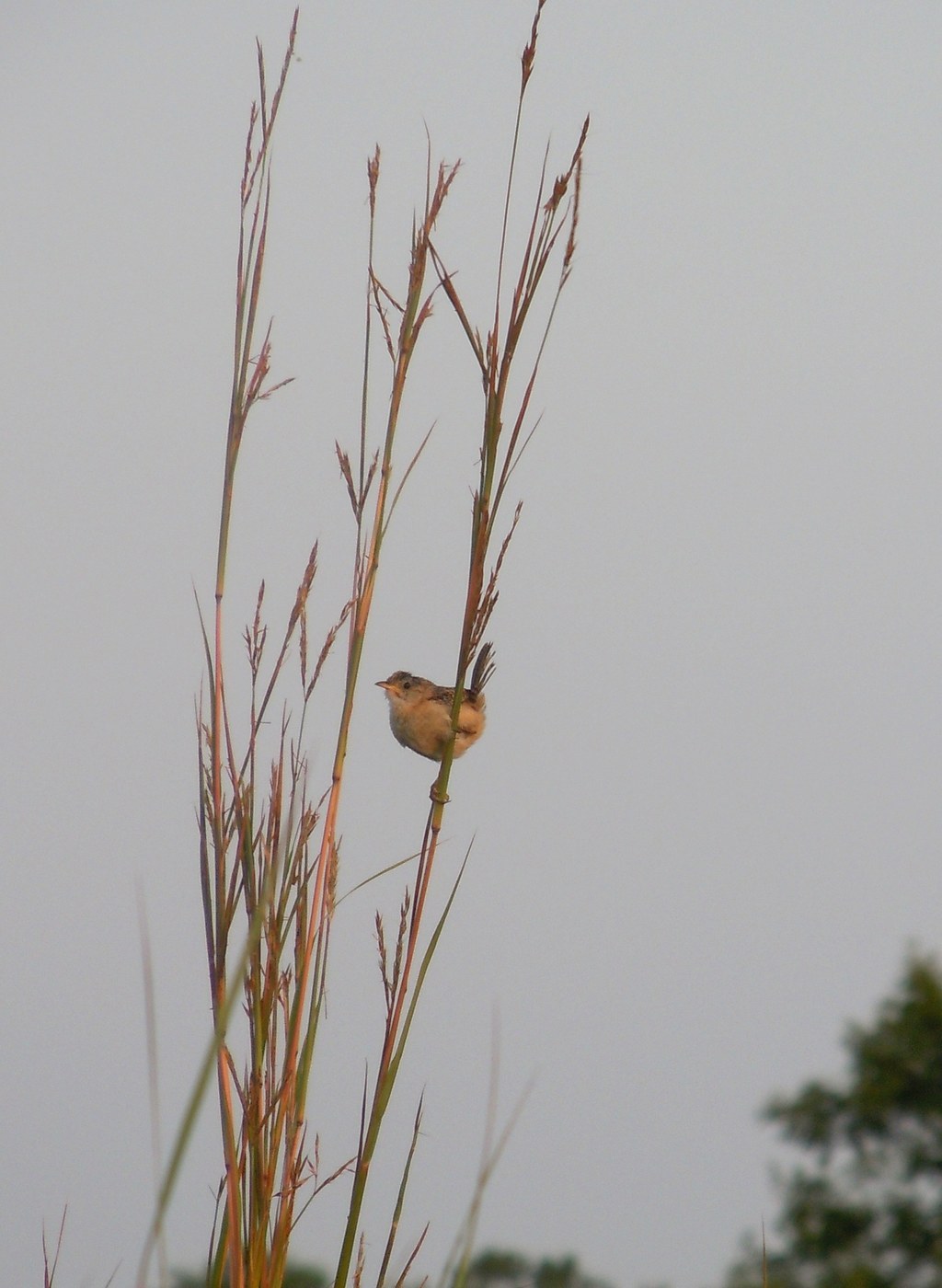
Sedge Wren
Tiny streaked crown and back feathers

Yellow-winged Cacique
Glossy black body feathers, yellow wing patch, shaggy crest

Yellow Warbler
Small contour and flight feathers
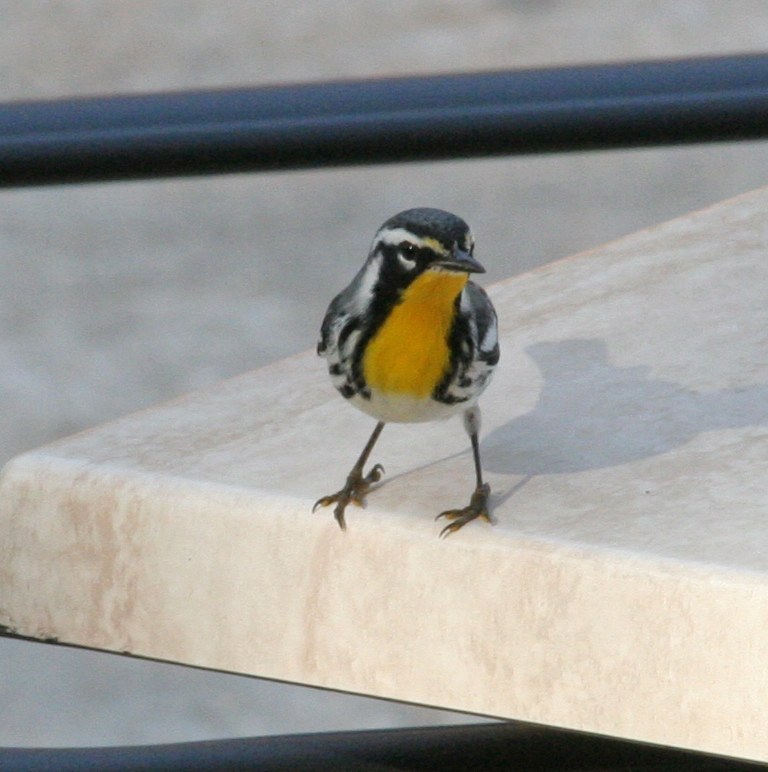
Yellow-throated Warbler
Small contour and flight feathers
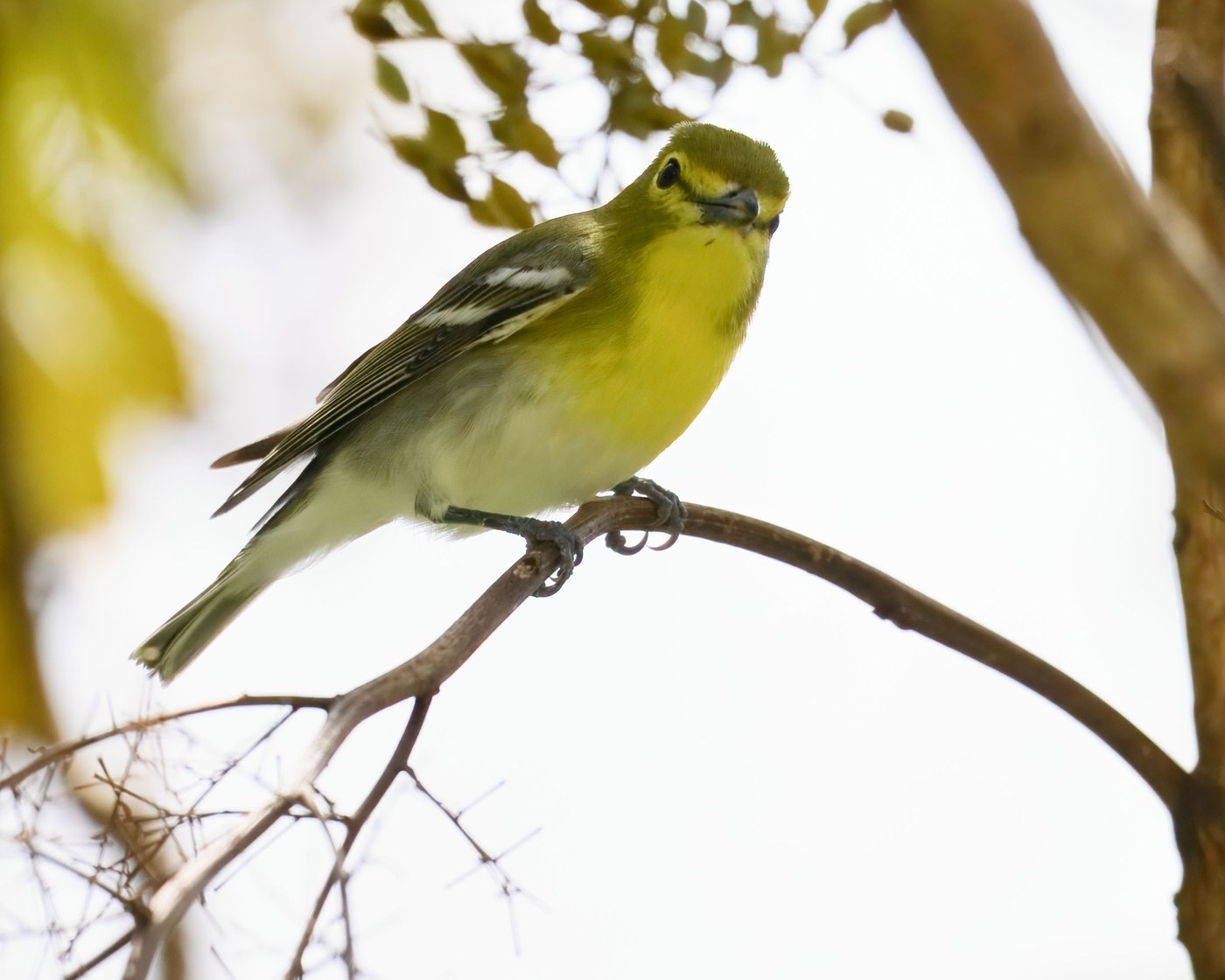
Yellow-throated Vireo
Bright yellow throat and spectacle feathers; olive-green back feathers; two white wing-bar feathers

Yellow-rumped Warbler
Small contour and flight feathers
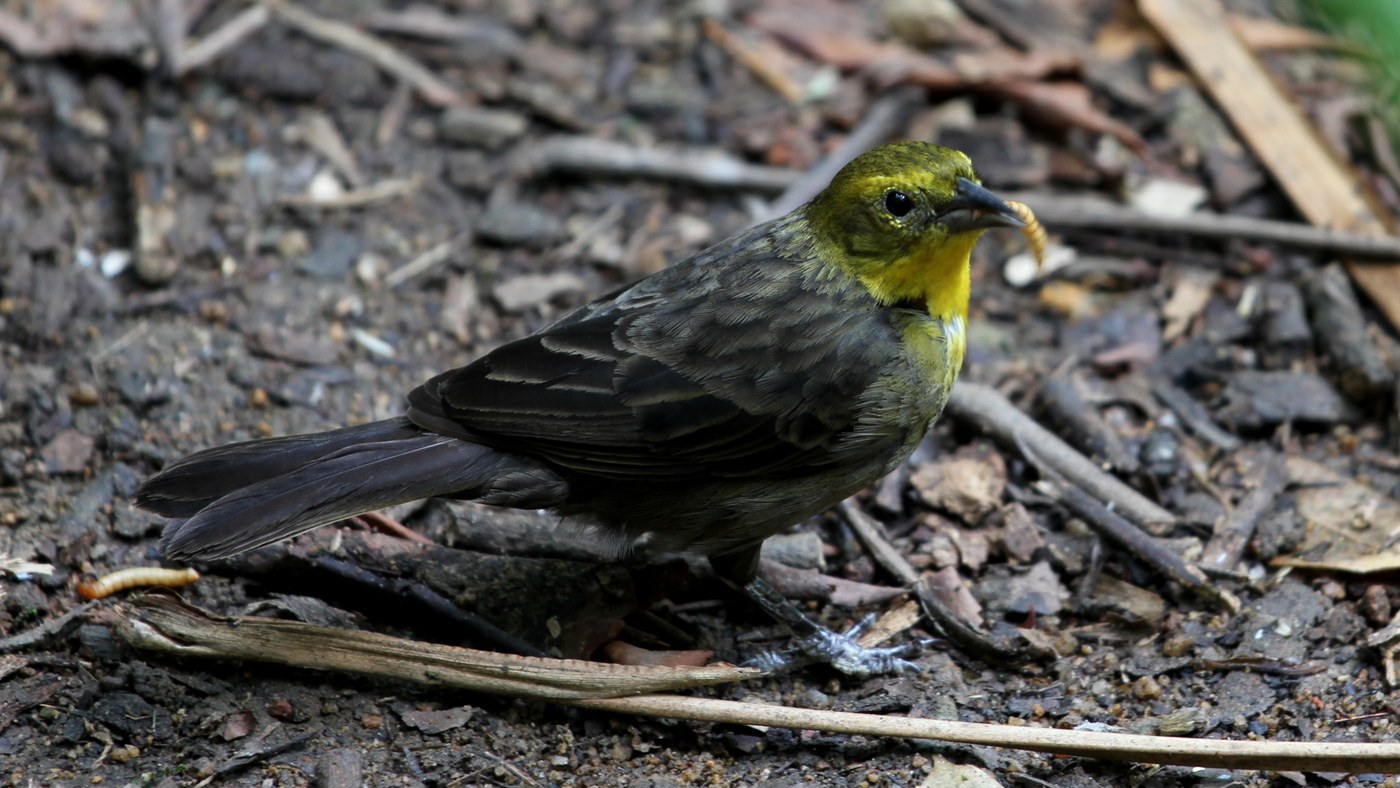
Yellow-hooded Blackbird
Contrasting hood and body feathers
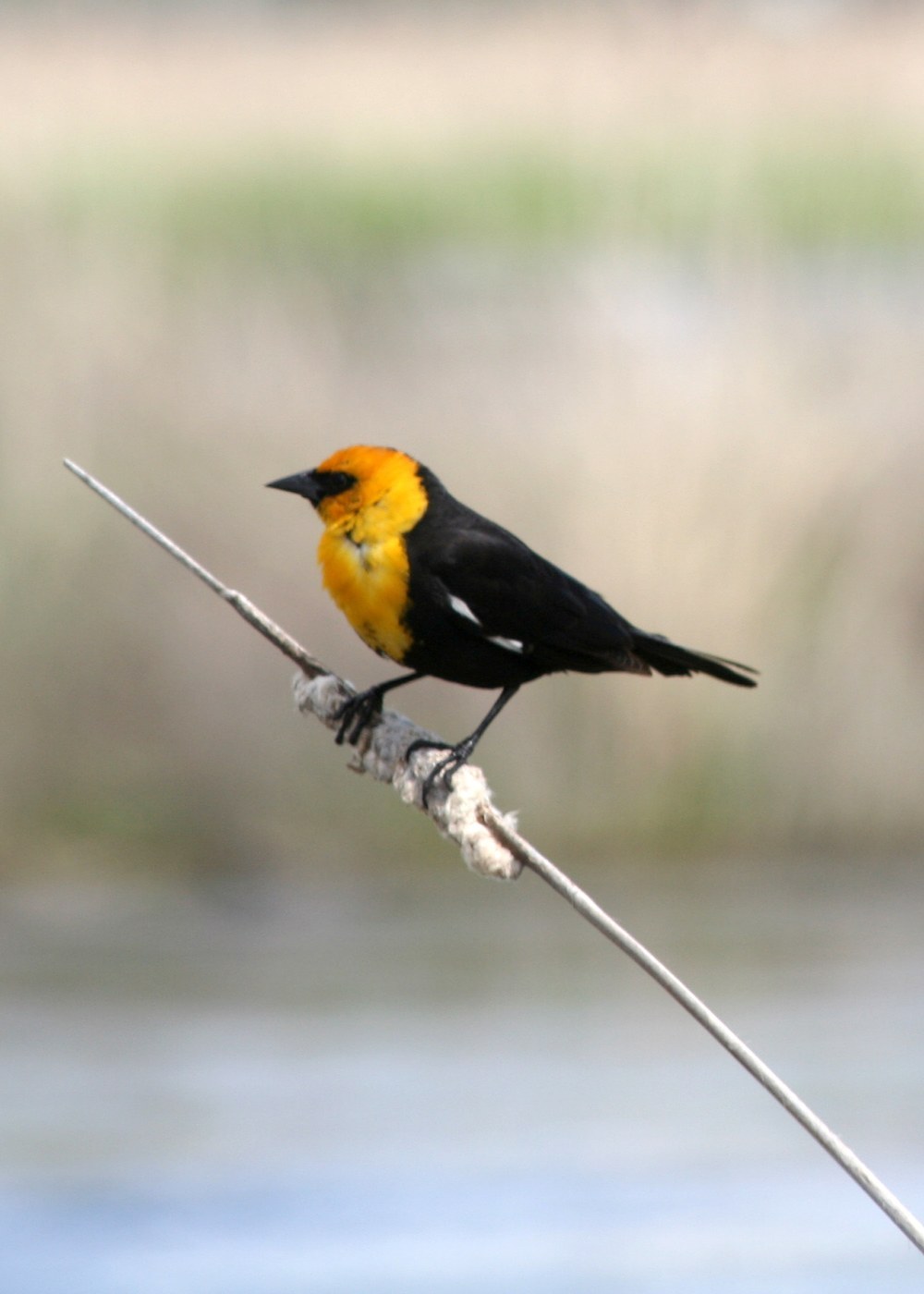
Yellow-headed Blackbird
Glossy black body plumage with a bright yellow head and breast

Yellow-eyed Junco
Contour and flight feathers

Yellow-fronted Canary
Small, smooth body plumage

Yellow-breasted Greenfinch
Compact, smooth body plumage