

Yellow-green Vireo
Vireo flavoviridis
The Yellow-green Vireo closely resembles the Red-eyed Vireo but shows a stronger yellow-green wash on the flanks and undertail, and it breeds in tropical woodlands from Mexico southward.
- Feather type
- Olive back feathers; yellowish flank feathers; plain wing feathers
- Colours
- Olive upperparts, whitish underparts washed with yellow-green on the flanks and undertail
- Bird size
- Sparrow-sized, ~14-15 cm
Found a feather like this?
Identify any feather from a photo, free.
Overview
Overview
The Yellow-green Vireo breeds in tropical woodland and forest edge from Mexico through Central America, wintering in the Amazon basin of South America, and is closely related to and often confused with the Red-eyed Vireo. It occurs as a rare visitor north of its regular range, particularly in the southwestern United States.
Its feathers are similar to those of the Red-eyed Vireo but generally show a stronger yellow-green tone on the flanks, undertail, and sometimes the back.
Identifying the Feather
Recognizing the Feathers
- Back feathers: olive, often slightly more yellow-green toned than Red-eyed Vireo
- Flank & undertail feathers: washed with yellow-green, more strongly than in Red-eyed Vireo
- Face feathers: pale eyebrow bordered by a dark eyeline, generally less bold than in Red-eyed Vireo
- Wing feathers: plain, without wing bars
A stronger yellow-green wash on the flanks and undertail, combined with a somewhat less bold facial pattern, helps separate this species from the very similar Red-eyed Vireo, though careful comparison is often needed.
Plumage & Molt
Plumage
Sexes are alike, both showing olive upperparts and whitish underparts with a yellow-green wash on the flanks and undertail. Immatures are similar to adults. There is no strong seasonal plumage change, with a single complete molt after breeding.
Habitat & Range
Habitat & Range
This vireo breeds in tropical woodland, forest edge, and second growth from Mexico south through Central America. It winters in the Amazon basin of South America and occurs rarely as a vagrant north into the southwestern United States.
Behavior & Field Notes
Behavior & Field Notes
Yellow-green Vireos forage in canopy and edge foliage, gleaning insects in a manner very similar to the Red-eyed Vireo. Nests are cup-shaped and suspended from a forked branch. Its song closely resembles that of the Red-eyed Vireo, consisting of short, repeated phrases, making plumage differences more useful than voice for identification.
Frequently asked questions
How can I tell Yellow-green Vireo feathers from Red-eyed Vireo feathers?
Look for a stronger yellow-green wash on the flanks and undertail, along with a somewhat less bold facial pattern, though the two species are very similar and require careful comparison.
Where does this species breed?
In tropical woodland and forest edge from Mexico south through Central America.
Is this species ever seen in the United States?
It occurs rarely as a vagrant north of its regular range, particularly in the southwestern United States.
Where does it spend the winter?
In the Amazon basin of South America, after breeding in Mexico and Central America.
Yellow-green Vireo guides
In-depth guides for identifying and understanding Yellow-green Vireo.

Other feathers you may enjoy

Yellow-breasted Bunting
Contour and flight feathers, chestnut-and-yellow breeding pattern
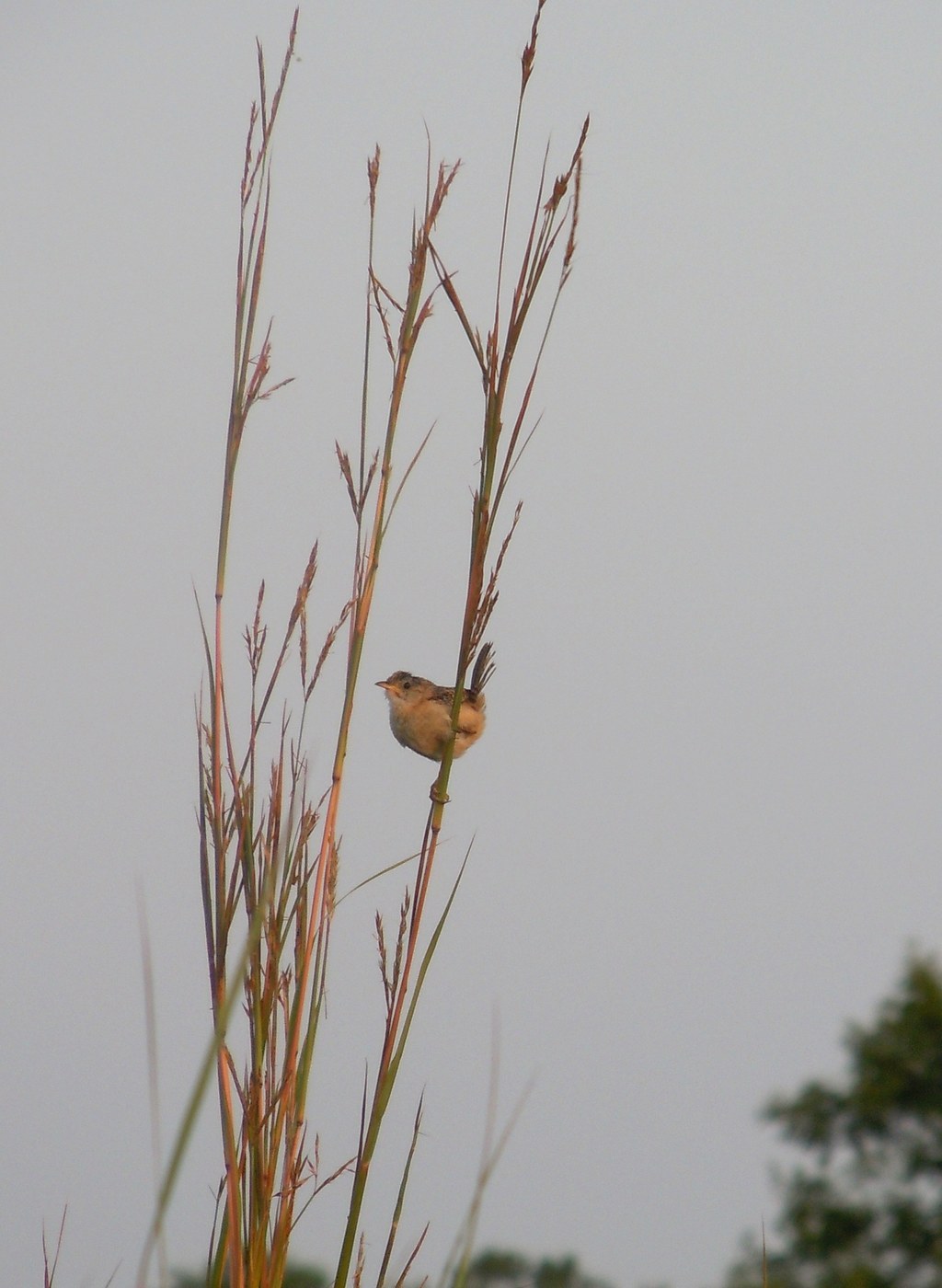
Sedge Wren
Tiny streaked crown and back feathers

Yellow-winged Cacique
Glossy black body feathers, yellow wing patch, shaggy crest

Yellow Warbler
Small contour and flight feathers
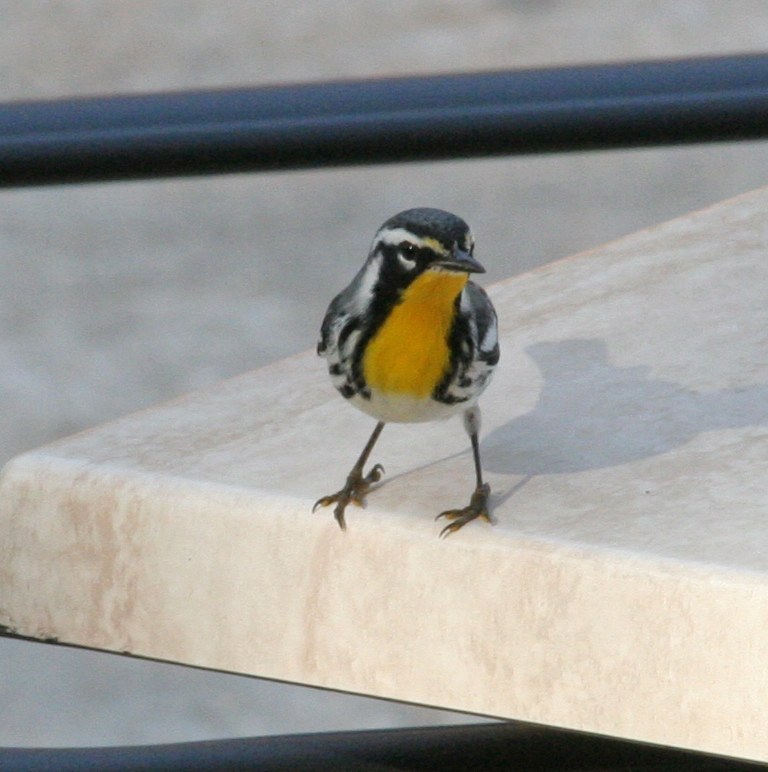
Yellow-throated Warbler
Small contour and flight feathers
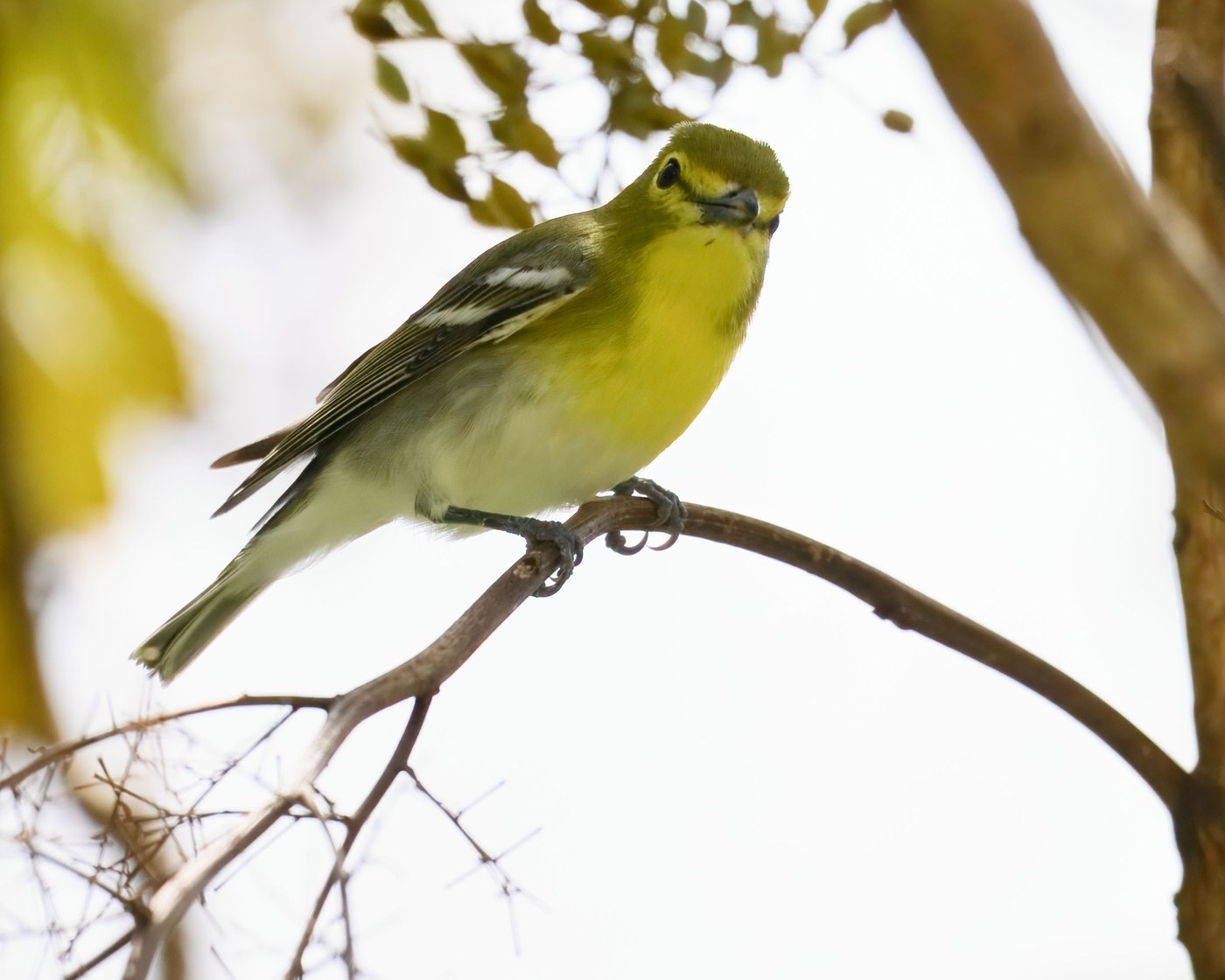
Yellow-throated Vireo
Bright yellow throat and spectacle feathers; olive-green back feathers; two white wing-bar feathers

Yellow-rumped Warbler
Small contour and flight feathers
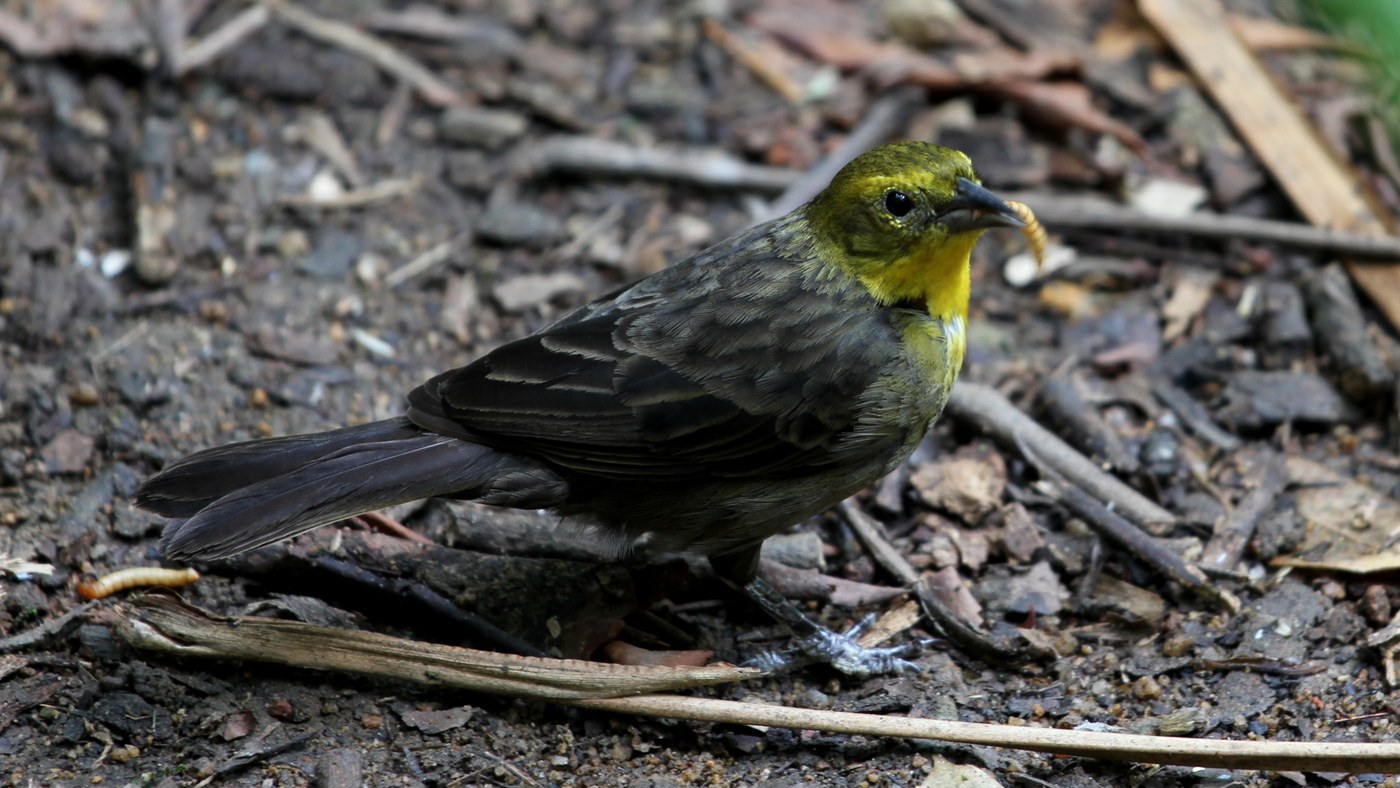
Yellow-hooded Blackbird
Contrasting hood and body feathers
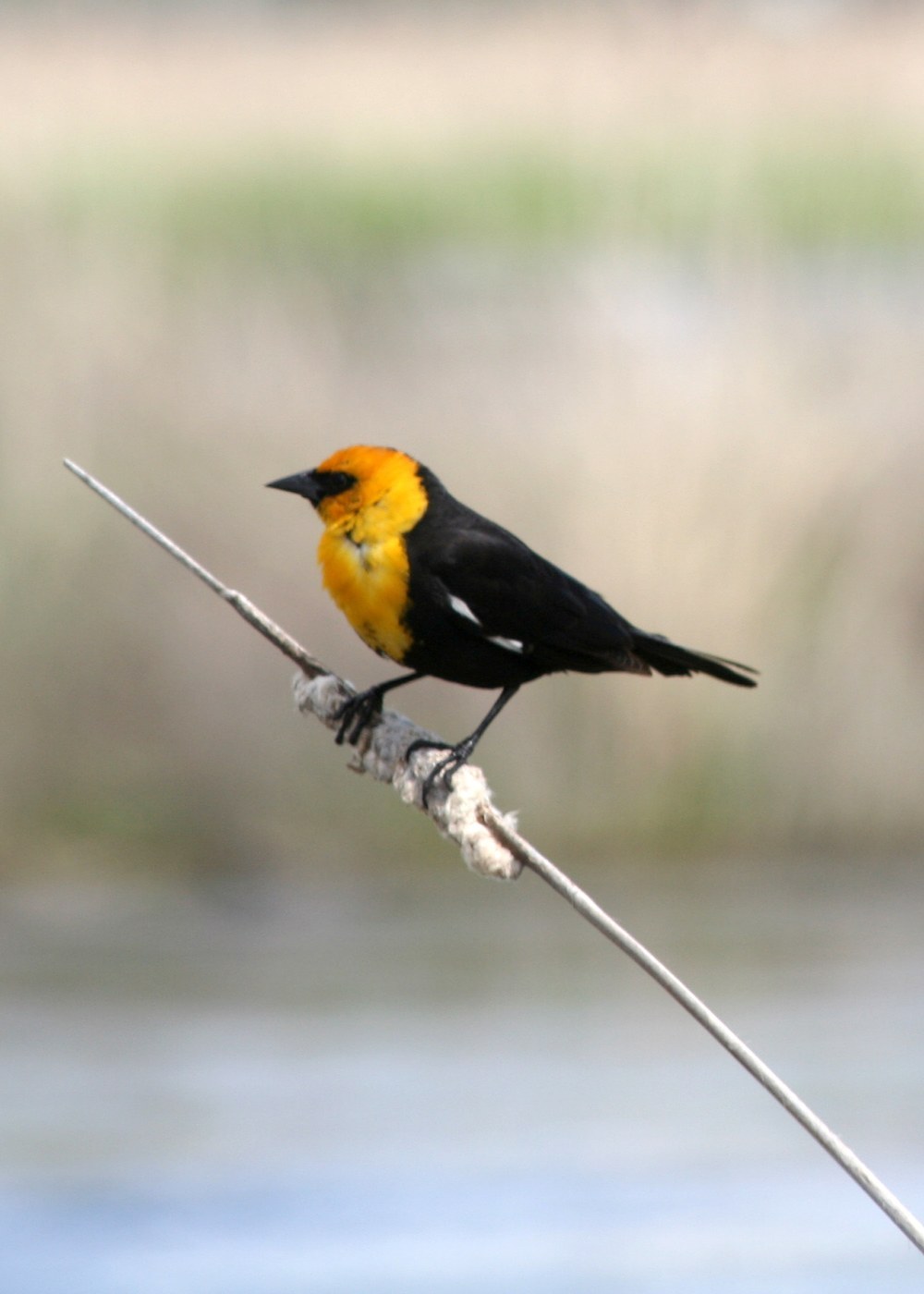
Yellow-headed Blackbird
Glossy black body plumage with a bright yellow head and breast

Yellow-eyed Junco
Contour and flight feathers

Yellow-fronted Canary
Small, smooth body plumage

Yellow-breasted Greenfinch
Compact, smooth body plumage