

Wrentit
Chamaea fasciata
The Wrentit is a secretive, chaparral-dwelling songbird known for its long, often upright tail and its bouncing-ball song, more often heard than seen in dense Pacific coast scrub.
- Feather type
- Long, loosely webbed, often cocked tail feathers; soft fluffy body plumage
- Colours
- Warm brown above, buffy or grayish-brown below with faint streaking
- Bird size
- Small, ~15-16 cm including long tail
Found a feather like this?
Identify any feather from a photo, free.
Overview
Overview
The Wrentit is a small, non-migratory songbird endemic to the chaparral and coastal scrub of the Pacific coast of North America. Despite its name, it is not closely related to either wrens or tits, and is now classified with the babblers. It is famous for its distinctive accelerating song and its habit of staying within a very small home range for life.
- Sedentary species, often remaining within a few hundred meters its entire life
- Long tail often held cocked upward like a wren
- More often heard than seen due to dense scrub habitat
Identifying the Feather
Feather Identification
Wrentit feathers are soft and loosely structured, suited to moving through dense brush rather than sustained flight.
- Tail feathers: Notably long relative to body size, loosely webbed, brownish, and often held in a cocked, upright position in life
- Body feathers: Warm brown above, buffy-brown below with faint blurry streaking on the breast
- Wing feathers: Short and rounded, brownish, reflecting the species' weak, reluctant flight
- Eye area: Pale iris in adults contrasts with the surrounding brown facial feathering
- The combination of long, loose tail feathers and short, rounded wing feathers reflects a bird built for skulking through brush rather than for strong flight
Plumage & Molt
Plumage, Sex & Age Differences
Males and females are alike in plumage, both warm brown above and buffy below with a long tail and faint breast streaking. Juveniles are duller, with a darker iris that lightens to pale as they mature. A single complete molt occurs after breeding, and the species shows no distinct seasonal plumage.
Habitat & Range
Habitat & Range
Wrentits are non-migratory residents of dense chaparral, coastal sage scrub, and brushy woodland edges along the Pacific coast of the United States, from the Pacific Northwest through California into northern Baja California. They rarely leave dense cover and are considered one of the most sedentary songbirds in North America.
Behavior & Field Notes
Behavior, Voice & Field Notes
Wrentits forage low in dense shrubs for insects and other small invertebrates, rarely venturing into the open. Their most distinctive trait is their song, a series of accelerating notes that speeds up like a bouncing ball coming to rest. Pairs mate for life and defend a small permanent territory, building a compact cup nest low in dense scrub.
Frequently asked questions
What is distinctive about Wrentit tail feathers?
They are unusually long and loosely webbed for the bird's size, often held cocked upward in life.
Are Wrentits closely related to true wrens or tits?
No, despite the name they are now classified with Old World babblers, not wrens or tits.
Where would you find Wrentit feathers?
In dense chaparral and coastal scrub along the Pacific coast of the United States.
Do Wrentits migrate?
No, they are highly sedentary, often spending their entire lives within a very small area.
Wrentit guides
In-depth guides for identifying and understanding Wrentit.

Other feathers you may enjoy

Yellow-breasted Bunting
Contour and flight feathers, chestnut-and-yellow breeding pattern
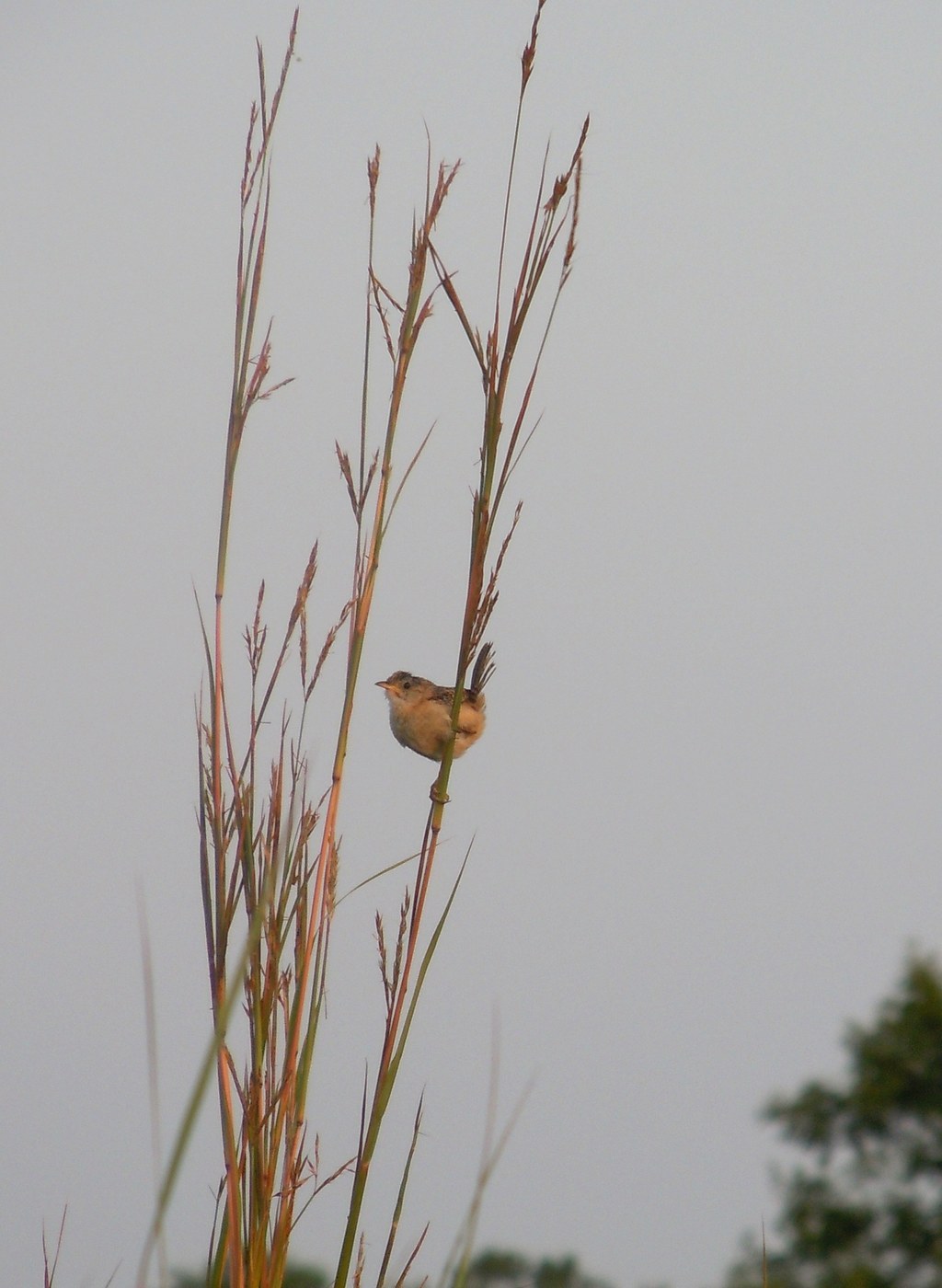
Sedge Wren
Tiny streaked crown and back feathers

Yellow-winged Cacique
Glossy black body feathers, yellow wing patch, shaggy crest

Yellow Warbler
Small contour and flight feathers
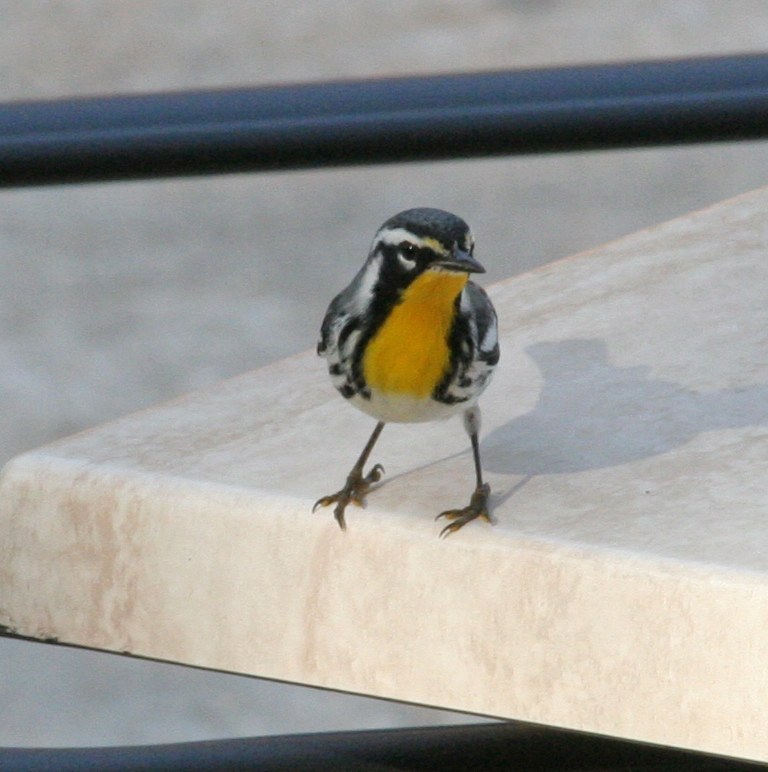
Yellow-throated Warbler
Small contour and flight feathers
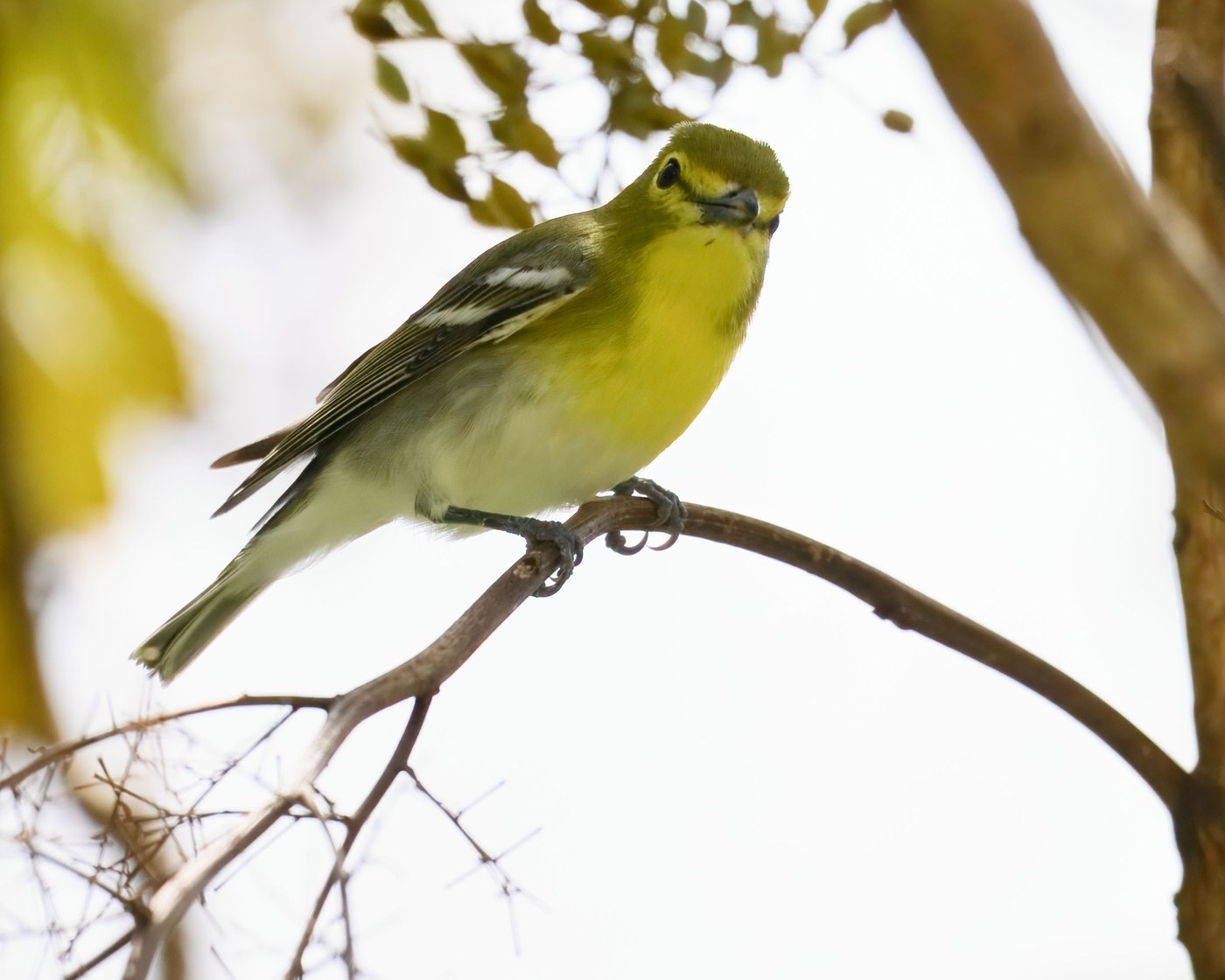
Yellow-throated Vireo
Bright yellow throat and spectacle feathers; olive-green back feathers; two white wing-bar feathers

Yellow-rumped Warbler
Small contour and flight feathers
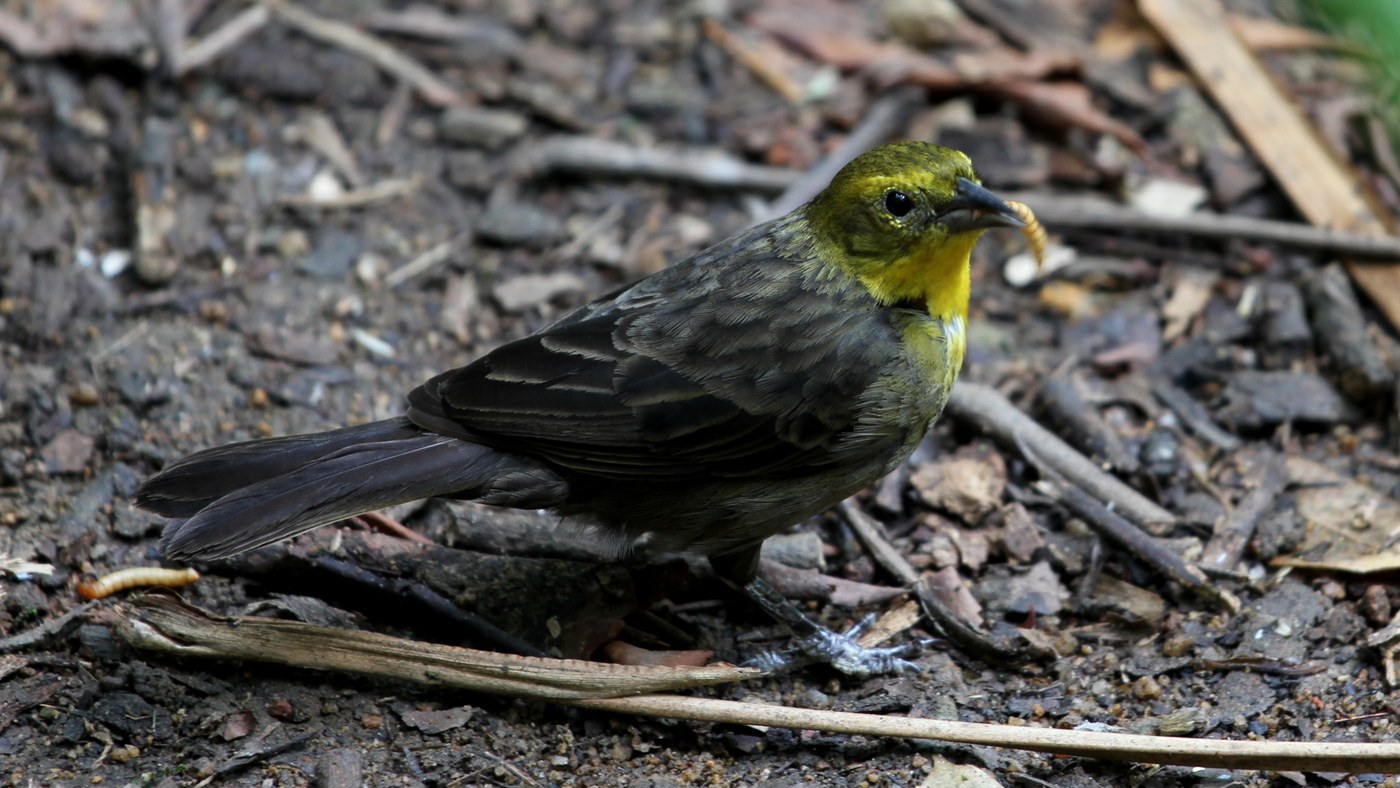
Yellow-hooded Blackbird
Contrasting hood and body feathers
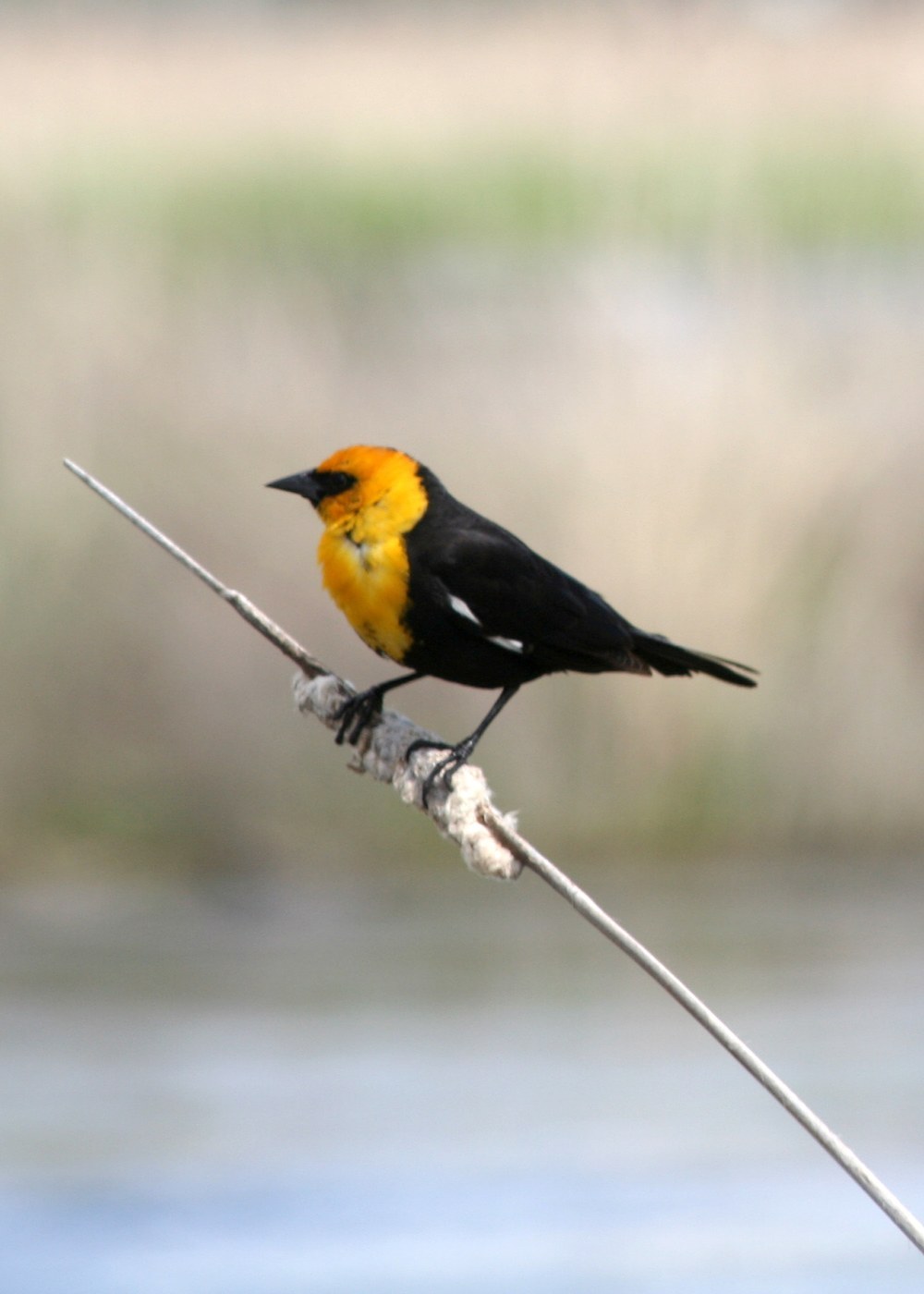
Yellow-headed Blackbird
Glossy black body plumage with a bright yellow head and breast

Yellow-eyed Junco
Contour and flight feathers

Yellow-fronted Canary
Small, smooth body plumage

Yellow-breasted Greenfinch
Compact, smooth body plumage