

Red-necked Phalarope
Phalaropus lobatus
A tiny, tundra-nesting phalarope that spends most of the year far out at sea, the Red-necked Phalarope shows a bold chestnut neck patch in breeding females and streaked dark-and-buff upperparts with a distinct white wing stripe.
- Feather type
- Body and flight feathers
- Colours
- Dark gray-brown upperparts with buffy streaks, white underparts, chestnut neck patch in breeding plumage
- Bird size
- Small shorebird, ~18 cm
Found a feather like this?
Identify any feather from a photo, free.
Overview
The Red-necked Phalarope is a diminutive shorebird that breeds on Arctic and subarctic tundra pools and then spends the majority of the year far offshore on open ocean, an unusual lifestyle among wading birds. Like other phalaropes, it displays reversed sexual dichromatism, with females showing brighter breeding colors than males, and it is often seen spinning on the water to feed.
Identifying the Feather
Breeding-plumage feathers show dark slate-gray to blackish upperparts streaked with buff or golden lines on the back and scapulars, contrasting with a bold reddish-chestnut patch on the sides of the neck, brighter and more extensive in females than males. A distinct white wing stripe crosses the dark flight feathers, visible in flight and distinguishing it from Wilson's Phalarope, which lacks a wing stripe. Underparts feathers are white with gray wash on the breast sides. The bill is thin and needle-like but shorter than in Wilson's Phalarope. Nonbreeding feathers are pale gray above with a dark cap and eye patch, white below.
Plumage & Molt
Reversed sexual dichromatism applies here as in other phalaropes: breeding females show more vivid chestnut neck coloring and cleaner slate-gray upperparts, while males are duller and more mottled brown, matching their greater parental investment. Juveniles show blackish upperparts with strong buff-golden streaking, appearing darker overall than adults in nonbreeding plumage. A complete molt to plain gray-and-white nonbreeding plumage typically occurs at sea after migration, with flight feathers often replaced during a flightless or near-flightless period on the water.
Habitat & Range
Breeds around shallow tundra pools, marshy edges of lakes, and wet sedge meadows across the high Arctic and subarctic of North America, Europe, and Asia. Remarkably, it spends the nonbreeding season almost entirely on open ocean, often over areas of upwelling where planktonic prey concentrates, with major wintering areas in tropical and subtropical waters such as the Arabian Sea and eastern Pacific. Migration routes can include long overland and offshore movements.
Behavior & Field Notes
This species forages by spinning on the water surface, a technique shared with other phalaropes, to bring small invertebrates and zooplankton within reach of its needle-thin bill; at sea it often feeds along current lines and areas of upwelling. As with other phalaropes, males perform most incubation and chick-rearing at the tundra nest, a shallow scrape in wet vegetation, while females may depart early or even pursue additional mates. The call is a short, sharp kit note. Some regional populations have shown notable declines.
Frequently asked questions
What distinguishes a Red-necked Phalarope feather from a Wilson's Phalarope feather?
Red-necked Phalarope has a distinct white wing stripe on the flight feathers, which Wilson's Phalarope lacks, and its upperpart feathers show buff-golden streaking rather than plain gray.
Why does the Red-necked Phalarope spend so much time at sea?
Outside the brief Arctic breeding season, it forages over open ocean where it can find abundant planktonic prey, particularly along productive current lines and upwelling zones.
Do male and female Red-necked Phalaropes look different?
Yes, breeding females are more richly colored with a brighter chestnut neck patch, while males are duller, consistent with males taking on most nest incubation duties.
Where does the Red-necked Phalarope nest?
It nests in a shallow ground scrape near shallow tundra pools or wet sedge meadows across the Arctic and subarctic.
Red-necked Phalarope guides
In-depth guides for identifying and understanding Red-necked Phalarope.

Other feathers you may enjoy
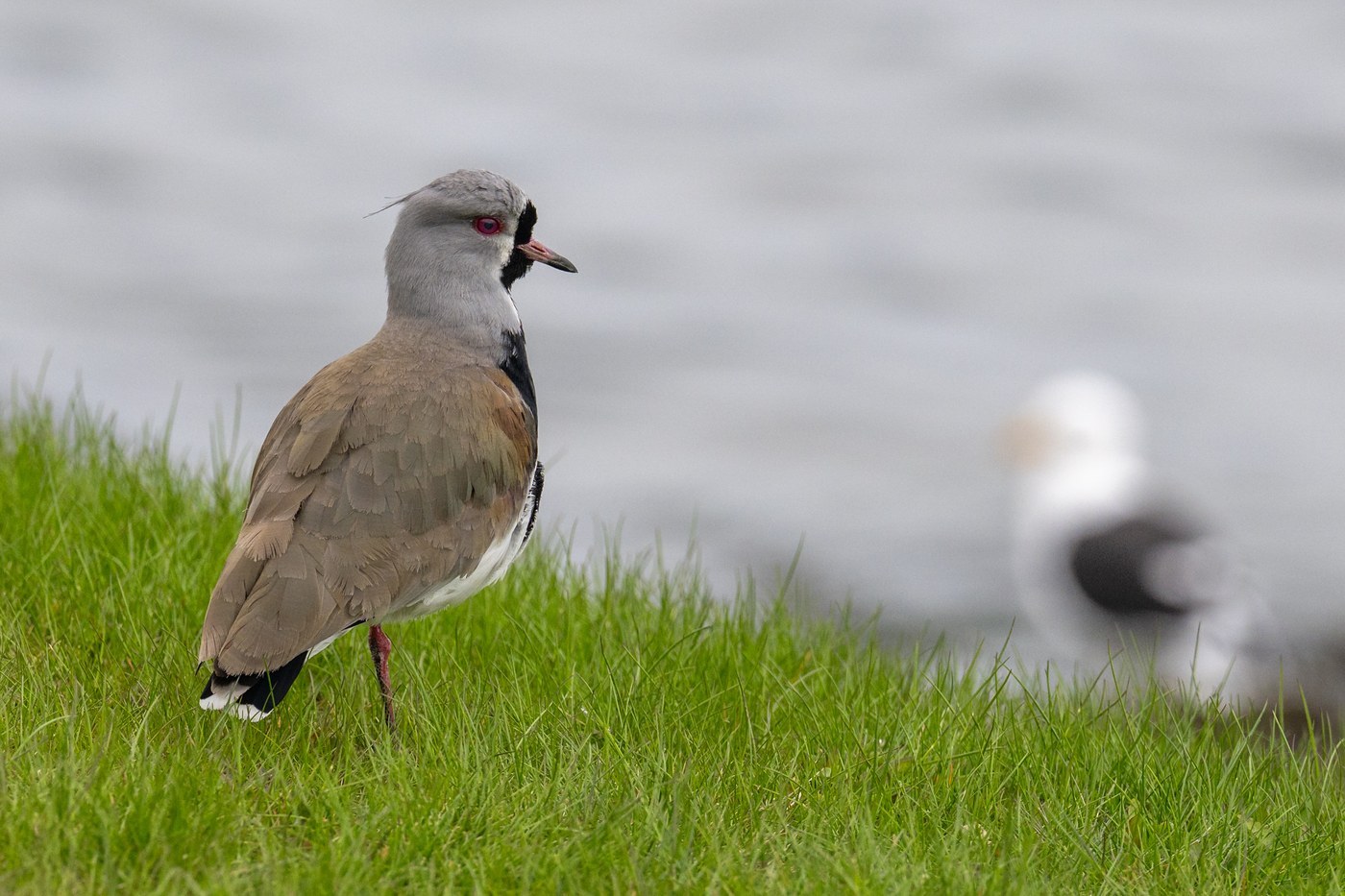
Southern Lapwing
Body, flight, and tail feathers

Jack Snipe
Body and flight feathers

Far Eastern Curlew
Body, flight, and tail feathers

Terek Sandpiper
Body and flight feathers

Wilson's Phalarope
Body and flight feathers
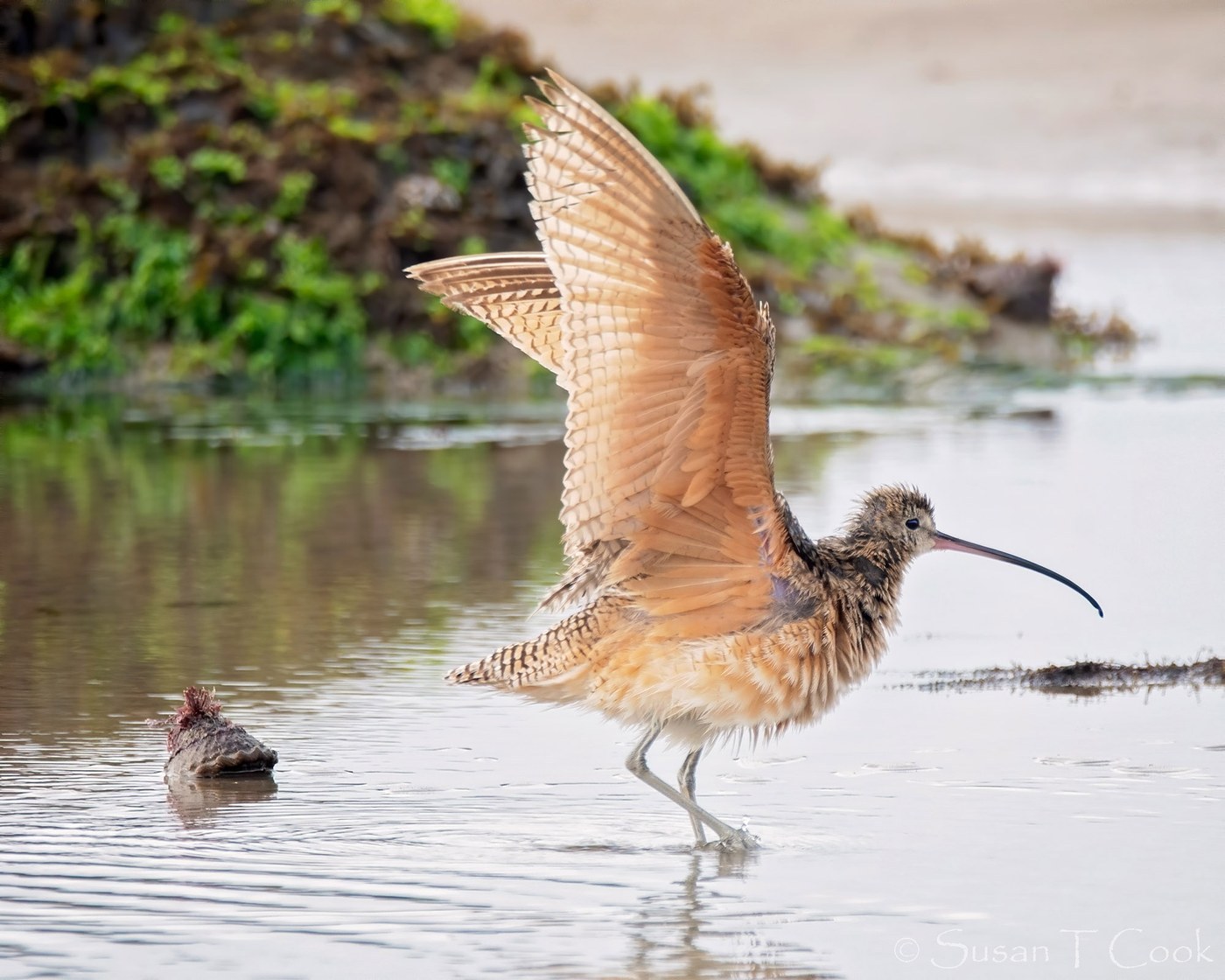
Long-billed Curlew
Body, flight, and tail feathers

Upland Sandpiper
Body, flight, and tail feathers

Red Phalarope
Body and flight feathers

Eurasian Dotterel
Body feathers
Masked Lapwing
Body, flight, and tail feathers
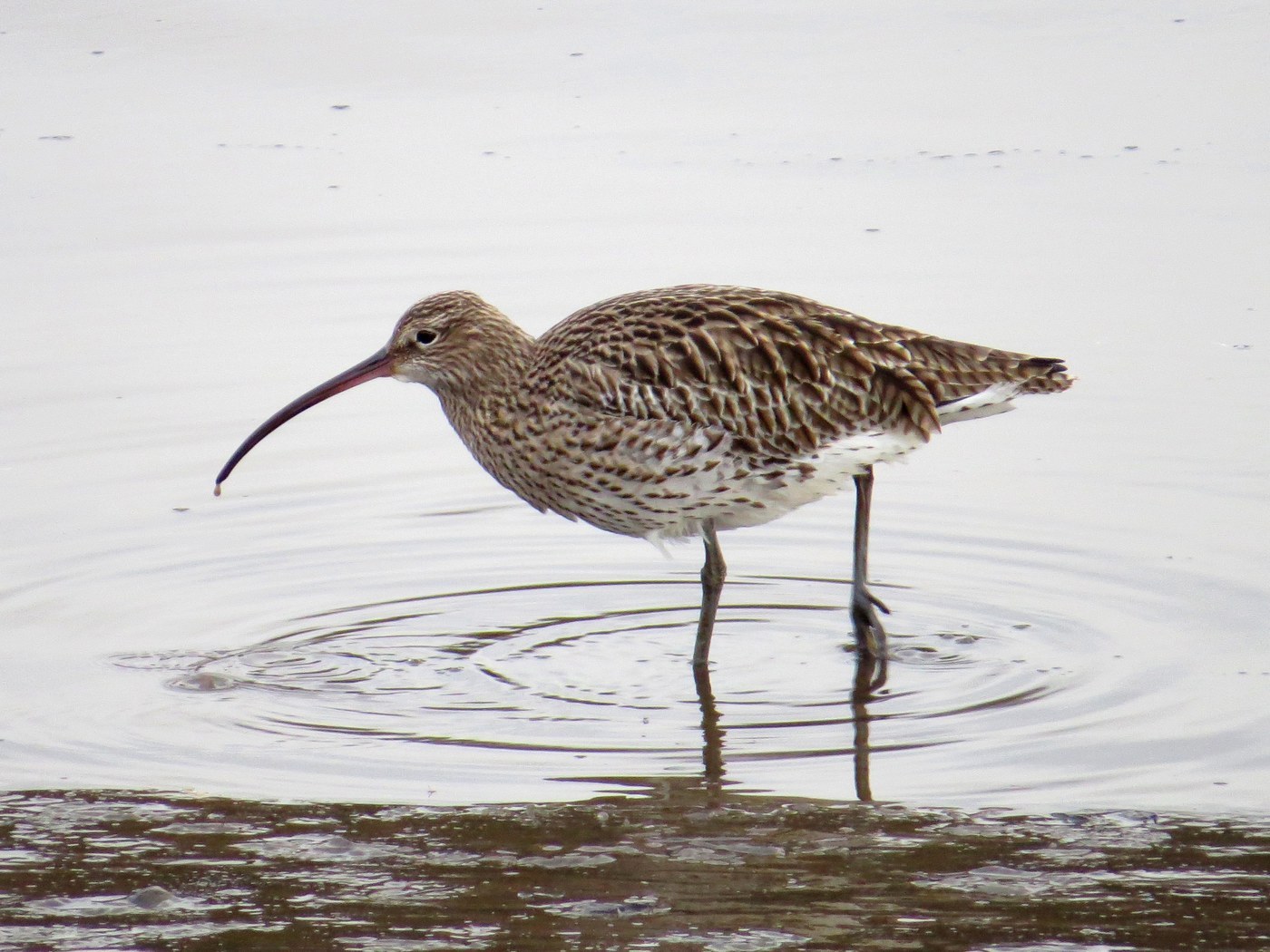
Eurasian Curlew
Body, flight, and tail feathers
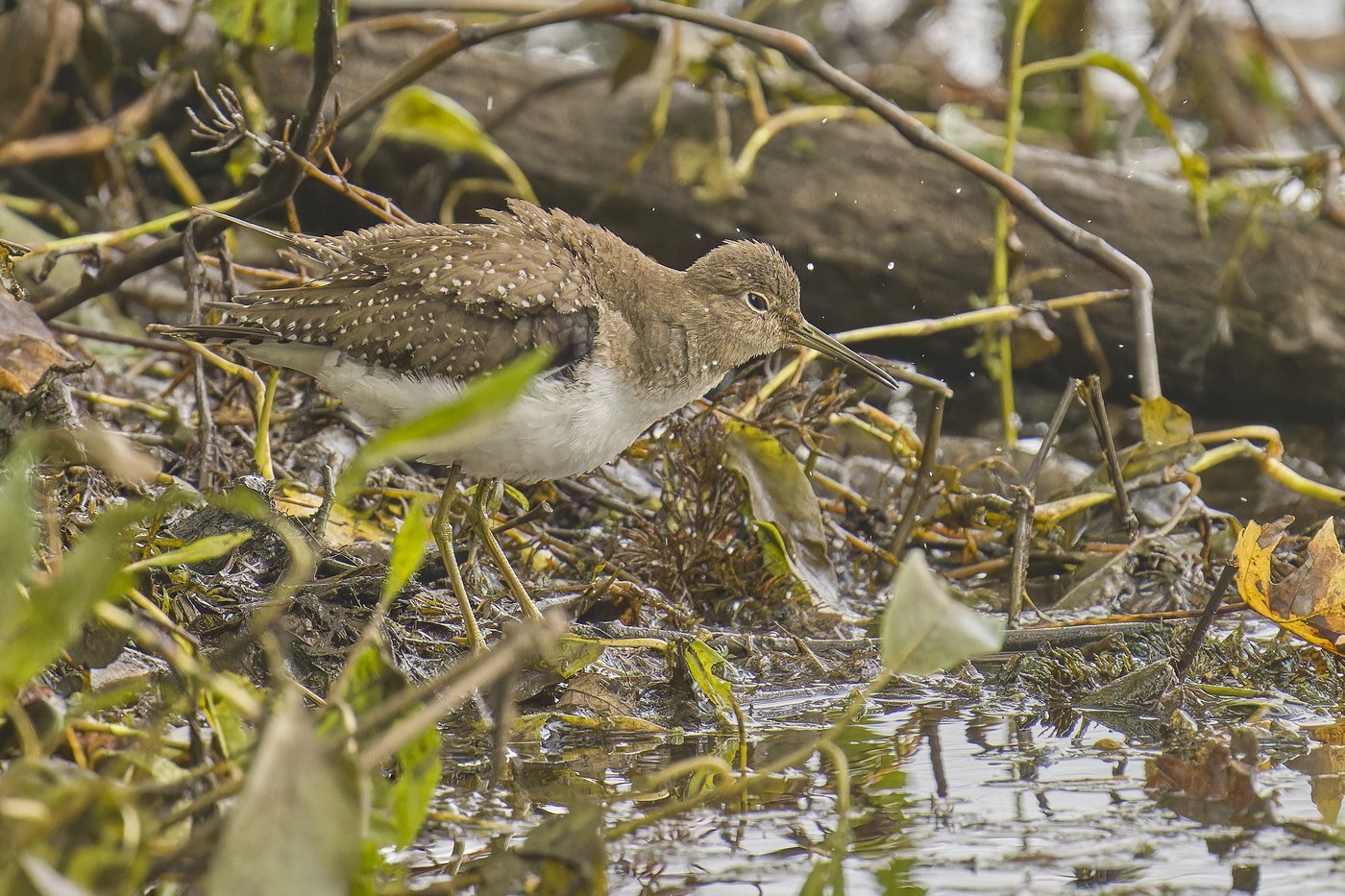
Solitary Sandpiper
Contour and flight feathers