

Red-crowned Woodpecker
Melanerpes rubricapillus
A small, widespread woodpecker of northern South America with a barred black-and-white back and a bright red crown on males.
- Feather type
- Black-and-white barred back feathers with pale underparts
- Colours
- Black-and-white barred back, pale grayish underparts, red crown on male
- Bird size
- Sparrow-to-robin-sized, ~17 cm
Found a feather like this?
Identify any feather from a photo, free.
Overview
The Red-crowned Woodpecker is a common small woodpecker across northern South America, including Colombia, Venezuela, and nearby islands, found in open woodland, forest edge, and even urban parks and gardens. It shares the barred black-and-white back typical of many Melanerpes species.
Males are readily identified by a bright red crown extending from the forehead to the nape, while females show a more muted head pattern, making the sexes easy to distinguish at a glance.
Identifying the Feather
- Back and wings: black-and-white barred, consistent with genus pattern
- Crown: bright red in males, extending from forehead to nape; females show a paler or grayish crown with a small orange-yellow patch near the bill
- Underparts: pale grayish, unmarked
- Rump: whitish, visible in flight
- Vs. Hoffmann's Woodpecker: Red-crowned Woodpecker is smaller with a more extensive red crown on males, occurring in northern South America rather than Central America
Plumage & Molt
Males show an extensive red crown from forehead to nape, while females have a grayish crown with only a small patch of orange-yellow near the base of the bill. Juveniles are duller, with young males showing a less extensive red crown. A single annual molt follows breeding.
Habitat & Range
Resident in open woodland, scrub, forest edge, and urban parks and gardens across Colombia, Venezuela, and nearby Caribbean islands and coastal South America. It is non-migratory and adapts readily to human-modified landscapes.
Behavior & Field Notes
Forages on trunks and branches for insects and also feeds on fruit and nectar, showing a flexible diet. It nests in cavities excavated in dead wood, including palm trunks and fence posts. Calls include sharp chattering notes, and it drums in quick, light bursts given its small size.
Frequently asked questions
How do male and female Red-crowned Woodpeckers differ?
Males show an extensive bright red crown from forehead to nape, while females have a grayish crown with only a small orange-yellow patch near the bill.
Where does the Red-crowned Woodpecker live?
It is resident in open woodland, forest edge, and urban parks and gardens across northern South America, including Colombia, Venezuela, and nearby areas.
What does the Red-crowned Woodpecker eat?
It feeds on insects gleaned from bark along with fruit and nectar, adapting its diet to available food sources.
Is this a small woodpecker?
Yes, it is one of the smaller Melanerpes woodpeckers, roughly sparrow to small robin in size.
Red-crowned Woodpecker guides
In-depth guides for identifying and understanding Red-crowned Woodpecker.

Other feathers you may enjoy

Ivory-billed Woodpecker
Very large flight feathers with a solid white trailing patch

Great Slaty Woodpecker
Massive, uniformly colored contour feathers

Yellow-tufted Woodpecker
Black body feathers with bright yellow forehead tufts

Magellanic Woodpecker
Very large, glossy contour feathers with a recurved crest

Yellow-bellied Sapsucker
Black-and-white patterned back and facial-stripe feathers
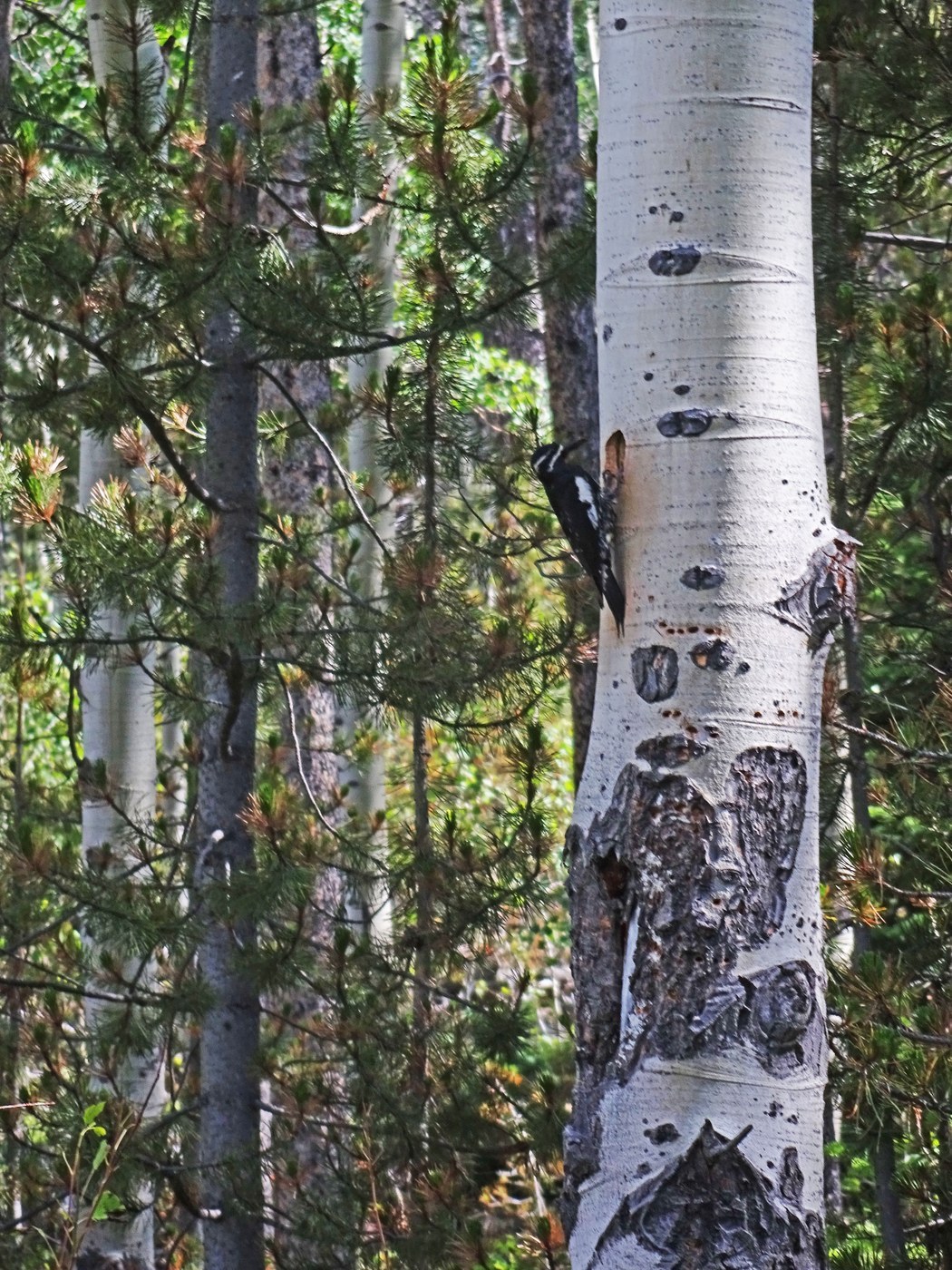
Williamson's Sapsucker
Strongly sexually dimorphic body feathers, glossy black or finely barred brown

Yellow-crowned Woodpecker
Contour and flight feathers

White Woodpecker
Mostly white body feathers with contrasting black wings and back

Red-throated Wryneck
Soft, cryptically mottled contour feathers

White-bellied Woodpecker
Large, glossy black contour and flight feathers

White-backed Woodpecker
Barred back feathers rather than a solid white patch
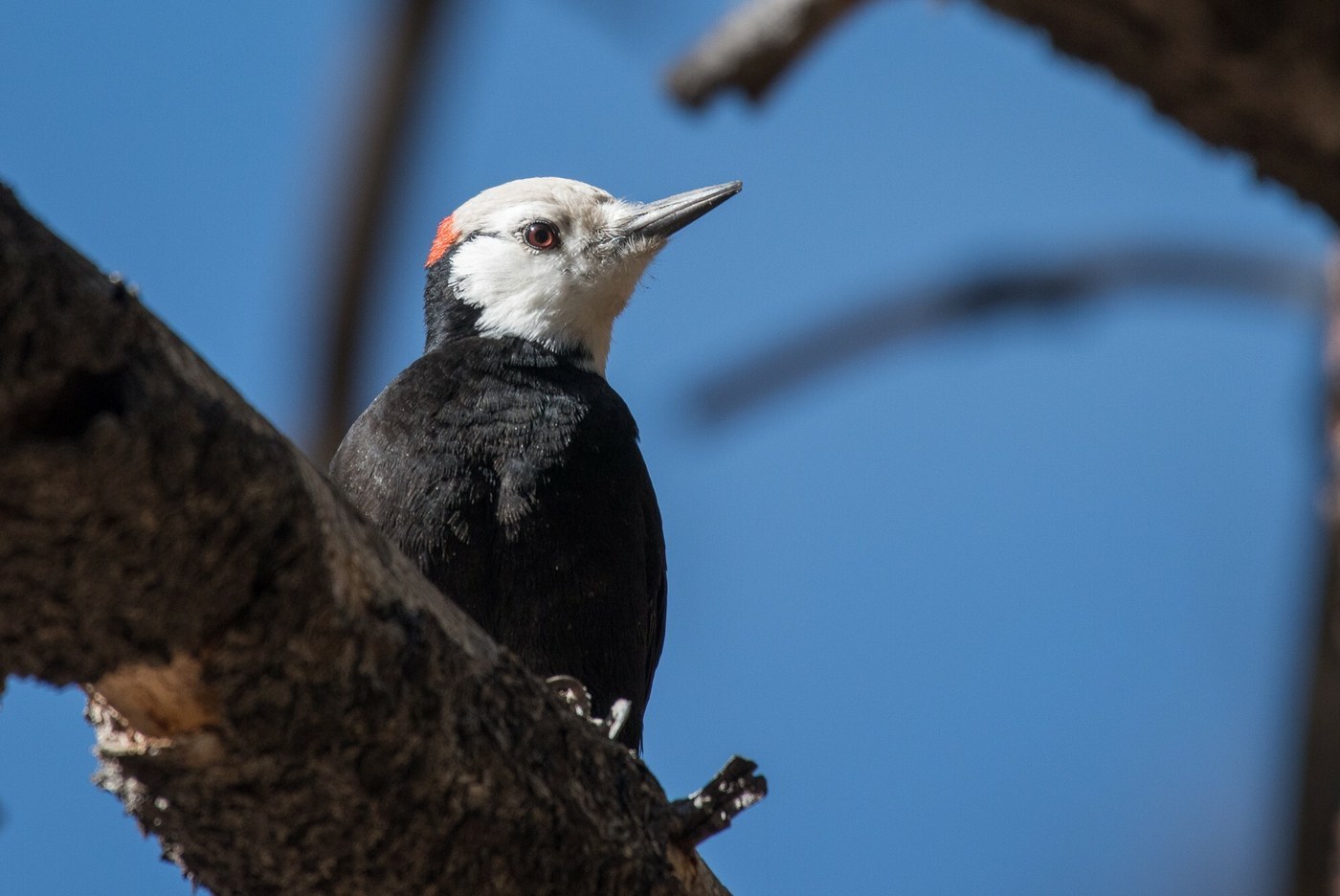
White-headed Woodpecker
Solid black body feathers with an entirely white head