

Puerto Rican Woodpecker
Melanerpes portoricensis
An island-endemic woodpecker found only in Puerto Rico, showing a bold black chest band across an otherwise pale, cream-colored underside.
- Feather type
- Contour and flight feathers
- Colours
- Black upperparts, white-buff face and underparts, black chest band
- Bird size
- Medium woodpecker, ~25-27 cm
Found a feather like this?
Identify any feather from a photo, free.
Overview
The Puerto Rican Woodpecker is endemic to Puerto Rico, where it is a common and adaptable species found from forest interior to urban parks and gardens. Its combination of black upperparts, pale face and underparts, and a bold black chest band gives it a distinctive appearance found nowhere else.
As one of relatively few woodpecker species restricted to a single island, it is an easily learned and locally very familiar bird.
Identifying the Feather
- Upperpart and crown feathers are black, with males showing a red patch on the crown
- Facial and underpart feathers are pale cream to buff-white
- A bold black band crosses the chest, contrasting sharply with the pale underparts above and below it
- Wing feathers are black, occasionally showing subtle pale edging
- Tail feathers are black and stiffened, typical for a trunk-foraging woodpecker
Plumage & Molt
Males show a red crown patch; females have a black crown without red. Juveniles are duller, with a less crisp chest band and softer overall contrast. A single molt follows the breeding season.
Habitat & Range
- Endemic to Puerto Rico, found island-wide
- Occupies forest, forest edge, plantations, and urban parks and gardens
- Resident and non-migratory
Behavior & Field Notes
This adaptable species forages on trunks and branches for insects and also takes fruit on occasion, readily using both natural forest and urban green space. It gives sharp, chattering calls and drums to communicate. Nest cavities are excavated in dead wood, including utility poles and ornamental trees in urban settings.
Frequently asked questions
What is the most distinctive feather feature?
A bold black chest band crossing otherwise pale cream-to-buff underparts is the most distinctive feature of this species.
How can males be separated from females?
Males show a red crown patch, while females have an all-black crown without red.
Where is this species found?
It is endemic to Puerto Rico and found island-wide, including in urban parks and gardens.
Does it only eat insects?
No, it also takes fruit on occasion in addition to insects gleaned from bark and wood.
Puerto Rican Woodpecker guides
In-depth guides for identifying and understanding Puerto Rican Woodpecker.

Other feathers you may enjoy

Ivory-billed Woodpecker
Very large flight feathers with a solid white trailing patch

Great Slaty Woodpecker
Massive, uniformly colored contour feathers

Yellow-tufted Woodpecker
Black body feathers with bright yellow forehead tufts

Magellanic Woodpecker
Very large, glossy contour feathers with a recurved crest

Yellow-bellied Sapsucker
Black-and-white patterned back and facial-stripe feathers
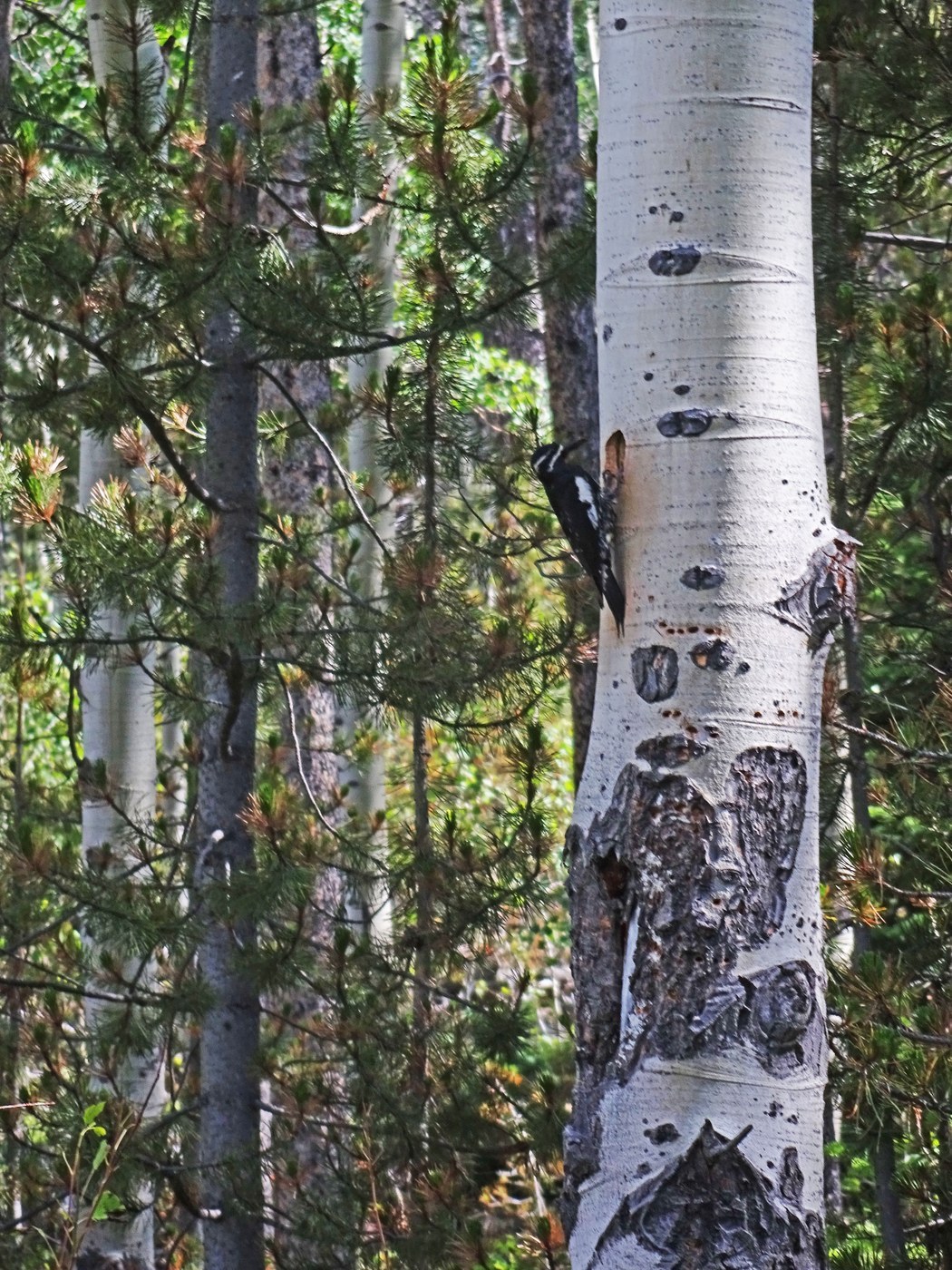
Williamson's Sapsucker
Strongly sexually dimorphic body feathers, glossy black or finely barred brown

Yellow-crowned Woodpecker
Contour and flight feathers

White Woodpecker
Mostly white body feathers with contrasting black wings and back

Red-throated Wryneck
Soft, cryptically mottled contour feathers

White-bellied Woodpecker
Large, glossy black contour and flight feathers

White-backed Woodpecker
Barred back feathers rather than a solid white patch
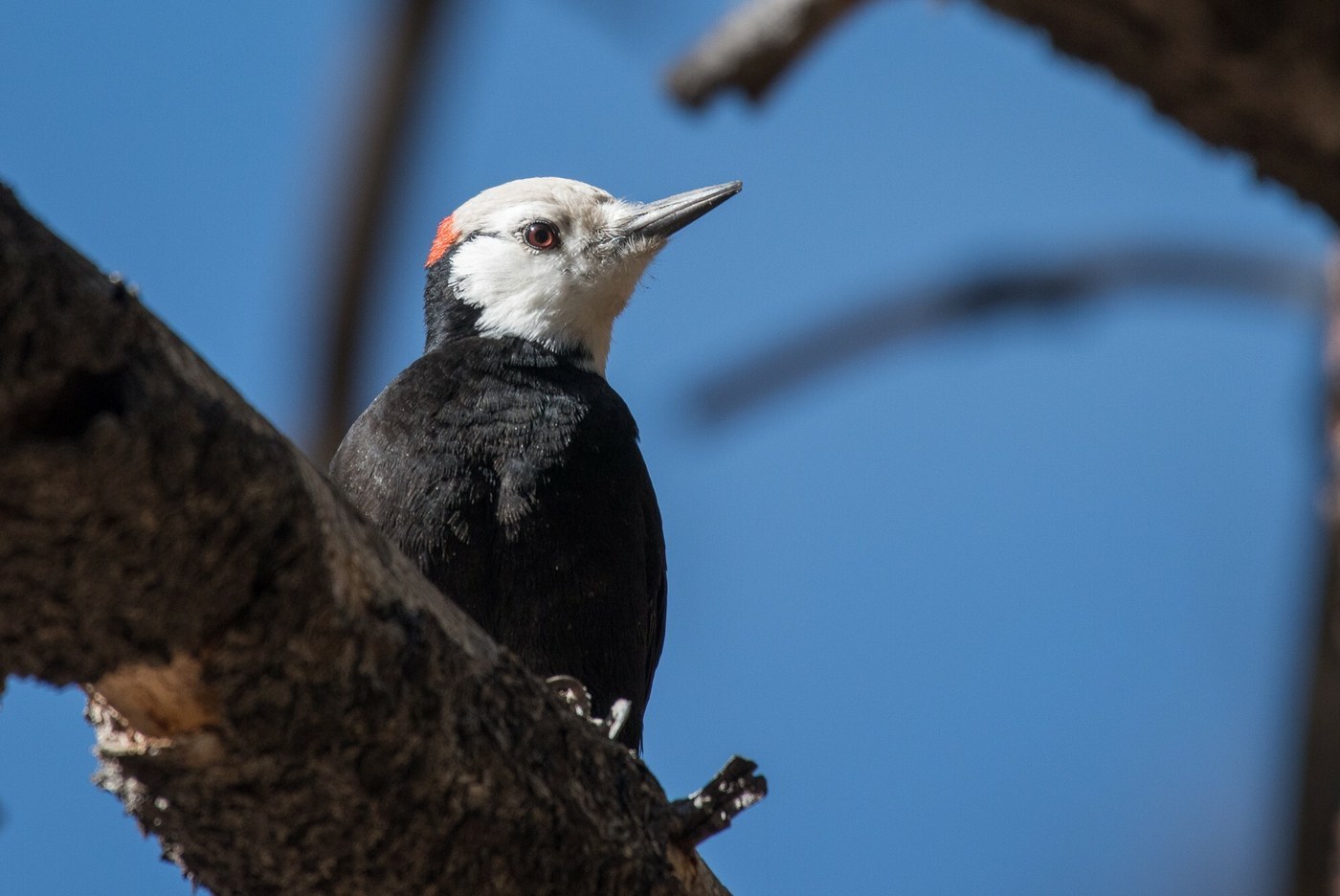
White-headed Woodpecker
Solid black body feathers with an entirely white head