

Pileated Woodpecker
Dryocopus pileatus
The largest common North American woodpecker, unmistakable for its crow-like size, deep black body, flaming red crest, and bold white neck stripes.
- Feather type
- Large, mostly black body feathers, bold white neck and face stripe feathers, a flaming red crest, and white underwing patches
- Colours
- Mostly black overall, white neck stripe, white chin, brilliant red crest, and white wing linings visible in flight
- Bird size
- Very large, crow-sized, ~40-49 cm, the largest common North American woodpecker
Found a feather like this?
Identify any feather from a photo, free.
Overview
The Pileated Woodpecker is the largest woodpecker regularly seen in North America, a striking crow-sized bird of mature forests known for excavating large, rectangular holes in dead wood while searching for carpenter ants. Its dramatic red crest and bold black-and-white pattern make it unmistakable.
It requires large trees and standing dead wood, so it is most often found in mature forest with substantial old growth or large woodlots, rather than small suburban plantings.
Its feathers are unmistakable given the species' size alone, with deep black body plumage, crisp white stripes down the neck and face, and a brilliant red crest that sets it apart from every other North American woodpecker.
Identifying the Feather
Size and Shape
Very large flight and body feathers, far exceeding any other common North American woodpecker in length and size.
Color and Pattern
- Body feathers are deep black overall.
- Bold white stripes run along the neck and face, with a white chin.
- Crest feathers are bright flaming red.
- Underwing feathers show large white patches, conspicuous in flight.
Comparisons
No other North American woodpecker approaches this species' size, so a black feather this large, especially paired with white neck striping or a red crest feather, points unmistakably to the Pileated Woodpecker.
Plumage & Molt
Males show red extending from the forehead to the crest and have a red malar (mustache) stripe; females have a black forehead with red confined to the rear crest and lack the red malar stripe. Juveniles resemble adults but are slightly duller. One complete annual molt occurs after breeding.
Habitat & Range
Pileated Woodpeckers are resident year-round across forests of the eastern United States, the upper Midwest, Canada, and the Pacific Northwest, requiring mature forest with large trees and standing dead wood for nesting and foraging.
Behavior & Field Notes
This species excavates large, distinctive rectangular holes in dead wood in search of carpenter ants, its primary prey. Its call is a loud, ringing "kuk-kuk-kuk-kuk," and its drumming is deep and powerful. Pairs are monogamous and hold large forest territories. A very large black feather with bold white stripes, or a flaming red crest feather, is a strong match for this unmistakable species.
Frequently asked questions
How can I be confident a large black feather belongs to a Pileated Woodpecker?
Its size far exceeds any other common North American woodpecker, and combined with bold white neck stripes or a red crest feather, the identification is usually straightforward.
How do male and female Pileated Woodpecker feathers differ?
Males show a red malar stripe and a fully red forehead, while females have a black forehead and lack the red malar stripe.
What habitat should I search for this species' feathers?
Mature forest or large woodlots with substantial standing dead trees, which this species needs for foraging and nesting.
What underwing pattern does this species show in flight?
Large white patches on the underwings, conspicuous against the otherwise black plumage.
Pileated Woodpecker guides
In-depth guides for identifying and understanding Pileated Woodpecker.

Pileated Woodpecker identified by the community
Real feathers identified with Feather Identifier.


Other feathers you may enjoy

Ivory-billed Woodpecker
Very large flight feathers with a solid white trailing patch

Great Slaty Woodpecker
Massive, uniformly colored contour feathers

Yellow-tufted Woodpecker
Black body feathers with bright yellow forehead tufts

Magellanic Woodpecker
Very large, glossy contour feathers with a recurved crest

Yellow-bellied Sapsucker
Black-and-white patterned back and facial-stripe feathers
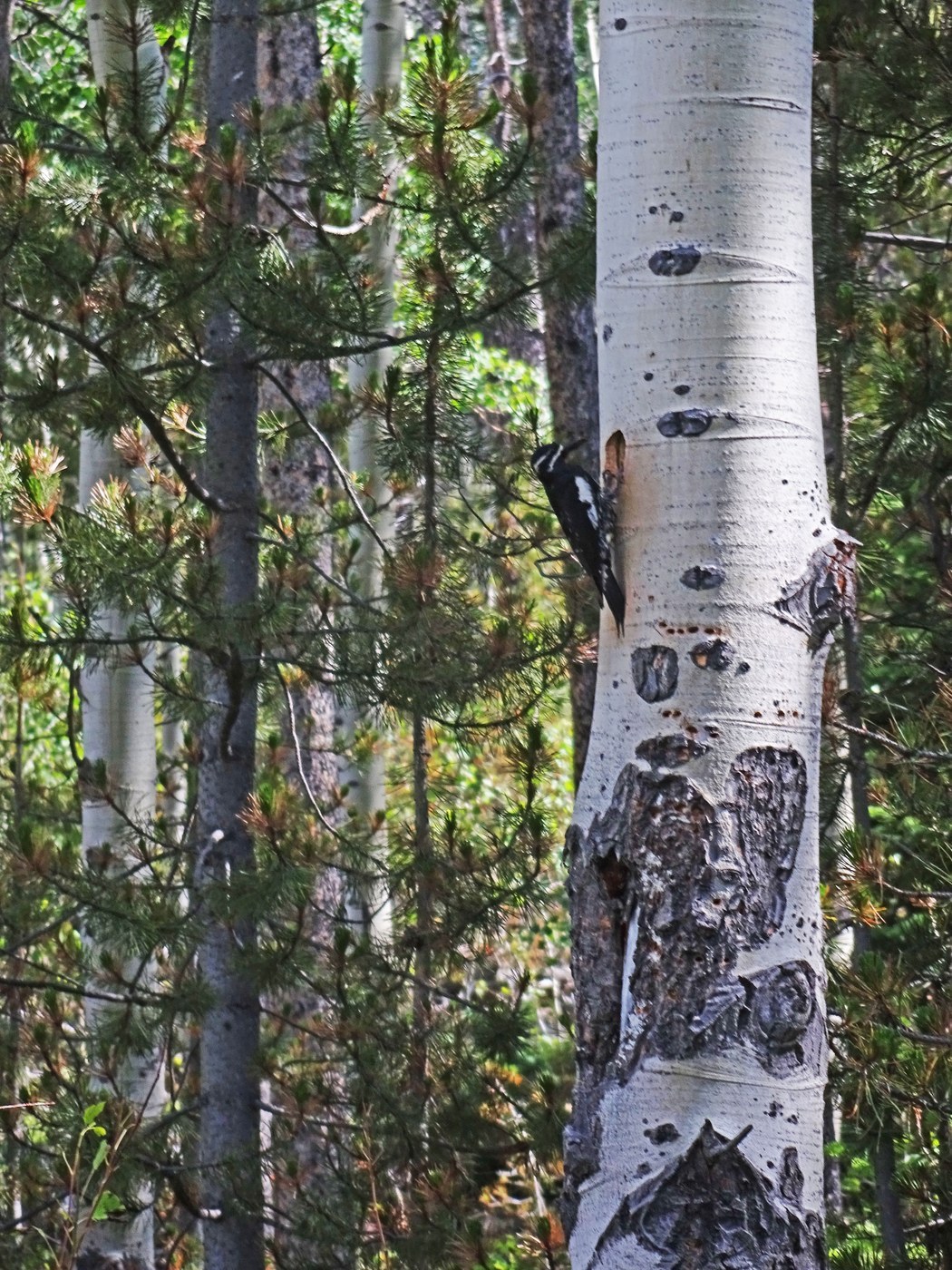
Williamson's Sapsucker
Strongly sexually dimorphic body feathers, glossy black or finely barred brown

Yellow-crowned Woodpecker
Contour and flight feathers

White Woodpecker
Mostly white body feathers with contrasting black wings and back

Red-throated Wryneck
Soft, cryptically mottled contour feathers

White-bellied Woodpecker
Large, glossy black contour and flight feathers

White-backed Woodpecker
Barred back feathers rather than a solid white patch
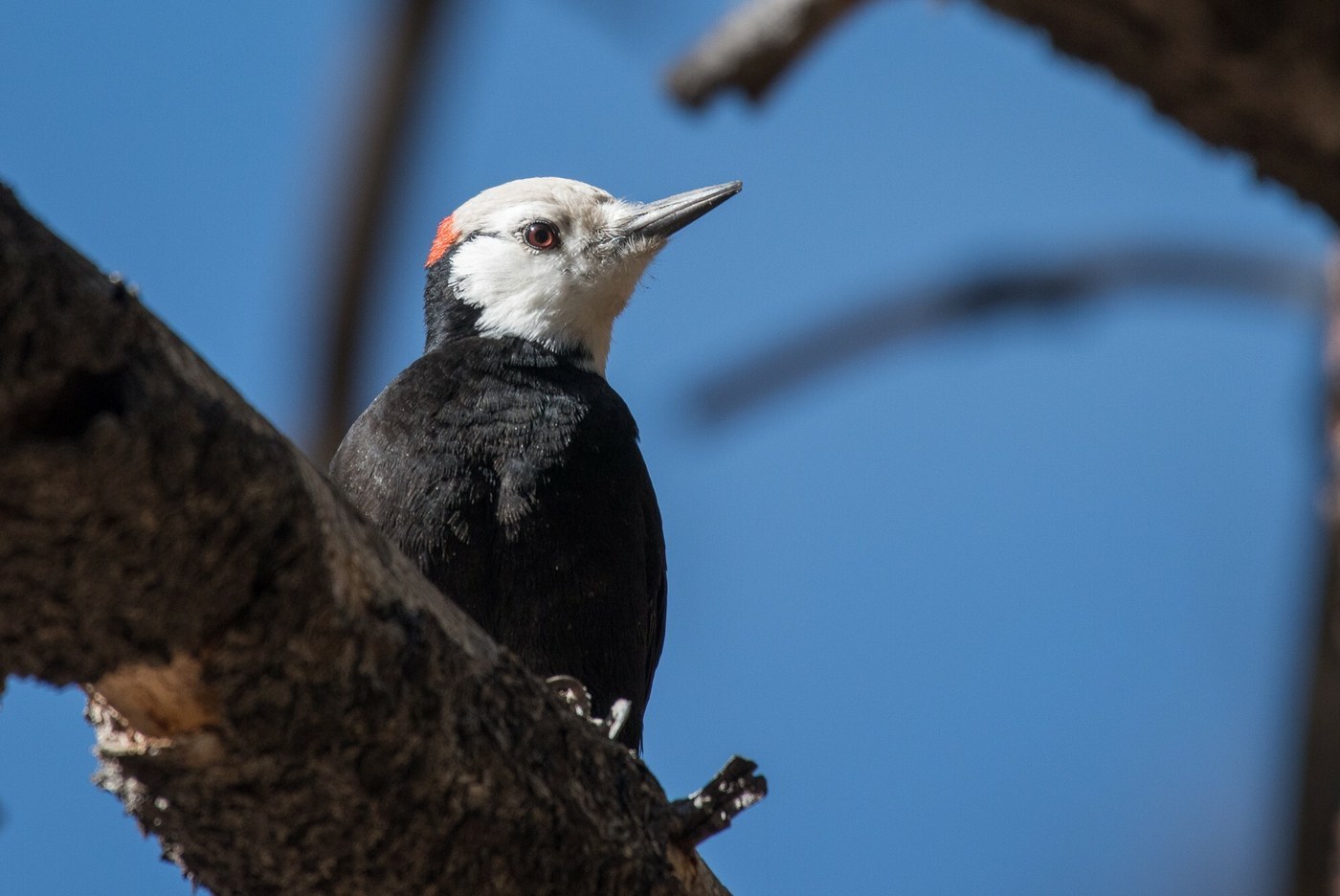
White-headed Woodpecker
Solid black body feathers with an entirely white head