

Pied Oystercatcher
Haematopus longirostris
A bold black-and-white shorebird with a long orange-red bill, found probing sandy beaches and mudflats along the Australian coast.
- Feather type
- Dense, sharply contrasting contour feathers
- Colours
- Black head, neck, and upperparts; white underparts and wing patches
- Bird size
- Large shorebird, ~42-50 cm
Found a feather like this?
Identify any feather from a photo, free.
Overview
Overview
The Pied Oystercatcher is a striking black-and-white shorebird found along the coasts of Australia, easily recognized by its sharply contrasting plumage, long orange-red bill, and pink legs. It forages along beaches, mudflats, and rocky shores, using its strong bill to pry open shellfish and probe for invertebrates.
Pairs are territorial and often seen along open sandy stretches, where their bold plumage makes them conspicuous against light-colored sand.
Identifying the Feather
Feather Identification
- Head, neck, and back feathers: solid black, glossy when fresh
- Underpart feathers: crisp white, sharply demarcated from the black upperparts
- Wing feathers: black with a bold white bar visible in flight, formed by white bases to the secondaries
- Shaft: sturdy and pale, consistent with a wading shorebird that walks and probes rather than swims
- The sharp black-and-white division with no intermediate mottling is the key identification trait distinguishing this species from mottled or brown shorebirds
Plumage & Molt
Plumage Notes
Adults show the same bold black-and-white pattern year-round with minimal seasonal change. Juveniles are duller, with brownish-black upperparts and some mottling on the breast, gradually transitioning to the crisp adult pattern.
Adults undergo a complete molt after breeding, replacing flight feathers over several weeks while remaining largely flightless-averse by timing the molt to periods of lower activity demand.
Habitat & Range
Habitat & Range
Pied Oystercatchers are found around the entire Australian coastline, favoring open sandy beaches, tidal mudflats, and estuaries. They are less commonly seen far inland, remaining tied to coastal foraging habitats.
The species is largely resident, though some local movement occurs between breeding and non-breeding areas along the coast.
Behavior & Field Notes
Behavior & Field Notes
Oystercatchers forage by probing sand and mud or prying open bivalves with their strong bills, walking steadily along the tideline. Pairs defend territories vigorously, using loud piping calls and aggressive chases against intruders.
Nests are simple scrapes on open sand or shell grit, often placed above the high-tide line. Their calls are loud, piercing piping notes, frequently given in flight or during territorial disputes.
Frequently asked questions
What is the key feather feature of a Pied Oystercatcher?
The sharp division between solid black upperparts and crisp white underparts, without mottling, distinguishes it from most other shorebirds.
Do juvenile Pied Oystercatchers look like adults?
Juveniles are duller and somewhat mottled on the breast, gradually developing the bold adult black-and-white pattern.
Where do Pied Oystercatchers nest?
They nest in simple ground scrapes on open sandy beaches or shell grit, typically above the high-tide line.
Are Pied Oystercatchers migratory?
They are largely resident along the Australian coast, though some local movement occurs outside the breeding season.
Pied Oystercatcher guides
In-depth guides for identifying and understanding Pied Oystercatcher.

Other feathers you may enjoy
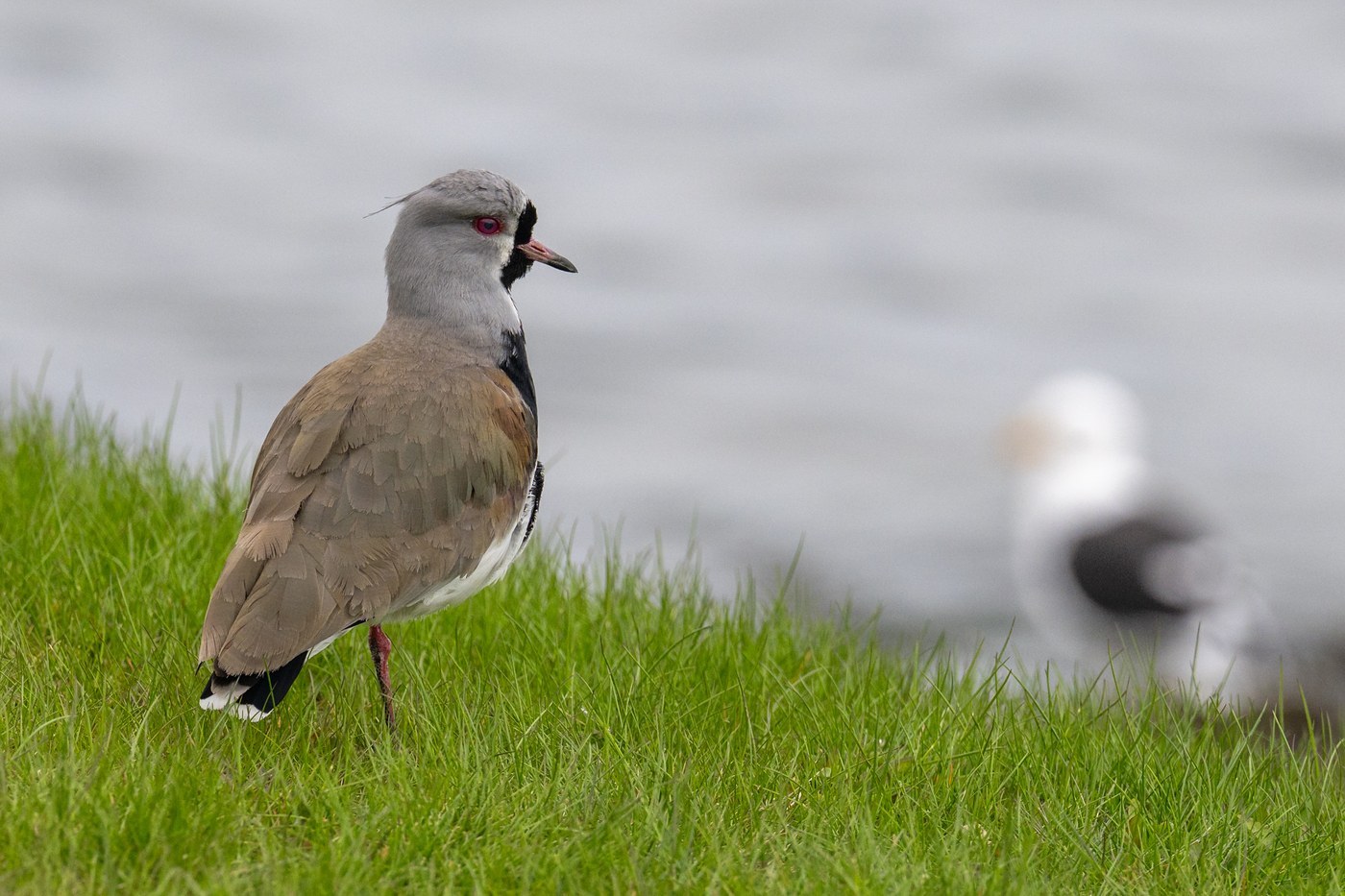
Southern Lapwing
Body, flight, and tail feathers

Jack Snipe
Body and flight feathers

Far Eastern Curlew
Body, flight, and tail feathers

Terek Sandpiper
Body and flight feathers

Wilson's Phalarope
Body and flight feathers
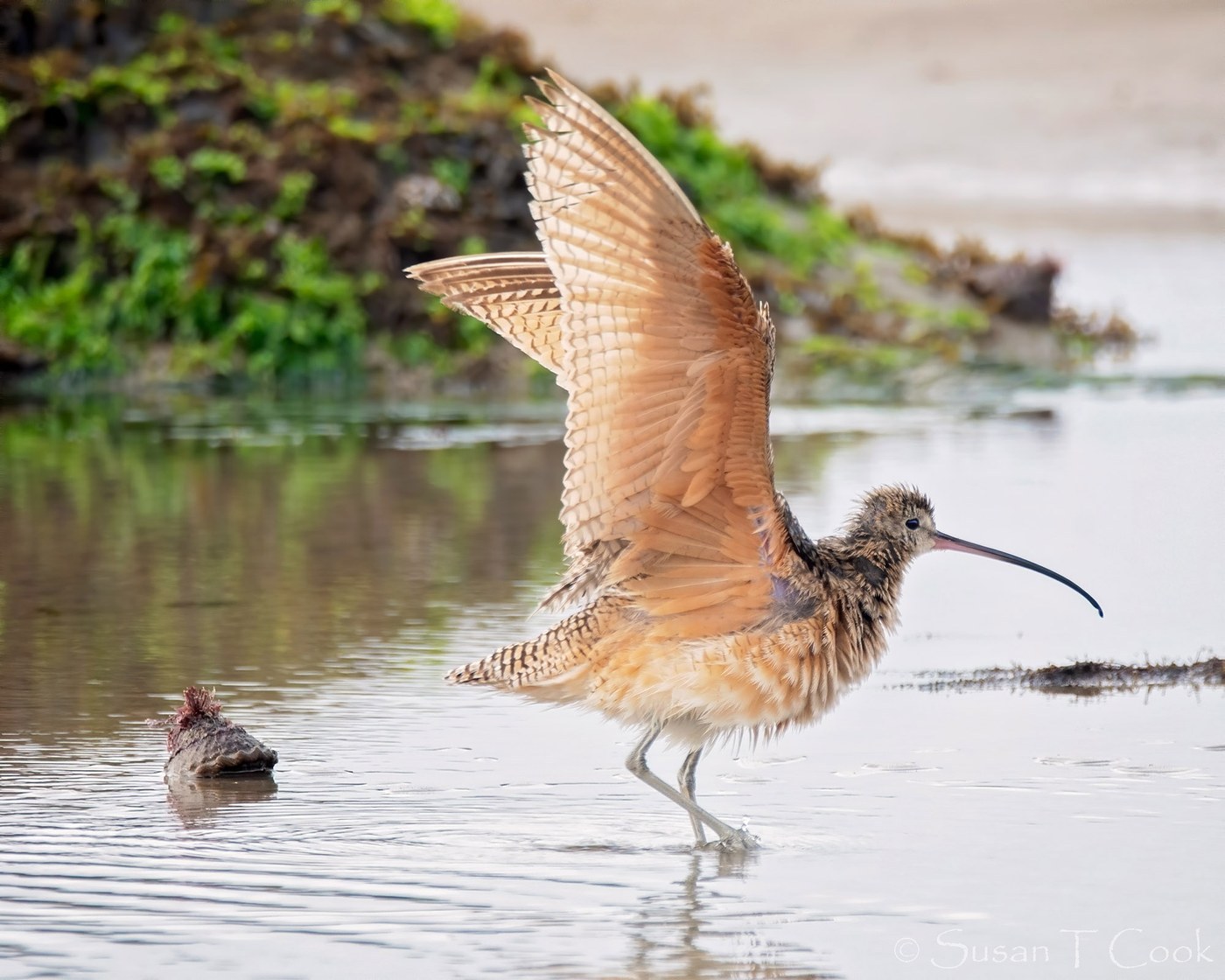
Long-billed Curlew
Body, flight, and tail feathers

Upland Sandpiper
Body, flight, and tail feathers

Red Phalarope
Body and flight feathers

Eurasian Dotterel
Body feathers
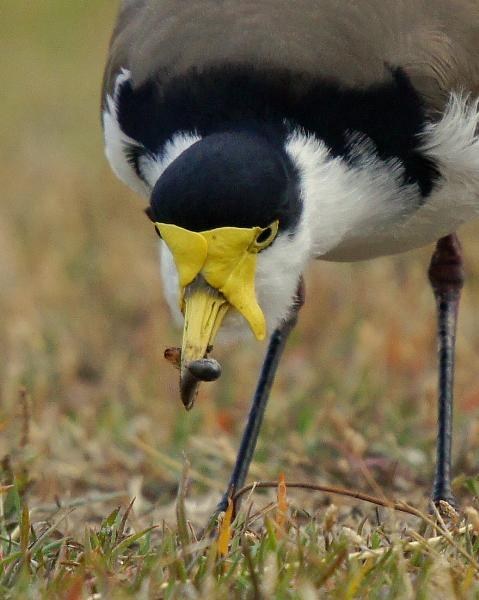
Masked Lapwing
Body, flight, and tail feathers
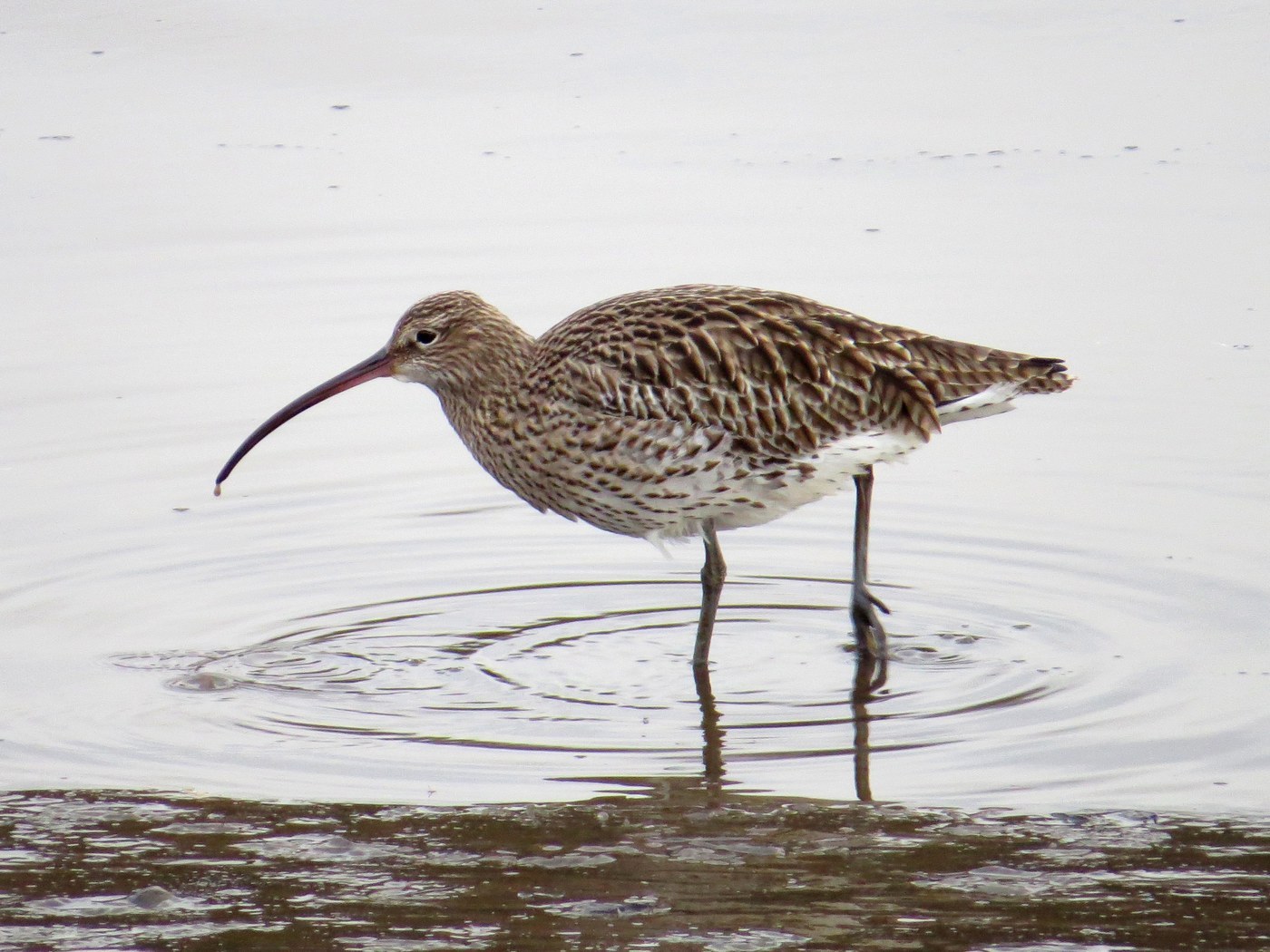
Eurasian Curlew
Body, flight, and tail feathers
Solitary Sandpiper
Contour and flight feathers