

Pectoral Sandpiper
Calidris melanotos
A medium-sized sandpiper with a sharply demarcated brown, streaked breast band ending abruptly against a clean white belly.
- Feather type
- Contour and flight feathers
- Colours
- Brown-black mottled with buff edges
- Bird size
- Medium sandpiper, ~19-23 cm
Found a feather like this?
Identify any feather from a photo, free.
Overview
Overview
The Pectoral Sandpiper is a medium-sized shorebird notable for its heavily streaked brown breast, which ends in a crisp, sharply defined line against the otherwise white belly, a feature giving the species its common name. Upperparts are dark brown-black with buff and rufous feather edges creating a scaly, mottled pattern. Yellowish legs and a faint white wingbar round out its field marks.
It breeds on Arctic tundra and migrates widely, favoring wet grasslands and flooded fields more than open mudflats during migration.
Identifying the Feather
Feather Identification
- Breast pattern: Dense, dark streaking covers the breast, ending in a sharply defined line against the clean white belly, the species' most distinctive feature.
- Upperparts: Dark brown-black feathers with buff and rufous edges, creating a scaly, mottled appearance across the back and scapulars.
- Wing pattern: A faint, narrow white wingbar is visible in flight, less bold than in many other sandpipers.
- Legs: Yellowish to greenish-yellow, moderately long.
- Compared to similar species: The sharply demarcated streaked breast band, ending abruptly rather than fading gradually, distinguishes it from other medium-sized sandpipers such as the Baird's or White-rumped Sandpiper.
Plumage & Molt
Plumage Notes
Breeding males can develop inflatable throat sacs used in display, along with darker, more richly patterned upperparts than females; both sexes show the diagnostic sharply demarcated breast streaking. Non-breeding plumage is somewhat plainer but retains the characteristic breast pattern. Juveniles show bright buff and rufous fringing on the back feathers, giving a fresh, well-defined scaly look distinct from worn adult plumage.
Habitat & Range
Habitat & Range
Pectoral Sandpipers breed on Arctic tundra across northern North America and parts of Siberia. They undertake long-distance migrations to winter primarily in South America, favoring wet grasslands, flooded fields, and marsh edges over open coastal mudflats during migration through the rest of North America.
Behavior & Field Notes
Behavior & Field Notes
This species forages by probing and picking through wet grass and mud for small invertebrates, often in loose groups within flooded fields or marsh edges rather than large tight flocks. Breeding males perform elaborate aerial displays, inflating their throat sacs to produce low hooting sounds while flying low over the tundra. Its flight call is a low, reedy "trrp" or "churk." Nesting occurs on the ground on open tundra, well concealed among low vegetation.
Frequently asked questions
What color are Pectoral Sandpiper feathers?
Dark brown-black upperparts with buff and rufous scaly edging, and a densely streaked brown breast that ends sharply against a white belly.
How can I recognize a Pectoral Sandpiper by its breast pattern?
Look for a crisp, abrupt line where dense breast streaking ends and the clean white belly begins, a distinctive feature not shared by many similar species.
Do male Pectoral Sandpipers look different from females?
Breeding males can develop inflatable throat sacs for display and often show slightly darker, more richly patterned plumage than females.
Where would I find a Pectoral Sandpiper feather?
In wet grasslands, flooded fields, and marsh edges across its migration route through North America, or on wintering grounds in South America.
Pectoral Sandpiper guides
In-depth guides for identifying and understanding Pectoral Sandpiper.

Other feathers you may enjoy
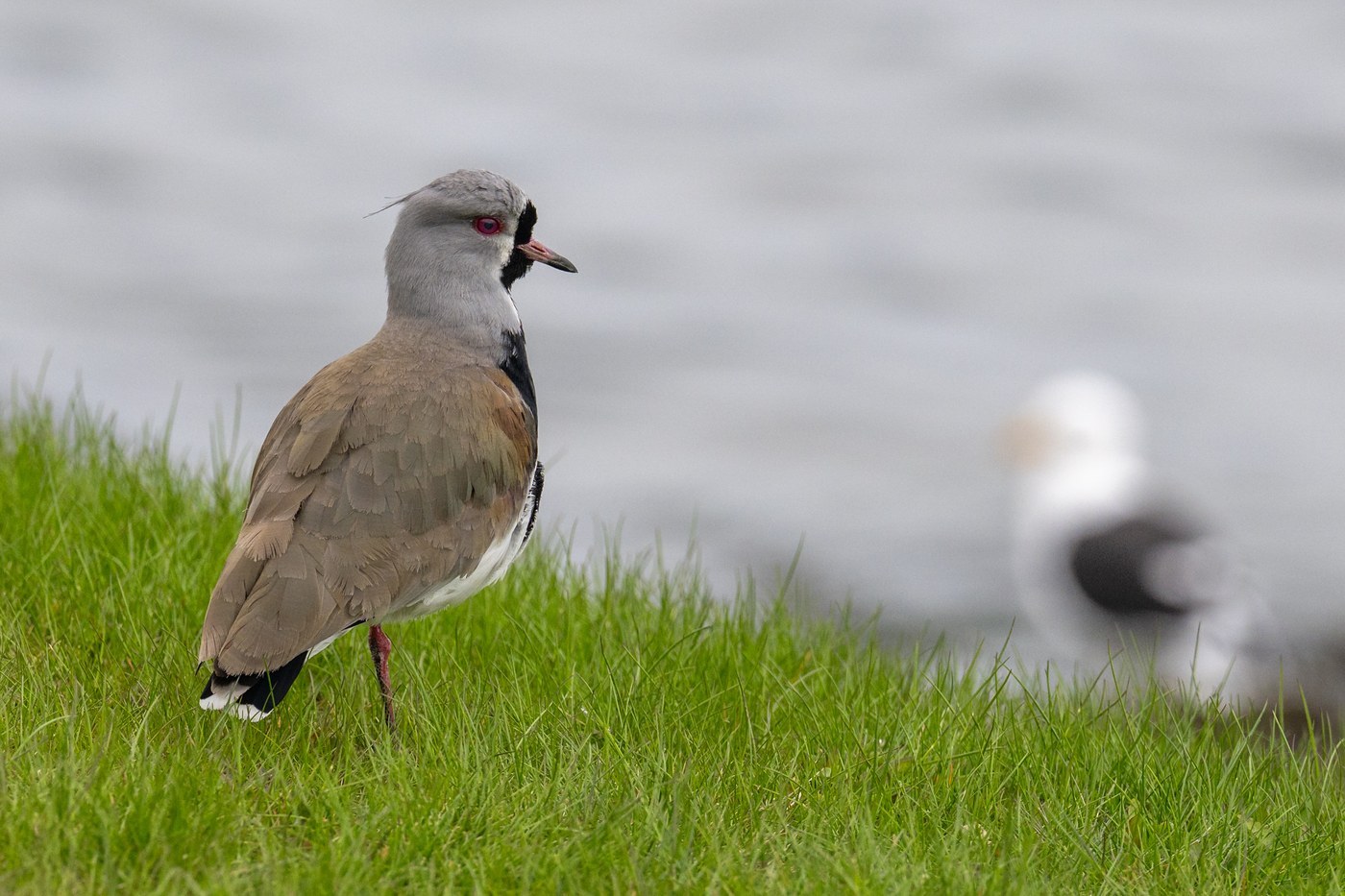
Southern Lapwing
Body, flight, and tail feathers

Jack Snipe
Body and flight feathers

Far Eastern Curlew
Body, flight, and tail feathers

Terek Sandpiper
Body and flight feathers

Wilson's Phalarope
Body and flight feathers
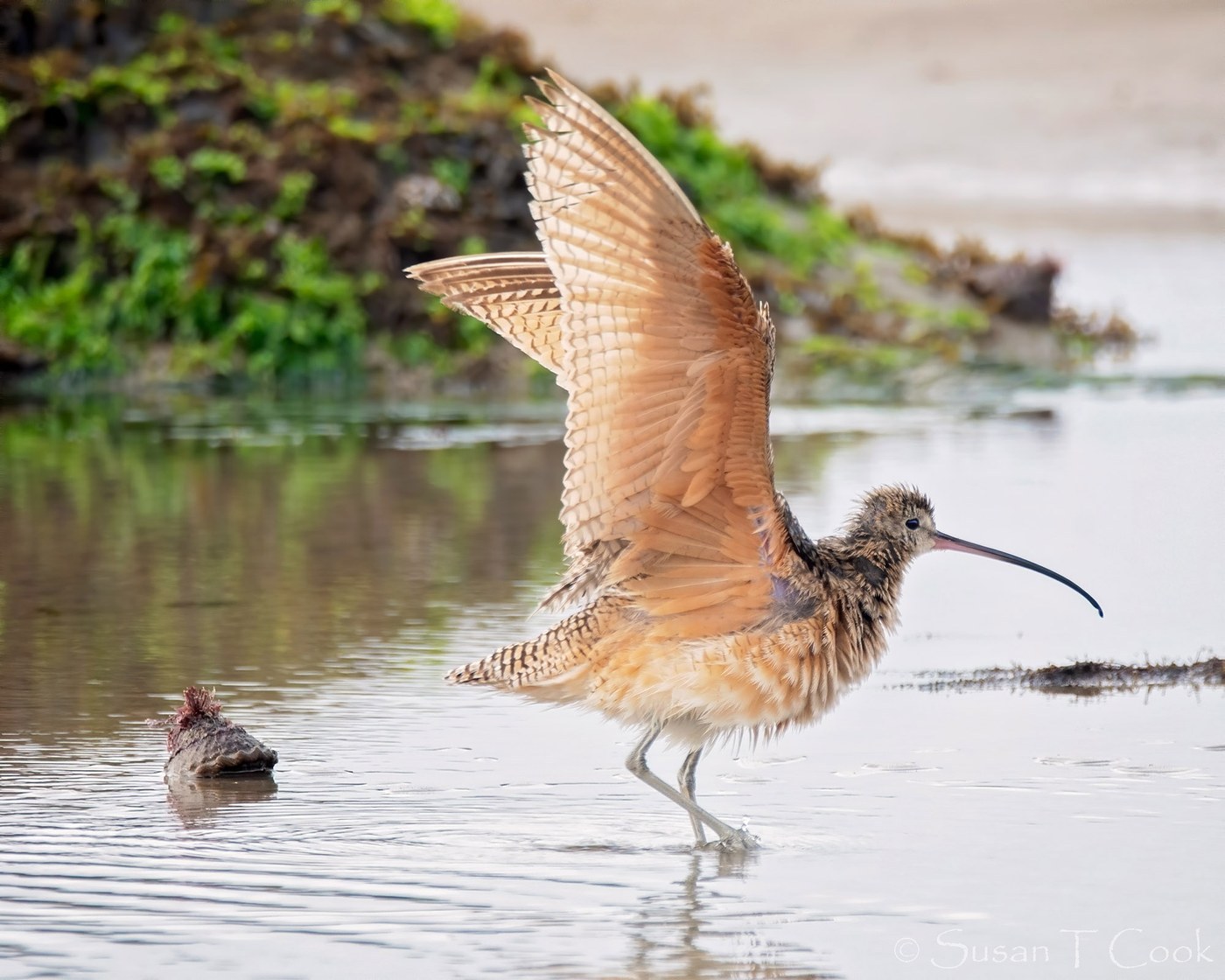
Long-billed Curlew
Body, flight, and tail feathers

Upland Sandpiper
Body, flight, and tail feathers

Red Phalarope
Body and flight feathers

Eurasian Dotterel
Body feathers
Masked Lapwing
Body, flight, and tail feathers
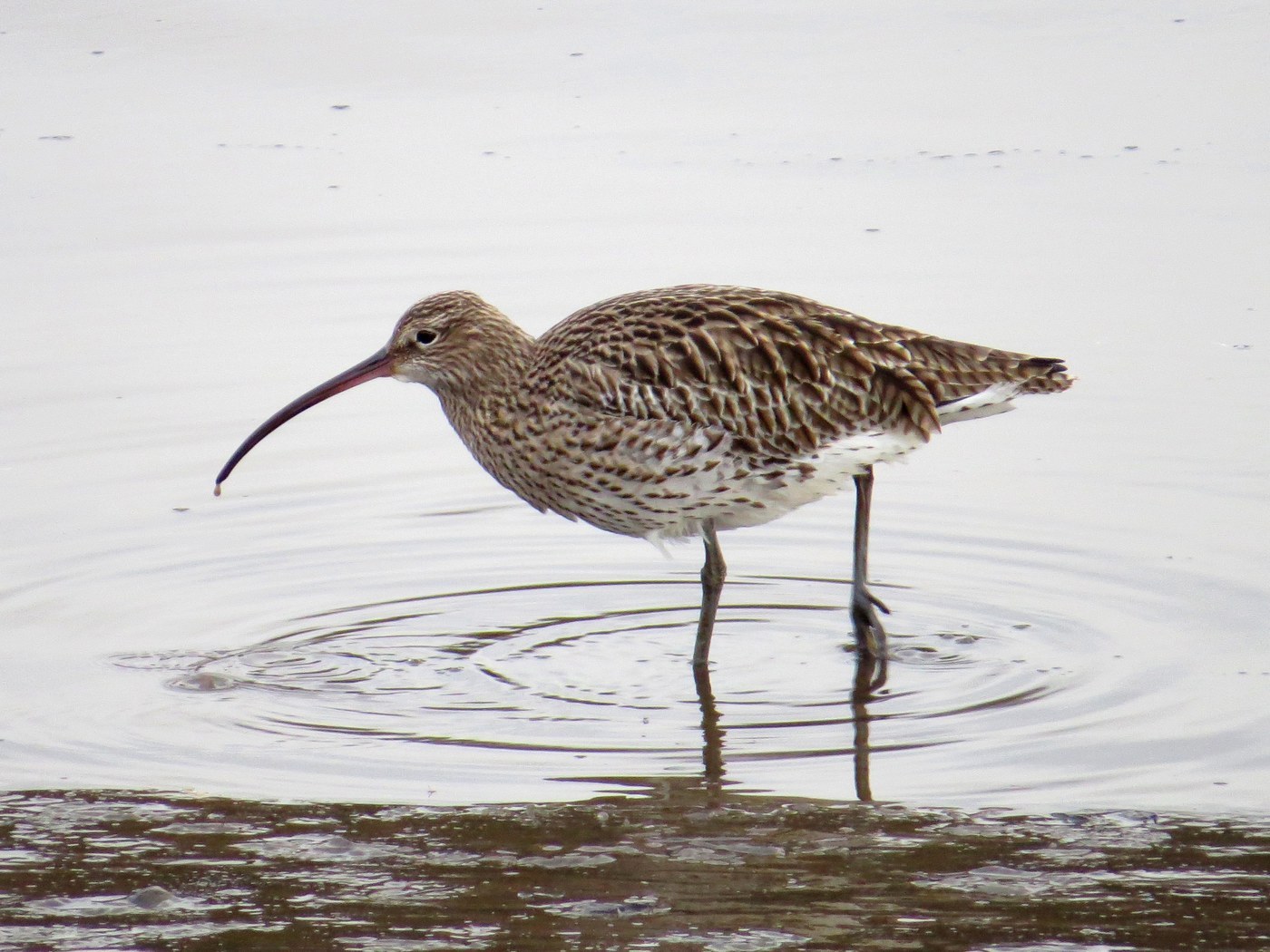
Eurasian Curlew
Body, flight, and tail feathers
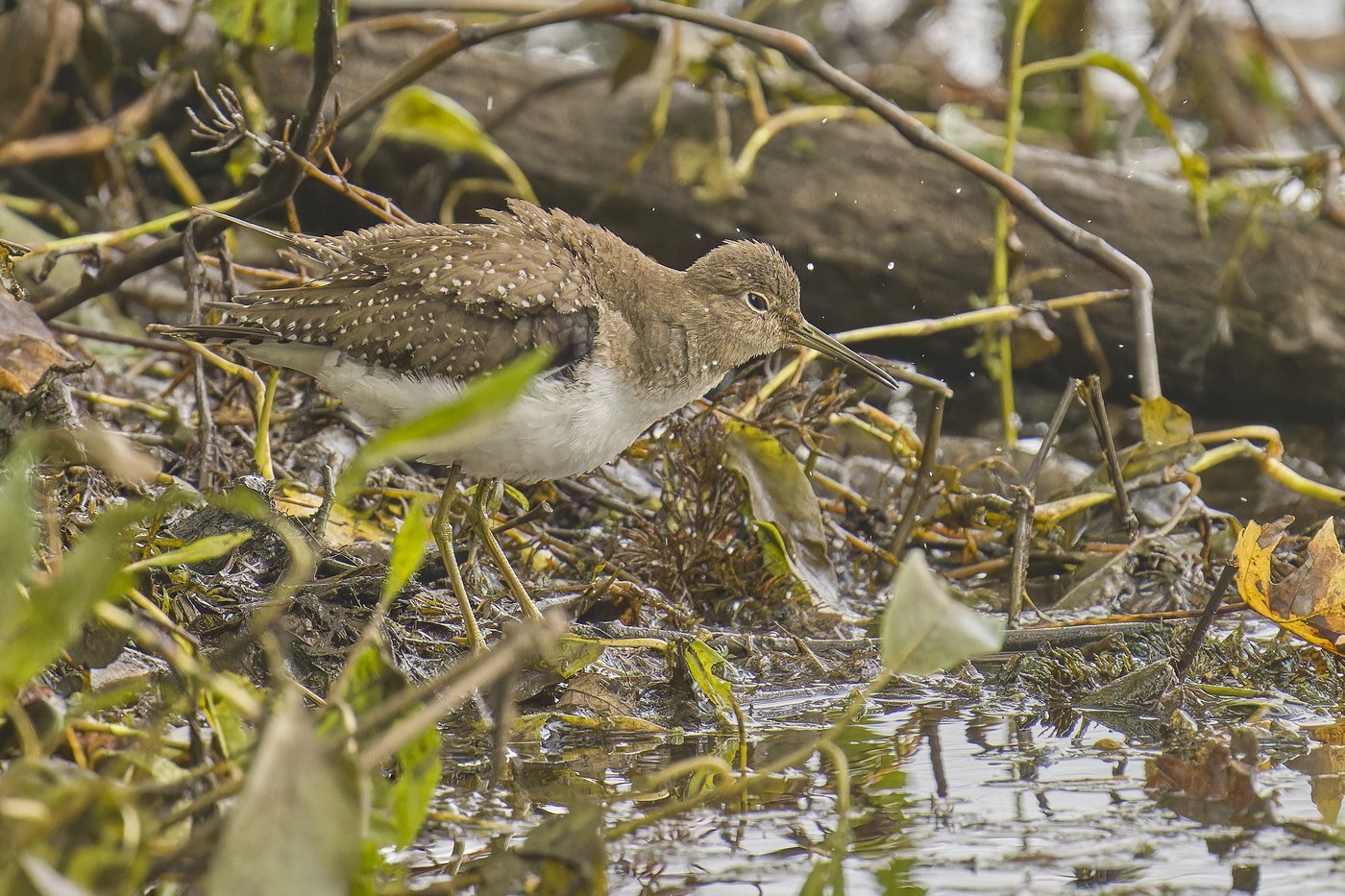
Solitary Sandpiper
Contour and flight feathers