

Pacific Golden-Plover
Pluvialis fulva
A slender, long-legged golden plover breeding on Siberian and Alaskan tundra and wintering widely across Pacific islands and coastal Asia, closely resembling the American Golden-Plover.
- Feather type
- Densely spangled body feathers in breeding plumage; plainer mottled feathers in non-breeding plumage
- Colours
- Bright gold-and-black spangled upperparts with black face and underparts bordered by a white stripe that does not extend to the undertail
- Bird size
- Medium shorebird, ~23-26 cm
Found a feather like this?
Identify any feather from a photo, free.
Overview
The Pacific Golden-Plover is a medium-sized shorebird that breeds on Arctic and subarctic tundra in Siberia and western Alaska and undertakes long over-water migrations to winter across a vast area spanning coastal East Asia, Pacific islands, Australia, and parts of eastern Africa. In breeding plumage it shows the classic golden-plover pattern of densely spangled gold-and-black upperparts, but with a somewhat more extensively golden tone than its American counterpart.
It is extremely similar to the American Golden-Plover, and the two are best distinguished by subtle plumage and structural differences along with range and season. In breeding plumage, the bold white stripe bordering the black underparts extends further down the flanks and the black does not reach the undertail area, unlike American Golden-Plover.
A brightly gold-and-black spangled feather, or a plainer mottled non-breeding feather, found on Pacific islands, coastal East Asia, or Australia is a good indicator of this species, especially outside the expected range of the similar American Golden-Plover.
Identifying the Feather
Shape and Size
Body feathers are similar in size to American Golden-Plover but the bird is slightly slimmer overall, with proportionally longer legs and flight feathers suited to extensive over-water migration.
Color and Pattern
- Breeding upperpart feathers show dense gold-and-black spangling, often appearing slightly brighter and more extensively golden than in American Golden-Plover.
- Breeding underparts are largely black, bordered by a white stripe that extends further down the flanks, with white typically continuing to the undertail area rather than being enclosed by black.
- Non-breeding feathers are plainer, showing grayish-brown to buffy mottled upperparts with pale, lightly streaked underparts.
- Flight feathers are dark brownish-gray with minimal contrasting wing stripe.
Shaft and Vane
Shafts are dark on most upperpart feathers, with golden spangling created by feather-edge notching rather than shaft coloration.
Distinguishing from Similar Species
Compared to American Golden-Plover, Pacific Golden-Plover retains white on the flanks and undertail area in breeding plumage rather than solid black extending to the vent, and shows proportionally longer legs. Compared to Black-bellied Plover, Pacific Golden-Plover shows golden rather than white-and-black spangling above and lacks black axillary feathers in the underwing.
Plumage & Molt
Breeding adults show densely spangled gold-and-black upperparts and black underparts bordered by a white stripe extending down the flanks to the undertail area. Non-breeding adults and juveniles are considerably plainer, with grayish-brown to buffy mottled upperparts and pale, lightly streaked underparts. Sexes look similar. The species undergoes a complete molt after breeding into non-breeding plumage, with a pre-breeding molt restoring bold breeding plumage before returning to Arctic and subarctic breeding grounds.
Habitat & Range
The Pacific Golden-Plover breeds on Arctic and subarctic tundra in Siberia and western Alaska, and winters very widely across coastal East and Southeast Asia, Pacific islands (including Hawaii), Australia, and parts of eastern Africa. During migration and winter it occupies coastal grassland, golf courses, mudflats, and other open habitats, often well inland from the immediate shoreline on island habitats.
Behavior & Field Notes
This species forages using a run-stop-peck technique on open ground, taking insects and other invertebrates from grassland, mudflats, and short turf, including golf courses and parks on wintering grounds. It is often seen singly or in small loose groups, sometimes returning to the same wintering territory in consecutive years. Its call is a clear, whistled note similar to other golden-plovers. Nests are shallow scrapes on open Arctic or subarctic tundra. For feather finders, a brightly gold-and-black spangled feather found on Pacific islands, coastal East Asia, or Australia, or a plainer mottled feather in the non-breeding season, is a good indicator of this species.
Frequently asked questions
How can I tell Pacific Golden-Plover from American Golden-Plover?
In breeding plumage, Pacific Golden-Plover retains white on the flanks and undertail area rather than solid black extending to the vent, and it has proportionally longer legs.
Where does the Pacific Golden-Plover winter?
Very widely, including coastal East and Southeast Asia, Pacific islands such as Hawaii, Australia, and parts of eastern Africa.
Does this species return to the same wintering site each year?
Individuals have been noted returning to the same wintering territory in consecutive years, particularly on island habitats.
How does it differ from Black-bellied Plover?
Pacific Golden-Plover shows golden rather than white-and-black spangled upperparts and lacks the black axillary feathers seen in Black-bellied Plover's underwing.
Pacific Golden-Plover guides
In-depth guides for identifying and understanding Pacific Golden-Plover.

Other feathers you may enjoy
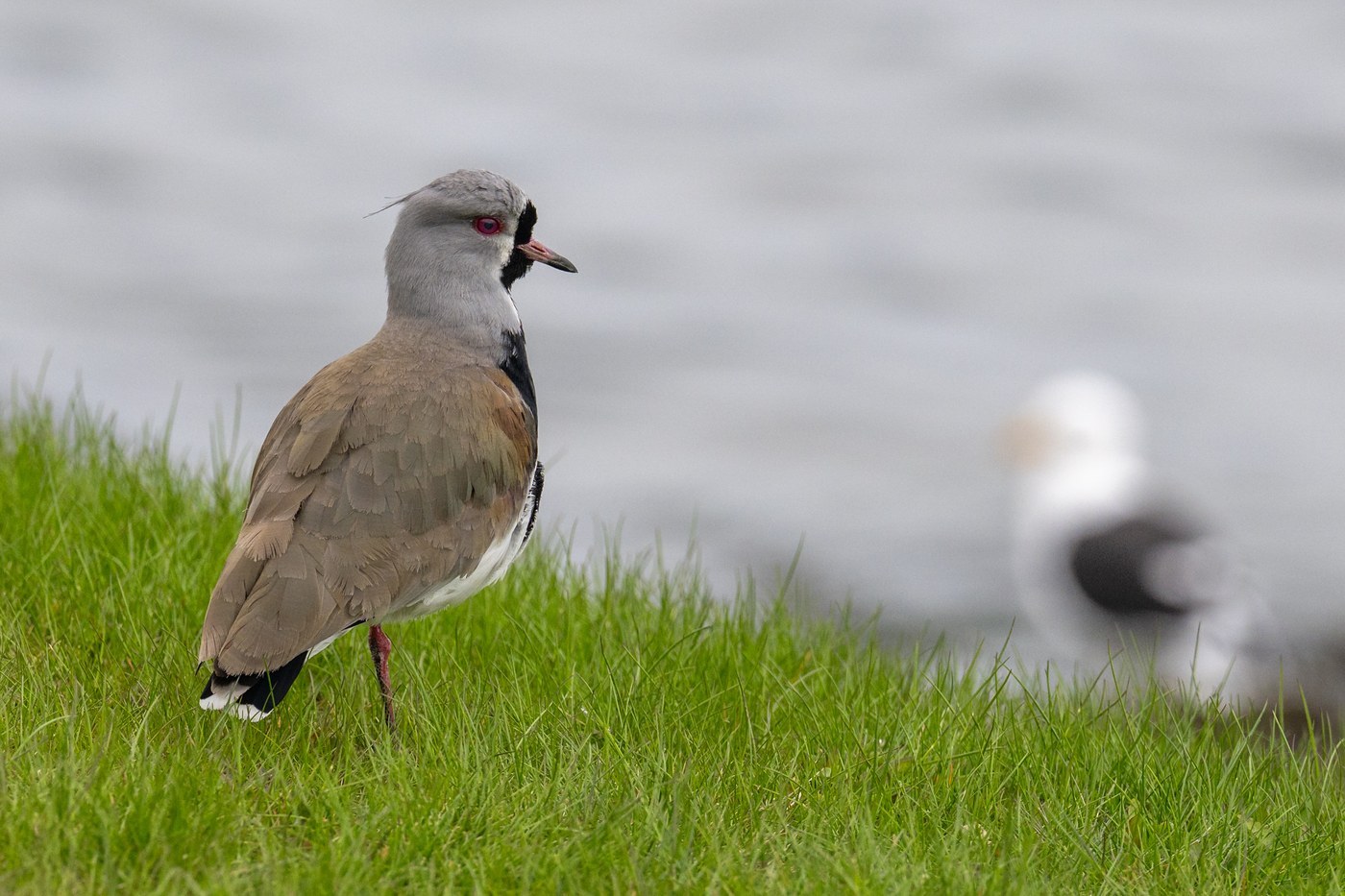
Southern Lapwing
Body, flight, and tail feathers

Jack Snipe
Body and flight feathers

Far Eastern Curlew
Body, flight, and tail feathers

Terek Sandpiper
Body and flight feathers

Wilson's Phalarope
Body and flight feathers
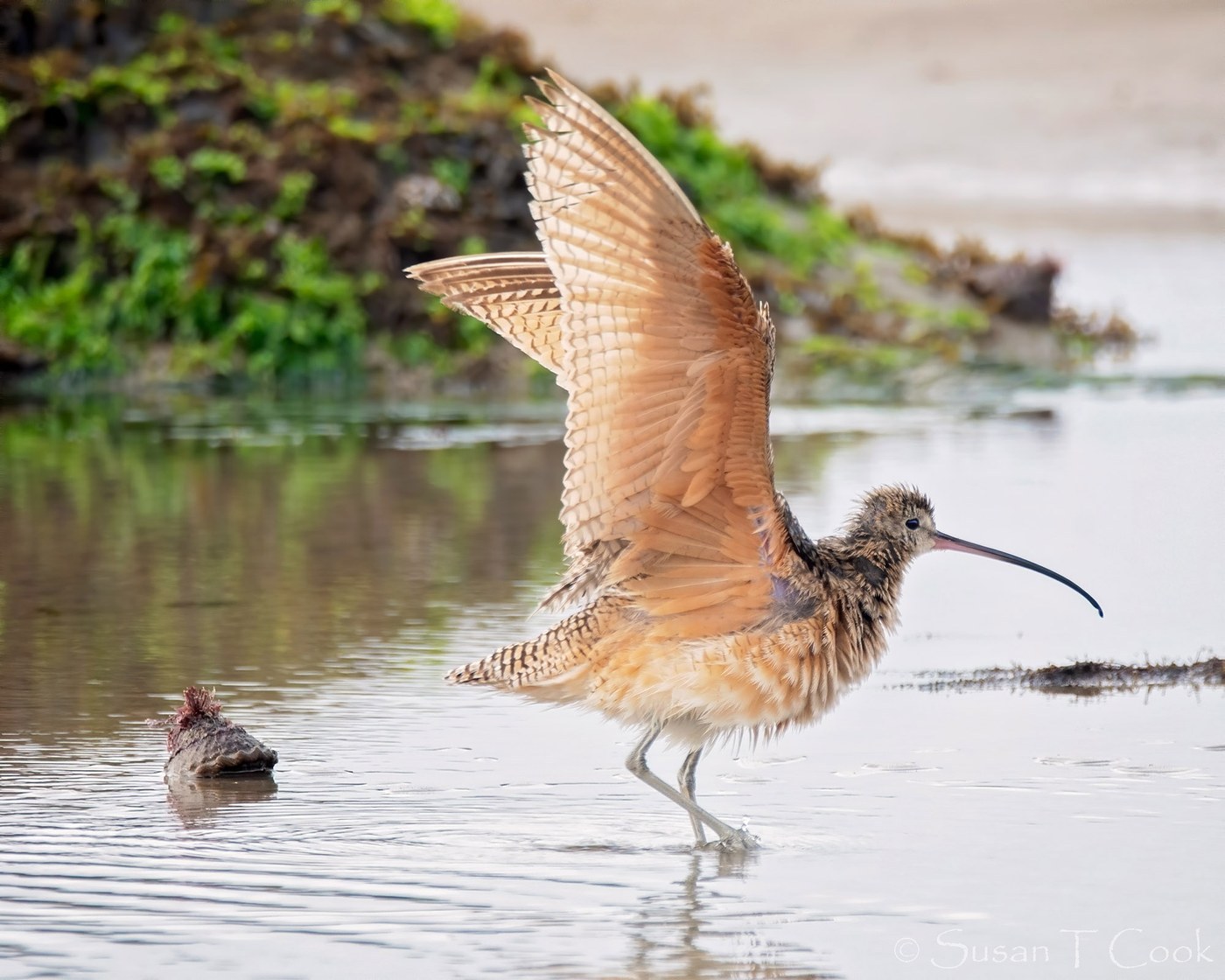
Long-billed Curlew
Body, flight, and tail feathers

Upland Sandpiper
Body, flight, and tail feathers

Red Phalarope
Body and flight feathers

Eurasian Dotterel
Body feathers
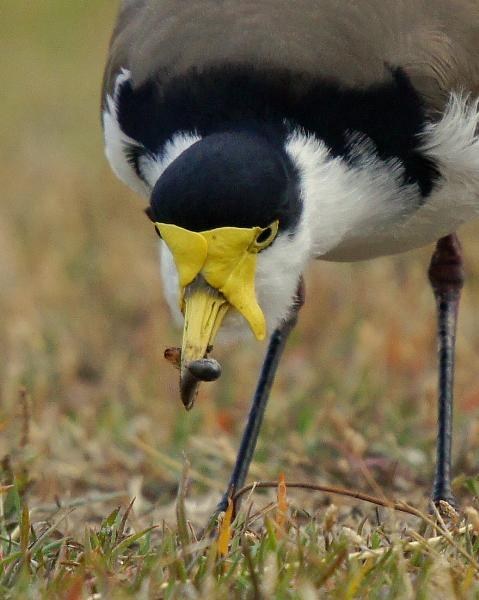
Masked Lapwing
Body, flight, and tail feathers
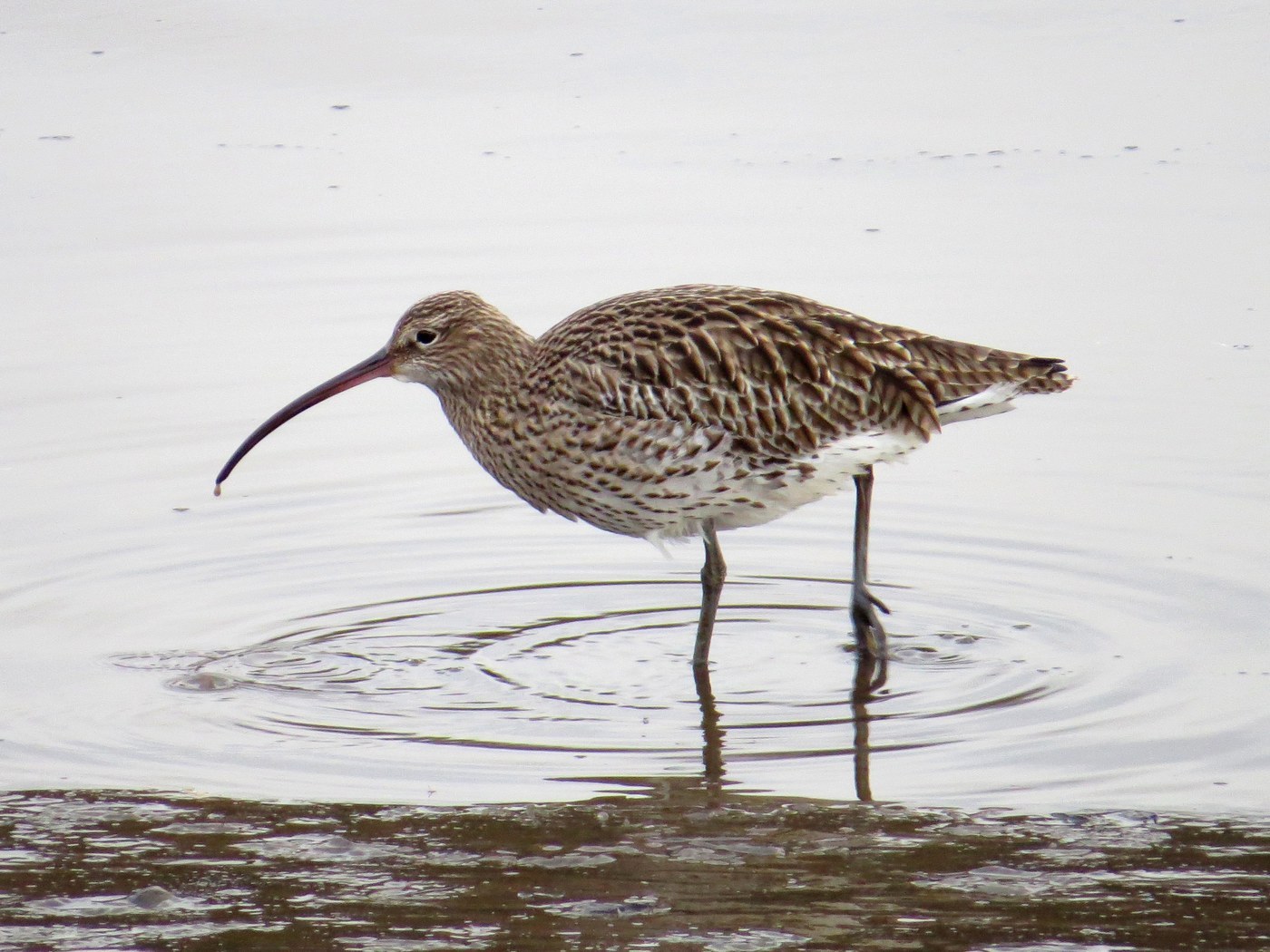
Eurasian Curlew
Body, flight, and tail feathers
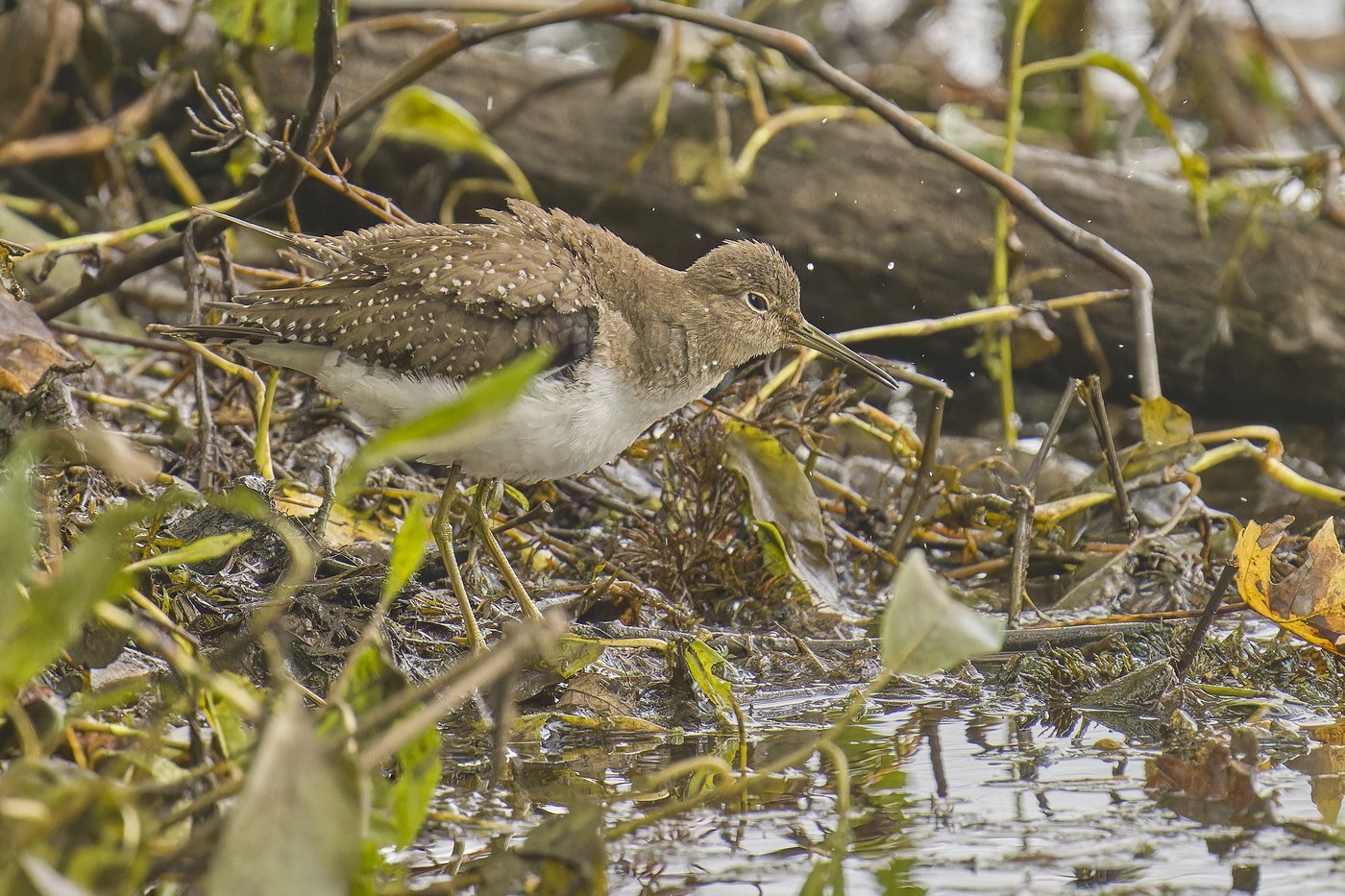
Solitary Sandpiper
Contour and flight feathers