

Olive Woodpecker
Chloropicus griseocephalus
A southern and eastern African woodpecker with an olive-green back and grey head, familiar in forest, fynbos margins, and well-wooded gardens.
- Feather type
- Contour and flight feathers
- Colours
- Olive-green back, grey head, red crown patch in males
- Bird size
- Small-medium woodpecker, ~18-20 cm
Found a feather like this?
Identify any feather from a photo, free.
Overview
The Olive Woodpecker is a widely recognized species across southern and eastern Africa, including South Africa, where it is a familiar visitor to well-wooded gardens as well as natural forest and forest-fynbos margins. Its olive-green back and contrasting grey head are the main features to note.
It is generally smaller than some of its grey-headed relatives found further north on the continent.
Identifying the Feather
- Back and wing feathers are olive-green, typically less saturated than in some tropical relatives
- Head and face feathers are grey, contrasting with the greener back
- Males show a red patch on the crown, absent in females
- Underparts are a muted olive-grey, without strong barring
- Tail feathers are dark and stiffened for trunk support
Plumage & Molt
Males show a red crown patch; females have an all-grey crown without red. Juveniles are duller overall with softer contrast between head and back. A single molt follows the breeding season.
Habitat & Range
- Found across southern and eastern Africa, including South Africa, Zimbabwe, and neighboring countries
- Favors forest, forest-fynbos margins, and well-wooded gardens and parks
- Resident, non-migratory
Behavior & Field Notes
This species forages on trunks and branches for insects, and is a regular visitor to gardens with mature trees. It gives sharp calls and drums to communicate, particularly during the breeding season. Nest cavities are excavated in dead wood within forest or garden settings.
Frequently asked questions
How does this species differ from the Northern Grey-headed Woodpecker?
It is generally smaller and occupies a more southerly range in southern and eastern Africa, though both share a grey head and olive-green back pattern.
How can males be told from females?
Males show a red crown patch; females have an all-grey crown without red.
Is this species found in gardens?
Yes, it is a regular visitor to well-wooded gardens and parks in addition to natural forest and fynbos margins.
What is the general underpart pattern?
A fairly muted olive-grey without strong barring, less patterned than many other woodpeckers.
Olive Woodpecker guides
In-depth guides for identifying and understanding Olive Woodpecker.

Other feathers you may enjoy

Ivory-billed Woodpecker
Very large flight feathers with a solid white trailing patch

Great Slaty Woodpecker
Massive, uniformly colored contour feathers

Yellow-tufted Woodpecker
Black body feathers with bright yellow forehead tufts

Magellanic Woodpecker
Very large, glossy contour feathers with a recurved crest

Yellow-bellied Sapsucker
Black-and-white patterned back and facial-stripe feathers
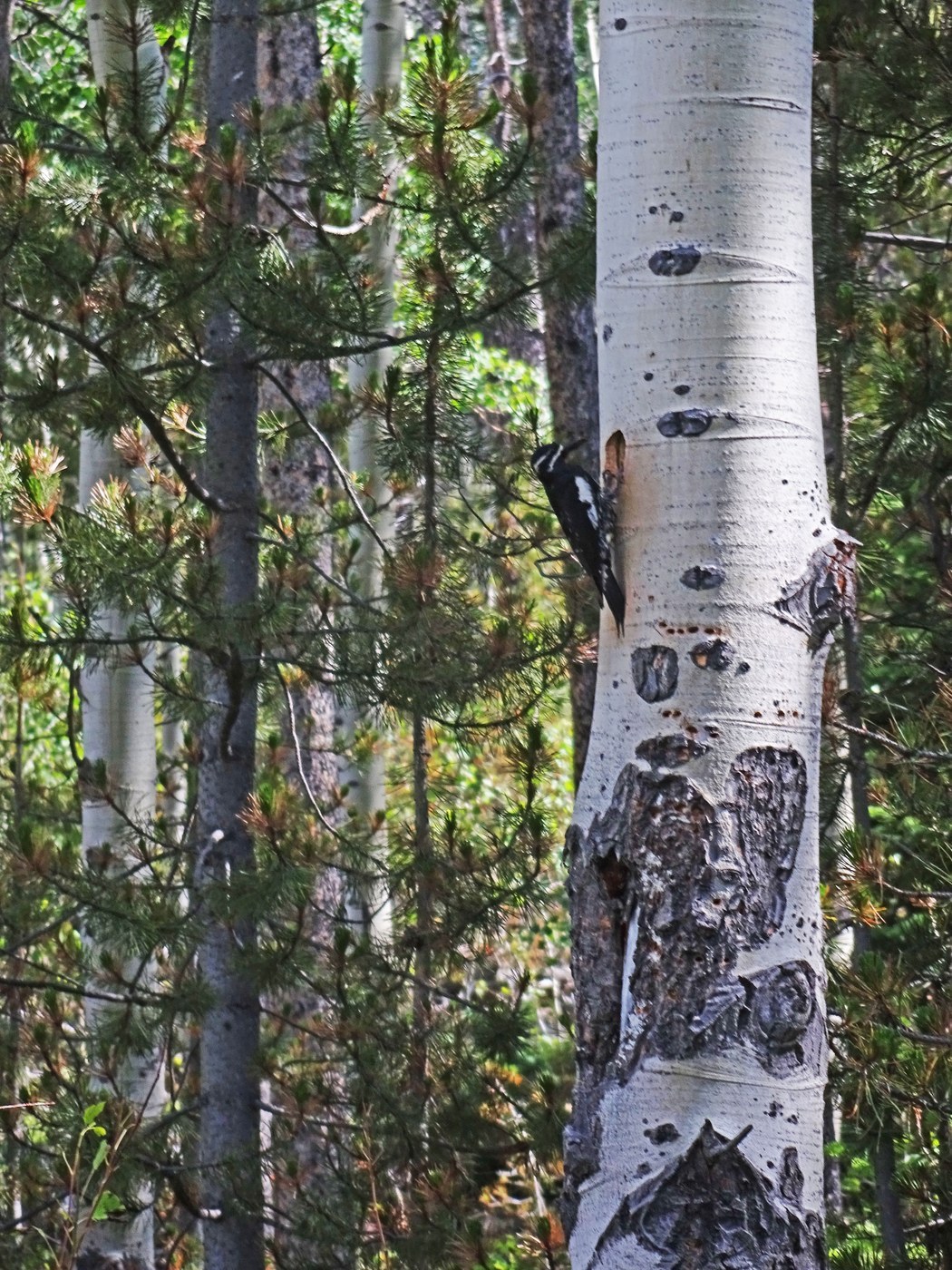
Williamson's Sapsucker
Strongly sexually dimorphic body feathers, glossy black or finely barred brown

Yellow-crowned Woodpecker
Contour and flight feathers

White Woodpecker
Mostly white body feathers with contrasting black wings and back

Red-throated Wryneck
Soft, cryptically mottled contour feathers

White-bellied Woodpecker
Large, glossy black contour and flight feathers

White-backed Woodpecker
Barred back feathers rather than a solid white patch
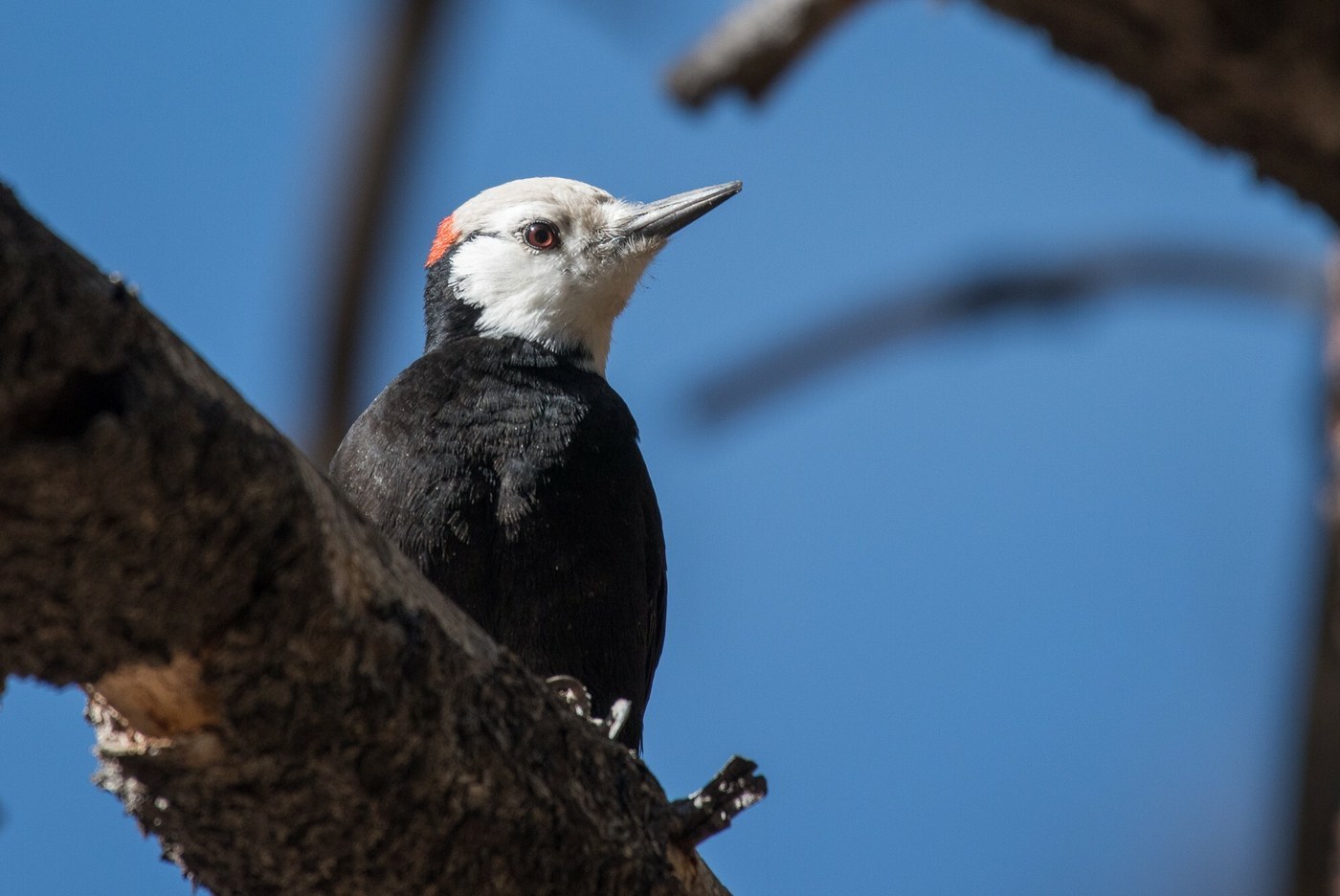
White-headed Woodpecker
Solid black body feathers with an entirely white head