

Nubian Woodpecker
Campethera nubica
An East African savanna woodpecker with bold black spotting across cream underparts and a barred greenish back, favoring dry thornbush country.
- Feather type
- Contour and flight feathers
- Colours
- Barred greenish back, boldly spotted cream underparts, red crown
- Bird size
- Medium woodpecker, ~20 cm
Found a feather like this?
Identify any feather from a photo, free.
Overview
The Nubian Woodpecker is a characteristic bird of dry East African savanna and thornbush, part of the spotted-underparts group of African woodpeckers. Its barred back and heavily spotted underparts give it a striking appearance against the pale bark of acacia and other savanna trees where it typically forages.
It is often located by its sharp calls carrying across open thorn woodland.
Identifying the Feather
- Underparts show bold black spots over a cream or pale buff ground color, denser and more contrasting than in some related species
- Back and wing feathers are barred greenish and blackish
- Males show a red crown and nape, while females show a darker, spotted crown
- Flight feathers are barred along their length in dark and pale tones
- Tail feathers are stiffened for bracing on trunks and larger branches
Plumage & Molt
Males show a red crown and nape; females have a blackish crown finely spotted with white or pale markings instead. Juveniles are duller with softer, less defined spotting below. A single molt follows the breeding season.
Habitat & Range
- Found across East Africa, particularly in Kenya, Tanzania, and neighboring dry country
- Favors dry thornbush, acacia savanna, and adjacent open woodland
- Resident, non-migratory
Behavior & Field Notes
This woodpecker forages on trunks and branches of acacia and other savanna trees, taking wood-boring insects and ants. It gives sharp, far-carrying calls and drums in short bursts, particularly during the breeding season. Nests are excavated in dead branches or trunks within its dry woodland habitat.
Frequently asked questions
What is distinctive about the underparts?
Bold black spots over a cream or pale buff background, denser than the spotting seen in some related African woodpeckers.
How can males be distinguished from females?
Males show a red crown and nape, while females have a darker, spotted crown without red.
What habitat should I search for this species?
Dry thornbush and acacia savanna across East Africa, particularly Kenya and Tanzania.
Is this species associated with wetter forest?
No, it favors dry savanna and thornbush country rather than humid or closed-canopy forest.
Nubian Woodpecker guides
In-depth guides for identifying and understanding Nubian Woodpecker.

Other feathers you may enjoy

Ivory-billed Woodpecker
Very large flight feathers with a solid white trailing patch

Great Slaty Woodpecker
Massive, uniformly colored contour feathers

Yellow-tufted Woodpecker
Black body feathers with bright yellow forehead tufts

Magellanic Woodpecker
Very large, glossy contour feathers with a recurved crest

Yellow-bellied Sapsucker
Black-and-white patterned back and facial-stripe feathers
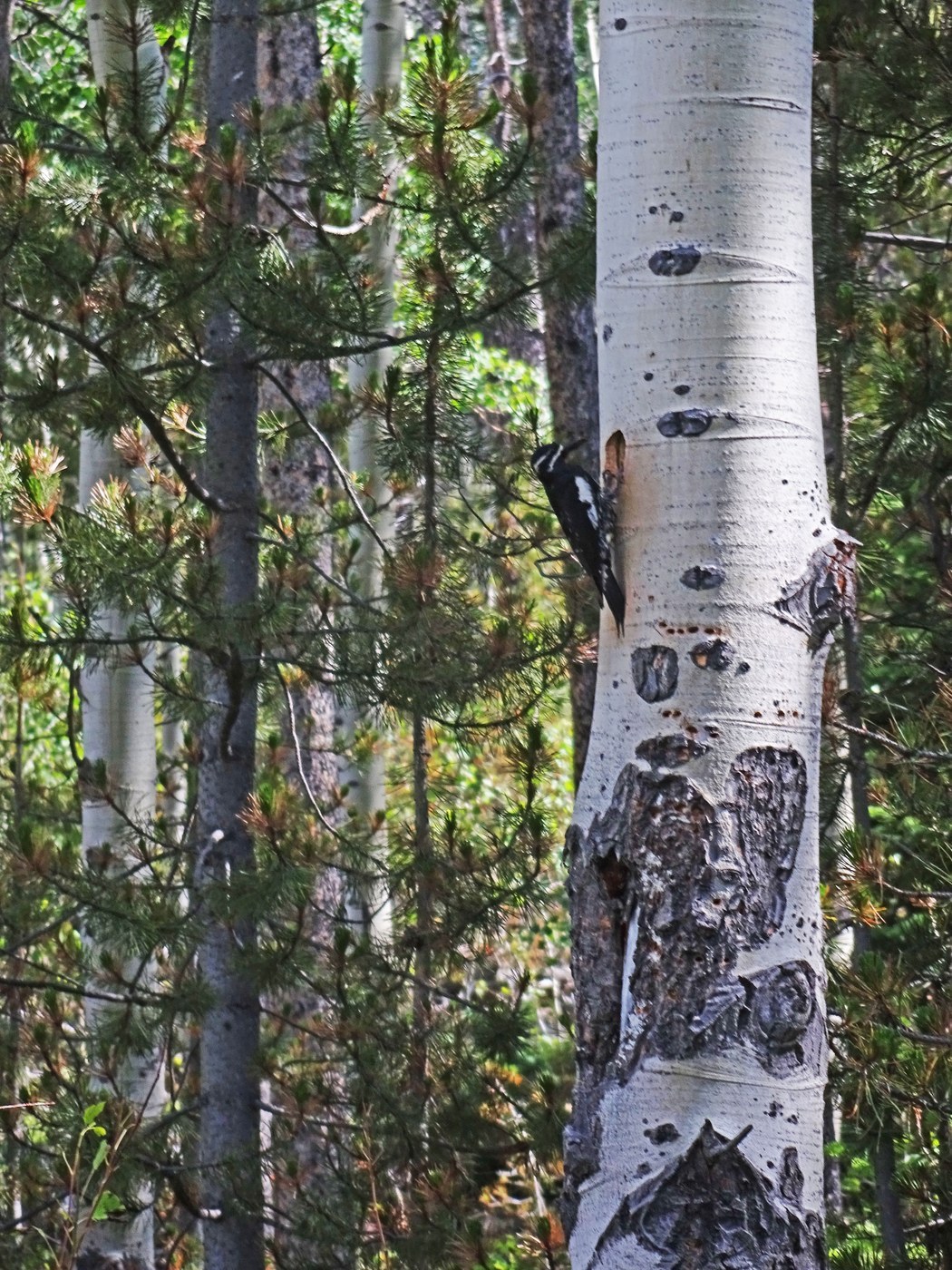
Williamson's Sapsucker
Strongly sexually dimorphic body feathers, glossy black or finely barred brown

Yellow-crowned Woodpecker
Contour and flight feathers

White Woodpecker
Mostly white body feathers with contrasting black wings and back

Red-throated Wryneck
Soft, cryptically mottled contour feathers

White-bellied Woodpecker
Large, glossy black contour and flight feathers

White-backed Woodpecker
Barred back feathers rather than a solid white patch
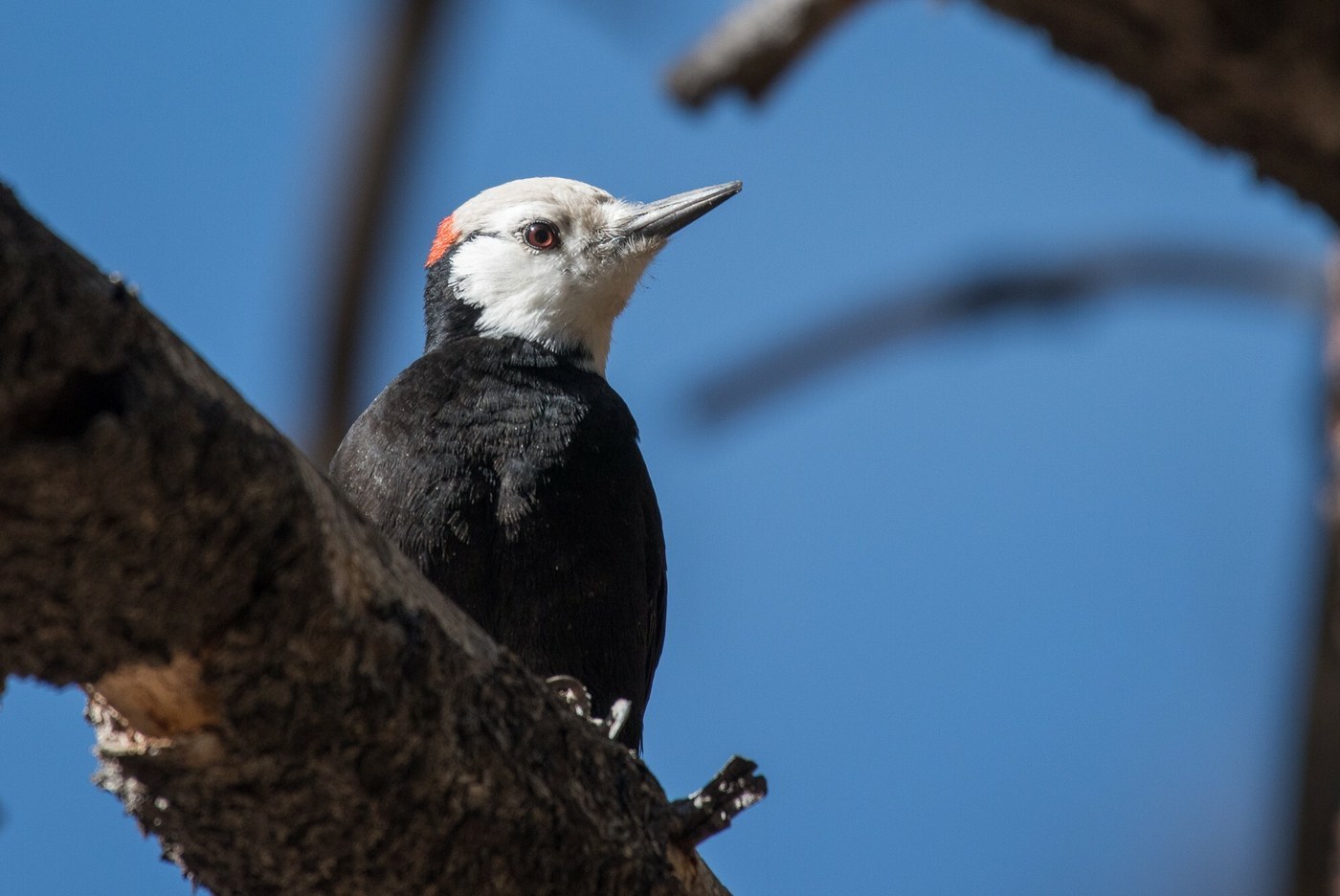
White-headed Woodpecker
Solid black body feathers with an entirely white head