

Mountain Plover
Charadrius montanus
An unusual, upland-dwelling North American plover of dry short-grass prairie, notably lacking the dark breast band typical of most of its shorebird relatives.
- Feather type
- Plain, unmarked body feathers and moderately long flight feathers suited to open-country flight
- Colours
- Plain buffy-brown upperparts and pale underparts, without a dark breast band
- Bird size
- Medium-small plover, ~20-24 cm
Found a feather like this?
Identify any feather from a photo, free.
Overview
The Mountain Plover is an atypical member of its family, inhabiting dry short-grass prairie, plowed fields, and other open upland habitat of the North American Great Plains and intermountain West rather than the shorelines and wetlands used by most plovers. Despite its name, it is not particularly associated with mountains, favoring flat, sparsely vegetated grassland instead.
Its plumage is notably plain, lacking the dark breast band that characterizes most Charadrius plovers, with an overall buffy-brown upperpart tone that blends well with dry grassland and bare soil. A black forecrown patch and dark line through the eye appear in breeding condition, offering some facial contrast against an otherwise subdued plumage.
A plain buffy-brown body feather lacking any breast band, found in dry short-grass prairie or a fallow agricultural field in the North American interior, is a good indicator of this species.
Identifying the Feather
Shape and Size
Body feathers are plain and moderate in size, and flight feathers are somewhat longer than in many small plovers, consistent with a bird adapted to extended flights over open grassland rather than short shoreline hops.
Color and Pattern
- Upperparts are plain buffy-brown, unmarked by barring or strong patterning.
- Underparts are pale buffy-white, again largely unmarked.
- Unlike most plovers, there is no dark breast band.
- In breeding condition, a black patch appears on the forecrown along with a dark line through the eye, though these are head feathers rather than body feathers.
Shaft and Vane
Shafts are pale throughout, consistent with the overall plain, sandy-buff coloration of this species.
Distinguishing from Similar Species
The absence of any breast band is the most useful distinguishing feature separating Mountain Plover from nearly all other regularly encountered Charadrius plovers, which show either a complete or partial dark band; combined with its dry grassland habitat, a plain, bandless buffy-brown plover feather points strongly to this species.
Plumage & Molt
Adults show plain buffy-brown upperparts and pale buffy-white underparts without a breast band, with a black forecrown patch and dark eye-line appearing in breeding condition. Sexes look similar. Juveniles are duller and more finely patterned above, lacking the black facial markings of breeding adults. Molt occurs mainly after breeding, with body feathers refreshed before migration to wintering grounds.
Habitat & Range
The Mountain Plover breeds in short-grass prairie and heavily grazed or fallow agricultural fields of the North American Great Plains and parts of the intermountain West, wintering in similarly open, sparsely vegetated habitat in the southwestern United States and Mexico. It is a migratory species, notably tied to dry upland habitat rather than shorelines or wetlands throughout its annual cycle.
Behavior & Field Notes
Mountain Plovers forage on bare or sparsely vegetated ground, taking insects and other invertebrates using a run-stop-peck technique similar to other plovers, but entirely away from water. They are often associated with grazing bison or cattle and prairie dog colonies, which help maintain the short, open vegetation structure the species favors. Their call is a low, soft whistled note, less piercing than some relatives. Nests are shallow scrapes on bare ground in open grassland or fallow fields. For feather finders, a plain, unbanded buffy-brown feather found in dry short-grass prairie or a fallow field in the North American interior is a good indicator of this species.
Frequently asked questions
Why doesn't the Mountain Plover live near water like other plovers?
It is adapted to dry, open upland grassland and fallow agricultural fields rather than shorelines, an unusual habitat choice within its family.
Does the Mountain Plover have a breast band?
No, unlike most Charadrius plovers, it lacks a dark breast band entirely, showing plain buffy-brown and pale underparts instead.
What habitat should I check for this species' feathers?
Short-grass prairie, heavily grazed rangeland, and fallow agricultural fields across the North American Great Plains and intermountain West.
Is the Mountain Plover associated with any other prairie wildlife?
Yes, it is often found near grazing bison or cattle and prairie dog colonies, which help maintain the short, open vegetation it prefers.
Mountain Plover guides
In-depth guides for identifying and understanding Mountain Plover.

Other feathers you may enjoy
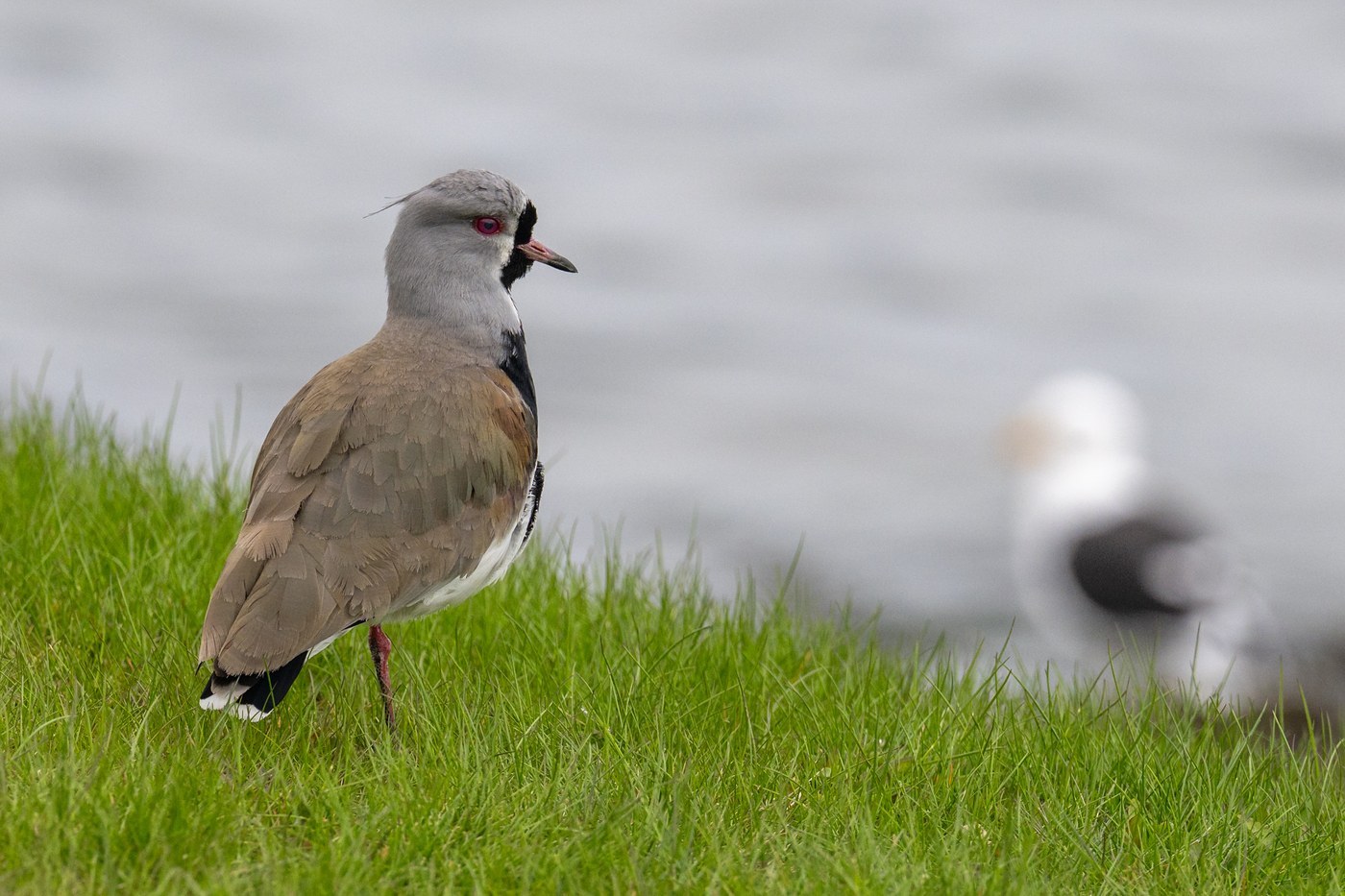
Southern Lapwing
Body, flight, and tail feathers

Jack Snipe
Body and flight feathers

Far Eastern Curlew
Body, flight, and tail feathers

Terek Sandpiper
Body and flight feathers

Wilson's Phalarope
Body and flight feathers
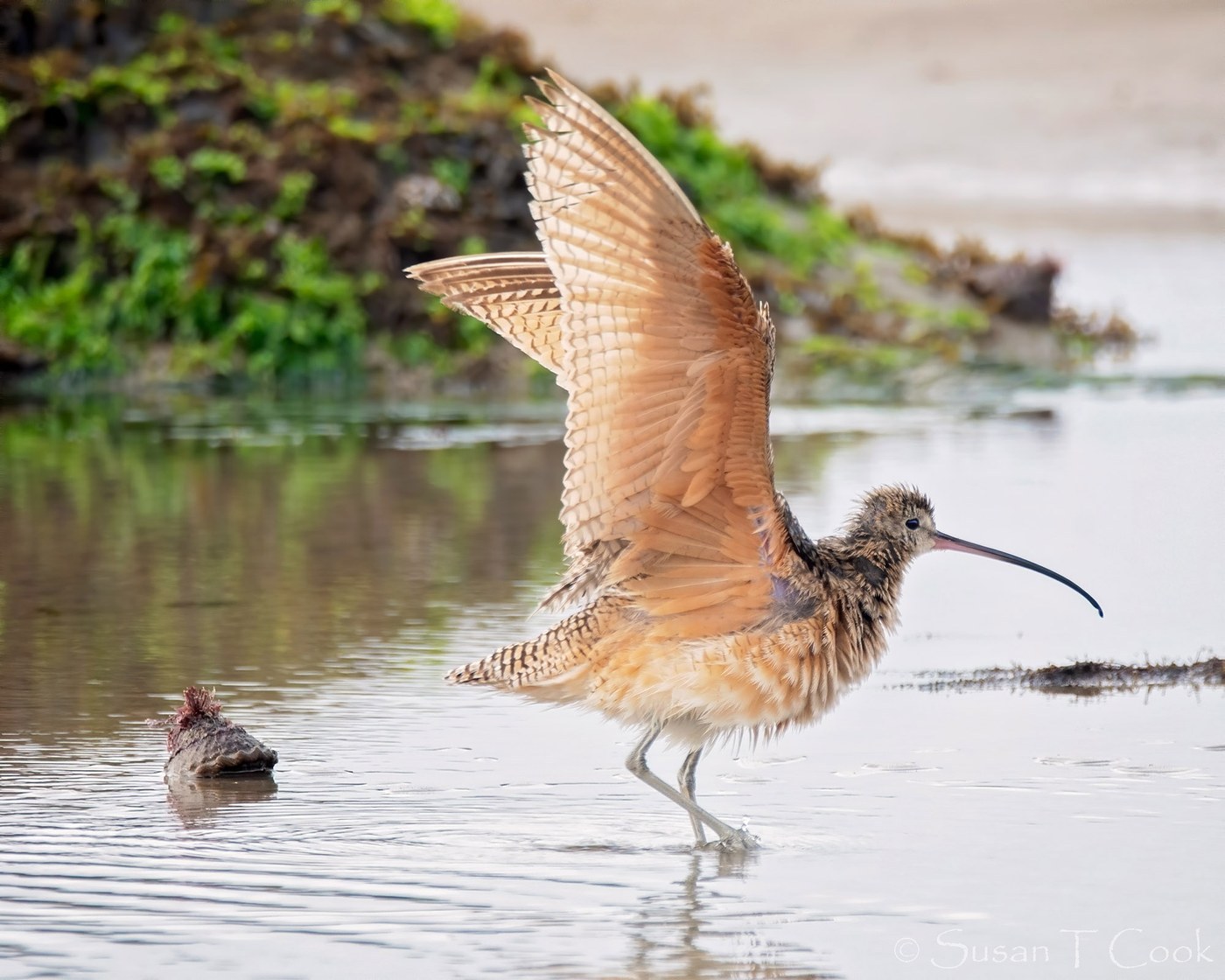
Long-billed Curlew
Body, flight, and tail feathers

Upland Sandpiper
Body, flight, and tail feathers

Red Phalarope
Body and flight feathers

Eurasian Dotterel
Body feathers
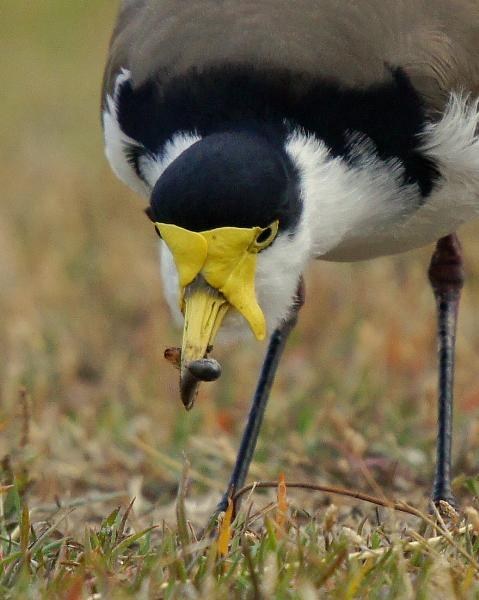
Masked Lapwing
Body, flight, and tail feathers
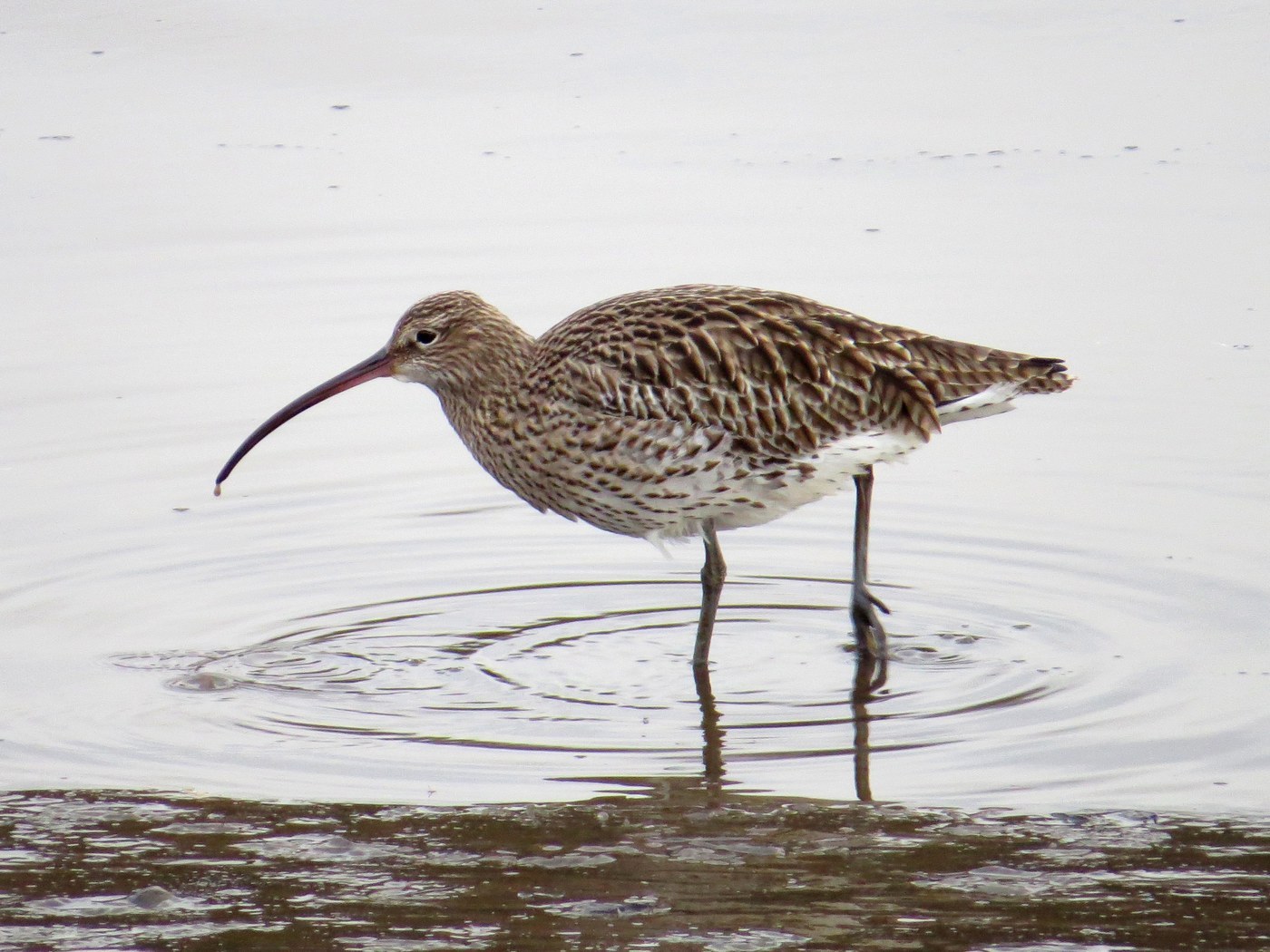
Eurasian Curlew
Body, flight, and tail feathers
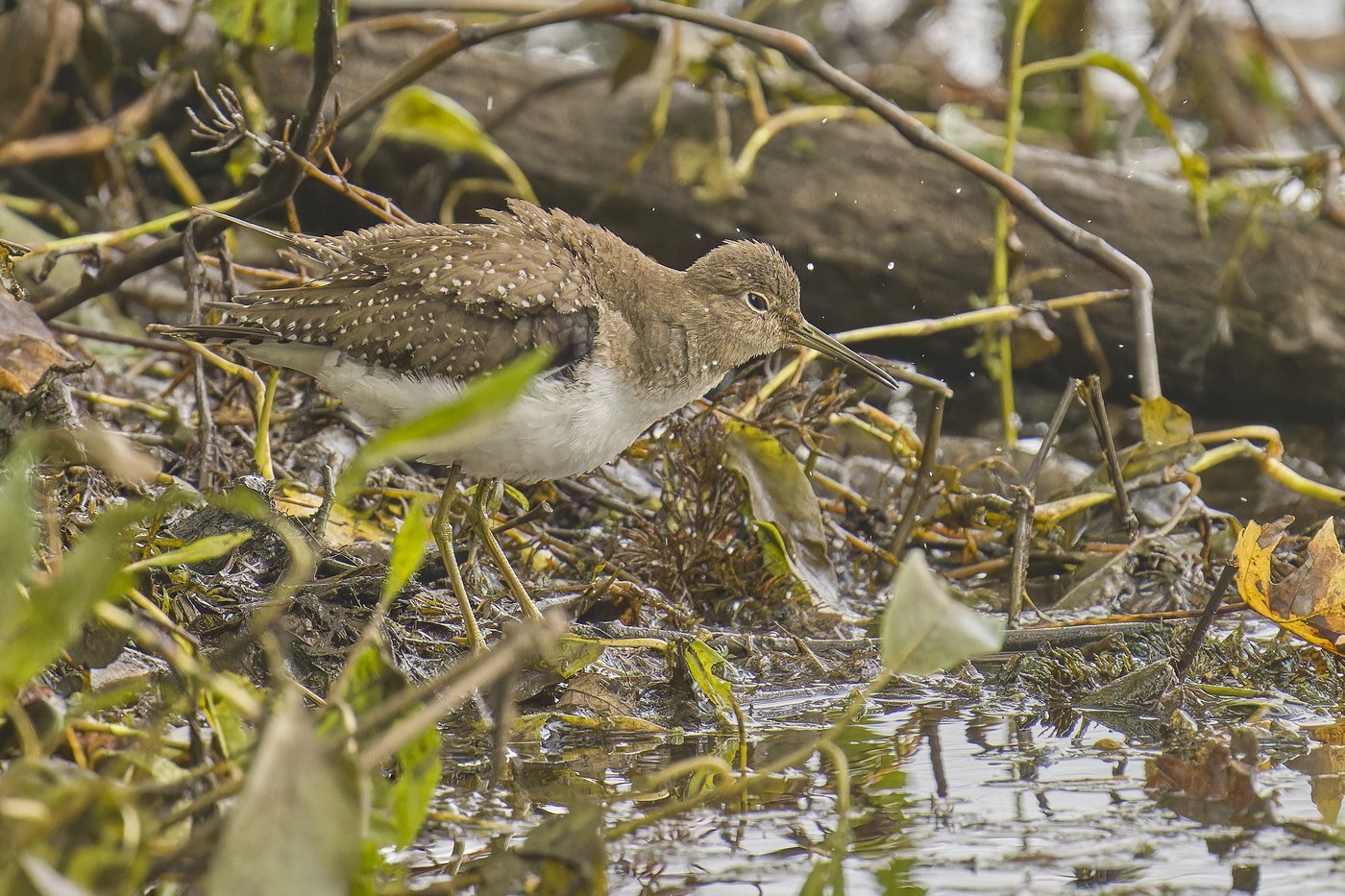
Solitary Sandpiper
Contour and flight feathers