

Masked Duck
Nomonyx dominicus
A small, secretive stiff-tailed duck; breeding males are rich cinnamon densely marked with black spots and a black facial mask, while females are duller brown with striped faces.
- Feather type
- Contour and stiff tail feathers
- Colours
- Cinnamon body with black spotting (male); buffy brown with facial stripes (female)
- Bird size
- Small duck, ~33 cm
Found a feather like this?
Identify any feather from a photo, free.
Overview
The Masked Duck is a small, secretive member of the stiff-tailed duck group, found in densely vegetated freshwater marshes from the southern United States (rarely) through the Caribbean and much of South America. Its skulking habits and preference for thick cover make it one of the least often observed waterfowl species across its range.
Identifying the Feather
Breeding male body feathers are a rich cinnamon-chestnut densely covered in small black spots and fine vermiculations, quite different from the plainer tones of most dabbling ducks in the region. The male's face and crown feathers form a solid black mask. The tail is composed of stiff, pointed feathers typical of stiff-tailed ducks, usually held cocked above the waterline. Females and non-breeding males are duller buffy brown overall, with two dark horizontal stripes across an otherwise pale face rather than a solid mask.
Plumage & Molt
Strong seasonal and sexual differences occur: breeding males show vivid cinnamon plumage with the black mask, while females and eclipse males are duller brown with the double facial stripe pattern. Eclipse males closely resemble females outside the breeding season.
Habitat & Range
Found in freshwater marshes with dense emergent vegetation across the southern United States (as a rare visitor), the Caribbean, and much of Central and South America. Rarely ventures into open water, staying close to heavy plant cover.
Behavior & Field Notes
Forages by diving and dabbling among dense aquatic vegetation for seeds and small invertebrates. Extremely secretive, rarely flushing into the open and often overlooked even where locally present. Gives low, guttural calls infrequently. Nests are well hidden within thick marsh vegetation.
Frequently asked questions
What makes the Masked Duck's feathers distinctive?
Breeding males show a dense pattern of small black spots on a rich cinnamon background, unlike the plainer plumage of most other regional dabbling ducks.
How do female Masked Duck feathers differ from males?
Females are duller buffy brown with two dark horizontal facial stripes rather than the male's solid black mask and cinnamon spotted body.
Why is the Masked Duck rarely seen?
It is highly secretive, staying within dense marsh vegetation and rarely venturing into open water where it would be easily observed.
Is the Masked Duck related to other stiff-tailed ducks?
Yes, it belongs to the same subfamily as other stiff-tailed ducks, sharing their characteristic stiff, pointed tail feathers.
Masked Duck guides
In-depth guides for identifying and understanding Masked Duck.

Other feathers you may enjoy

Mallard
Wing (speculum), body, and tail feathers

Spectacled Eider
Large sea-duck body feathers with distinctive eye-ring patches

Canada Goose
Body and flight feathers
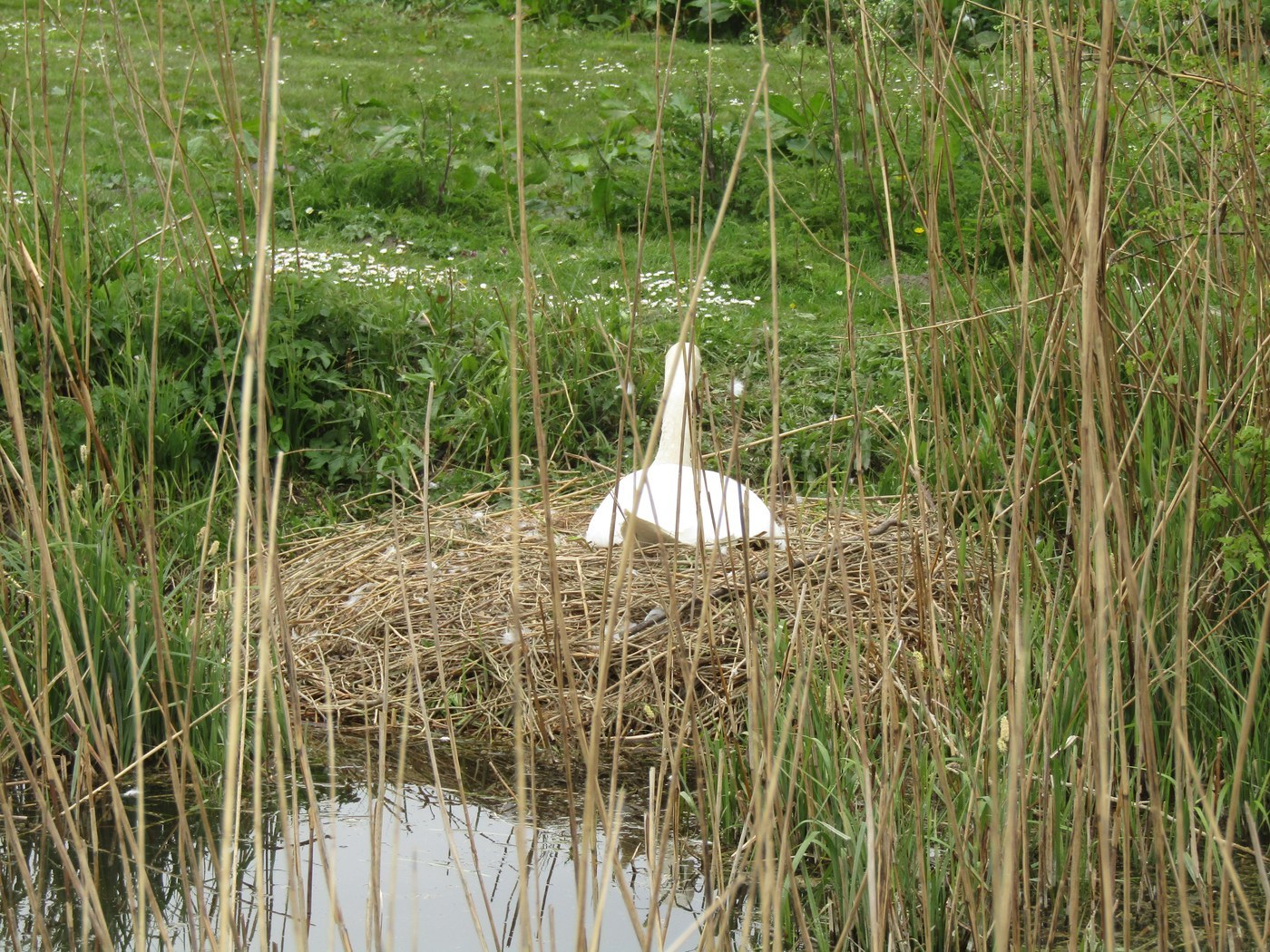
Mute Swan
Body (contour) and flight feathers

Wood Duck
Iridescent crest feathers; ornate scapular and flank feathers; white teardrop facial feathers (female)
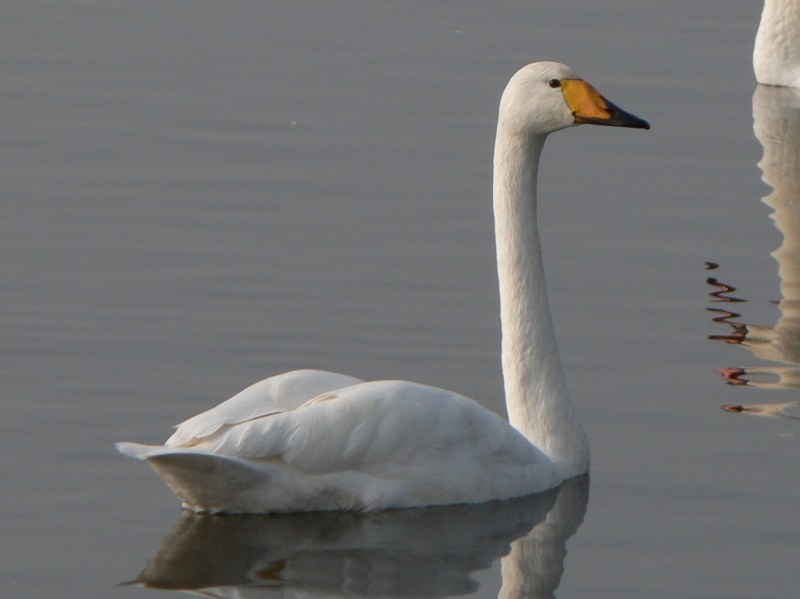
Whooper Swan
Contour and flight feathers

White-winged Scoter
Large sea-duck body feathers with a white wing patch

Ruddy Duck
Stiff tail feathers and compact body plumage

Ross's Goose
Contour and flight feathers

White-cheeked Pintail
Contour and elongated tail feathers

Torrent Duck
Dense, sleek contour feathers; stiff, pointed tail feathers used for bracing against rocks

Tundra Swan
Contour and flight feathers