

Marsh Sandpiper
Tringa stagnatilis
A delicate, needle-billed shorebird with very long thin legs, resembling a miniature greenshank in both shape and pale coloring.
- Feather type
- Contour and flight feathers
- Colours
- Pale gray-brown with white underparts
- Bird size
- Small to medium sandpiper, ~22-25 cm
Found a feather like this?
Identify any feather from a photo, free.
Overview
Overview
The Marsh Sandpiper is a delicate, elegant shorebird resembling a smaller, more slender version of the Common Greenshank. Its extremely long, thin, greenish-yellow legs and needle-fine straight bill give it a particularly graceful silhouette. Pale gray-brown upperparts and a white rump wedge complete a subtly patterned appearance well suited to open, shallow wetlands.
It breeds across the grasslands and steppes of Eurasia, migrating to winter across Africa, southern Asia, and Australasia.
Identifying the Feather
Feather Identification
- Upperparts: Pale gray-brown feathers with dark centers, giving a subtly streaked appearance, paler overall than the Common Greenshank.
- Rump: White wedge on the lower back and rump, similar to but slightly less extensive than that of the Greenshank.
- Underparts: Clean white with light streaking on the breast in breeding plumage, becoming plain white in winter.
- Bill: Extremely fine, straight, and needle-like, notably thinner than the slightly upturned bill of the Common Greenshank.
- Compared to similar species: Smaller overall size, a finer straight bill, and proportionally longer, thinner legs distinguish it from the larger, heavier-billed Common Greenshank.
Plumage & Molt
Plumage Notes
Breeding adults show darker centers to the upperpart feathers and light streaking on the breast; non-breeding birds are notably paler and plainer gray above with clean white underparts. Sexes look alike. Juveniles show buffy fringes on the back and wing covert feathers, a feature that fades through the first molt.
Habitat & Range
Habitat & Range
Marsh Sandpipers breed in open grassland and steppe wetlands across parts of eastern Europe and Central Asia, favoring shallow marshes and pools with sparse vegetation. They migrate widely to winter across sub-Saharan Africa, the Middle East, southern Asia, and Australasia, favoring shallow lakes, marshes, and flooded fields.
Behavior & Field Notes
Behavior & Field Notes
This species forages by wading in shallow water, picking and occasionally sweeping its fine bill through the water for small invertebrates. It often appears more delicate and buoyant in movement than the related Common Greenshank. Its call is a soft, clear "tew" or "chip," quieter and less far-carrying than the Greenshank's alarm call. Nesting occurs on the ground in open, sparsely vegetated wetland habitat.
Frequently asked questions
What color are Marsh Sandpiper feathers?
Pale gray-brown upperparts with dark feather centers, a white rump wedge, and clean white underparts.
How can I tell a Marsh Sandpiper from a Common Greenshank?
The Marsh Sandpiper is smaller and more delicate, with a finer, perfectly straight bill and longer, thinner legs relative to its body size.
Does the Marsh Sandpiper have a distinctive leg color?
Its legs are long, thin, and greenish-yellow, contributing to its especially graceful, leggy silhouette.
Where would I find a Marsh Sandpiper feather?
Around shallow marshes, lakes, and flooded fields across its wintering range in Africa, the Middle East, southern Asia, and Australasia, or breeding steppe wetlands in Eurasia.
Marsh Sandpiper guides
In-depth guides for identifying and understanding Marsh Sandpiper.

Other feathers you may enjoy
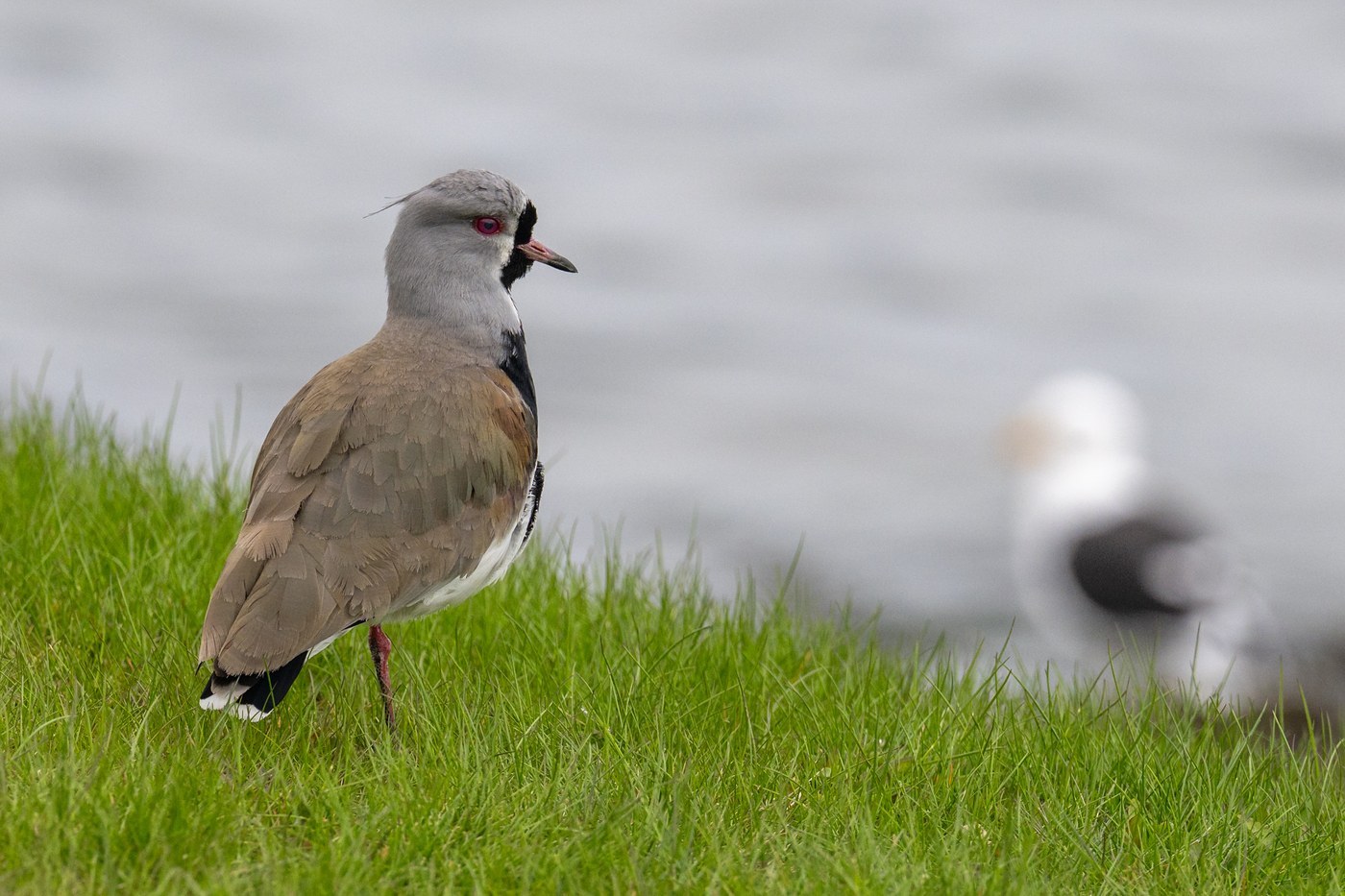
Southern Lapwing
Body, flight, and tail feathers

Jack Snipe
Body and flight feathers

Far Eastern Curlew
Body, flight, and tail feathers

Terek Sandpiper
Body and flight feathers

Wilson's Phalarope
Body and flight feathers
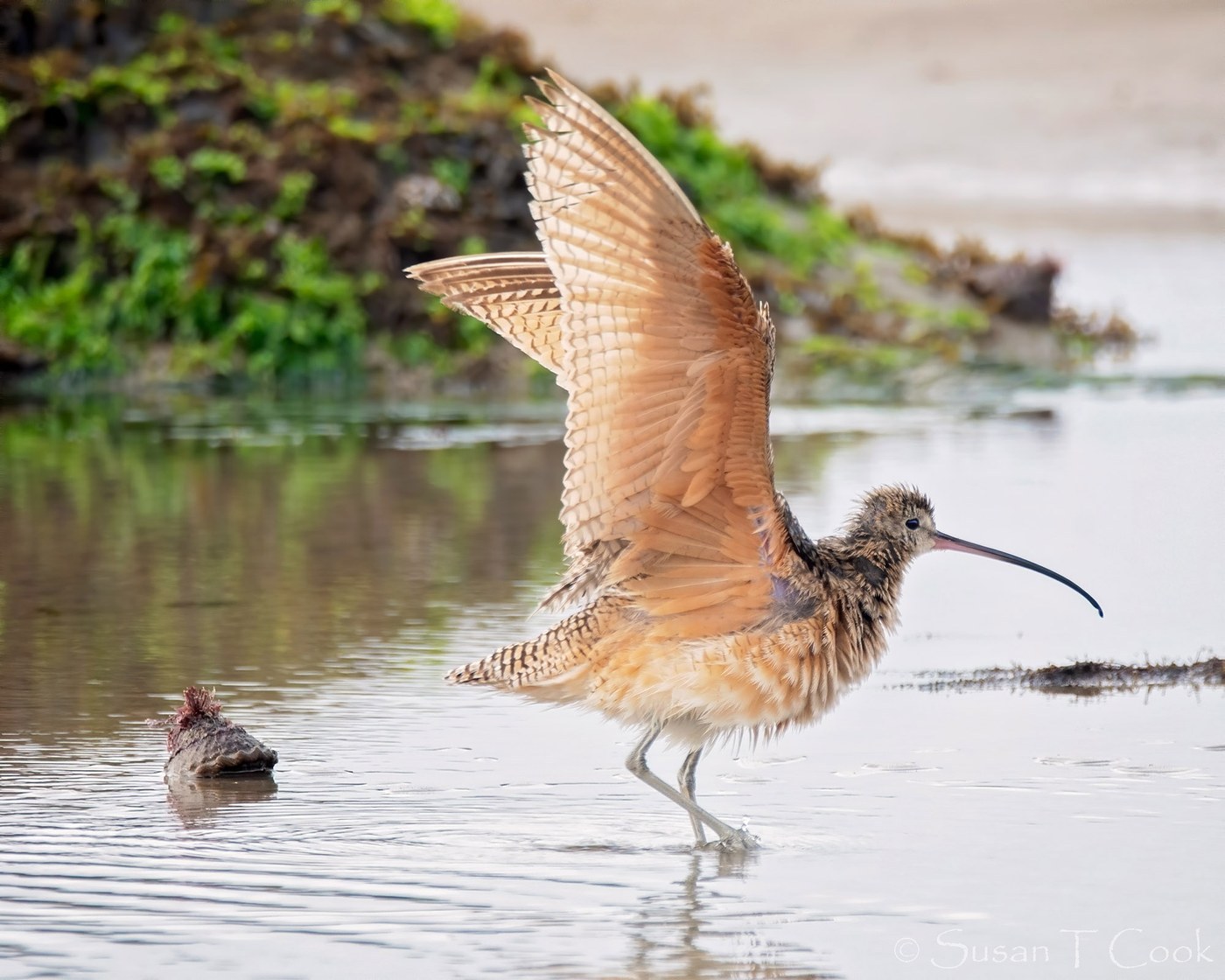
Long-billed Curlew
Body, flight, and tail feathers

Upland Sandpiper
Body, flight, and tail feathers

Red Phalarope
Body and flight feathers

Eurasian Dotterel
Body feathers
Masked Lapwing
Body, flight, and tail feathers
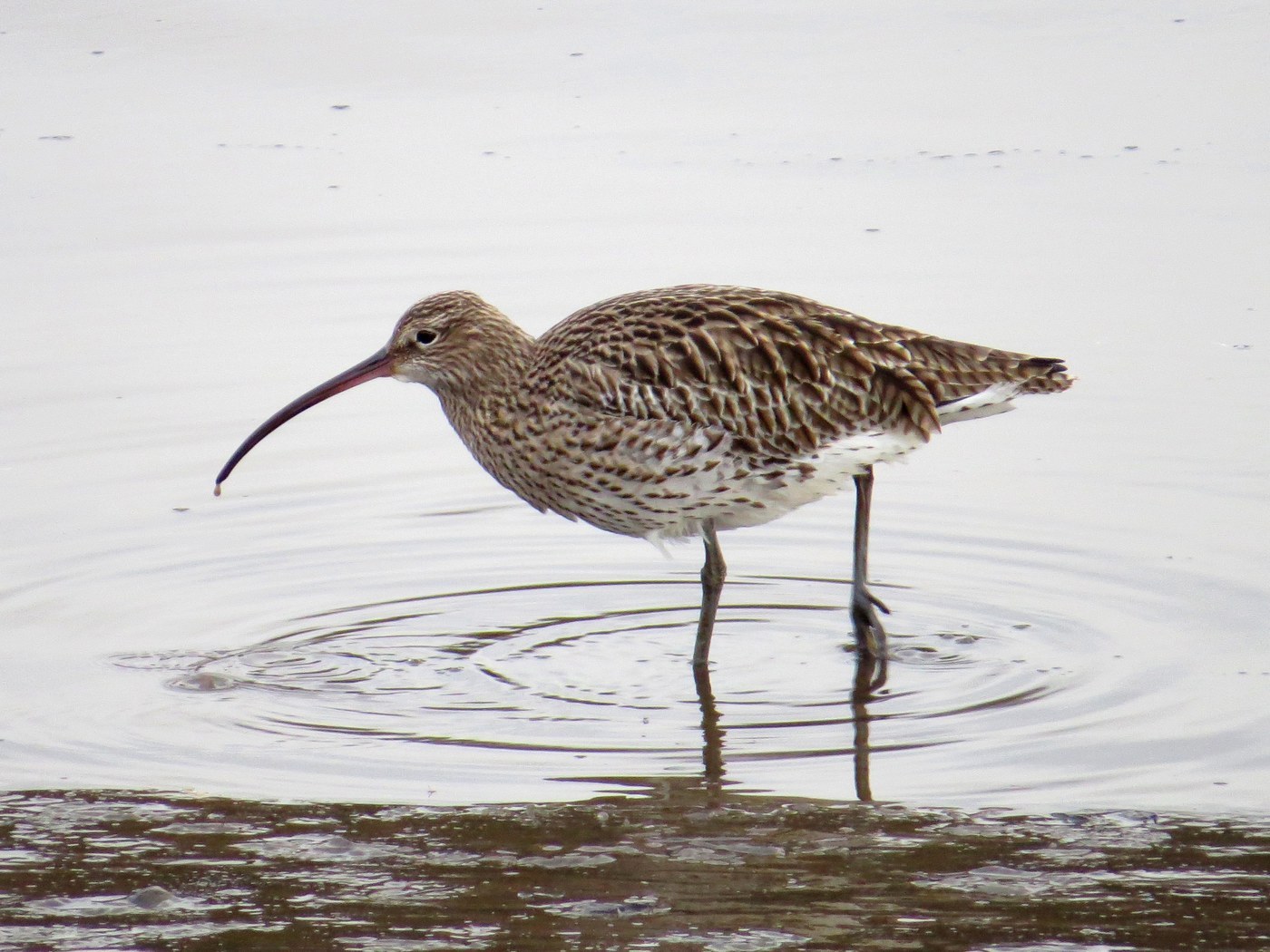
Eurasian Curlew
Body, flight, and tail feathers
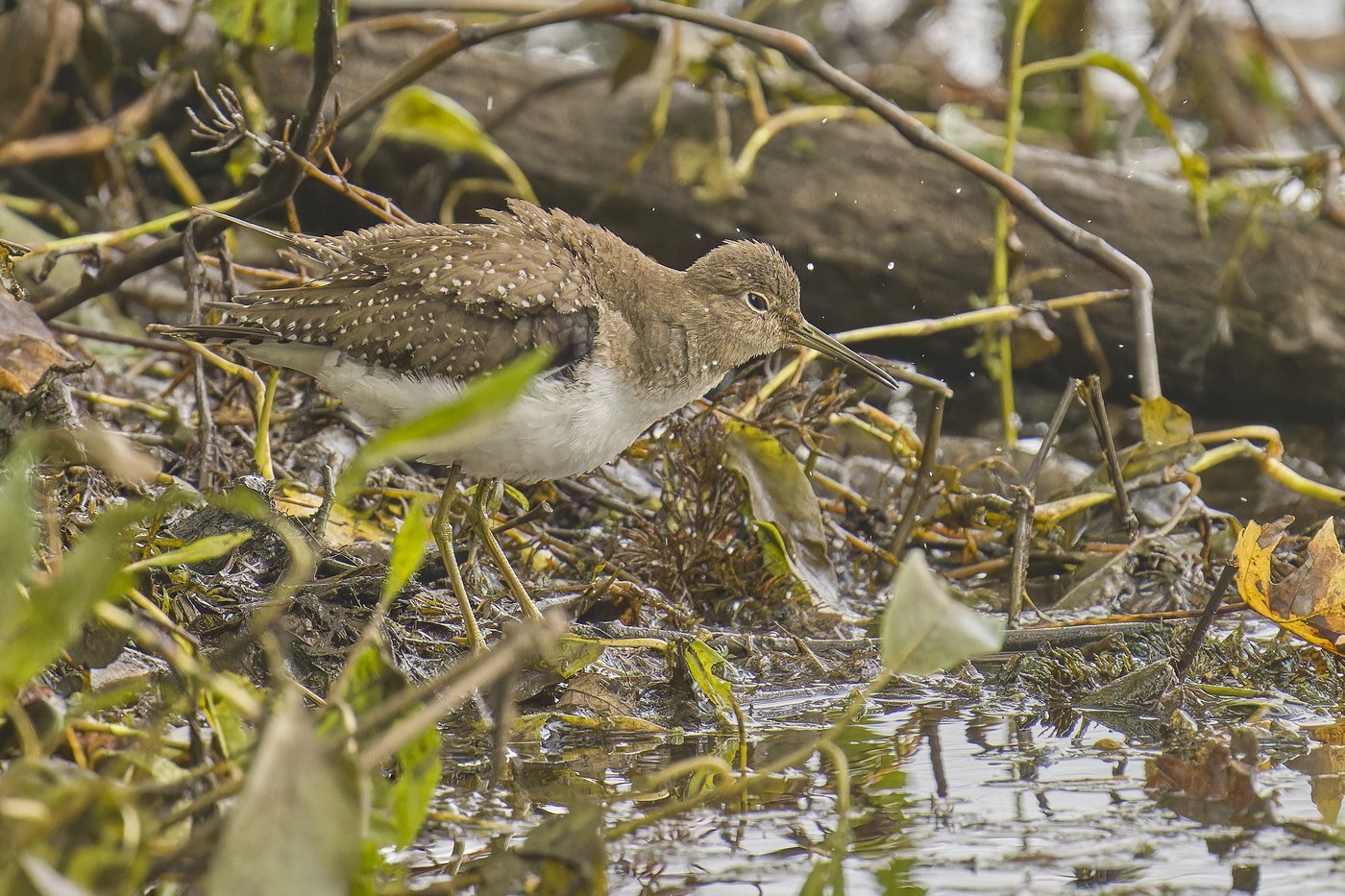
Solitary Sandpiper
Contour and flight feathers