

Little Stint
Calidris minuta
One of the smallest sandpipers, the Little Stint shows warm rufous-fringed feathers and pale mantle lines in breeding plumage, a delicate miniature counterpart to larger calidrids across Eurasia and Africa.
- Feather type
- Tiny wader contour and flight feathers
- Colours
- Rufous-fringed breeding upperparts with pale V-shaped mantle stripes; plain gray-brown nonbreeding
- Bird size
- Sparrow-sized, ~12-14 cm, among the smallest sandpipers
Found a feather like this?
Identify any feather from a photo, free.
Overview
Overview
The Little Stint is a diminutive Eurasian and African wader, among the smallest of the calidrid sandpipers. It breeds on Arctic tundra from northern Scandinavia across Siberia and migrates to winter on wetlands throughout Africa and southern Asia.
Feathers are tiny and delicate, most often found at shallow wetlands, lagoons, and coastal mudflats where small stints gather in mixed flocks.
Identifying the Feather
Feather Identification
- Size: notably small and delicate, among the smallest feather sets of any regularly encountered sandpiper.
- Breeding upperparts: rich rufous fringes on the back and scapular feathers, often forming pale V-shaped lines down the mantle.
- Nonbreeding feathers: plain gray-brown above with narrow pale fringes, and clean white below.
- Wing feathers: dark with a thin white wingbar.
- Versus other small stints: separating Little Stint from similar tiny species (such as Temminck's Stint) by feather alone is difficult, but Little Stint tends to show warmer rufous tones in breeding plumage and a more contrasting, patterned mantle.
Plumage & Molt
Plumage Notes
Breeding adults show warm rufous fringing across the upperparts, often forming distinct pale mantle V-lines, with a streaked rufous wash across the breast; sexes look alike. Nonbreeding adults are plain gray-brown above and white below, losing the rufous tones almost entirely.
Juveniles resemble breeding adults in warmth of color, showing crisp rufous-and-white scaling on the upperparts, but with a cleaner white breast lacking heavy streaking. Molt to nonbreeding plumage occurs mostly after migration to wintering areas.
Habitat & Range
Habitat & Range
Little Stints breed on Arctic tundra from far northern Scandinavia eastward across Siberia. They migrate widely across Europe, the Middle East, and Asia, wintering on coastal and inland wetlands throughout sub-Saharan Africa and parts of South Asia, and occur as a rare vagrant elsewhere.
Behavior & Field Notes
Behavior & Field Notes
Little Stints forage with quick, active pecking and shallow probing along the edges of mudflats and shallow pools, often moving in tight, fast-moving flocks. They readily associate with other small sandpipers at migratory stopovers.
Nests are shallow tundra scrapes. The flight call is a short, sharp "stit" note. Given their tiny size, feathers are correspondingly small and light, often found caught in low vegetation near shallow wetland edges.
Frequently asked questions
How small are Little Stint feathers?
Very small - among the smallest of any regularly encountered shorebird, matching the species' sparrow-like size.
What color are breeding-season Little Stint feathers?
Warm rufous fringes on the back and scapulars, often forming pale V-shaped lines down the mantle.
Can Little Stint feathers be told apart from Temminck's Stint feathers?
It is difficult by feather alone, but Little Stint tends to show warmer rufous tones and a more contrasting mantle pattern in breeding plumage.
Where are Little Stints found in winter?
Coastal and inland wetlands across sub-Saharan Africa and parts of South Asia.
Do juveniles look similar to breeding adults?
Yes, juveniles show similarly warm rufous-and-white scaling on the upperparts, though with a cleaner, less streaked breast.
Little Stint guides
In-depth guides for identifying and understanding Little Stint.

Other feathers you may enjoy
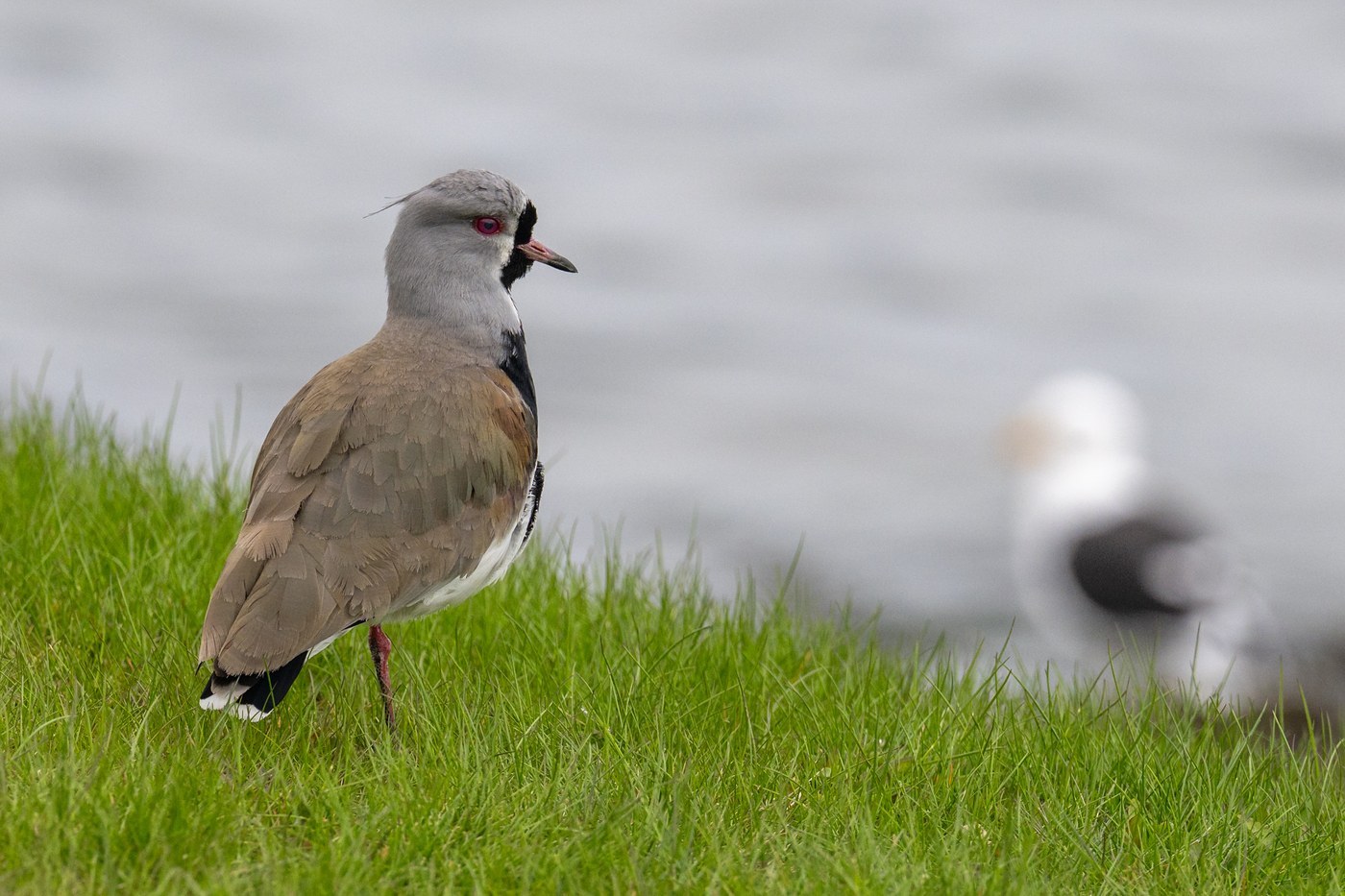
Southern Lapwing
Body, flight, and tail feathers

Jack Snipe
Body and flight feathers

Far Eastern Curlew
Body, flight, and tail feathers

Terek Sandpiper
Body and flight feathers

Wilson's Phalarope
Body and flight feathers
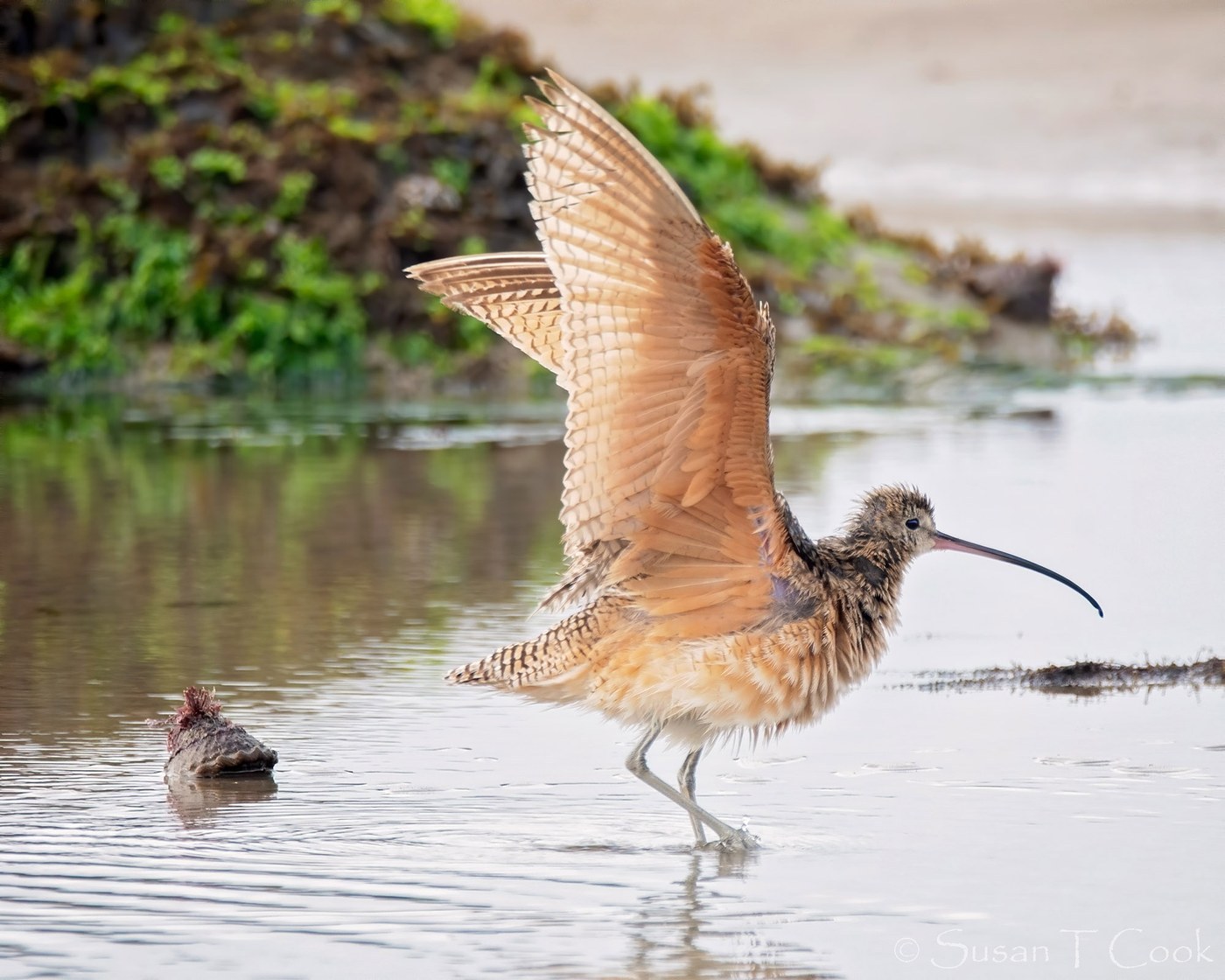
Long-billed Curlew
Body, flight, and tail feathers

Upland Sandpiper
Body, flight, and tail feathers

Red Phalarope
Body and flight feathers

Eurasian Dotterel
Body feathers
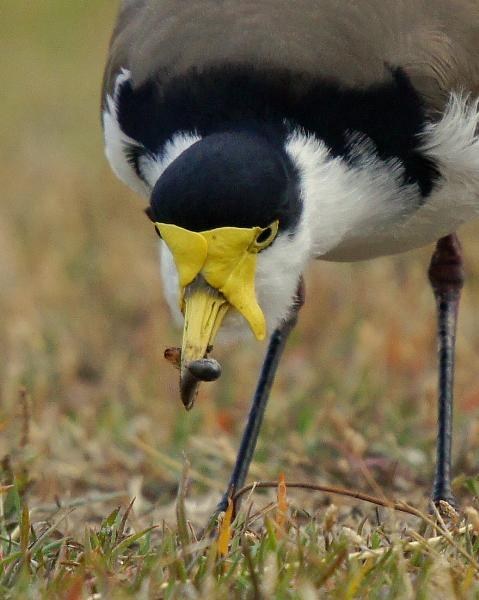
Masked Lapwing
Body, flight, and tail feathers
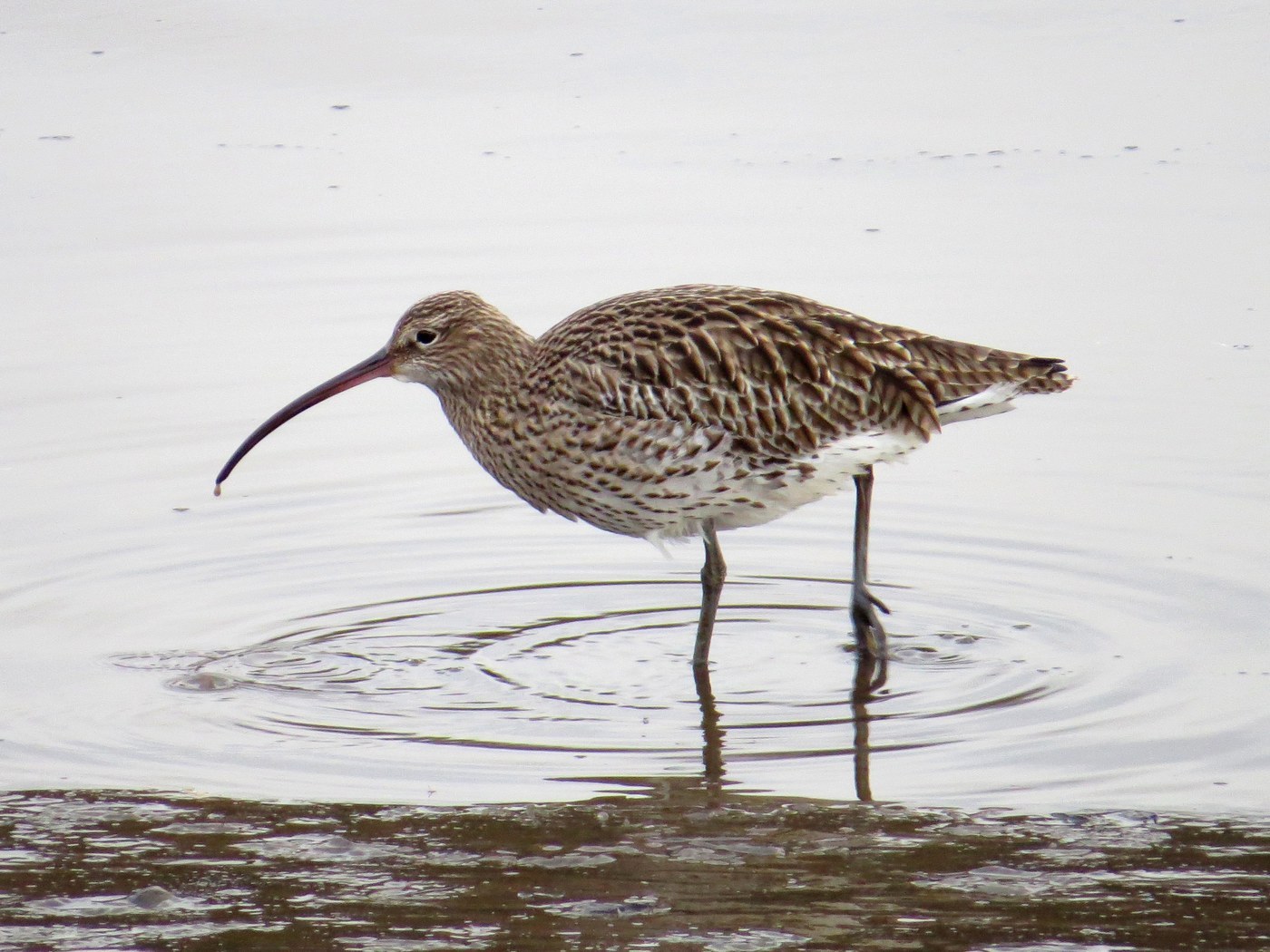
Eurasian Curlew
Body, flight, and tail feathers
Solitary Sandpiper
Contour and flight feathers