
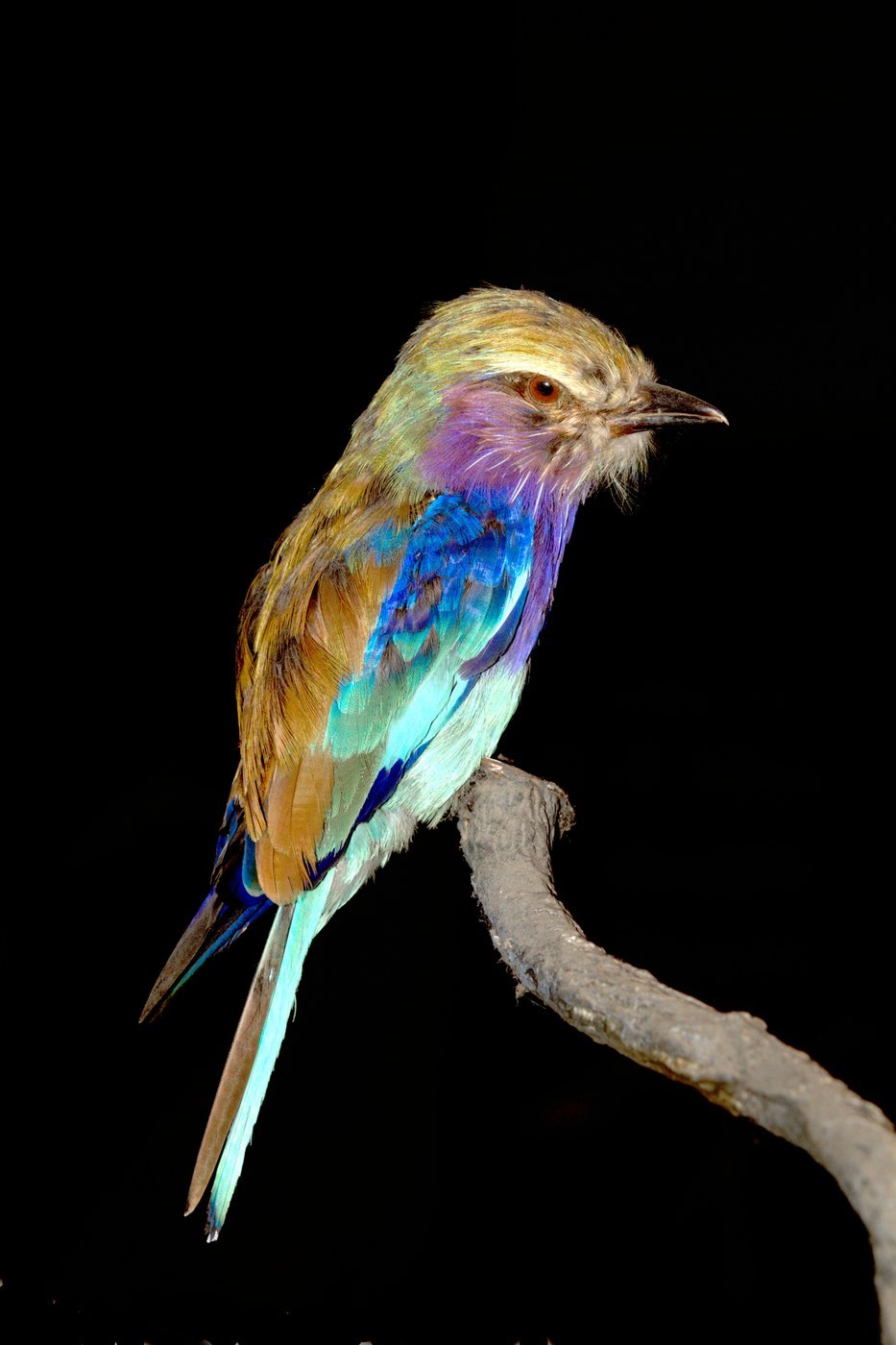
Lilac-breasted Roller
Coracias caudatus
One of Africa's most colorful birds, with a lilac breast, turquoise belly, and long tail streamers, often perched conspicuously on bare branches.
- Feather type
- Broad contour feathers; elongated outer tail streamers
- Colours
- Lilac breast, turquoise belly, green crown, chestnut-brown back
- Bird size
- Robin-to-jay-sized, ~36-40 cm including tail streamers
Found a feather like this?
Identify any feather from a photo, free.
Overview
Overview
The Lilac-breasted Roller is among the most vividly multicolored birds in eastern and southern Africa, favoring open savanna where it perches prominently while hunting. Its combination of colors makes it a highlight for birdwatchers across its range.
- Widely regarded as one of Africa's most colorful birds
- National bird symbol in parts of its range
- Named for its distinctive lilac breast patch
Identifying the Feather
Feather Identification
Lilac-breasted Roller feathers show an intricate multicolor pattern.
- Breast: soft lilac-pink feathers, giving the species its name
- Belly and underwing: bright turquoise-blue
- Crown: pale green
- Back: chestnut-brown
- Tail: blue-green with elongated, ribbon-like outer streamers
The lilac breast patch combined with the elongated tail streamers make this species unmistakable among African rollers.
Plumage & Molt
Plumage Details
Sexes look alike, both showing the full multicolor pattern. Juveniles are duller, lacking the elongated tail streamers and showing more muted lilac and turquoise tones. A single annual molt maintains the vivid plumage, with feather wear slightly dulling colors before replacement.
Habitat & Range
Habitat & Range
Found across eastern and southern Africa in savanna, open woodland, and bushveld with scattered trees for perching. It is largely resident, though some populations show local seasonal movements linked to rainfall and prey availability.
Behavior & Field Notes
Behavior & Field Notes
This roller hunts from a prominent perch, dropping to the ground to catch insects, small reptiles, and other invertebrates. Its courtship display includes rolling, diving flight maneuvers similar to other rollers. It nests in tree cavities. Its call is a harsh, croaking series of notes given from a perch or in flight. The lilac breast, turquoise belly, and long tail streamers make it one of the easiest African birds to identify at a glance.
Frequently asked questions
What gives the Lilac-breasted Roller its name?
A distinctive soft lilac-pink patch across the breast, contrasting with its turquoise belly and chestnut back.
Where is this species commonly found?
Across savanna and open woodland in eastern and southern Africa, often perched on exposed branches.
Does the Lilac-breasted Roller perform aerial displays?
Yes, like other rollers it performs tumbling, diving courtship flights, which give the roller family its name.
How does it hunt for food?
It watches from a prominent perch and drops to the ground to catch insects, reptiles, and other small prey.
Lilac-breasted Roller guides
In-depth guides for identifying and understanding Lilac-breasted Roller.
Other feathers you may enjoy

Common Cuckoo
Flight and body feathers
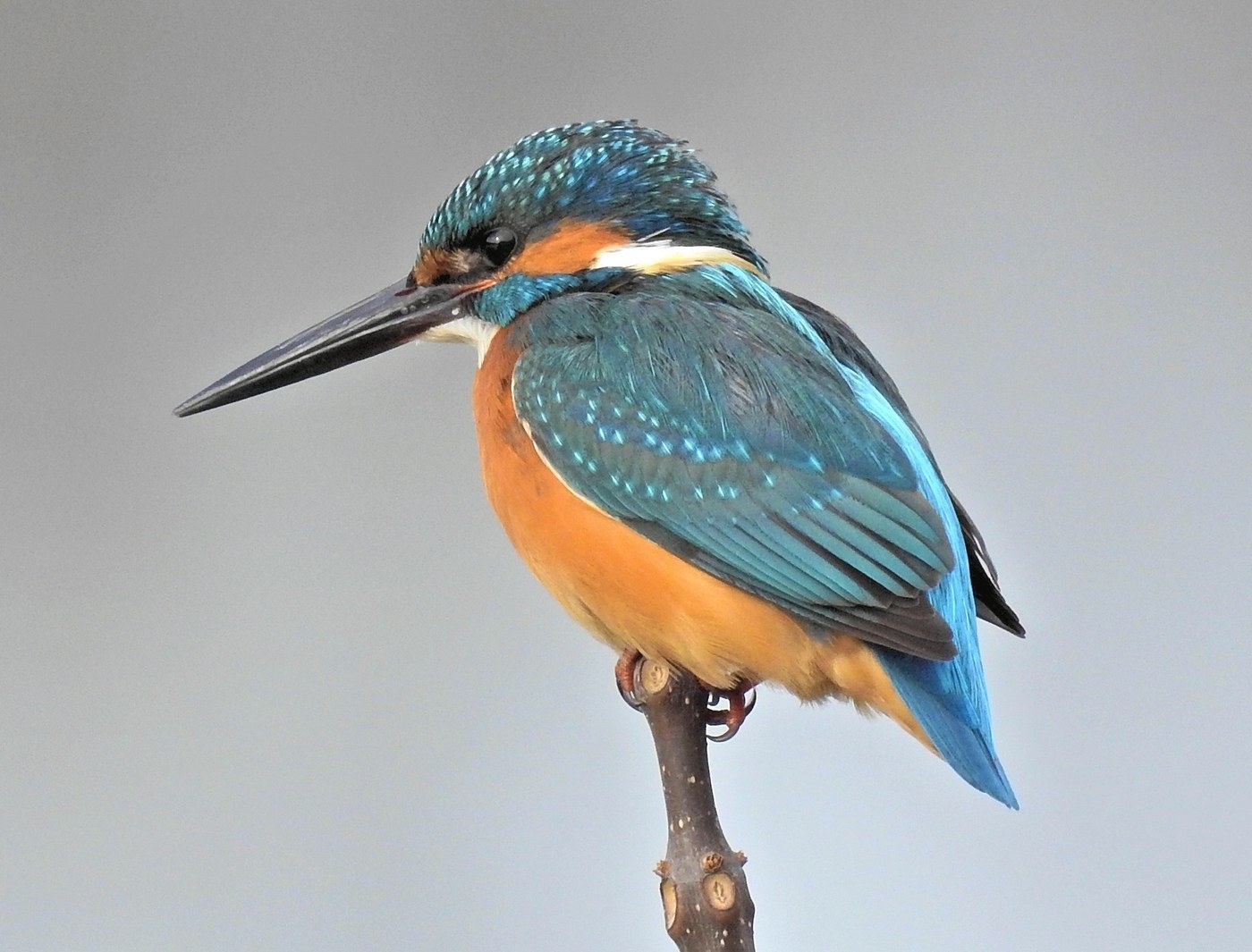
Common Kingfisher
Body (contour) and wing feathers
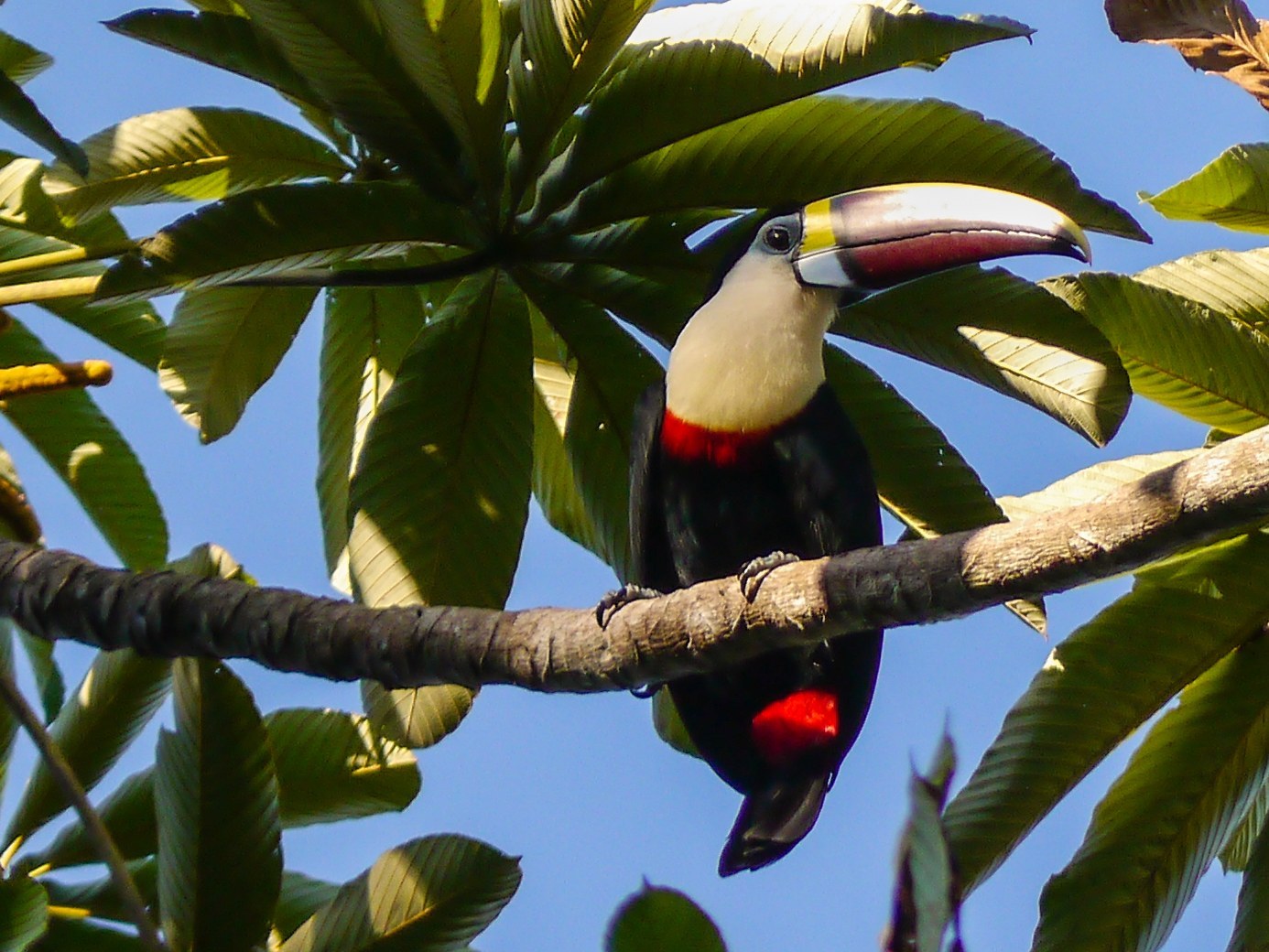
White-throated Toucan
Short rounded contour feathers, short broad wings

White-throated Kingfisher
Dense contour feathers; broad rounded wings

White-throated Bee-eater
Sleek, aerodynamic contour feathers; elongated central tail streamers
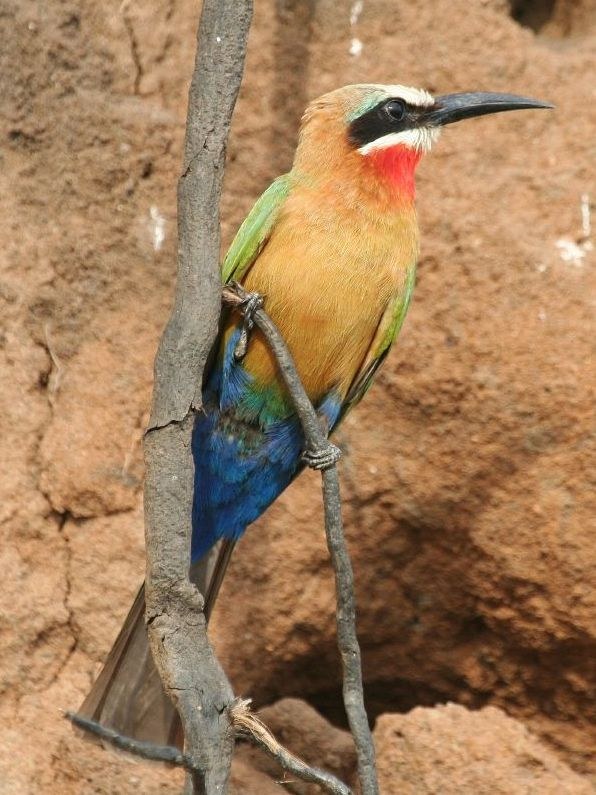
White-fronted Bee-eater
Sleek contour feathers; short tail with slight point

Southern Yellow-billed Hornbill
Slender contour feathers, moderate flight feathers
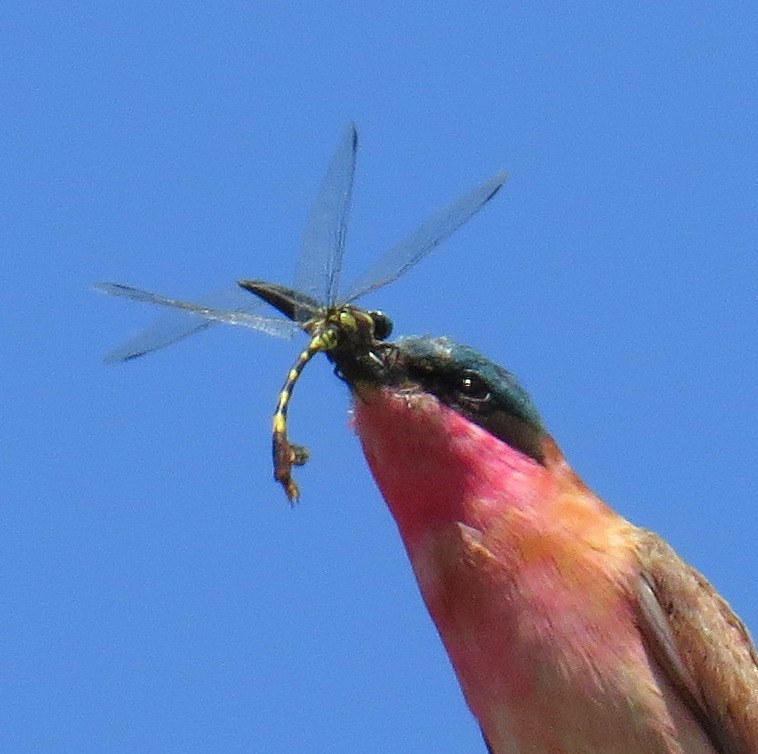
Southern Carmine Bee-eater
Sleek, pointed contour feathers; elongated central tail streamers
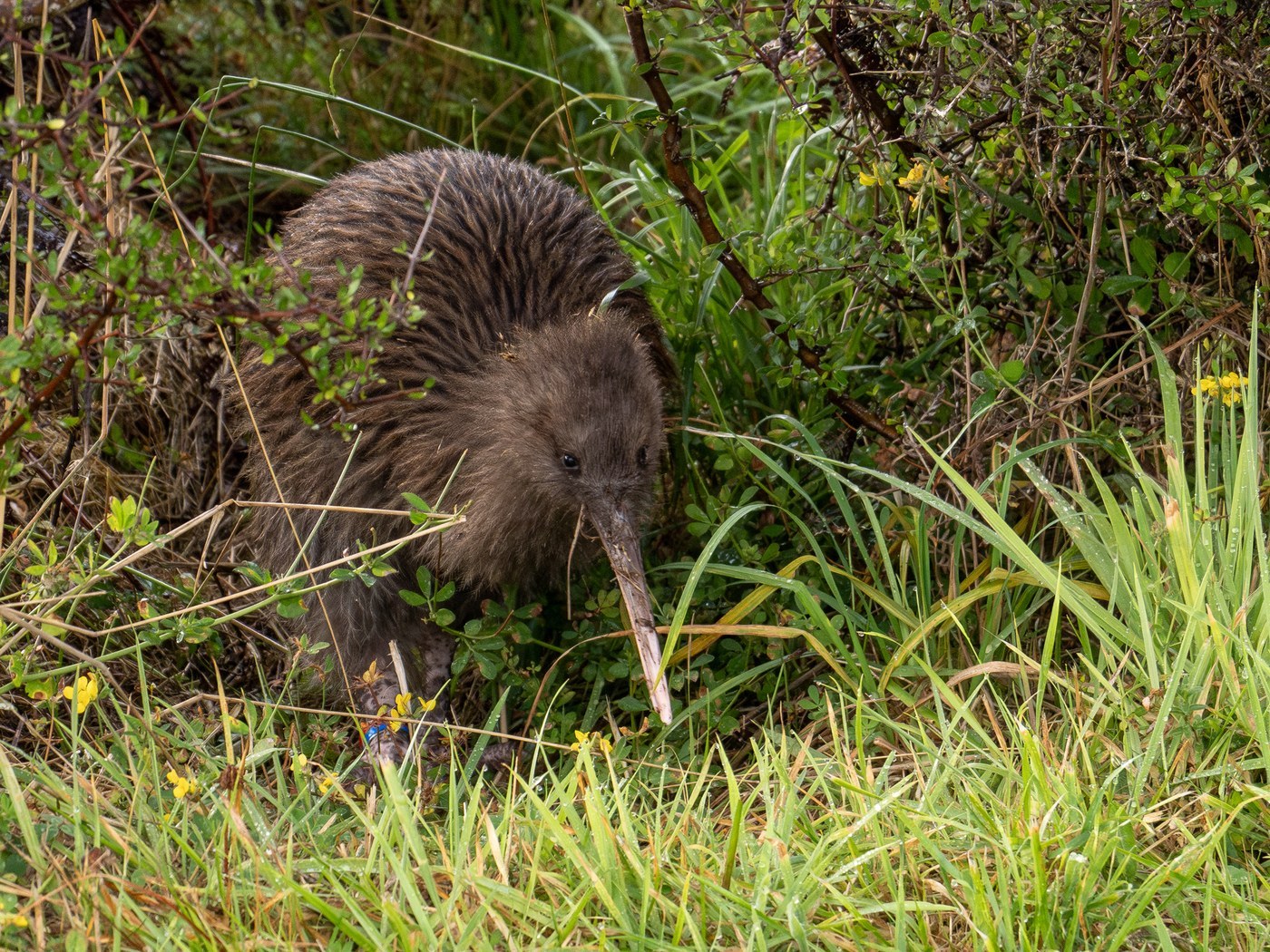
Southern Brown Kiwi
Shaggy, hair-like plumage with loose barbs lacking barbules; flightless, vestigial wings hidden beneath body feathers

Somali Ostrich
Loose, soft plumes lacking interlocking barbules

Wreathed Hornbill
Dense contour feathers, broad flight feathers

Woodland Kingfisher
Firm contour feathers; broad wing feathers