
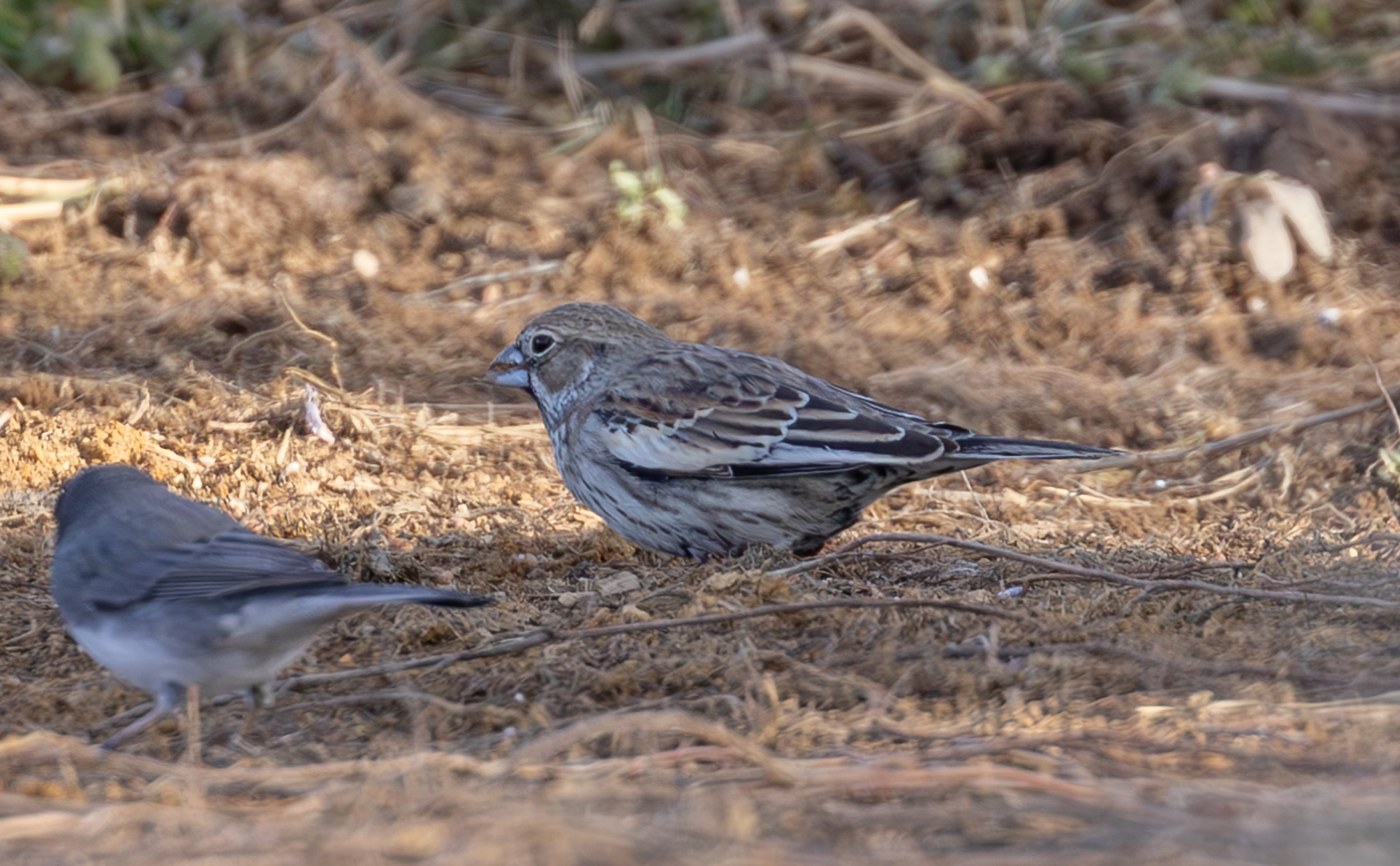
Lark Bunting
Calamospiza melanocorys
A North American prairie songbird whose breeding males turn nearly all black with a bold white wing patch, a striking contrast to the streaky brown females.
- Feather type
- Contrasting black body feathers with bold white wing patch
- Colours
- Black and white (breeding male); streaky brown (female/nonbreeding)
- Bird size
- Sparrow-sized, ~15-18 cm
Found a feather like this?
Identify any feather from a photo, free.
Overview
Overview
The Lark Bunting breeds across the shortgrass and mixed-grass prairies of the central United States and southern Canada, wintering in the southwestern United States and Mexico. It is the state bird of Colorado and known for its dramatic seasonal plumage change in males.
Large flocks can form outside the breeding season, moving together across open grassland.
Identifying the Feather
Feather Identification
- Breeding male body: nearly solid black, including head, back, and underparts.
- Wing patch: bold white patch on the wing coverts, highly visible in flight and at rest.
- Bill: heavy, conical, pale-based, typical of a seed-eating songbird.
- Female and nonbreeding male: streaky brown overall, sparrow-like, but retaining a hint of white in the wing.
The combination of black body and white wing patch is unmistakable on breeding males; nonbreeding and female birds are best told from sparrows by the heavy bill and retained pale wing markings.
Plumage & Molt
Plumage Notes
Breeding males undergo a striking transformation into nearly solid black plumage with the bold white wing patch, among the most dramatic seasonal changes of any North American songbird. After breeding, males molt into a streaky brown plumage resembling females, though usually retaining more white in the wing.
Females remain streaky brown year-round, with buffy tones and dark streaking above and below, and a smaller, less bright wing patch than breeding males.
Habitat & Range
Habitat & Range
The species breeds across shortgrass and mixed-grass prairie of the central Great Plains, from southern Canada through the central United States. It winters in grassland and desert scrub of the southwestern United States and Mexico.
Outside the breeding season, Lark Buntings often gather in large, tightly coordinated flocks that move across open country in search of seeds.
Behavior & Field Notes
Behavior & Field Notes
Lark Buntings forage on the ground for seeds and insects, often in flocks outside the breeding season. Breeding males perform a distinctive display flight, singing while fluttering upward and gliding down on stiffened wings.
The nest is a grass cup placed on the ground, often at the base of a shrub. The song is a varied, musical series of trills and buzzes. Breeding males are unmistakable, while brownish birds should be checked for the heavy bill and any remaining white wing markings.
Frequently asked questions
How can I identify a breeding male Lark Bunting?
Breeding males are nearly solid black with a bold white wing patch, a combination unique among North American grassland songbirds.
What does a female Lark Bunting look like?
Females are streaky brown and sparrow-like, but usually retain a hint of white in the wing and have a notably heavy, conical bill.
Where does this species breed?
It breeds across shortgrass and mixed-grass prairie of the central Great Plains, from southern Canada through the central United States.
Does the Lark Bunting form flocks?
Yes, outside the breeding season it often gathers in large flocks that move together across open grassland and desert scrub.
Lark Bunting guides
In-depth guides for identifying and understanding Lark Bunting.
Other feathers you may enjoy

Yellow-breasted Bunting
Contour and flight feathers, chestnut-and-yellow breeding pattern
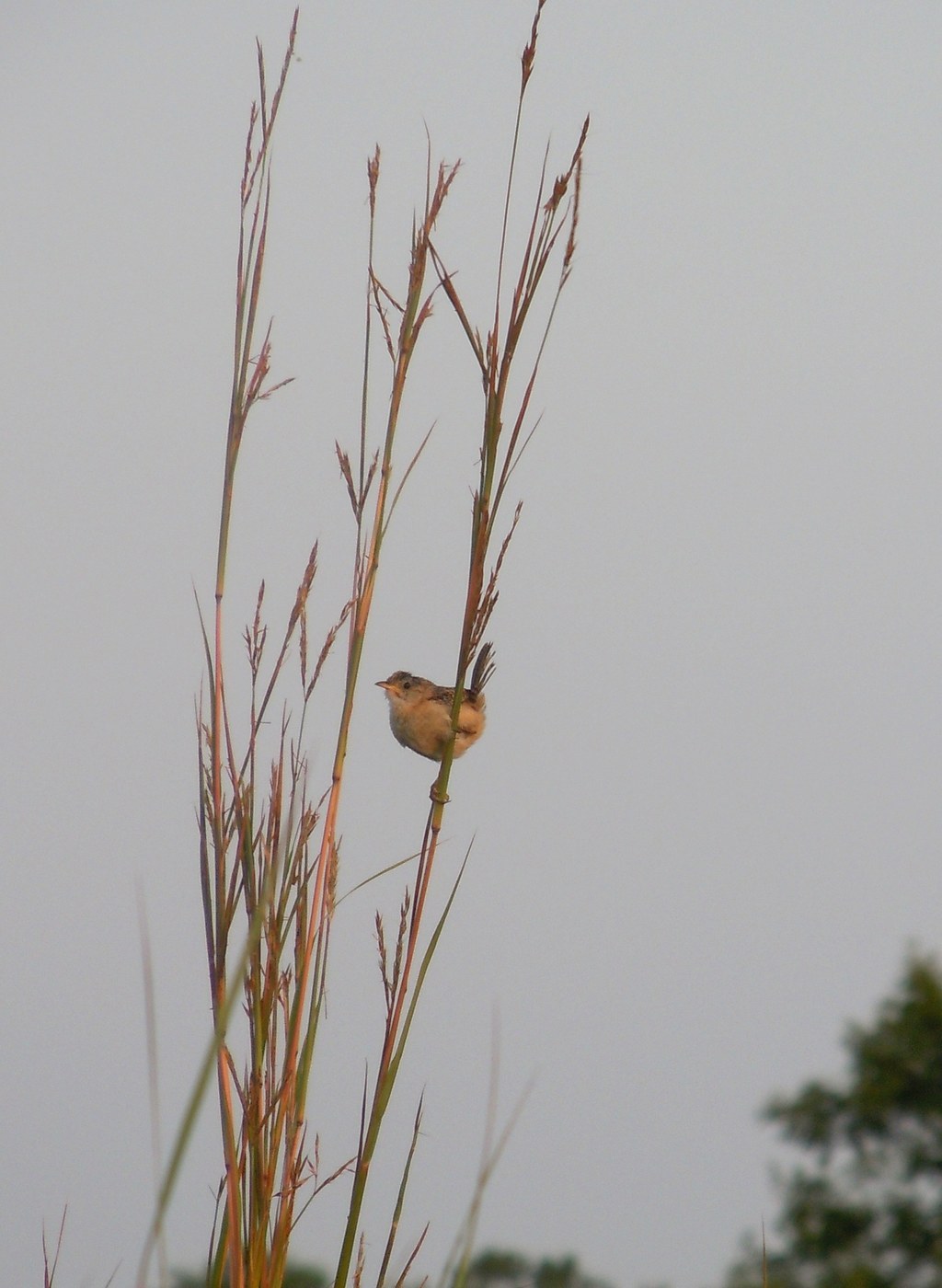
Sedge Wren
Tiny streaked crown and back feathers

Yellow-winged Cacique
Glossy black body feathers, yellow wing patch, shaggy crest

Yellow Warbler
Small contour and flight feathers
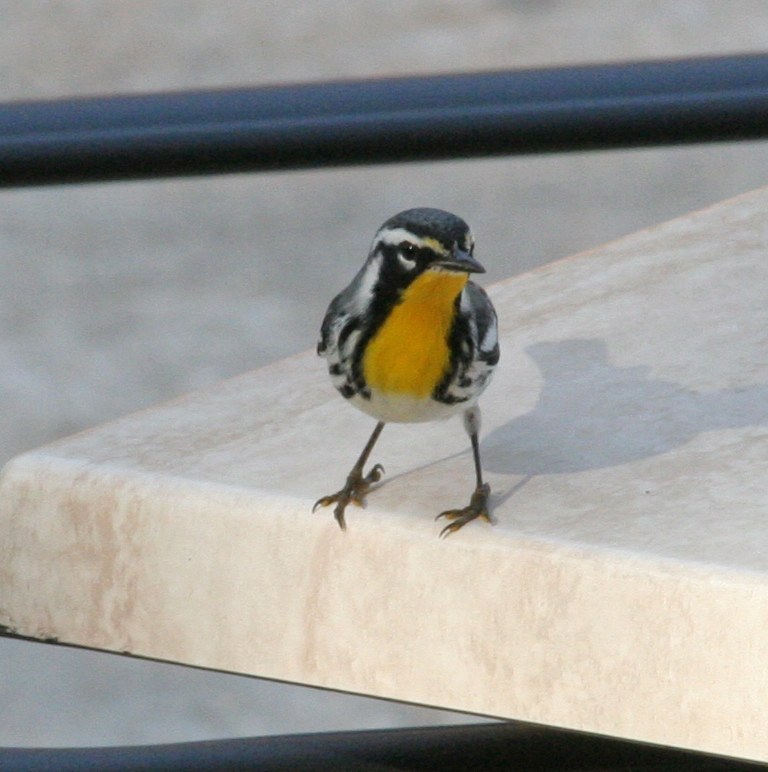
Yellow-throated Warbler
Small contour and flight feathers
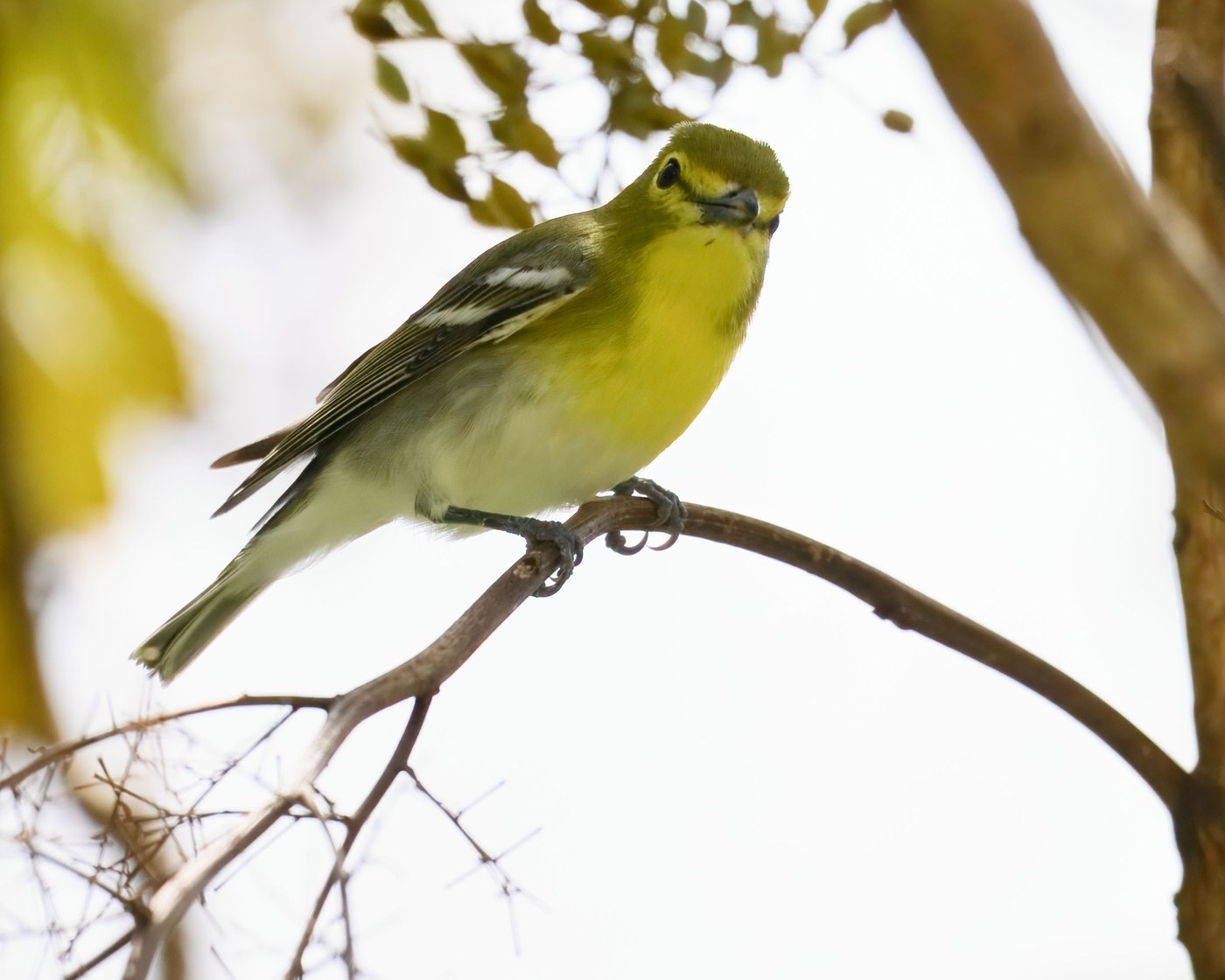
Yellow-throated Vireo
Bright yellow throat and spectacle feathers; olive-green back feathers; two white wing-bar feathers

Yellow-rumped Warbler
Small contour and flight feathers
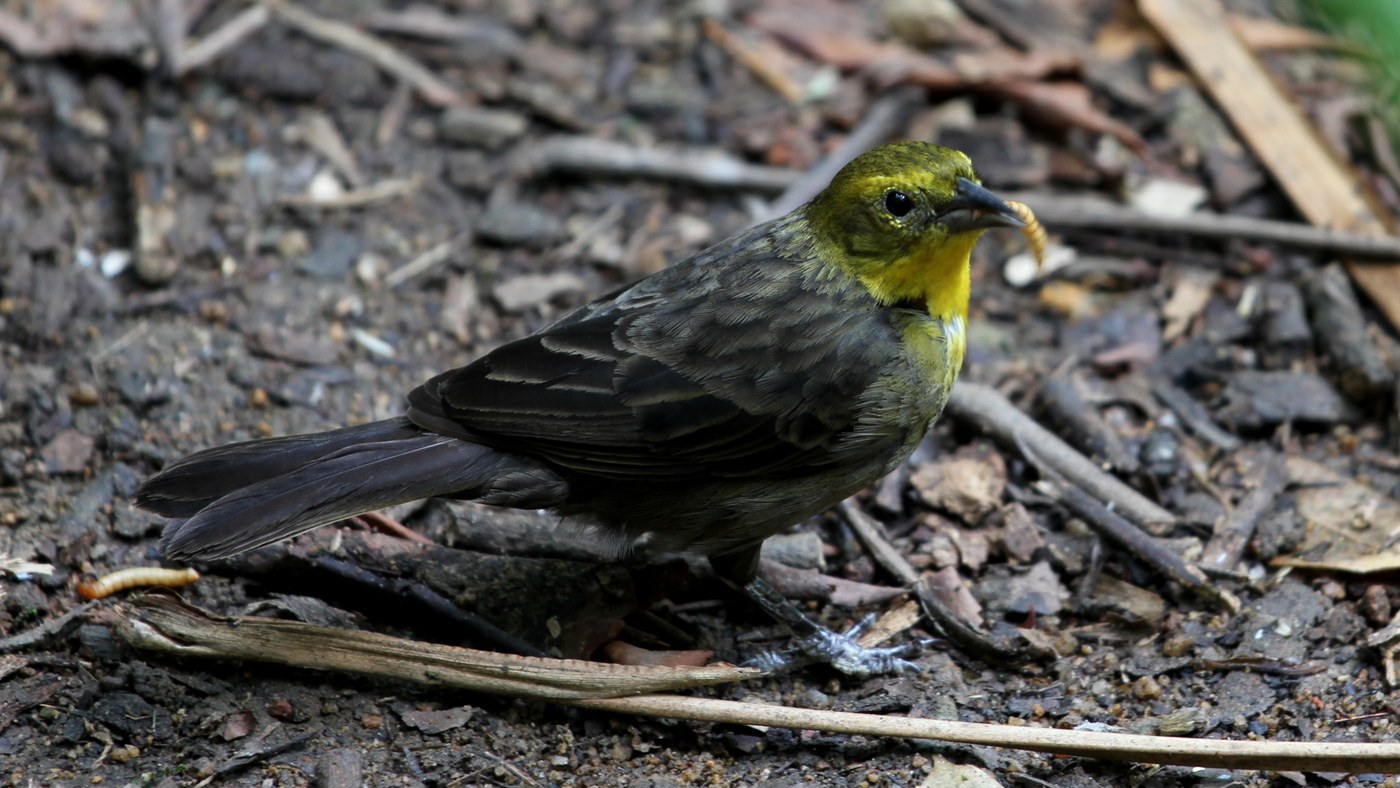
Yellow-hooded Blackbird
Contrasting hood and body feathers
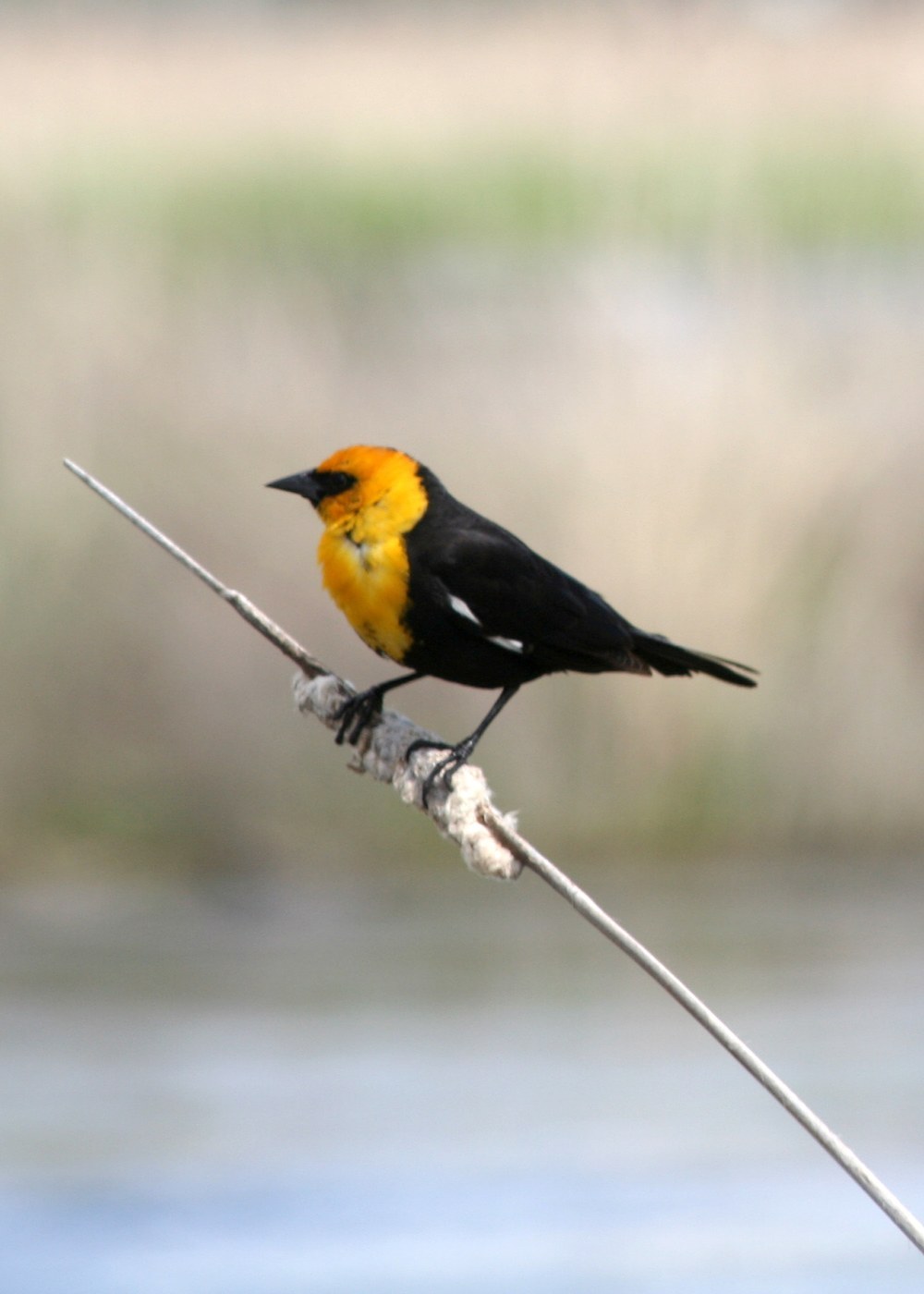
Yellow-headed Blackbird
Glossy black body plumage with a bright yellow head and breast

Yellow-eyed Junco
Contour and flight feathers

Yellow-fronted Canary
Small, smooth body plumage

Yellow-breasted Greenfinch
Compact, smooth body plumage