

Hairy Woodpecker
Dryobates villosus
A larger look-alike of the Downy Woodpecker, distinguished by its longer bill and plain, unspotted white outer tail feathers.
- Feather type
- Black-and-white barred flight feathers similar to the Downy Woodpecker but larger, with plain unspotted white outer tail feathers
- Colours
- Black-and-white checkered wings, white back stripe, white underside, with a small red nape patch in males
- Bird size
- Medium woodpecker, ~23-26 cm, with a chisel-like bill nearly as long as its head
Found a feather like this?
Identify any feather from a photo, free.
Overview
The Hairy Woodpecker closely resembles the smaller Downy Woodpecker in overall pattern but is noticeably larger, with a proportionally longer, more powerful bill nearly the length of its head. It favors more mature forest with larger trees than the Downy typically uses.
Both species share the same basic black-and-white plumage scheme, which can make them easy to confuse from a distance, but their feathers differ in size and a key tail detail.
Hairy Woodpecker feathers are best distinguished from Downy Woodpecker feathers by their larger size and by outer tail feathers that are plain white without the black spotting seen in the Downy.
Identifying the Feather
Size and Shape
Larger and more robust flight and tail feathers than the similarly patterned Downy Woodpecker, matching its longer bill and larger body.
Color and Pattern
- Wing feathers are checkered black and white, similar in pattern to the Downy Woodpecker.
- A white stripe runs down the center of the back.
- Outer tail feathers are plain white, without spotting or barring, the key diagnostic difference from the Downy Woodpecker.
- Males show a small red nape patch; females lack red.
Comparisons
The unspotted white outer tail feathers are the single best feather-level distinction from the Downy Woodpecker, whose outer tail feathers show black spots. Overall larger feather size supports this identification.
Plumage & Molt
Males show a small red patch on the nape; females lack red entirely. Juveniles may show some red on the crown before molting into adult plumage. One complete annual molt occurs after breeding.
Habitat & Range
Hairy Woodpeckers are resident year-round across most of North America, favoring mature forests and larger woodlots more than the Downy Woodpecker, which tolerates smaller trees and more open settings.
Behavior & Field Notes
Hairy Woodpeckers forage by drilling deeper into bark and wood than Downy Woodpeckers, targeting larger insect larvae. Their call is a loud, sharp "peek," louder and more emphatic than the Downy's. They excavate nest cavities in dead wood. A larger black-and-white checkered feather with plain, unspotted white outer tail feathers is a good match for this species.
Frequently asked questions
What is the best feather clue to separate Hairy from Downy Woodpecker?
Plain, unspotted white outer tail feathers indicate Hairy Woodpecker, while spotted outer tail feathers indicate Downy Woodpecker.
Are Hairy Woodpecker feathers noticeably larger than Downy Woodpecker feathers?
Yes, matching the Hairy Woodpecker's larger body size and longer bill.
Do female Hairy Woodpecker feathers show any red?
No, only males show a small red nape patch; female feathers are entirely black and white.
What habitat is most likely to yield a Hairy Woodpecker feather?
Mature forest and larger woodlots, as this species favors bigger trees than the Downy Woodpecker.
Hairy Woodpecker guides
In-depth guides for identifying and understanding Hairy Woodpecker.

Hairy Woodpecker identified by the community
Real feathers identified with Feather Identifier.


Other feathers you may enjoy

Ivory-billed Woodpecker
Very large flight feathers with a solid white trailing patch

Great Slaty Woodpecker
Massive, uniformly colored contour feathers

Yellow-tufted Woodpecker
Black body feathers with bright yellow forehead tufts

Magellanic Woodpecker
Very large, glossy contour feathers with a recurved crest

Yellow-bellied Sapsucker
Black-and-white patterned back and facial-stripe feathers
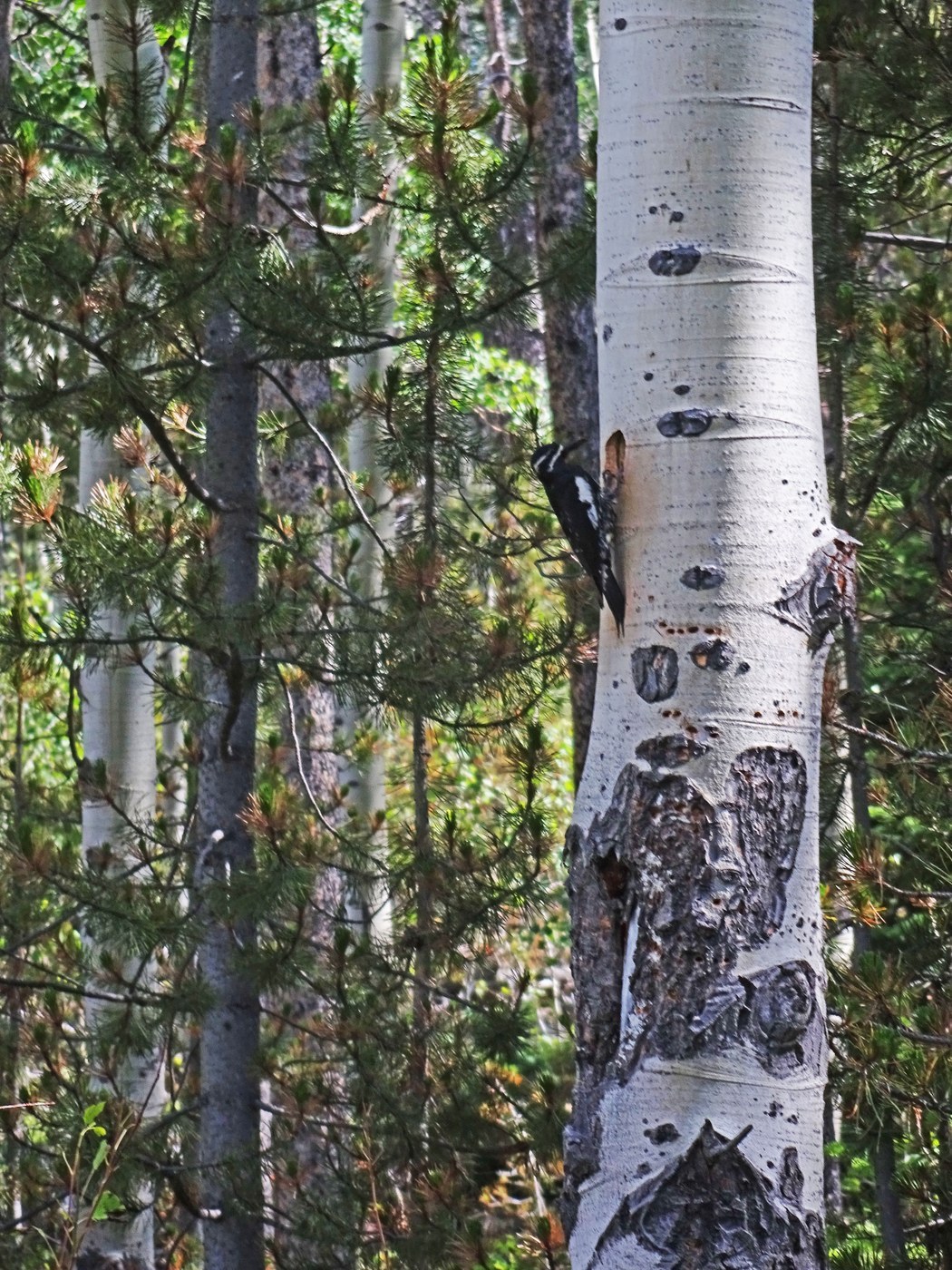
Williamson's Sapsucker
Strongly sexually dimorphic body feathers, glossy black or finely barred brown

Yellow-crowned Woodpecker
Contour and flight feathers

White Woodpecker
Mostly white body feathers with contrasting black wings and back

Red-throated Wryneck
Soft, cryptically mottled contour feathers

White-bellied Woodpecker
Large, glossy black contour and flight feathers

White-backed Woodpecker
Barred back feathers rather than a solid white patch
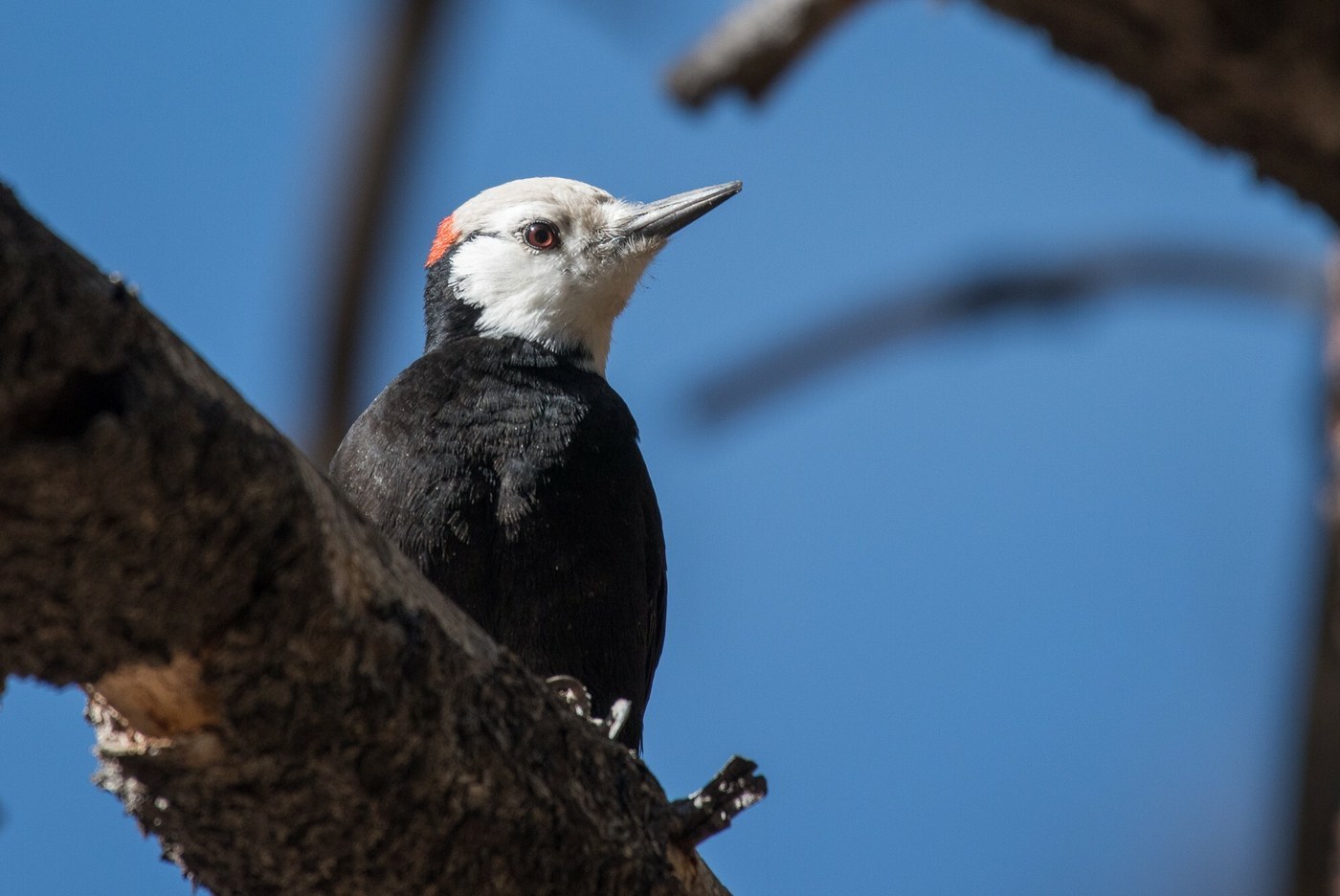
White-headed Woodpecker
Solid black body feathers with an entirely white head