

Guadeloupe Woodpecker
Melanerpes herminieri
An island-endemic woodpecker found only on Guadeloupe, unusual among woodpeckers for its almost entirely dark, glossy plumage rather than bold barring or spotting.
- Feather type
- Contour and flight feathers
- Colours
- Glossy blackish-purple overall, small red patch on lower underparts
- Bird size
- Medium woodpecker, ~27-29 cm
Found a feather like this?
Identify any feather from a photo, free.
Overview
The Guadeloupe Woodpecker is found nowhere else in the world except the island of Guadeloupe in the Lesser Antilles, where it inhabits a range of forest types. Unlike most woodpeckers, which show strong black-and-white or spotted patterns, this species is almost entirely dark with a subtle glossy sheen.
Its restricted range and distinctive dark plumage make it an easily recognized, if geographically limited, species.
Identifying the Feather
- Body feathers are glossy blackish, often showing a subtle purple or blue sheen in good light
- A small patch of dark red is present on the lower underparts, the only strongly contrasting color in the plumage
- The overall lack of barring or spotting is itself a key identification feature, unusual among woodpeckers
- Wing and tail feathers share the same dark, glossy tone as the body
- Feather texture is otherwise typical of a medium-sized woodpecker
Plumage & Molt
Sexes are broadly similar in plumage, both showing the same dark glossy body and red patch on the lower underparts, with subtle differences in bill size sometimes noted between males and females. Juveniles are duller and less glossy. A single molt follows the breeding season.
Habitat & Range
- Endemic to the island of Guadeloupe in the Lesser Antilles
- Found across a range of forest types on the island, including both wetter and drier forest
- Resident and non-migratory, as expected for an island endemic
Behavior & Field Notes
This species forages on trunks and branches for insects, and readily uses a variety of forest types across its small island range. It gives sharp calls and drums on resonant wood to communicate. Nest cavities are excavated in dead or decaying trunks within forest habitat.
Frequently asked questions
Why does this woodpecker look so different from most others?
It lacks the bold barring or spotting typical of most woodpeckers, instead showing an almost entirely dark, glossy body with just a small red patch on the lower underparts.
Where is this species found?
It is endemic to the island of Guadeloupe in the Lesser Antilles and occurs nowhere else.
Do males and females look different?
Plumage is broadly similar between sexes, with differences mainly noted in bill size rather than color pattern.
What forest types does it use?
A range of forest types across Guadeloupe, from wetter to drier forest habitats on the island.
Guadeloupe Woodpecker guides
In-depth guides for identifying and understanding Guadeloupe Woodpecker.

Other feathers you may enjoy

Ivory-billed Woodpecker
Very large flight feathers with a solid white trailing patch

Great Slaty Woodpecker
Massive, uniformly colored contour feathers

Yellow-tufted Woodpecker
Black body feathers with bright yellow forehead tufts

Magellanic Woodpecker
Very large, glossy contour feathers with a recurved crest

Yellow-bellied Sapsucker
Black-and-white patterned back and facial-stripe feathers
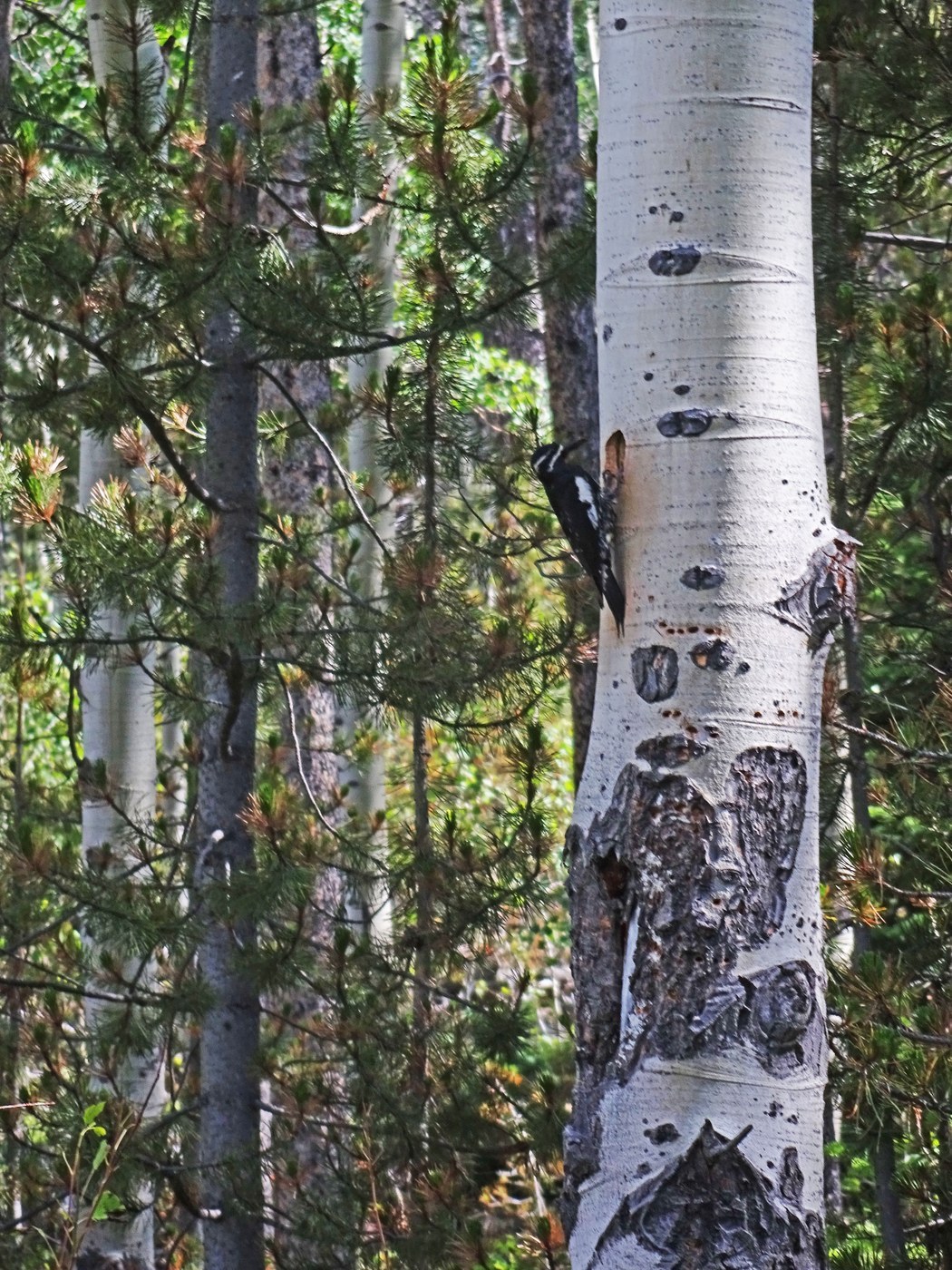
Williamson's Sapsucker
Strongly sexually dimorphic body feathers, glossy black or finely barred brown

Yellow-crowned Woodpecker
Contour and flight feathers

White Woodpecker
Mostly white body feathers with contrasting black wings and back

Red-throated Wryneck
Soft, cryptically mottled contour feathers

White-bellied Woodpecker
Large, glossy black contour and flight feathers

White-backed Woodpecker
Barred back feathers rather than a solid white patch
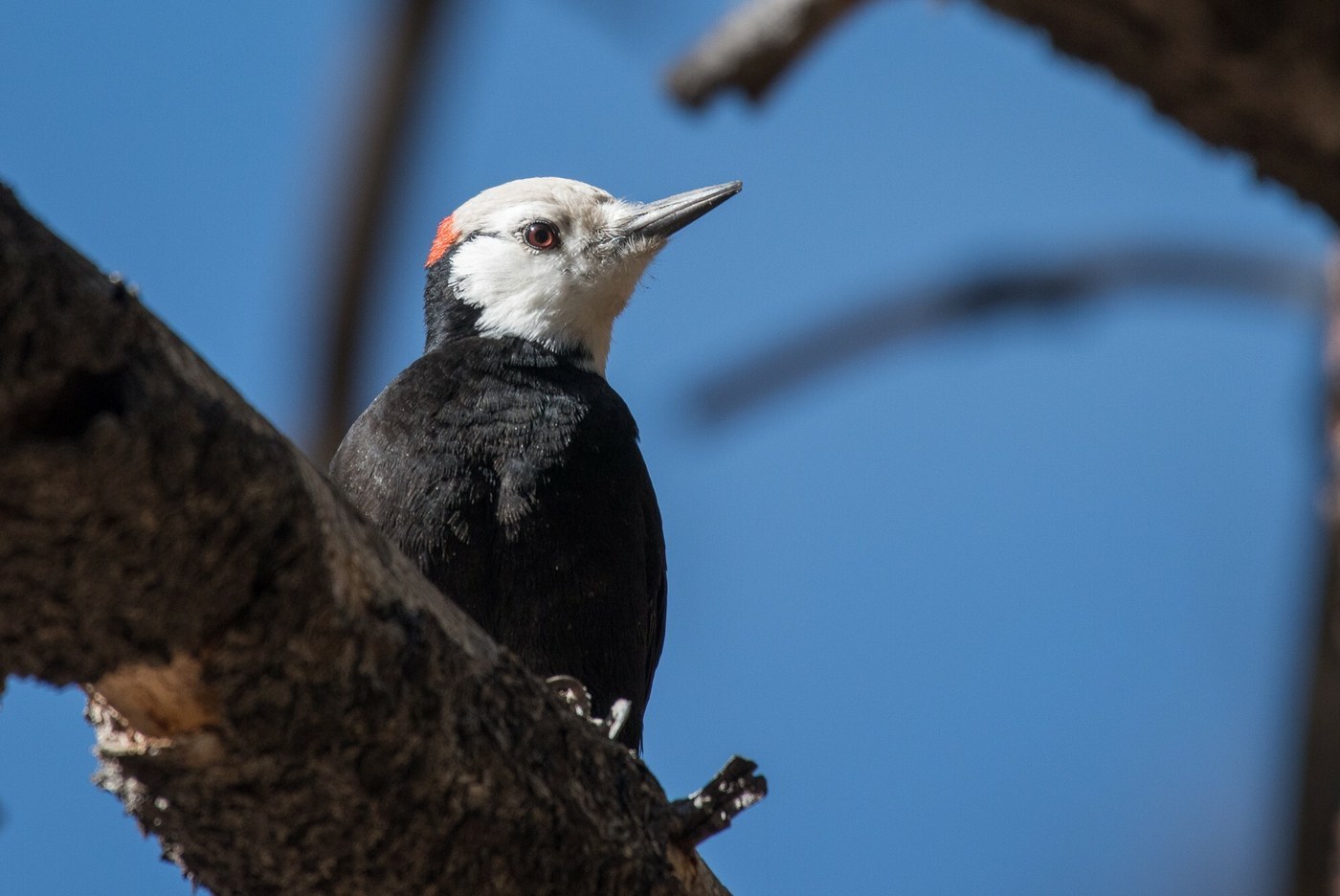
White-headed Woodpecker
Solid black body feathers with an entirely white head