

Grey-capped Pygmy Woodpecker
Yungipicus canicapillus
A small, widespread Asian woodpecker with a grey-brown crown and crisply barred back, closely resembling other pygmy woodpeckers across its broad range.
- Feather type
- Small contour and flight feathers
- Colours
- Grey-brown cap, black-and-white barred back, streaked underparts
- Bird size
- Tiny woodpecker, ~13-15 cm
Found a feather like this?
Identify any feather from a photo, free.
Overview
The Grey-capped Pygmy Woodpecker occurs very widely, from parts of South Asia across mainland Southeast Asia into East Asia, making it one of the more geographically variable small woodpeckers in the region. Its grey-brown cap and neat black-and-white barred back give it a tidy, contrasty appearance for such a small bird.
Because several similar pygmy woodpeckers overlap in parts of its range, careful attention to crown color and overall pattern is useful for confirming identification.
Identifying the Feather
- Crown feathers are grey-brown, generally showing more contrast with the black back than the browner-capped relatives
- Back and wing feathers display crisp black-and-white barring
- Underparts show fine dark streaking on a pale ground
- Males show a small red patch at the rear of the crown, typically inconspicuous
- Tail feathers are small and stiffened, consistent with the species' tiny overall size
Plumage & Molt
Males have a small red patch toward the rear of the crown; females lack red on the head. Juveniles show duller, softer barring and a less defined crown pattern. Molt is a single complete cycle following breeding.
Habitat & Range
- Very widely distributed, from parts of the Indian subcontinent across Southeast Asia into southern and eastern China and neighboring regions
- Found at forest edge, secondary growth, bamboo stands, and groves
- Largely resident across its range, with some populations showing local movements
Behavior & Field Notes
This species forages actively on small branches, twigs, and bamboo stems, often as part of mixed foraging flocks with other small birds. Calls are thin and high-pitched, and drumming is soft. Nest cavities are excavated in small dead wood, matching its diminutive size.
Frequently asked questions
How does this compare with the Brown-capped Pygmy Woodpecker?
The Grey-capped Pygmy Woodpecker shows a grey-brown crown with more contrast against the back, while the Brown-capped Pygmy Woodpecker has a warmer brown crown; ranges also differ, with limited overlap.
Is this one of the smaller Asian woodpeckers?
Yes, it is among the smallest woodpeckers across its wide Asian range, similar in size to other pygmy woodpeckers.
What habitat should I check for this species?
Forest edge, secondary growth, bamboo stands, and groves are typical habitats across its broad range.
How can sex be determined from a feather?
A small red patch on a crown feather indicates a male; an all grey-brown crown feather suggests a female.
Grey-capped Pygmy Woodpecker guides
In-depth guides for identifying and understanding Grey-capped Pygmy Woodpecker.

Other feathers you may enjoy

Ivory-billed Woodpecker
Very large flight feathers with a solid white trailing patch

Great Slaty Woodpecker
Massive, uniformly colored contour feathers

Yellow-tufted Woodpecker
Black body feathers with bright yellow forehead tufts

Magellanic Woodpecker
Very large, glossy contour feathers with a recurved crest

Yellow-bellied Sapsucker
Black-and-white patterned back and facial-stripe feathers
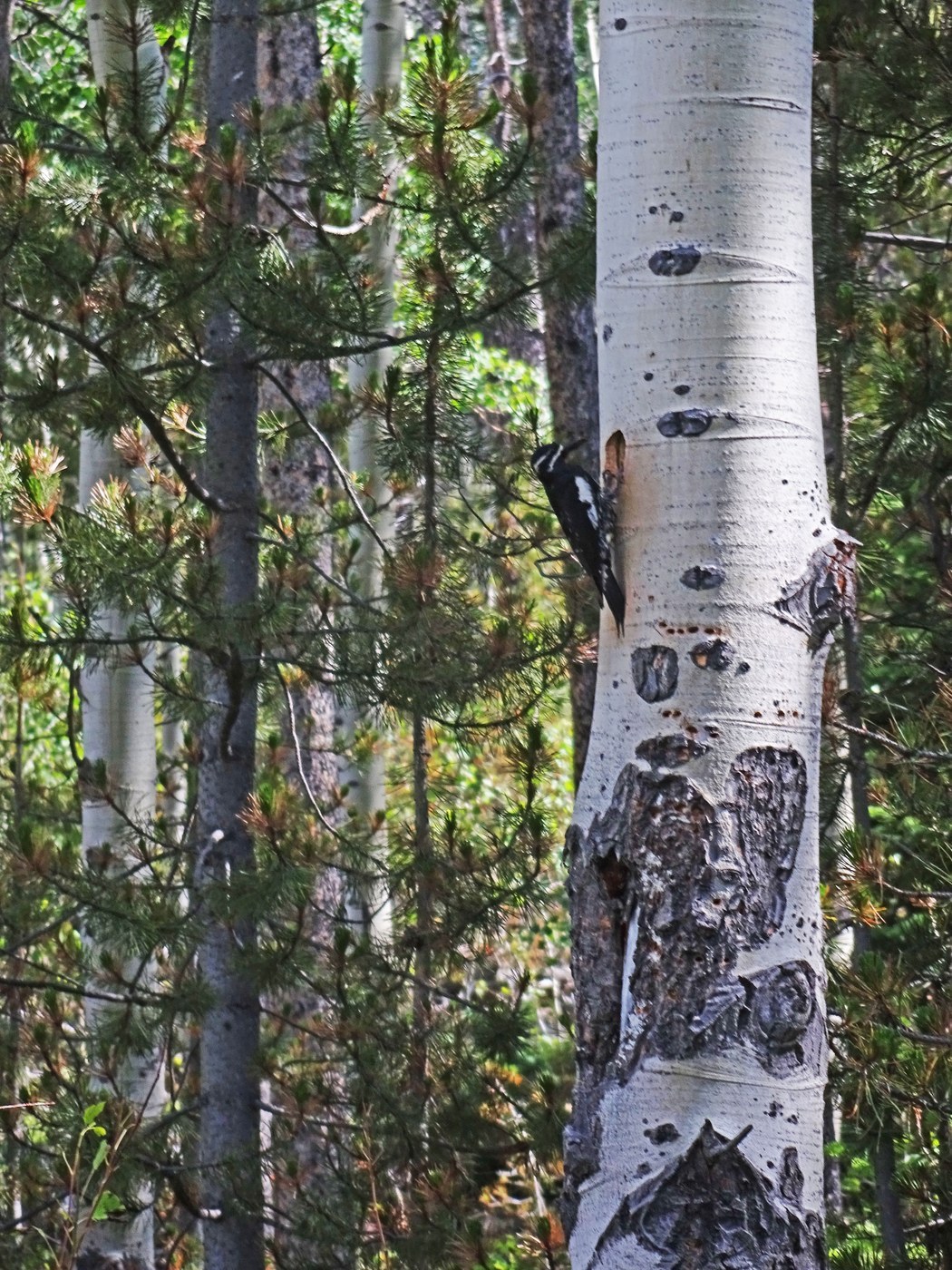
Williamson's Sapsucker
Strongly sexually dimorphic body feathers, glossy black or finely barred brown

Yellow-crowned Woodpecker
Contour and flight feathers

White Woodpecker
Mostly white body feathers with contrasting black wings and back

Red-throated Wryneck
Soft, cryptically mottled contour feathers

White-bellied Woodpecker
Large, glossy black contour and flight feathers

White-backed Woodpecker
Barred back feathers rather than a solid white patch
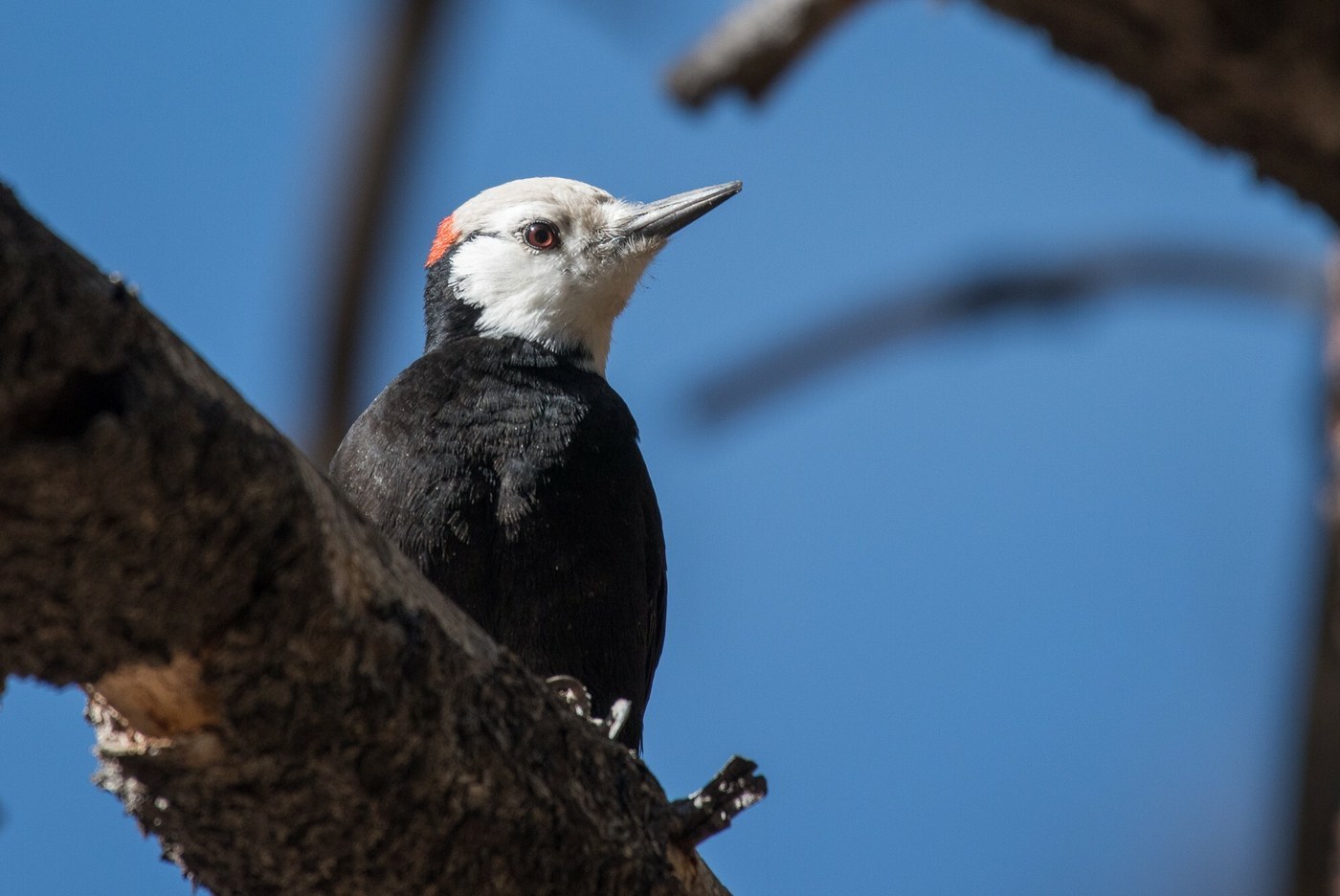
White-headed Woodpecker
Solid black body feathers with an entirely white head