

Greater Yellowlegs
Tringa melanoleuca
A tall, alert shorebird with bright yellow legs and a heavy, slightly upturned bill, often the first to sound an alarm call at a wetland.
- Feather type
- Contour and flight feathers
- Colours
- Gray-brown with white spotting
- Bird size
- Medium-large sandpiper, ~29-33 cm
Found a feather like this?
Identify any feather from a photo, free.
Overview
Overview
The Greater Yellowlegs is a tall, elegant shorebird easily recognized by its bright yellow legs and long, slightly upturned bill. Gray-brown upperparts are heavily spotted with white, and in breeding plumage the underparts show bold dark streaking and barring. Often wary and vocal, it is frequently the first bird to give an alarm call at a wetland, alerting other species to danger.
It closely resembles the smaller Lesser Yellowlegs, and the two require careful attention to bill shape and proportions to separate reliably.
Identifying the Feather
Feather Identification
- Upperparts: Gray-brown feathers with bold white spotting and notching along the edges, giving a checkered appearance, especially on the scapulars and wing coverts.
- Underparts (breeding): Bold dark streaking on the neck and breast grading into barring on the flanks; non-breeding birds are plainer gray-white.
- Bill: Long, heavy, and slightly upturned, often bicolored with a darker tip, longer relative to head size than the Lesser Yellowlegs.
- Legs: Bright yellow, long, and slender, a key feature shared with the Lesser Yellowlegs but proportionally longer here.
- Compared to similar species: The bill is notably longer and heavier, often 1.5 times the head length, versus the shorter, thinner, straighter bill of the Lesser Yellowlegs.
Plumage & Molt
Plumage Notes
Breeding adults show heavy dark streaking and barring on the underparts and richly spotted upperparts; non-breeding birds are considerably plainer, with pale gray-brown upperparts and white underparts showing only light streaking on the breast. Sexes look alike. Juveniles resemble non-breeding adults but with fresher, more crisply edged wing covert feathers through their first fall.
Habitat & Range
Habitat & Range
Greater Yellowlegs breed in boreal bogs and open wetlands across northern Canada and Alaska, migrating through nearly all of North America to wintering grounds along coasts and wetlands from the southern United States to South America. It favors a wide range of shallow wetland habitats, including marshes, flooded fields, and mudflats, both fresh and brackish.
Behavior & Field Notes
Behavior & Field Notes
This species forages actively, often running through shallow water while sweeping its bill side to side or jabbing at small fish and aquatic invertebrates. It is notably wary and vocal, giving a loud, ringing three- or four-note "tew-tew-tew" call at the slightest disturbance, often alerting other wetland birds. Nesting occurs on the ground in open boreal habitat, with a simple scrape lined with vegetation.
Frequently asked questions
What color are Greater Yellowlegs feathers?
Upperparts are gray-brown with bold white spotting, underparts range from heavily streaked in breeding plumage to plain white in winter, and the legs are bright yellow.
How do I tell Greater from Lesser Yellowlegs feathers?
Plumage is very similar; the most reliable distinction is bill length and thickness, which is notably longer and heavier in the Greater Yellowlegs.
Why are Greater Yellowlegs often heard before seen?
They are wary birds that give a loud, ringing alarm call at the first sign of disturbance, often before flushing.
Where would I find a Greater Yellowlegs feather?
Around marshes, flooded fields, and mudflats across most of North America during migration and winter, or boreal wetlands in the north during breeding season.
Greater Yellowlegs guides
In-depth guides for identifying and understanding Greater Yellowlegs.

Other feathers you may enjoy
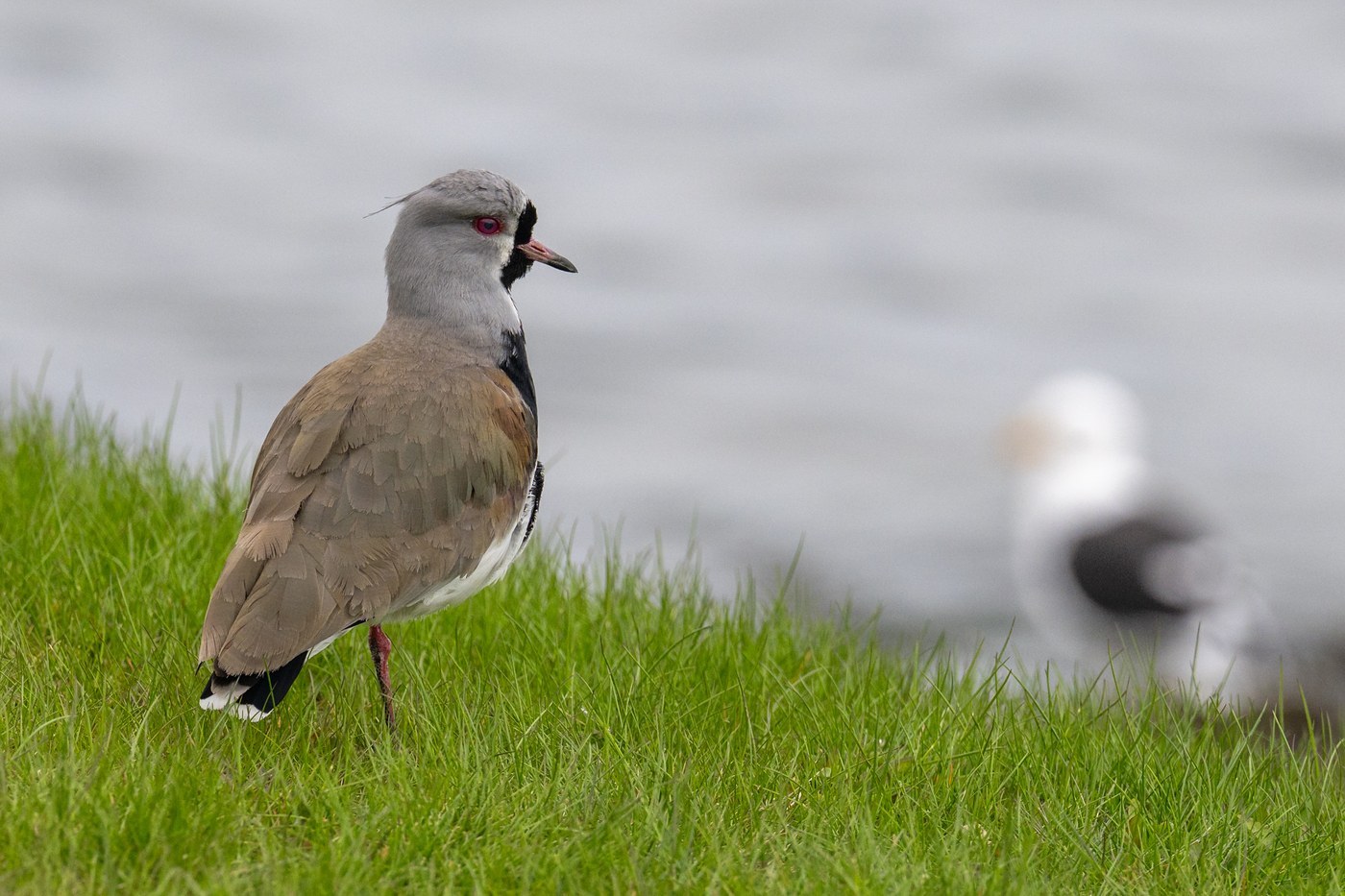
Southern Lapwing
Body, flight, and tail feathers

Jack Snipe
Body and flight feathers

Far Eastern Curlew
Body, flight, and tail feathers

Terek Sandpiper
Body and flight feathers

Wilson's Phalarope
Body and flight feathers
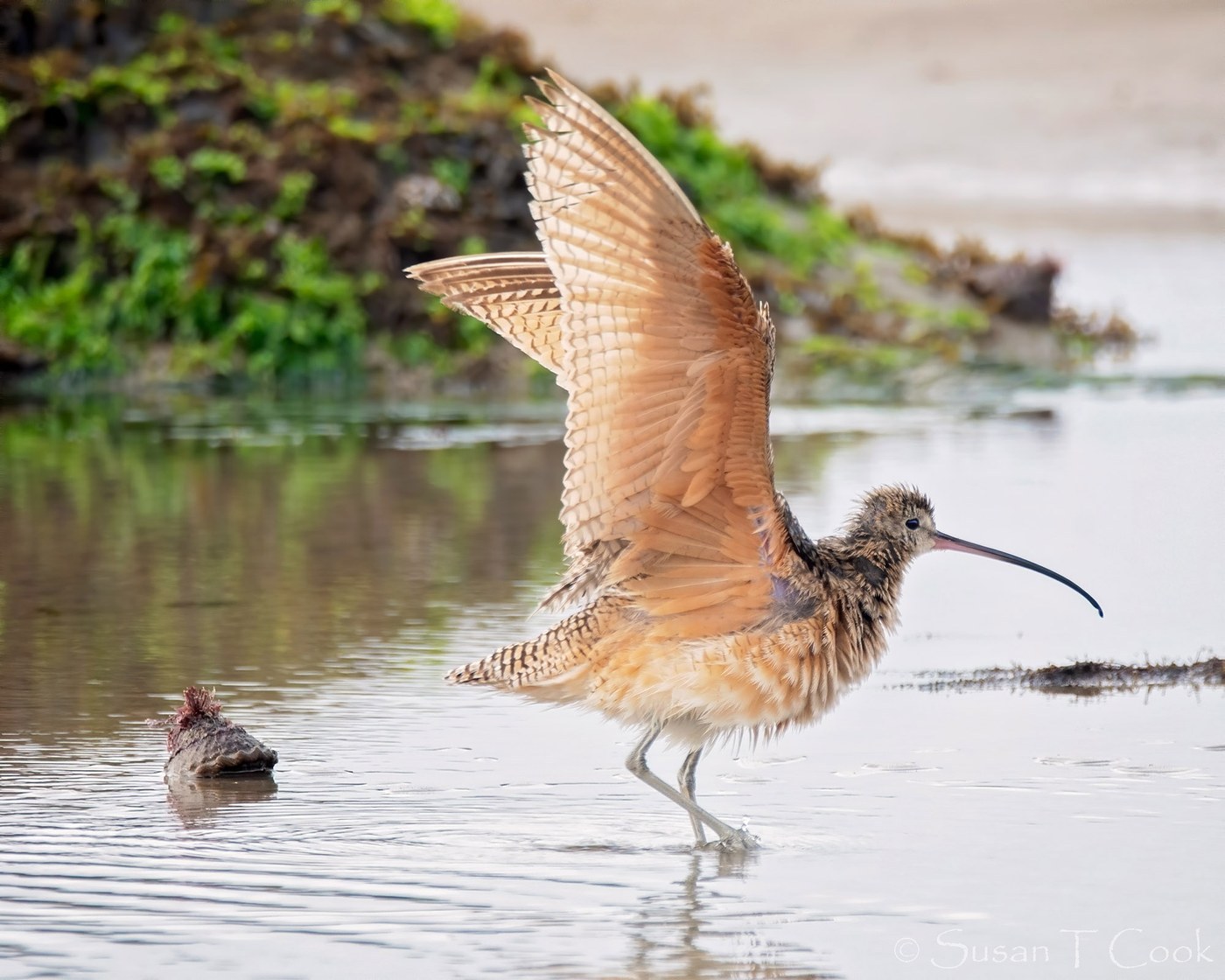
Long-billed Curlew
Body, flight, and tail feathers

Upland Sandpiper
Body, flight, and tail feathers

Red Phalarope
Body and flight feathers

Eurasian Dotterel
Body feathers
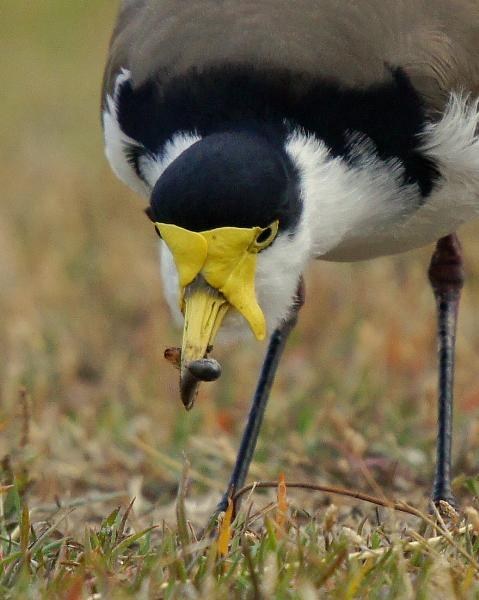
Masked Lapwing
Body, flight, and tail feathers
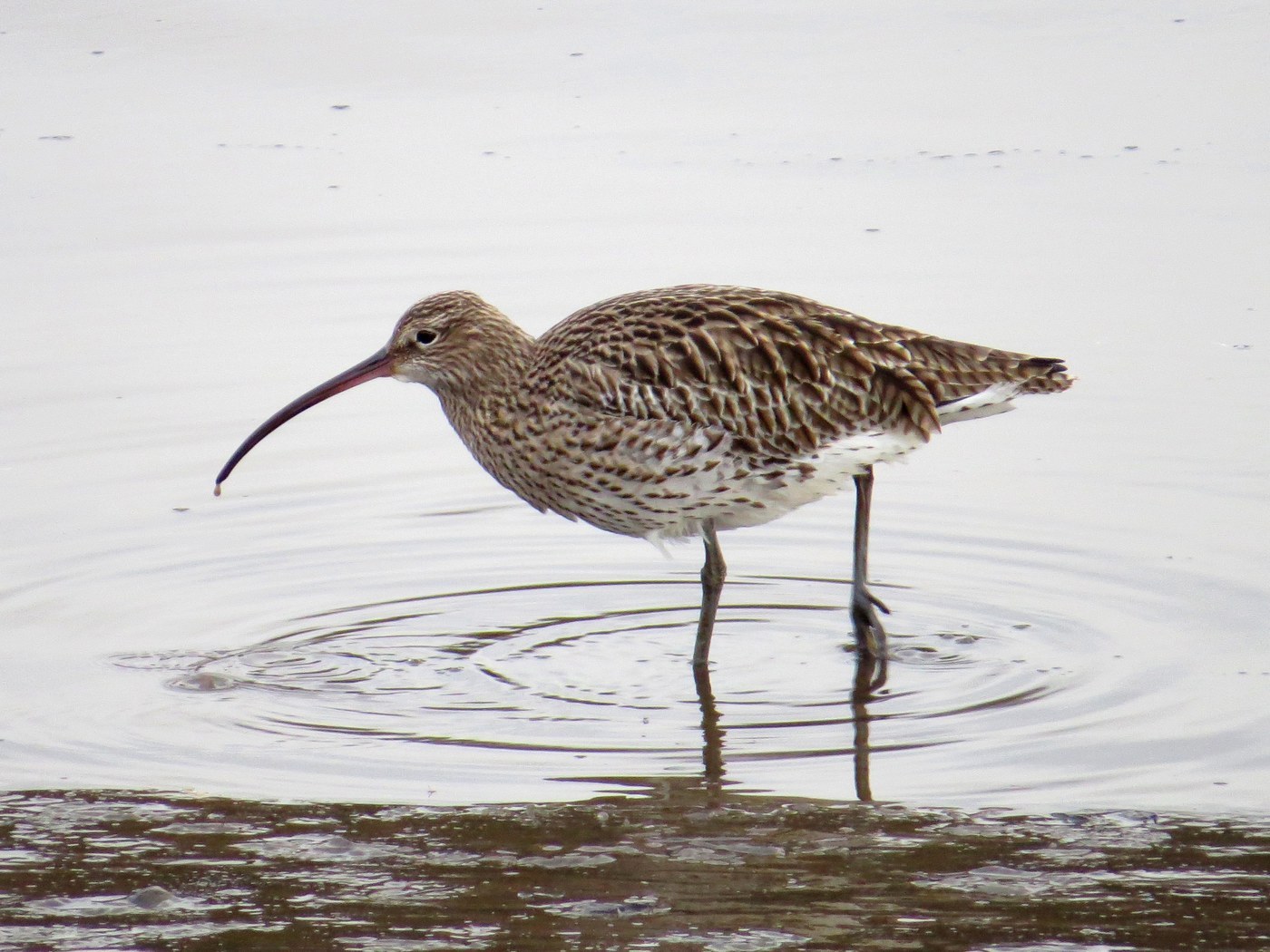
Eurasian Curlew
Body, flight, and tail feathers
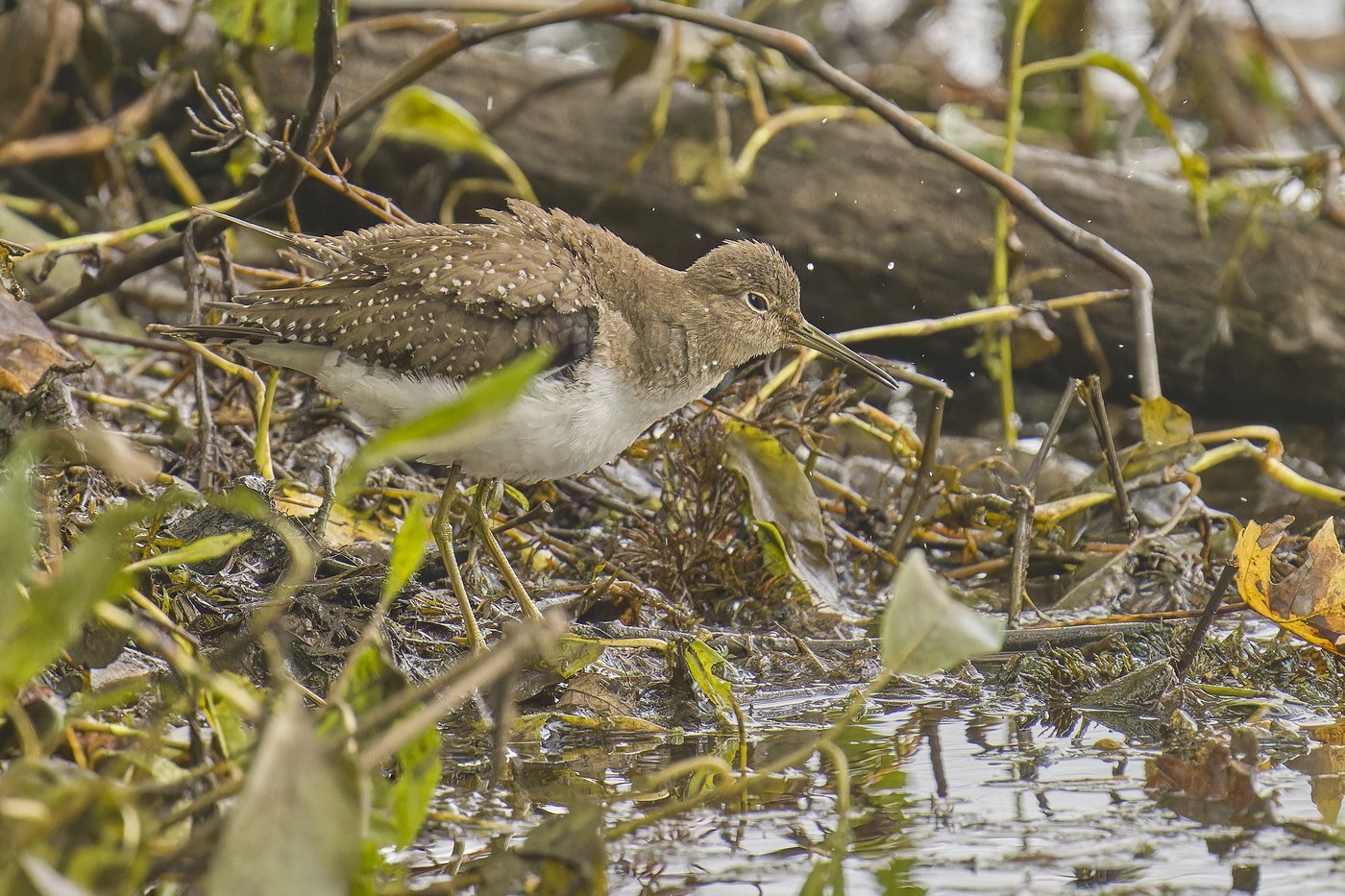
Solitary Sandpiper
Contour and flight feathers